
The Ultimate Guide to Where to Stay in Venice in 2026

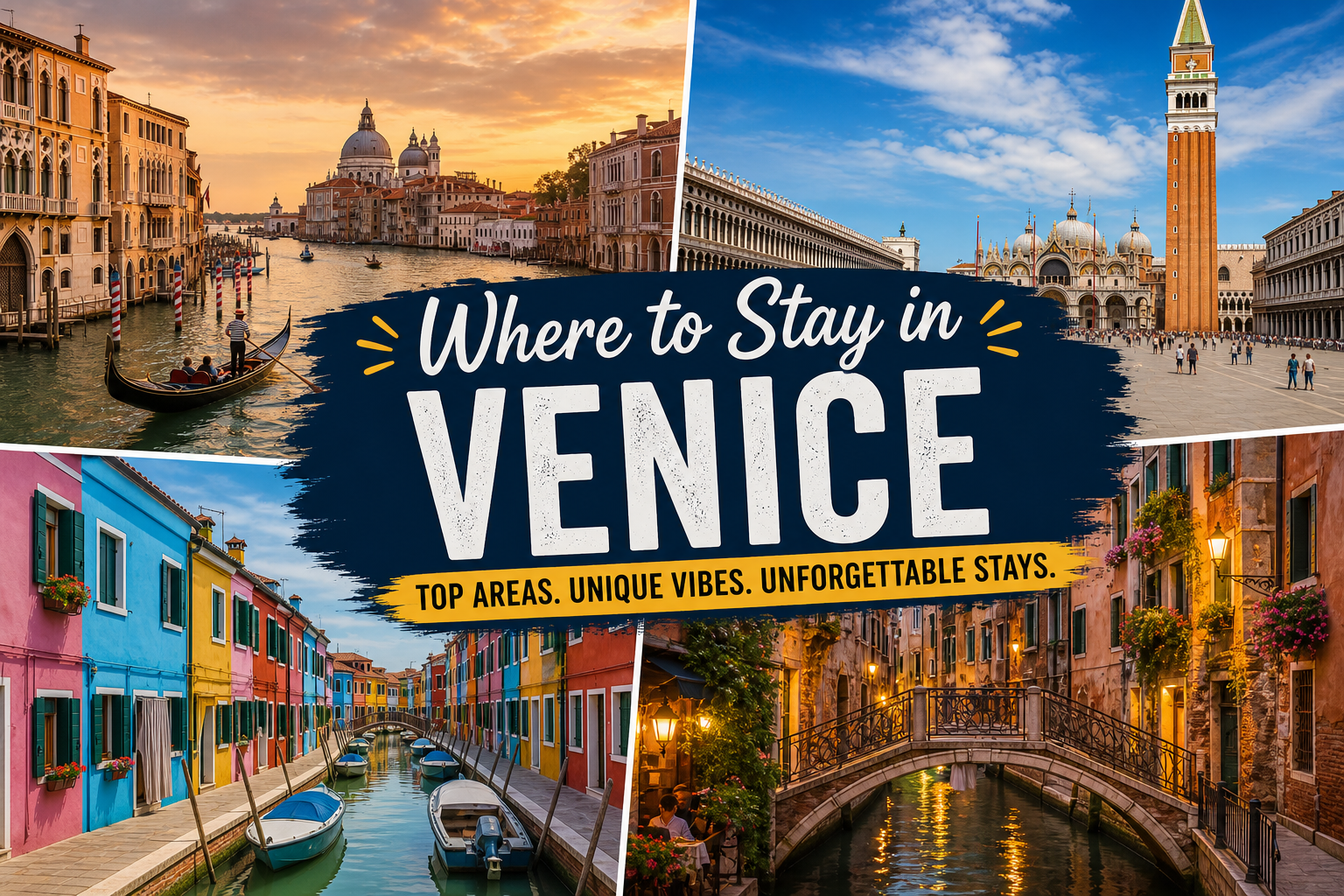
Figuring out where to stay in Venice can feel overwhelming with its maze of canals and six unique districts. You’re here because you want the perfect base for exploring this floating city without wasting time on logistics. The best areas balance charm, convenience, and value, with San Marco offering iconic views, Cannaregio delivering local vibes, and Dorsoduro serving up artistic flair. Whether you’re a first-timer or a return visitor, this guide breaks down every neighborhood so you can book with confidence.
Best Areas to Consider Where to Stay in Venice
Venice isn’t one-size-fits-all. Your choice of neighborhood shapes your entire experience—from morning coffee rituals to late-night gelato walks. Below, I’ve ranked the top spots with insider details on prices, pros, cons, and hidden gems. Each recommendation includes practical info so you can plan like a local.
1. San Marco: The Heart of Venetian Grandeur
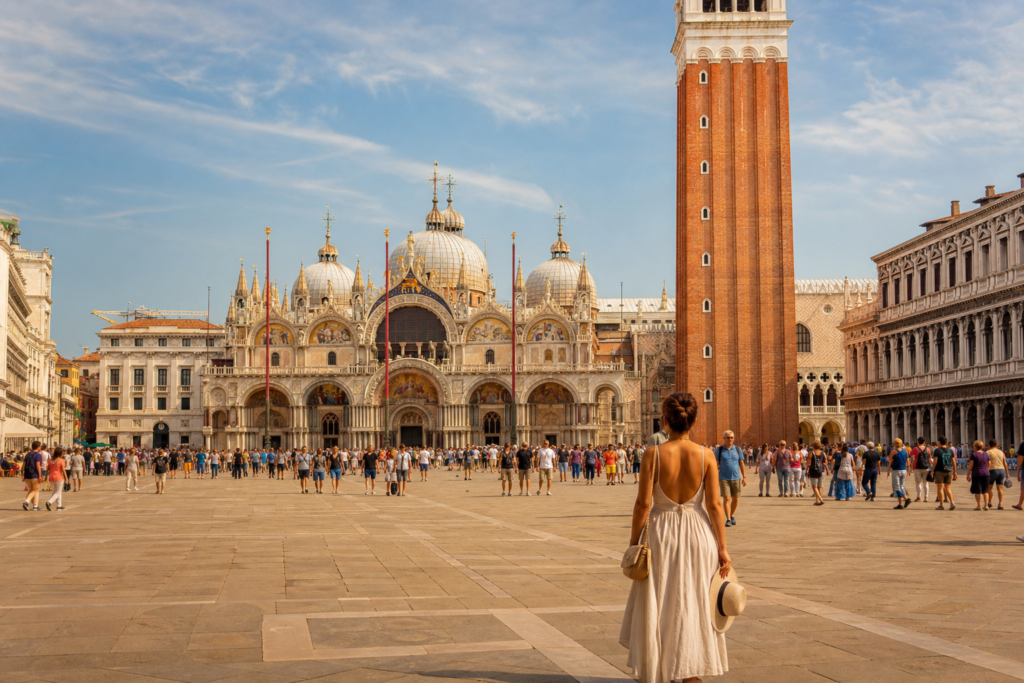
Best for: First-time visitors and luxury seekers
San Marco is Venice’s showstopper. You’re steps from St. Mark’s Square, the Doge’s Palace, and the Rialto Bridge. Address: Central zone around Piazza San Marco, 30124 Venice. Hours: Most attractions open 9 AM–7 PM; avoid peak crowds by visiting early. Price: Hotels range from €250–€600 per night; luxury properties like Hotel Danieli (€500+) offer canal views.
This district buzzes with energy, but it’s also the most touristy. You’ll pay a premium for proximity, but waking up to the Basilica’s golden mosaics is worth it. Pro tip: Book a hotel on a side canal, not the main square, to escape the din. For budget options, try Locanda Art Deco (€150–€200) near Campo Santo Stefano.
Why choose San Marco: Unbeatable access to landmarks, but expect crowds and higher prices. Perfect if you want to feel the city’s pulse from dawn to dusk.
2. Cannaregio: Local Life Without the Crowds
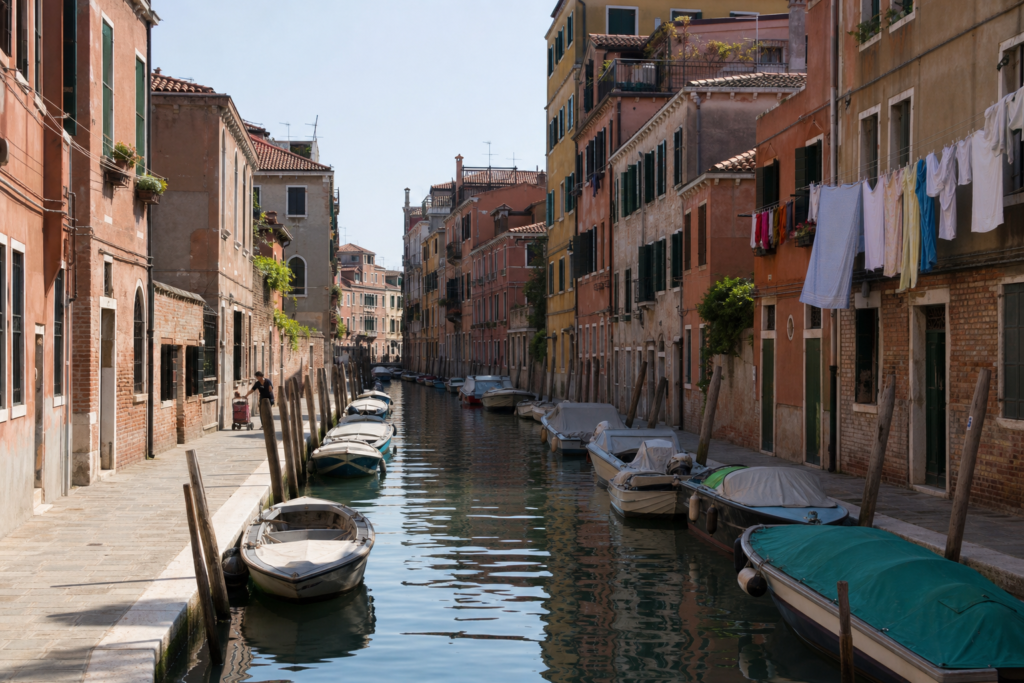
Best for: Budget travelers and foodies
Cannaregio is Venice’s most authentic district. It’s where Venetians live, shop, and eat. Address: Northern area, from the Jewish Ghetto to Fondamenta della Misericordia. Hours: Local markets open 8 AM–1 PM; restaurants serve dinner from 7 PM. Price: Hotels average €100–€250 per night; Airbnb apartments from €80.
The Jewish Ghetto is a must-visit for history buffs, while Fondamenta della Misericordia is lined with bacari (wine bars) serving cicchetti (small plates). Stay at Hotel Bernardi-Semenzato (€120) for a clean, central base. You’re a 15-minute walk from Rialto but far from tourist hordes.
Why choose Cannaregio: Affordable, lively, and real. You’ll eat better here than anywhere else, and the evening strolls along the canals feel like a secret.
3. Dorsoduro: Artsy and Academically Cool
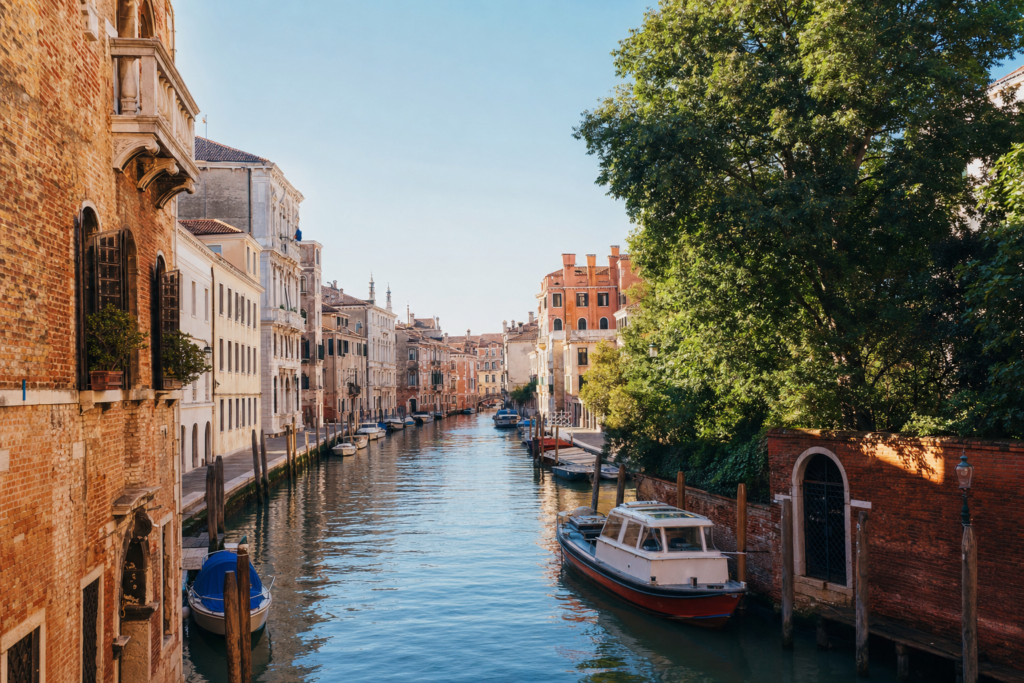
Best for: Art lovers and students
Dorsoduro is Venice’s creative soul. Home to the Accademia Gallery, Peggy Guggenheim Collection, and Ca’ Foscari University, this district hums with intellectual energy. Address: Southwest area, from the Grand Canal to Giudecca Canal. Hours: Museums open 10 AM–6 PM; university cafés buzz all day. Price: Hotels from €150–€350 per night; hostels like Generator Venice (€40–€60 for dorms).
The Zattere promenade offers stunning sunset views across the Giudecca Canal. For a splurge, try the Ca’ Maria Adele (€300) with its moody, art-filled rooms. Budget tip: Grab a room at B&B Ca’ del Pozzo (€100) near Campo Santa Margherita, which has fantastic nightlife.
Why choose Dorsoduro: Culture central with a laid-back vibe. You’ll skip the selfie sticks and find real conversations over spritz.
4. Castello: Quiet Charm and Green Spaces
Best for: Families and slow travelers
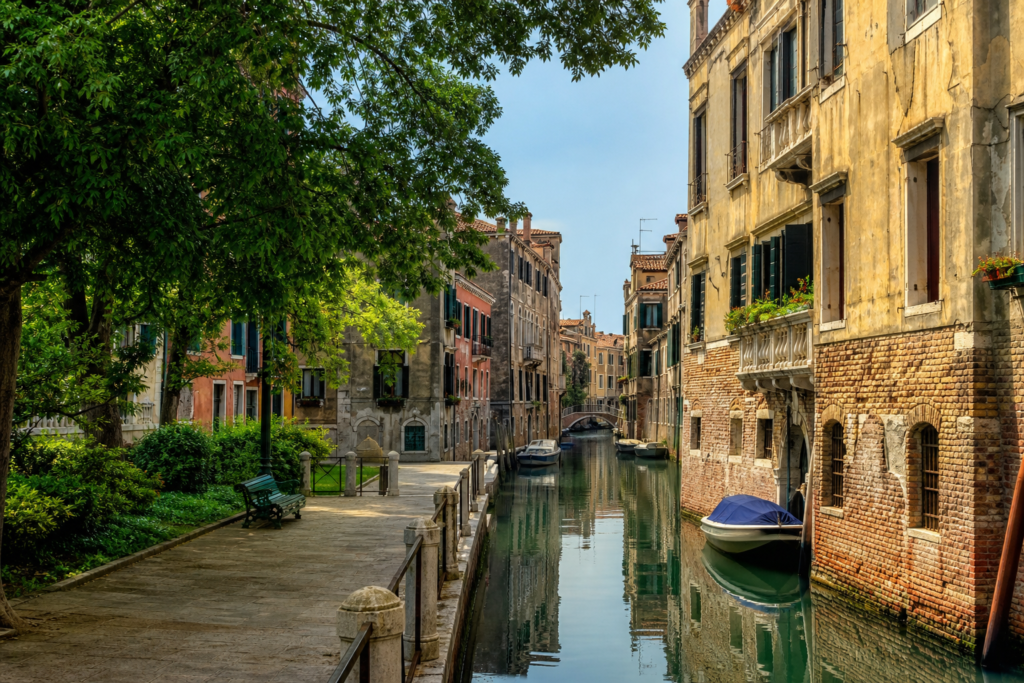
Castello is Venice’s largest sestiere (district), stretching from St. Mark’s to the Biennale gardens. Address: Eastern area, including Arsenale and Via Garibaldi. Hours: Gardens open 9 AM–sunset; Biennale exhibitions run May–November. Price: Hotels from €120–€300 per night; family-run B&Bs like Alloggi Barbaria (€90).
This area feels residential and unhurried. The Giardini della Biennale offer rare green space, while Via Garibaldi is a lively local street with bakeries and markets. Stay at Hotel L’Orologio (€200) for modern comfort near the Arsenale. You’re a 10-minute walk from San Marco but far from the chaos.
Why choose Castello: Peaceful, spacious, and family-friendly. Perfect if you want to slow down and live like a Venetian.
5. Santa Croce: Gateway to the Grand Canal
Best for: Travelers arriving by train or car
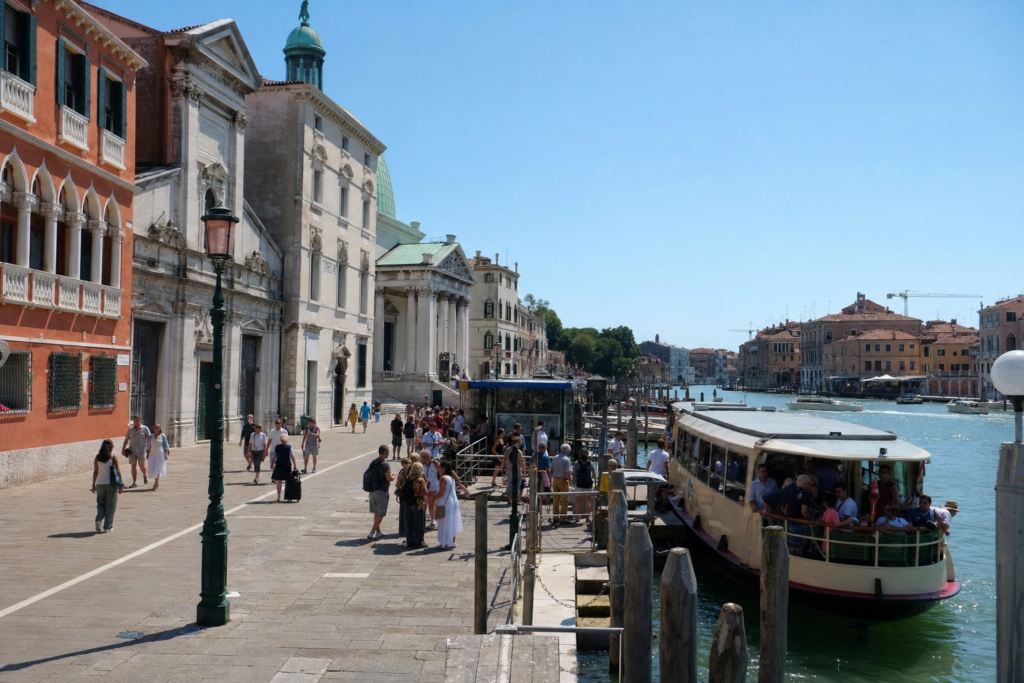
Santa Croce is your first impression of Venice if you come from Piazzale Roma or the train station. Address: Western area, from the Grand Canal to the Santa Croce church. Hours: Piazzale Roma bus terminal open 24/7; restaurants close by 10 PM. Price: Hotels from €100–€250 per night; budget options like Hotel Mignon (€80).
It’s less romantic than other districts but incredibly practical. The Frari Church houses Titian’s masterpieces, and the San Polo market is nearby. Stay at Palazzo Odoni (€150) for historic charm with modern amenities. You can walk to Rialto in 10 minutes.
Why choose Santa Croce: Convenient and affordable. Ideal for short stays or if you’re traveling light.
6. Giudecca: Island Serenity with City Views
Best for: Couples and luxury retreats
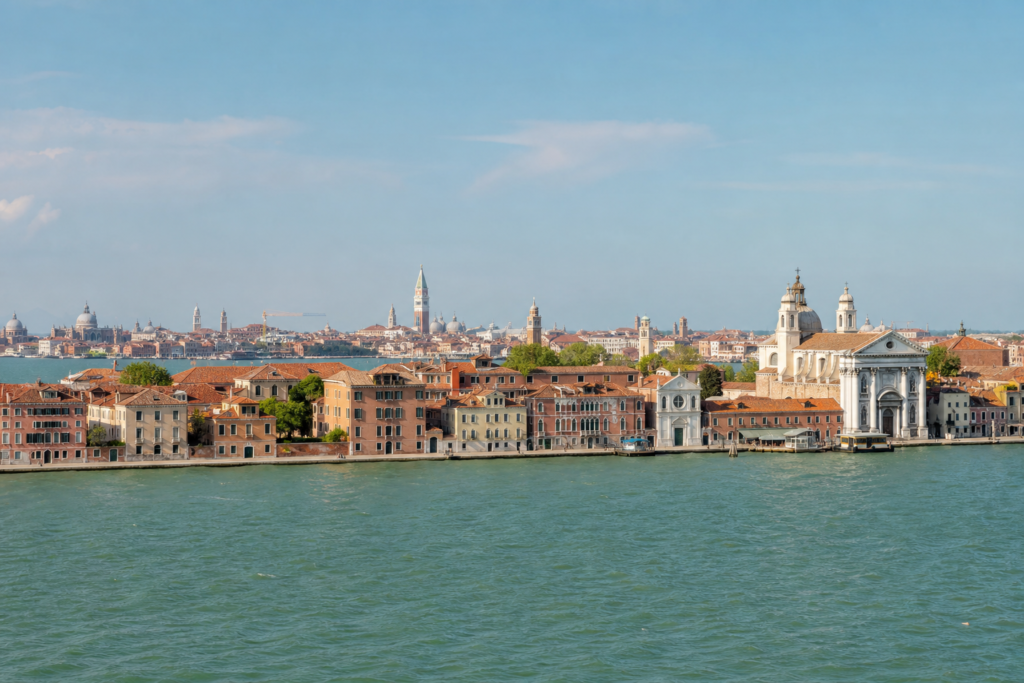
Giudecca is a separate island across the Giudecca Canal, offering peace and panoramic vistas. Address: Southern island, reachable by vaporetto (water bus) line 2. Hours: Vaporettos run 5 AM–midnight; restaurants open for dinner from 7 PM. Price: Hotels from €200–€600 per night; the Hilton Molino Stucky (€250) has a rooftop pool.
This is where Venetians escape the crowds. The Redentore Church is a Palladian masterpiece, and the Zitelle vaporetto stop gives you a 5-minute ride to San Marco. For a splurge, book a room at the Belmond Hotel Cipriani (€800) for ultimate romance.
Why choose Giudecca: Quiet, exclusive, and breathtaking. Perfect for honeymoons or when you need a break from the tourist trail.
7. San Polo: Market Life and Culinary Delights
Best for: Foodies and market lovers
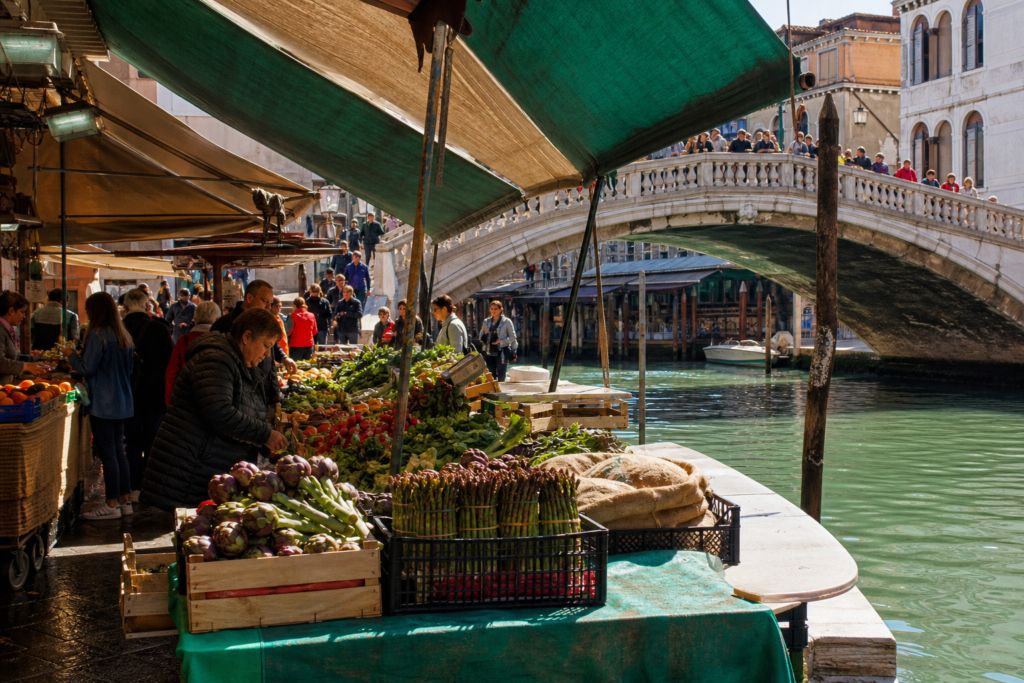
San Polo is Venice’s gastronomic heart, centered around the Rialto Market. Address: Central area around the Rialto Bridge, 30125 Venice. Hours: Market open 7 AM–2 PM (closed Sunday); restaurants serve lunch noon–2:30 PM. Price: Hotels from €130–€300 per night; Trattoria Antiche Carampane (€50 for dinner) is a local gem.
The market is a sensory overload: fresh fish, vibrant produce, and the scent of spices. Stay at Hotel Al Ponte Mocenigo (€180) for a quiet canal-side retreat. You’re steps from the Rialto Bridge but can escape into narrow alleyways.
Why choose San Polo: The ultimate spot for food exploration. You’ll taste the real Venice here.
San Polo: Market Life and Culinary Delights stands out when travelers research where to stay in venice because it balances location, convenience, and the overall trip experience. This part of Venice works especially well for visitors who want easier access to nearby attractions, dining, and a stay that matches their pace and budget.
If you are comparing neighborhoods for where to stay in venice, choose San Polo: Market Life and Culinary Delights when your priority is a better fit for your travel style. It is a smart base for building a smoother itinerary, reducing transit time, and getting more value from every day of your trip.
8. Murano: Glassmaking and Island Life
Best for: Day-trippers and craft enthusiasts
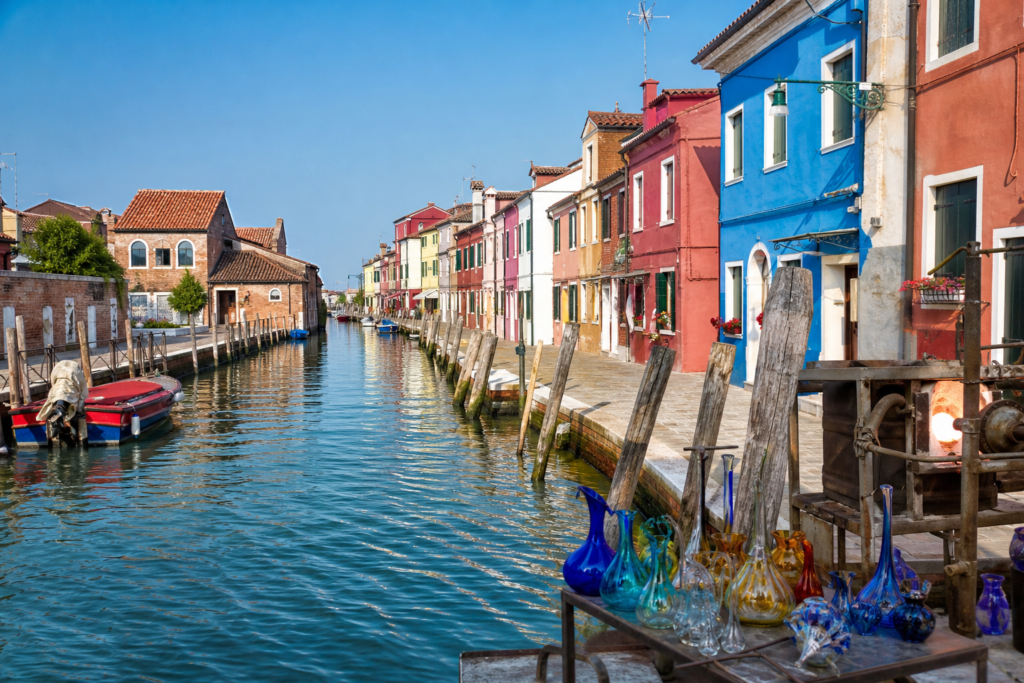
Murano is famous for its glass factories, but staying overnight offers a unique perspective. Address: Island north of Venice, 10 minutes by vaporetto from Fondamenta Nuove. Hours: Glass factories open 9 AM–6 PM; last vaporetto around midnight. Price: Hotels from €100–€200 per night; Hotel Villa Mabapa (€120) is a charming option.
You’ll see fewer tourists after 5 PM when day-trippers leave. Visit the Glass Museum to understand the craft, then wander quiet canals. Dinner at Trattoria Al Gatto Nero (€40) is a must.
Why choose Murano: Peaceful and artistic. Perfect if you want to sleep away from the main island’s frenzy.
Murano: Glassmaking and Island Life stands out when travelers research where to stay in venice because it balances location, convenience, and the overall trip experience. This part of Venice works especially well for visitors who want easier access to nearby attractions, dining, and a stay that matches their pace and budget.
If you are comparing neighborhoods for where to stay in venice, choose Murano: Glassmaking and Island Life when your priority is a better fit for your travel style. It is a smart base for building a smoother itinerary, reducing transit time, and getting more value from every day of your trip.
9. Burano: Colorful Canals and Lace Traditions
Best for: Photographers and romantics
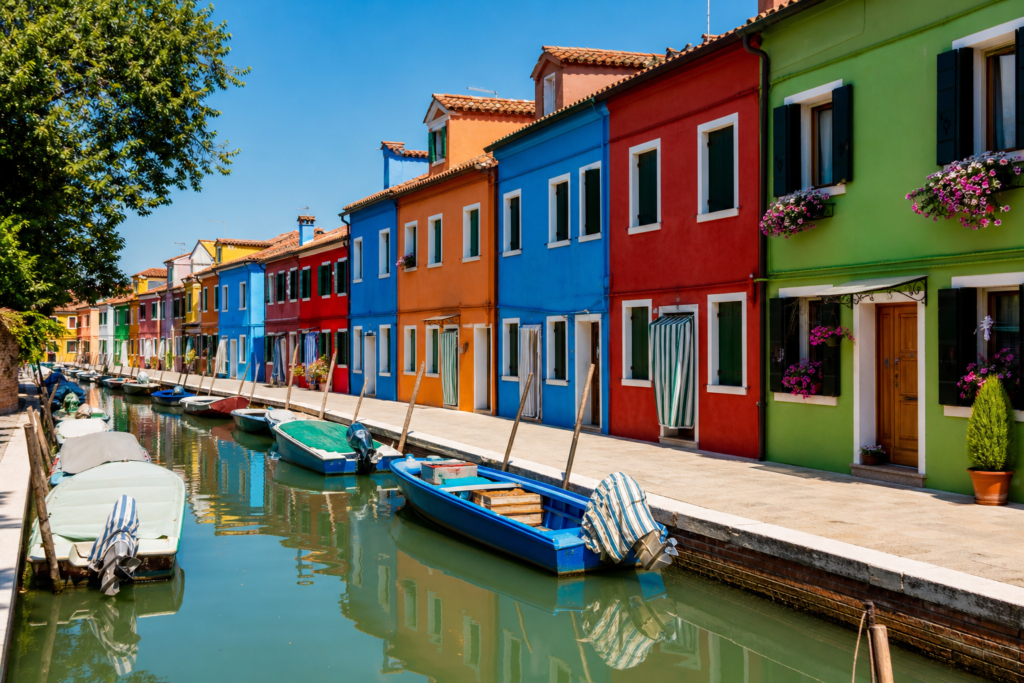
Burano is a rainbow of painted houses, famous for lace-making. Address: Island northeast of Venice, 45 minutes by vaporetto from Fondamenta Nuove. Hours: Lace museum open 10 AM–5 PM; restaurants serve lunch noon–3 PM. Price: Hotels from €120–€250 per night; B&B Burano (€100) offers cozy rooms.
Staying here feels like living in a postcard. The light changes colors throughout the day, making every photo magic. Have lunch at Trattoria al Pizzo (€35) for fresh seafood.
Why choose Burano: Unforgettable scenery and serenity. Best for couples who want a fairy-tale escape.
Burano: Colorful Canals and Lace Traditions stands out when travelers research where to stay in venice because it balances location, convenience, and the overall trip experience. This part of Venice works especially well for visitors who want easier access to nearby attractions, dining, and a stay that matches their pace and budget.
If you are comparing neighborhoods for where to stay in venice, choose Burano: Colorful Canals and Lace Traditions when your priority is a better fit for your travel style. It is a smart base for building a smoother itinerary, reducing transit time, and getting more value from every day of your trip.
10. Lido di Venezia: Beach Escape and Film Festival
Best for: Beach lovers and festival-goers
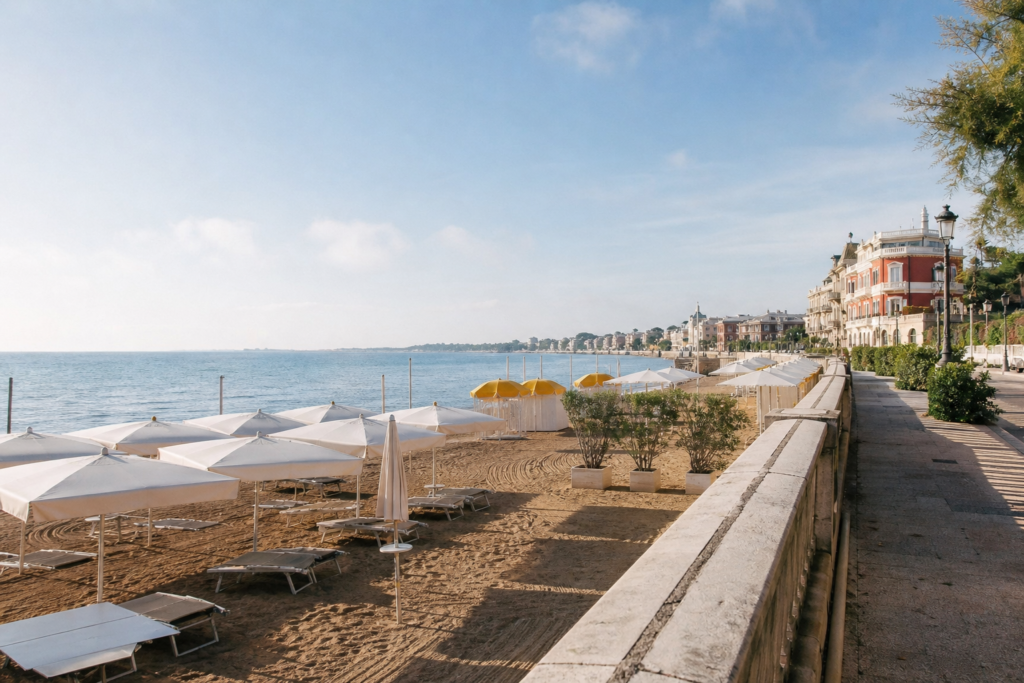
Lido is Venice’s beach island, hosting the Venice Film Festival. Address: Barrier island southeast of Venice, 15 minutes by vaporetto from St. Mark’s. Hours: Beaches open 8 AM–8 PM; festival runs late August–early September. Price: Hotels from €100–€300 per night; Hotel Des Bains (€250) has Art Deco glamour.
Rent a bike to explore the island’s quiet streets and sandy shores. The film festival brings star-studded energy, but off-season it’s a tranquil retreat.
Why choose Lido: Sun, sand, and cinematic vibes. Perfect for a mix of culture and relaxation.
Lido di Venezia: Beach Escape and Film Festival stands out when travelers research where to stay in venice because it balances location, convenience, and the overall trip experience. This part of Venice works especially well for visitors who want easier access to nearby attractions, dining, and a stay that matches their pace and budget.
If you are comparing neighborhoods for where to stay in venice, choose Lido di Venezia: Beach Escape and Film Festival when your priority is a better fit for your travel style. It is a smart base for building a smoother itinerary, reducing transit time, and getting more value from every day of your trip.
11. Cannaregio’s Jewish Ghetto: History and Quiet Corners
Best for: History buffs and off-the-beaten-path explorers
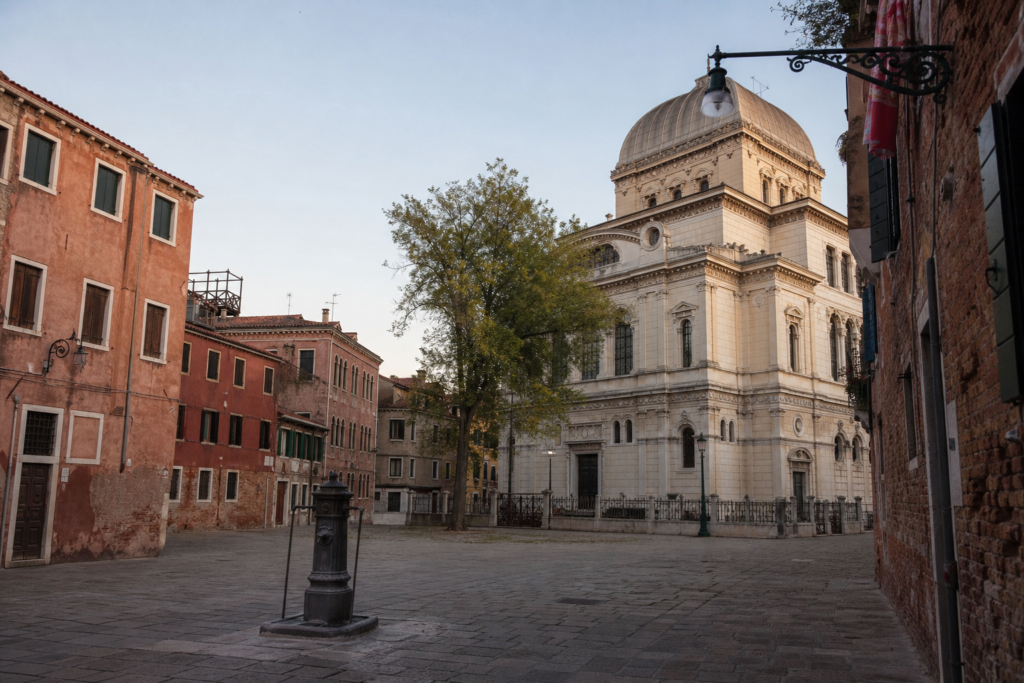
The Jewish Ghetto is a small enclave within Cannaregio, rich with 500 years of history. Address: Campo del Ghetto Nuovo, 30121 Venice. Hours: Jewish Museum open 10 AM–5 PM (closed Saturday). Price: Hotels from €100–€200 per night; Ghetto Guesthouse (€90) is a budget find.
Five synagogues hide behind unassuming facades. The area is quiet at night, with kosher restaurants like Gam Gam (€30) serving delicious meals.
Why choose the Ghetto: Deep history and peaceful nights. Ideal for reflective travelers.
Cannaregio’s Jewish Ghetto: History and Quiet Corners stands out when travelers research where to stay in venice because it balances location, convenience, and the overall trip experience. This part of Venice works especially well for visitors who want easier access to nearby attractions, dining, and a stay that matches their pace and budget.
If you are comparing neighborhoods for where to stay in venice, choose Cannaregio’s Jewish Ghetto: History and Quiet Corners when your priority is a better fit for your travel style. It is a smart base for building a smoother itinerary, reducing transit time, and getting more value from every day of your trip.
12. Santa Croce’s San Giacomo dell’Orio: Local Living
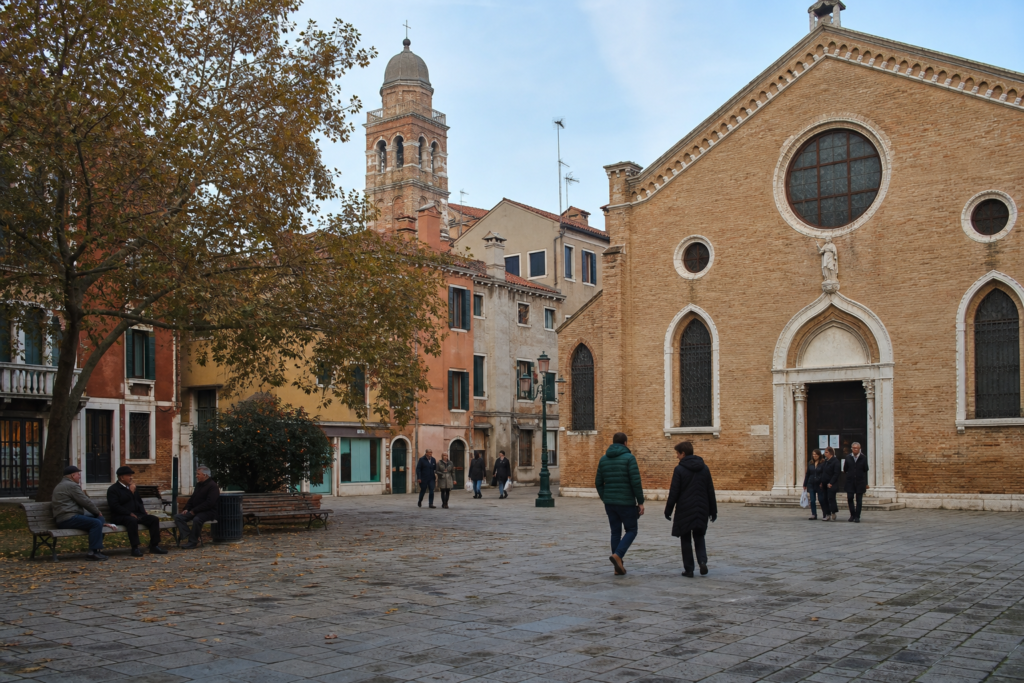
Best for: Families and long-stay travelers
This neighborhood within Santa Croce feels like a village. Address: Around Campo San Giacomo dell’Orio, 30135 Venice. Hours: Church open 10 AM–5 PM; local shops close by 1 PM for lunch. Price: Hotels from €100–€200 per night; Apartment San Giacomo (€120) for self-catering.
The campo has a lively market and a playground. You’re near the Frari Church but far from tourist shops.
Why choose San Giacomo: Authentic and family-oriented. Perfect for a week-long stay.
Santa Croce’s San Giacomo dell’Orio: Local Living stands out when travelers research where to stay in venice because it balances location, convenience, and the overall trip experience. This part of Venice works especially well for visitors who want easier access to nearby attractions, dining, and a stay that matches their pace and budget.
If you are comparing neighborhoods for where to stay in venice, choose Santa Croce’s San Giacomo dell’Orio: Local Living when your priority is a better fit for your travel style. It is a smart base for building a smoother itinerary, reducing transit time, and getting more value from every day of your trip.
13. Dorsoduro’s Zattere: Sunset Strolls and Gelato
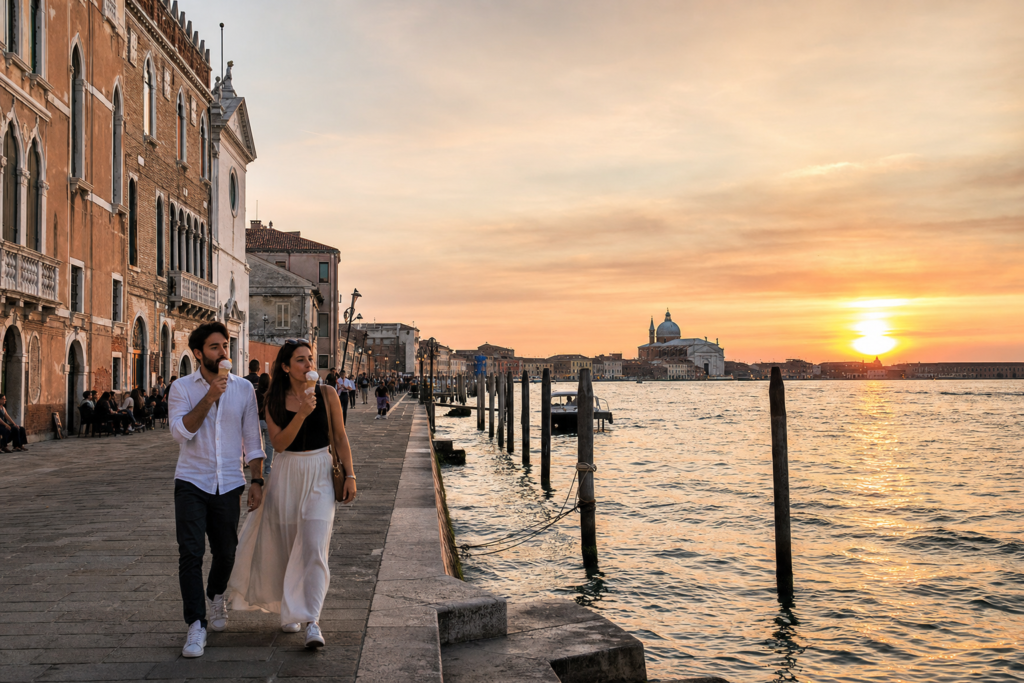
Best for: Couples and sunset lovers
The Zattere promenade is Dorsoduro’s crown jewel. Address: Along the Giudecca Canal, 30123 Venice. Hours: Best visited at sunset (around 6 PM in summer). Price: Hotels from €150–€400 per night; Hotel American Dinesen (€200) has canal views.
Walk from the Accademia to Punta della Dogana for iconic views. Gelato at Nico (€4) is a ritual.
Why choose Zattere: Romantic and scenic. Ideal for evening walks and photography.
Dorsoduro’s Zattere: Sunset Strolls and Gelato stands out when travelers research where to stay in venice because it balances location, convenience, and the overall trip experience. This part of Venice works especially well for visitors who want easier access to nearby attractions, dining, and a stay that matches their pace and budget.
If you are comparing neighborhoods for where to stay in venice, choose Dorsoduro’s Zattere: Sunset Strolls and Gelato when your priority is a better fit for your travel style. It is a smart base for building a smoother itinerary, reducing transit time, and getting more value from every day of your trip.
14. Castello’s Via Garibaldi: Local Markets and Cafés
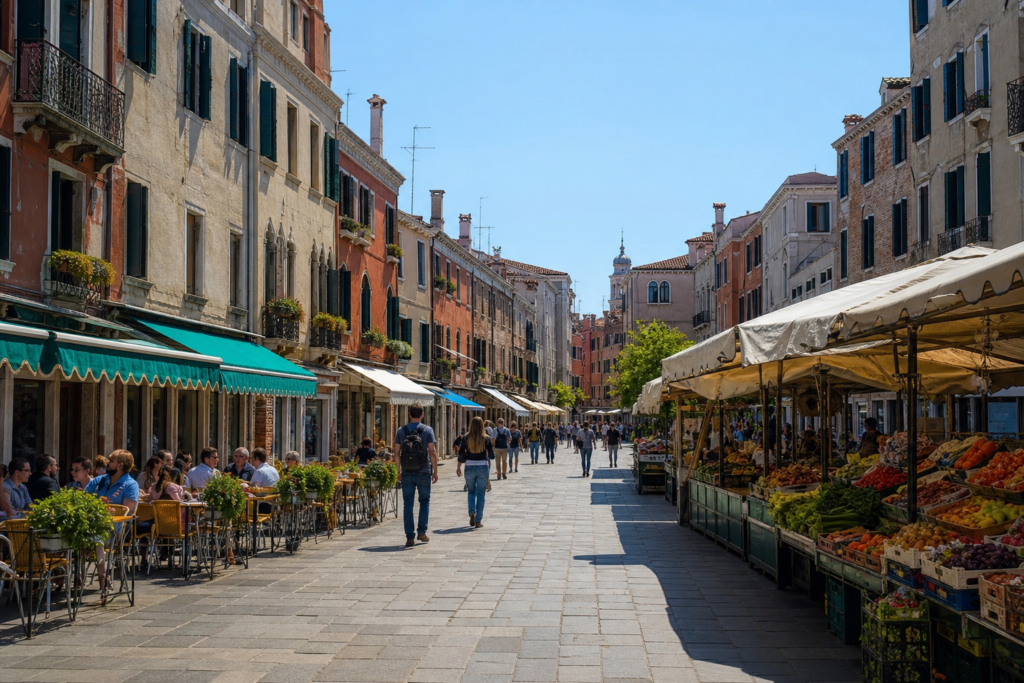
Best for: Budget travelers and food explorers
Via Garibaldi is Castello’s main artery, bustling with life. Address: Via Garibaldi, 30122 Venice. Hours: Market open 8 AM–1 PM; cafés open from 7 AM. Price: Hotels from €100–€200 per night; B&B Al Redentore (€90) is a steal.
Grab breakfast at Pasticceria Da Bonifacio (€5) and explore the Biennale gardens nearby.
Why choose Via Garibaldi: Affordable and authentic. You’ll feel like a local here.
Castello’s Via Garibaldi: Local Markets and Cafés stands out when travelers research where to stay in venice because it balances location, convenience, and the overall trip experience. This part of Venice works especially well for visitors who want easier access to nearby attractions, dining, and a stay that matches their pace and budget.
If you are comparing neighborhoods for where to stay in venice, choose Castello’s Via Garibaldi: Local Markets and Cafés when your priority is a better fit for your travel style. It is a smart base for building a smoother itinerary, reducing transit time, and getting more value from every day of your trip.
15. San Marco’s Calle dei Fabbri: Shopping and Central Access
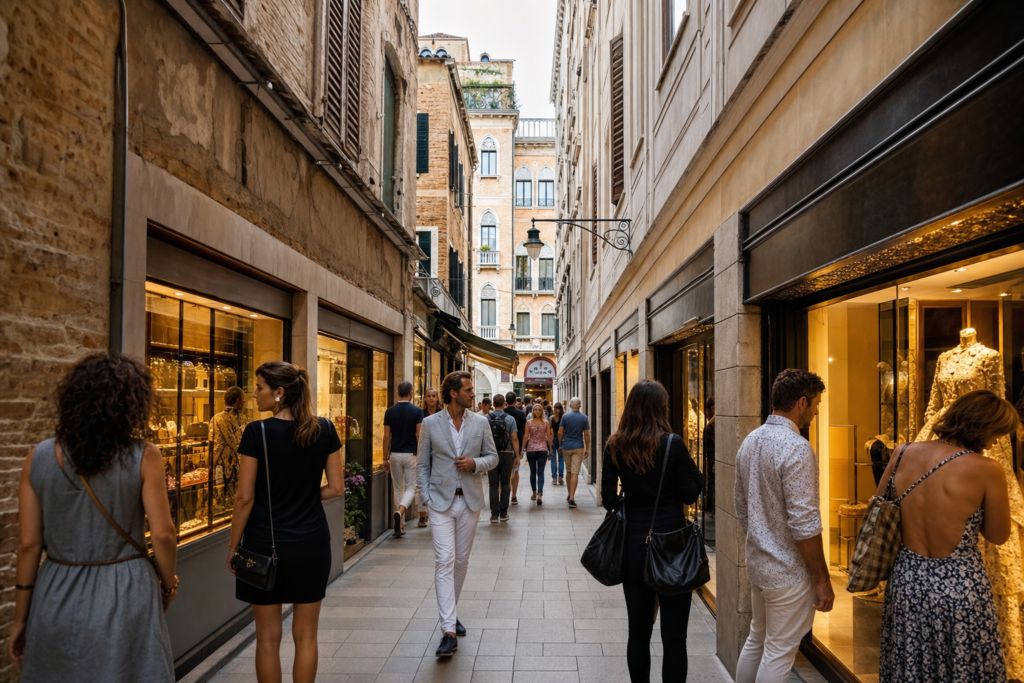
Best for: Shopaholics and first-timers
This street connects San Marco to Rialto, packed with boutiques. Address: Calle dei Fabbri, 30124 Venice. Hours: Shops open 10 AM–7 PM. Price: Hotels from €200–€500 per night; Hotel al Ponte dei Sospiri (€250) is romantic.
You’re steps from everything but can retreat to quiet rooms.
Why choose Calle dei Fabbri: Central shopping hub with convenience.
San Marco’s Calle dei Fabbri: Shopping and Central Access stands out when travelers research where to stay in venice because it balances location, convenience, and the overall trip experience. This part of Venice works especially well for visitors who want easier access to nearby attractions, dining, and a stay that matches their pace and budget.
If you are comparing neighborhoods for where to stay in venice, choose San Marco’s Calle dei Fabbri: Shopping and Central Access when your priority is a better fit for your travel style. It is a smart base for building a smoother itinerary, reducing transit time, and getting more value from every day of your trip.
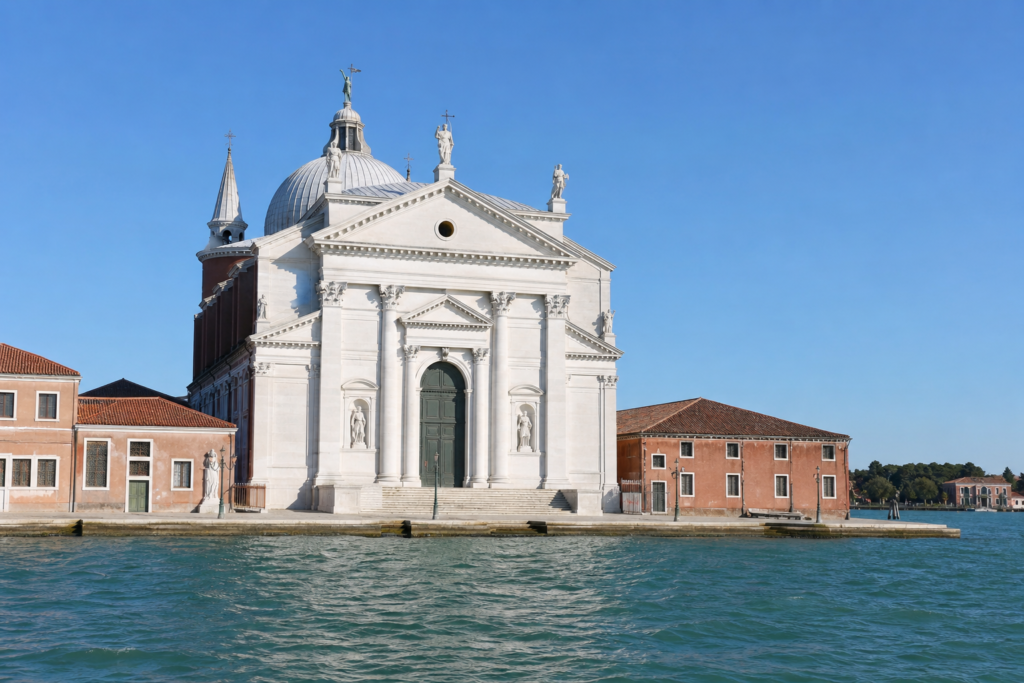
16. Giudecca’s Redentore Church: Spiritual Peace
Best for: Solitude seekers
The Redentore Church is a Palladian masterpiece on Giudecca. Address: Fondamenta della Croce, 30133 Venice. Hours: Church open 10 AM–5 PM. Price: Hotels from €200–€500 per night; Casa Redentore (€180) offers simplicity.
The annual Redentore festival in July features fireworks and feasts.
Why choose Redentore: Spiritual calm and architectural beauty.
Giudecca’s Redentore Church: Spiritual Peace stands out when travelers research where to stay in venice because it balances location, convenience, and the overall trip experience. This part of Venice works especially well for visitors who want easier access to nearby attractions, dining, and a stay that matches their pace and budget.
If you are comparing neighborhoods for where to stay in venice, choose Giudecca’s Redentore Church: Spiritual Peace when your priority is a better fit for your travel style. It is a smart base for building a smoother itinerary, reducing transit time, and getting more value from every day of your trip.
Conclusion
Venice rewards those who choose wisely. For first-timers, San Marco delivers iconic views but watch your wallet. Cannaregio offers authenticity without breaking the bank, while Dorsoduro immerses you in art and academia. Castello and Santa Croce provide practical bases, and the islands of Giudecca, Murano, and Burano offer escapes from the crowds. Match your stay to your travel style, and Venice will feel like home.
similar posts
Best Time to Visit Machu Picchu in 2026
Where to Stay in San Diego in 2026: Best Neighborhoods & Hotels
17 Essential Travel Photography Tips for 2026: Capture Your Adventures Like a Pro
The Ultimate Guide to the Top 10 Places to Visit in the World in 2026
15 Essential Business Travel Tips for 2026: Work Smarter on the Road
15 Must-See Places to Visit in the US in 2026