
When to Visit Iceland: Northern Lights, Midnight Sun, and More in 2026

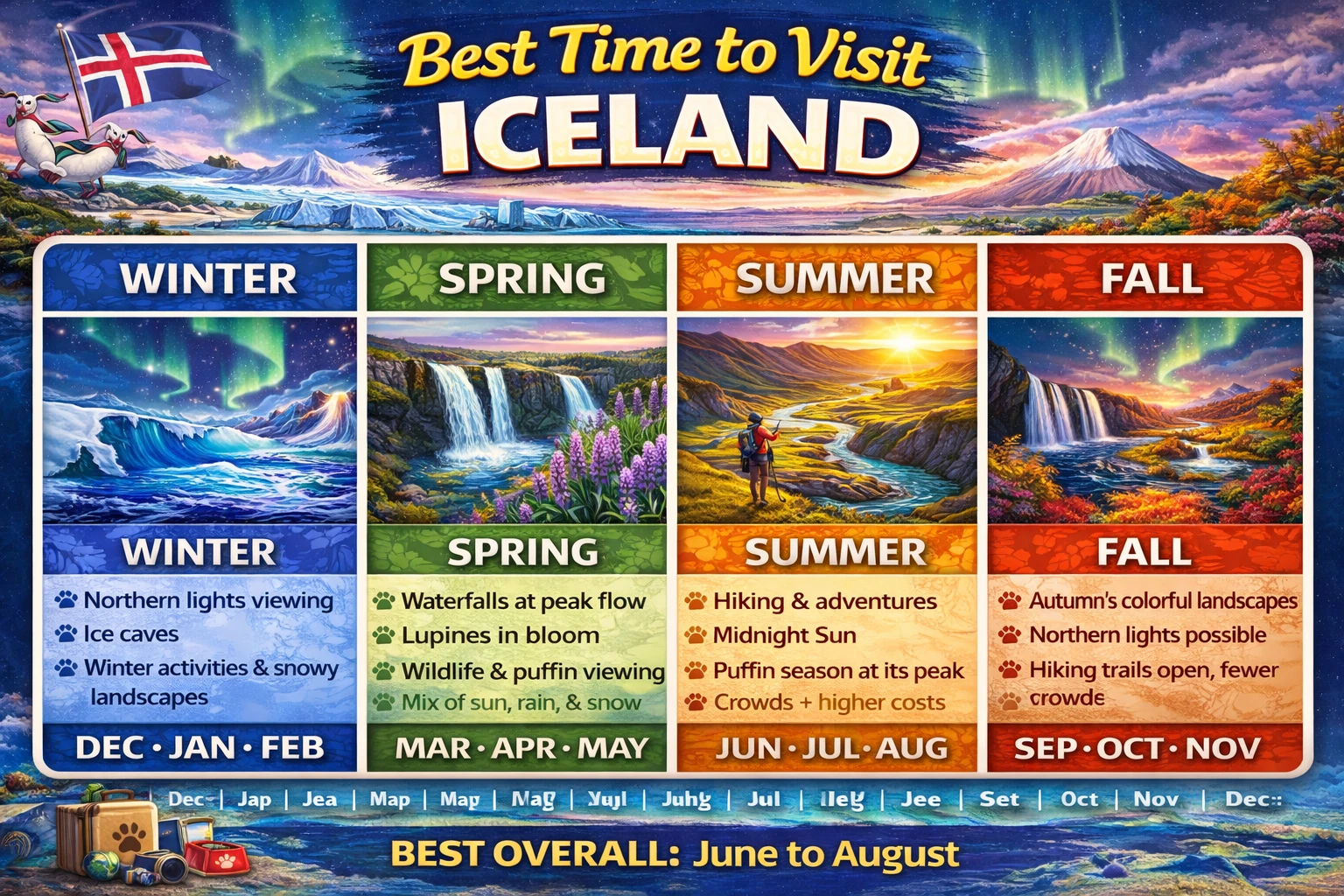
Trying to decide when to plan your Icelandic adventure can feel overwhelming with so many seasonal wonders to consider. The truth is, the best time to visit Iceland truly depends on what you want to experience, as the country transforms dramatically with each season. From the midnight sun to the northern lights, each month offers a unique set of adventures and challenges. This guide breaks down the entire year to help you pinpoint your perfect Icelandic moment.
Finding the Best Time to Visit Iceland for You
Iceland isn’t a one-size-fits-all destination; your ideal time hinges entirely on your travel dreams. The best time to visit Iceland for hiking under the midnight sun is vastly different from the prime season for chasing the aurora borealis in winter darkness. We’ll explore each month’s unique character, weather patterns, and signature events for 2026, helping you match the season to your personal adventure checklist.
1. January: For Aurora Hunters & Winter Purists
Best for: Northern lights chasers, budget travelers, and those seeking a true winter wonderland.
January is Iceland at its most starkly beautiful and challenging. With only 4-5 hours of daylight, it’s prime time for northern lights tours, which have a high probability on clear, cold nights. The landscape is a monochrome masterpiece of snow and ice, perfect for visiting frozen waterfalls like Skógafoss or exploring ice caves in Vatnajökull National Park (book tours well in advance). It’s the coldest month, with average temperatures hovering around -2°C to 2°C (28-36°F), so packing serious thermal layers is non-negotiable. The upside? It’s one of the least expensive times to visit, with lower flight and accommodation prices outside of the New Year’s period.
Key Consideration: Daylight is extremely limited, so you must plan activities efficiently. Many highland roads and some rural routes are impassable.
2. February: Winter Festivals & Frozen Adventures
Best for: Festival-goers, photographers, and ice cave enthusiasts.
Similar to January but with slightly more daylight (7-8 hours), February is a fantastic winter month. It hosts unique events like the Winter Lights Festival in Reykjavík (early Feb), where the city is illuminated with art installations. The weather is still firmly winter, keeping the ice caves stable and spectacular. This is a great month for a guided glacier hike on Sólheimajökull or a visit to the Blue Lagoon, where steaming geothermal waters contrast beautifully with the chilly air. Be prepared for potential storms, but the reward is fewer crowds at major sights like the Golden Circle.
Key Consideration: Rental car travel requires confidence and a 4×4 vehicle. Always check [Road.is](https://road.is) for conditions.
3. March: The Cusp of Seasons
Best for: Travelers wanting a mix of winter and spring, and last-chance aurora viewing.
March is a transitional sweet spot. You still have a very good chance of seeing the northern lights (with about 11-13 hours of darkness), yet daylight is increasing rapidly, allowing for more sightseeing. The snow begins to soften, and you might experience all four seasons in a single day. It’s an excellent time for snowmobiling or visiting the Diamond Beach, where icebergs from Jökulsárlón glacier lagoon wash onto the black sand. The famous Food and Fun Festival also takes place in Reykjavík, where international chefs create gourmet dishes from local ingredients.
Key Consideration: Weather is highly unpredictable—pack for everything from sunshine to blizzards.
March: The Cusp of Seasons can be a strong window for travelers planning the when to visit iceland: northern lights, midnight sun, and more in 2026, especially if you care about the balance between weather, crowds, and overall comfort. Conditions during this period often shape trail access, sightseeing quality, hotel pricing, and how easy it is to enjoy the destination at a relaxed pace.
For many visitors, march: the cusp of seasons is best when the goal is matching the trip to your priorities. If you plan around sunrise activities, flexible bookings, and the most popular attractions, this timing can help you get a more rewarding and better organized trip.
4. April: Spring Awakening & Easter Celebrations
Best for: Birdwatchers, road trippers (as roads begin to open), and those seeking longer days.
Spring officially arrives in April, bringing 14-16 hours of daylight and melting snow at lower elevations. The northern lights season winds down as the nights get brighter. This is when puffins begin to return to coastal cliffs (late April), and migratory birds fill the skies. Easter is a major holiday in Iceland, with unique traditions and festive meals. While the highlands are still closed, the Ring Road and south coast become more accessible for a self-drive tour. Waterfalls are incredibly powerful with spring meltwater.
Key Consideration: The “shoulder season” offers a good balance of improving weather and manageable tourist numbers before the summer peak.
April: Spring Awakening & Easter Celebrations can be a strong window for travelers planning the when to visit iceland: northern lights, midnight sun, and more in 2026, especially if you care about the balance between weather, crowds, and overall comfort. Conditions during this period often shape trail access, sightseeing quality, hotel pricing, and how easy it is to enjoy the destination at a relaxed pace.
For many visitors, april: spring awakening & easter celebrations is best when the goal is matching the trip to your priorities. If you plan around sunrise activities, flexible bookings, and the most popular attractions, this timing can help you get a more rewarding and better organized trip.
5. May: The Green Returns
Best for: Hikers, nature lovers, and photographers celebrating the end of winter.
May is when Iceland turns lush and green almost overnight. With up to 18 hours of daylight and average temps of 4-8°C (39-46°F), it’s a glorious month for exploration. Most highland roads remain closed, but all major attractions on the Ring Road are accessible. It’s perfect for hiking in places like Snæfellsnes Peninsula or exploring the geothermal area of Landmannalaugar (if accessible by super jeep). Tourist crowds are still relatively light compared to June-August, making it a peaceful time to visit.
Key Consideration: The midnight sun effect begins late in the month. Bring a sleep mask to help with the constant daylight.
May: The Green Returns can be a strong window for travelers planning the when to visit iceland: northern lights, midnight sun, and more in 2026, especially if you care about the balance between weather, crowds, and overall comfort. Conditions during this period often shape trail access, sightseeing quality, hotel pricing, and how easy it is to enjoy the destination at a relaxed pace.
For many visitors, may: the green returns is best when the goal is matching the trip to your priorities. If you plan around sunrise activities, flexible bookings, and the most popular attractions, this timing can help you get a more rewarding and better organized trip.
6. June: Midnight Sun & Peak Festival Season
Best for: Party-goers, hikers, and travelers who want 24-hour daylight.
Welcome to the peak of summer! June has nearly 24 hours of daylight around the summer solstice (June 21st). This is the best time to visit Iceland for hiking, camping, and fitting an incredible amount of sightseeing into long days. It’s festival central: Seafarers’ Day (first weekend) features harbor celebrations, and the Secret Solstice music festival rocks Reykjavík. The weather is mild, with averages of 9-13°C (48-55°F), but always variable. All highland roads typically open by late June, unlocking the interior’s raw beauty.
Key Consideration: This is the start of peak tourist season. Book everything—cars, accommodations, tours—many months in advance for 2026.
June: Midnight Sun & Peak Festival Season can be a strong window for travelers planning the when to visit iceland: northern lights, midnight sun, and more in 2026, especially if you care about the balance between weather, crowds, and overall comfort. Conditions during this period often shape trail access, sightseeing quality, hotel pricing, and how easy it is to enjoy the destination at a relaxed pace.
For many visitors, june: midnight sun & peak festival season is best when the goal is matching the trip to your priorities. If you plan around sunrise activities, flexible bookings, and the most popular attractions, this timing can help you get a more rewarding and better organized trip.
7. July: Highland Access & Warmest Weather
Best for: Serious hikers, interior explorers, and families.
July is Iceland’s warmest month (avg. 10-14°C / 50-57°F) and the heart of the highland season. Roads to Kerlingarfjöll, Askja, and the Laugavegur hiking trail are open, offering access to some of the planet’s most dramatic landscapes. It’s bustling with activity, from the Reykjavík Pride Parade to various town festivals. Wildlife is abundant, with puffins, whales, and wildflowers everywhere. The endless daylight is exhilarating but can be exhausting; remember to schedule downtime.
Key Consideration: This is the most crowded and expensive month. The famous “Mývatn midges” are also active in the north—pack a head net!
July: Highland Access & Warmest Weather can be a strong window for travelers planning the when to visit iceland: northern lights, midnight sun, and more in 2026, especially if you care about the balance between weather, crowds, and overall comfort. Conditions during this period often shape trail access, sightseeing quality, hotel pricing, and how easy it is to enjoy the destination at a relaxed pace.
For many visitors, july: highland access & warmest weather is best when the goal is matching the trip to your priorities. If you plan around sunrise activities, flexible bookings, and the most popular attractions, this timing can help you get a more rewarding and better organized trip.
8. August: Cultural Events & Whale Watching Peak
Best for: Culture enthusiasts, whale watchers, and festival lovers.
August continues the summer magic but with a slight cooling trend and the return of darkish nights by month’s end. It’s a prime month for whale watching from Húsavík or Reykjavík, as minke and humpback whales are plentiful. Major cultural events include Reykjavík Culture Night and Menningarnótt, a massive free concert and festival. The blueberries and crowberries are ripe for foraging. It’s the last month for reliable highland access before autumn rains and closures begin.
Key Consideration: Weather starts to become more volatile. Some highland routes may close late in the month after heavy rain.
August: Cultural Events & Whale Watching Peak can be a strong window for travelers planning the when to visit iceland: northern lights, midnight sun, and more in 2026, especially if you care about the balance between weather, crowds, and overall comfort. Conditions during this period often shape trail access, sightseeing quality, hotel pricing, and how easy it is to enjoy the destination at a relaxed pace.
For many visitors, august: cultural events & whale watching peak is best when the goal is matching the trip to your priorities. If you plan around sunrise activities, flexible bookings, and the most popular attractions, this timing can help you get a more rewarding and better organized trip.
9. September: Autumn Colors & Northern Lights Return
Best for: Photographers, couples, and travelers seeking fewer crowds with good conditions.
September is a spectacular shoulder season month. The crowds thin, prices drop, and the landscape erupts in fiery autumn hues of red and gold. The northern lights make their grand return to the night sky (from mid-month onward) as darkness increases. The weather is still relatively mild, though increasingly rainy and windy. It’s an ideal time for a scenic drive along the Ring Road to witness the dramatic seasonal change and for soaking in geothermal pools like the Secret Lagoon as the air chills.
Key Consideration: Highland roads close early in the month. Always have a flexible itinerary due to increasing storm chances.
September: Autumn Colors & Northern Lights Return can be a strong window for travelers planning the when to visit iceland: northern lights, midnight sun, and more in 2026, especially if you care about the balance between weather, crowds, and overall comfort. Conditions during this period often shape trail access, sightseeing quality, hotel pricing, and how easy it is to enjoy the destination at a relaxed pace.
For many visitors, september: autumn colors & northern lights return is best when the goal is matching the trip to your priorities. If you plan around sunrise activities, flexible bookings, and the most popular attractions, this timing can help you get a more rewarding and better organized trip.
10. October: Stormy Skies & Aurora Intensity
Best for: Northern lights photographers and travelers embracing dramatic weather.
October is all about moody atmosphere. Storms are frequent, creating ever-changing, dramatic light perfect for photography. With about 10 hours of daylight and long, dark nights, aurora hunting becomes a primary activity. It’s a great time to cozy up in a countryside cabin with a hot tub. The Iceland Airwaves music festival in Reykjavík (dates TBA for 2026) is a major draw. Ice cave tours in the south typically begin operations again. Temperatures drop to 2-6°C (36-43°F).
Key Consideration: Road conditions can deteriorate quickly. A 4×4 is recommended, and travel insurance is a must.
October: Stormy Skies & Aurora Intensity can be a strong window for travelers planning the when to visit iceland: northern lights, midnight sun, and more in 2026, especially if you care about the balance between weather, crowds, and overall comfort. Conditions during this period often shape trail access, sightseeing quality, hotel pricing, and how easy it is to enjoy the destination at a relaxed pace.
For many visitors, october: stormy skies & aurora intensity is best when the goal is matching the trip to your priorities. If you plan around sunrise activities, flexible bookings, and the most popular attractions, this timing can help you get a more rewarding and better organized trip.
11. November: Deep Winter & Cosy Darkness
Best for: Travelers seeking extreme winter ambiance, hot spring lovers, and budget-conscious visitors.
Winter tightens its grip in November. Daylight shrinks to 6-7 hours, and the first consistent snows blanket the country. It’s a wonderfully cozy time to visit geothermal pools and spas. The Christmas spirit begins early, with Reykjavík twinkling with lights. It’s an excellent, affordable time for a guided multi-day tour, letting experts handle the logistics of winter travel. Ice caves are now fully accessible, and glacier hikes are spectacular against the deep winter backdrop.
Key Consideration: Self-driving requires extreme caution and experience with winter conditions. Many tour operators shift to winter-specific itineraries.
November: Deep Winter & Cosy Darkness can be a strong window for travelers planning the when to visit iceland: northern lights, midnight sun, and more in 2026, especially if you care about the balance between weather, crowds, and overall comfort. Conditions during this period often shape trail access, sightseeing quality, hotel pricing, and how easy it is to enjoy the destination at a relaxed pace.
For many visitors, november: deep winter & cosy darkness is best when the goal is matching the trip to your priorities. If you plan around sunrise activities, flexible bookings, and the most popular attractions, this timing can help you get a more rewarding and better organized trip.
12. December: Christmas Magic & Polar Nights
Best for: Families, Christmas enthusiasts, and those celebrating the solstice.
December is pure magic. The Christmas season is taken seriously, with 13 mischievous “Yule Lads,” festive markets, and unique traditions. Around the winter solstice (Dec 21st), there are only about 4 hours of dim daylight—a truly ethereal experience. The chance of seeing the northern lights dancing over snow-covered landscapes is high, weather permitting. New Year’s Eve in Reykjavík is legendary, with a massive, decentralized fireworks display. It’s a time for warmth, celebration, and embracing the deep winter.
Key Consideration: The holiday period (Dec 23-Jan 2) is extremely busy and expensive—book a year in advance. Daylight is minimal, so plan activities around the light.
December: Christmas Magic & Polar Nights can be a strong window for travelers planning the when to visit iceland: northern lights, midnight sun, and more in 2026, especially if you care about the balance between weather, crowds, and overall comfort. Conditions during this period often shape trail access, sightseeing quality, hotel pricing, and how easy it is to enjoy the destination at a relaxed pace.
For many visitors, december: christmas magic & polar nights is best when the goal is matching the trip to your priorities. If you plan around sunrise activities, flexible bookings, and the most popular attractions, this timing can help you get a more rewarding and better organized trip.
Conclusion
So, when is the best time to visit Iceland in 2026? If you dream of hiking under the midnight sun, aim for June or July. If the northern lights are your priority, target September through March. For the best balance of good weather, fewer crowds, and decent prices, the shoulder months of May and September are hard to beat. Ultimately, there’s no wrong time—only different versions of this incredible country. Your perfect time is the one that aligns with the Icelandic experience you’re yearning to have. Start planning early, especially for 2026, as this destination continues to grow in popularity.
similar posts
Where to Stay in San Diego in 2026: Best Neighborhoods & Hotels
17 Essential Travel Photography Tips for 2026: Capture Your Adventures Like a Pro
The Ultimate Guide to the Top 10 Places to Visit in the World in 2026
15 Essential Business Travel Tips for 2026: Work Smarter on the Road
15 Must-See Places to Visit in the US in 2026
Best Time to Visit the Grand Canyon in 2026