
44 Things to Do in Atlanta: Top Attractions, Parks, Food & More

things to do in atlanta range from world‑class museums to hidden street art, and this guide compiles a must‑do list that lets you explore the city with confidence and excitement. Inside, you’ll find Atlanta’s top attractions, vibrant culture, unusual things to discover, and the best spots for bars & nightlife, all organized so you can plan each day without missing a beat.
From the booming skyline where modern buildings meet historic landmarks, to the beautiful city parks that light up children’s eyes, this article covers everything an art aficionado or adventure seeker might crave. Expect detailed looks at the best museums, local treasures, family‑friendly outings, and even the best hotels for a comfortable stay, plus insider tips on catching yourself in Atlanta’s real pulse of Southern hospitality.
1. Georgia Aquarium
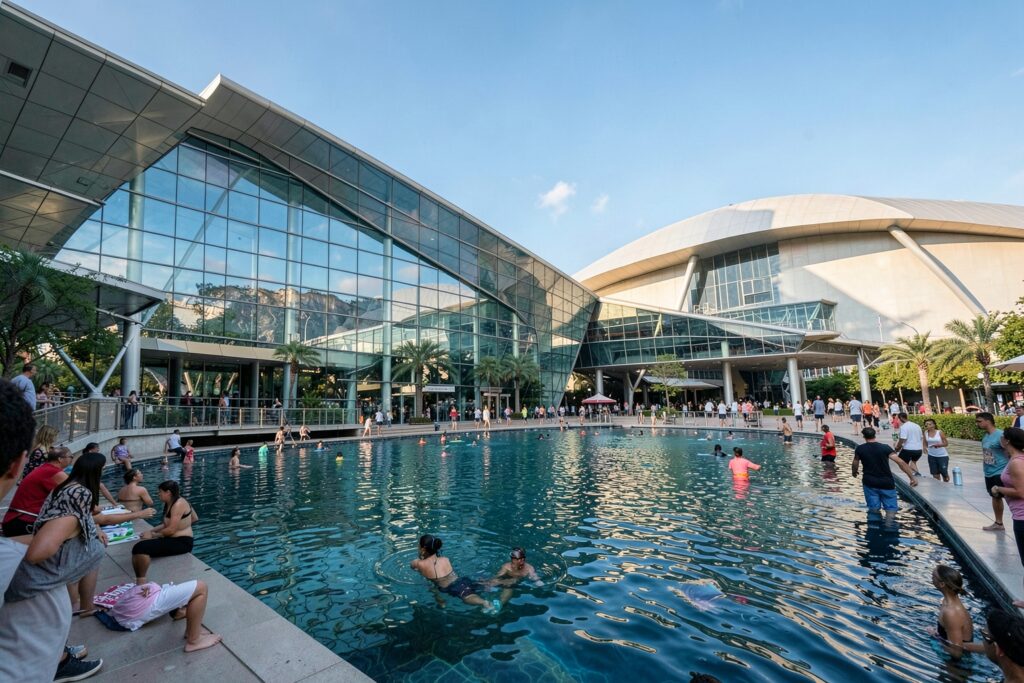
The Georgia Aquarium stands as one of the most iconic attractions in Atlanta, drawing visitors from across the United States and beyond. Located in downtown Atlanta near Centennial Olympic Park, this massive aquarium houses thousands of marine animals across expansive themed galleries. A walk through the transparent tunnel places you beside whale sharks, manta rays, and colorful fish, creating a truly immersive experience.
Beyond the main exhibits, guests can explore Ocean Voyager, the largest open‑air tank in the Western Hemisphere, where you can watch whale sharks glide overhead. Interactive programs such as animal encounters and live presentations make it a perfect indoor date or family outing. For those seeking a deeper dive, the Explorers Cove offers behind‑the‑scenes tours, and the Sleepover Under the Sea experience lets adventurous travelers spend a night among the marine life. The aquarium even hosts a penguin exhibit during the winter months, a surprise for visitors who expect only tropical species.
Tickets start at $54.99 for adults, with children under two admitted free. The aquarium is open daily from 9 am to 9 pm, and a CityPASS can provide a discount for those planning a Georgia Aquarium trip alongside other Atlanta attractions. Whether you have a few hours or a full day, the Georgia Aquarium is a must‑see item on any list of things to do in Atlanta.
2. Atlanta BeltLine
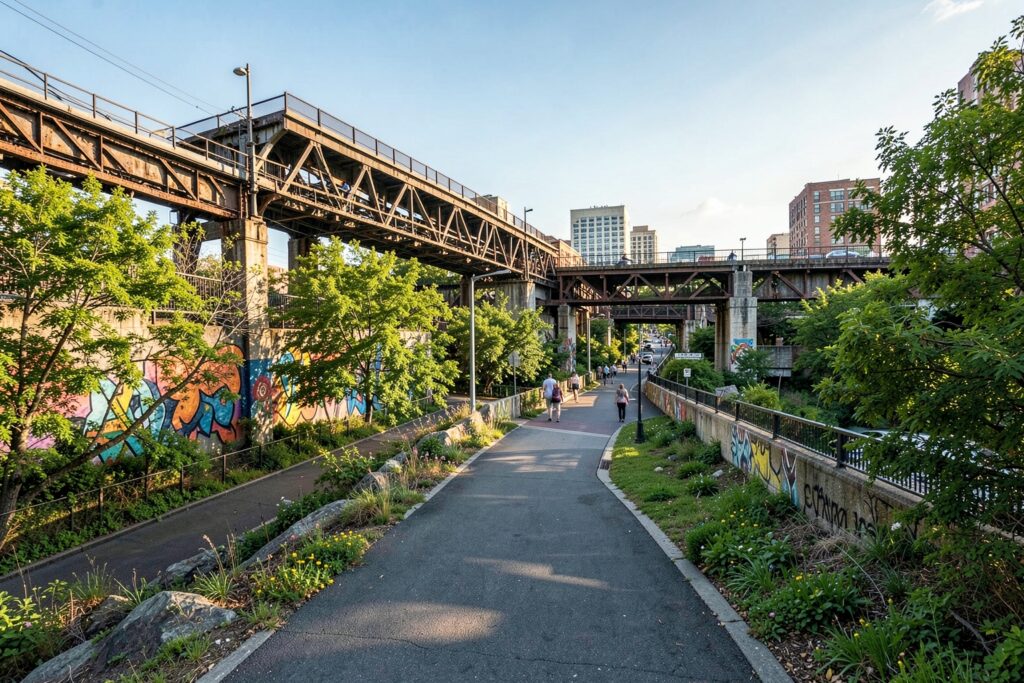
The Atlanta BeltLine is a multi‑use trail that has transformed old railway corridors into a vibrant network of public spaces. Stretching through several neighborhoods, it connects parks, public art installations, restaurants, and local markets, offering a casual outdoor setting for active travelers. The trail’s year‑round accessibility invites solo explorers, couples on an outdoor date, and families alike, and its routes are ideal for spotting the city’s quirky blend of street art and historic buildings.
The Eastside Trail is especially popular, winding past the bustling Krog Street Market and the iconic Krog Street Tunnel. Along the route, public art pops up at every turn, from large murals to whimsical sculptures, providing endless photo ops. Food stands and boutique shops line the path, and the nearby Skyline Park offers carnival‑style games and cocktails with city views. If you’re looking for a place to enjoy the skyline photo at early evening, the Eastside Trail is perfect.
Bike rentals, Uber, and Lyft make it easy to hop on the BeltLine, while the trail’s year‑round accessibility invites solo explorers, couples on an outdoor date, and families alike. With four main trails (Northside, Eastside, Southside, and Westside) plus interim connectors, the BeltLine offers a beautiful view of Atlanta’s skyline and a truly local perspective on the city. The Southside Trail, for example, leads to the vibrant Southside and Westside neighborhoods, where street art and history tours reveal the city’s colorful past.
3. Atlanta Botanical Garden
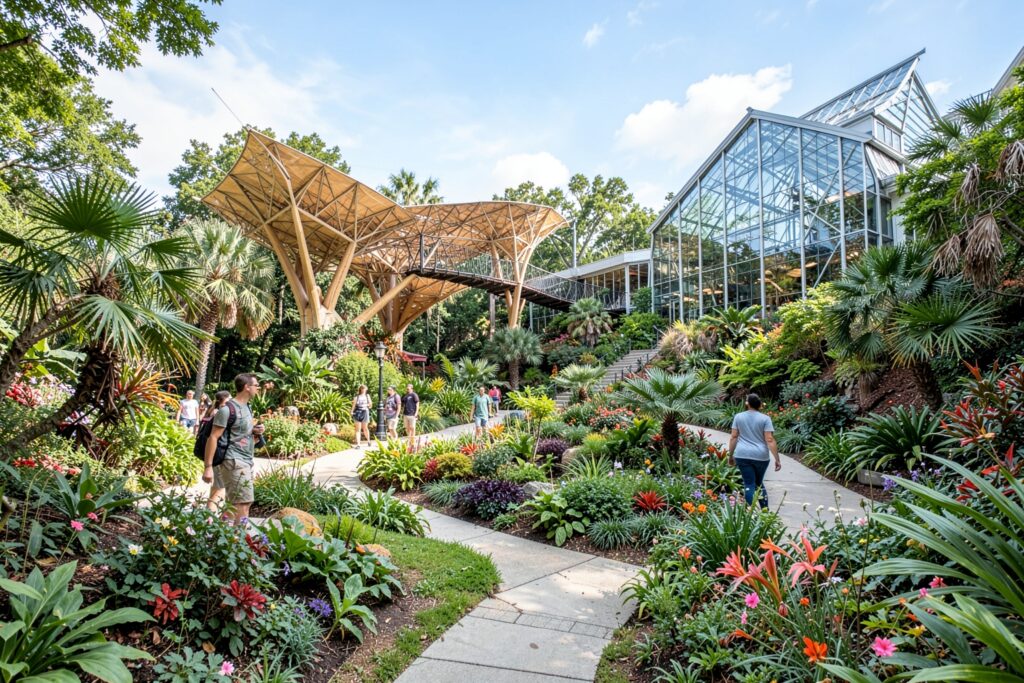
Set at the edge of Piedmont Park in Midtown Atlanta, the Atlanta Botanical Garden spans 30 acres of verdant landscapes, making it a top choice for things to do in Atlanta when you crave a break from city life. Highlights include the Fuqua Orchid Center, home to the largest orchid collection in the Southeast, and the stunning Chihuly glasswork exhibition. The garden also features a Japanese Garden, a garden lights display that comes alive in the evening, and the Fuqua Orchid Centre’s dedicated children’s area.
Visitors can wander the Canopy Walk, a suspended trail that offers a bird’s‑eye view of native plants and flowering gardens. The Children’s Garden provides interactive elements for younger guests, while Alice’s Wonderland Returns invites guests to step into Lewis Carroll’s classic tales. Seasonal events such as Holiday Nights and the annual bloom of cherry blossoms add extra charm throughout the year, especially during early March when the blossoms paint the pathways.
Admission varies by age, with adult tickets and discounted rates for seniors and children. The garden opens from 9 am to 9 pm Tuesday through Sunday and is closed on Mondays. Whether you’re exploring the Great Lawn, strolling the Ann Cox Chambers Flower Walk, or attending a tai‑chi class, the Botanical Garden offers a peaceful oasis amid the urban hustle. The garden’s expansive gardens also make it a great spot for a picnic when the weather is ideal.
4. Ponce City Market
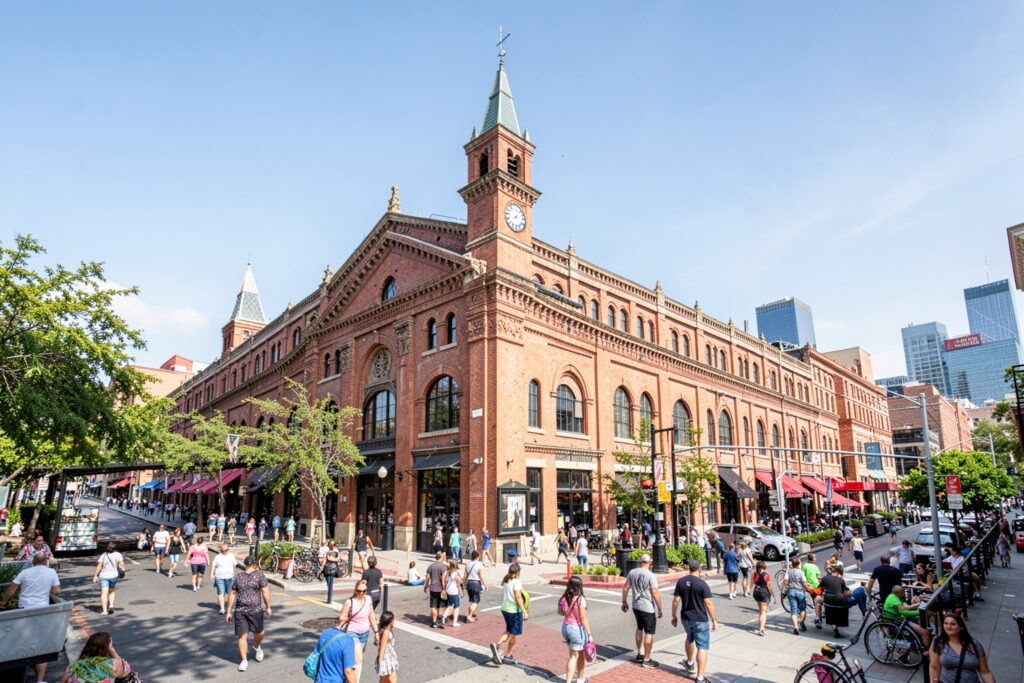
Ponce City Market (PCM) sits inside a massive former Sears catalogue factory in the Old Fourth Ward, accessed directly from the Atlanta BeltLine Eastside Trail. This renovated building now serves as a bustling community hub, featuring multiple floors of food, shopping, and entertainment. The market’s layout mirrors the old factory’s industrial charm, with high ceilings and exposed brick.
The lower level houses Atlanta’s largest food hall, where you can sample cuisines from around the world, try the famous burger at H&F or savor tacos at Ocho Margaritas. Boutique shops like Mifland offer leather goods, and the rooftop Skyline Park provides carnival‑style games, a cocktail bar, and sweeping city views. The rooftop also hosts pop‑up events such as a jellyfish-themed light show during the summer, a nod to the aquarium’s aquatic wonder.
5. Fox Theatre
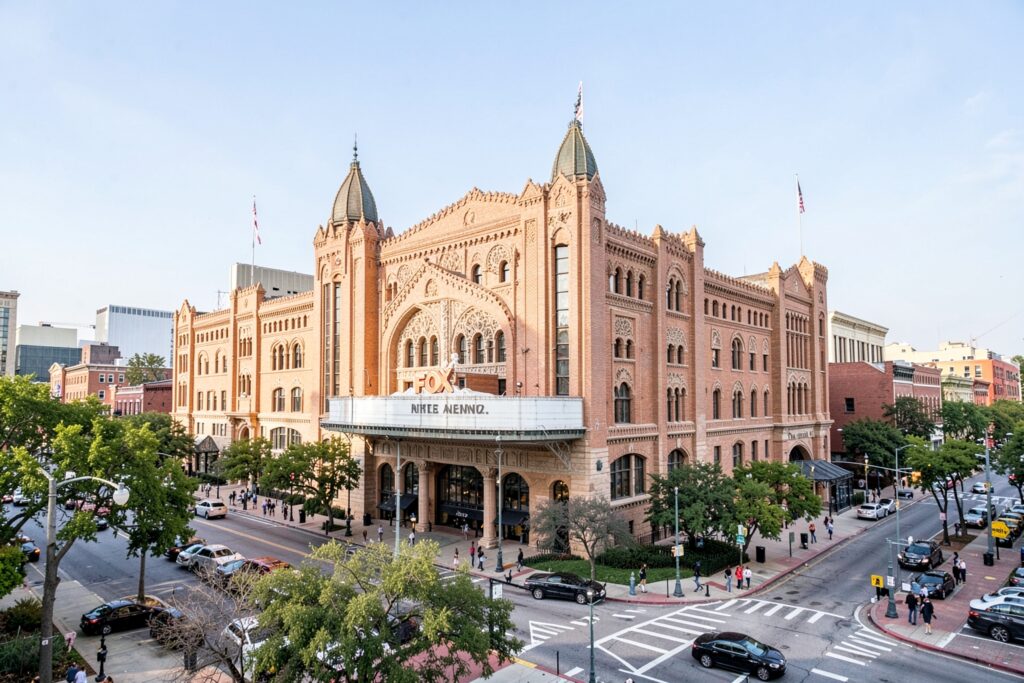
The Fabulous Fox Theatre, often simply called of The Fox, is a beloved fixture of Atlanta’s entertainment scene. The building itself is a masterpiece, with design inspired by the Moorish Revival style and a stunning architecture that rivals any European palace. Its star‑lit ceiling, intricate plasterwork, and towering arches create a full atmosphere for every evening experience.
Beyond the classic shows, the Fox hosts festive productions throughout its touring seasons, offering performance enthusiasts a chance to enjoy Broadway hits, concerts, and comedy on Thursdays and Saturdays. The venue’s Lexus Marquee Club and bar provide an elegant space for a pre‑show cocktail, while the Tiny Door at the lobby, known to locals as Tiny Doors ATL, adds a whimsical touch that delights visitors of all ages.
Tickets range in USD and adult tickets are required for ages watching, but the box office often offers discounts for couples planning a memorable evening. Whether you attend a concert on Mondays or a special event on a Friday, the iconic entertainment offered at the Fox guarantees a night you’ll remember.
6. Dr Martin Luther King Jr Memorial
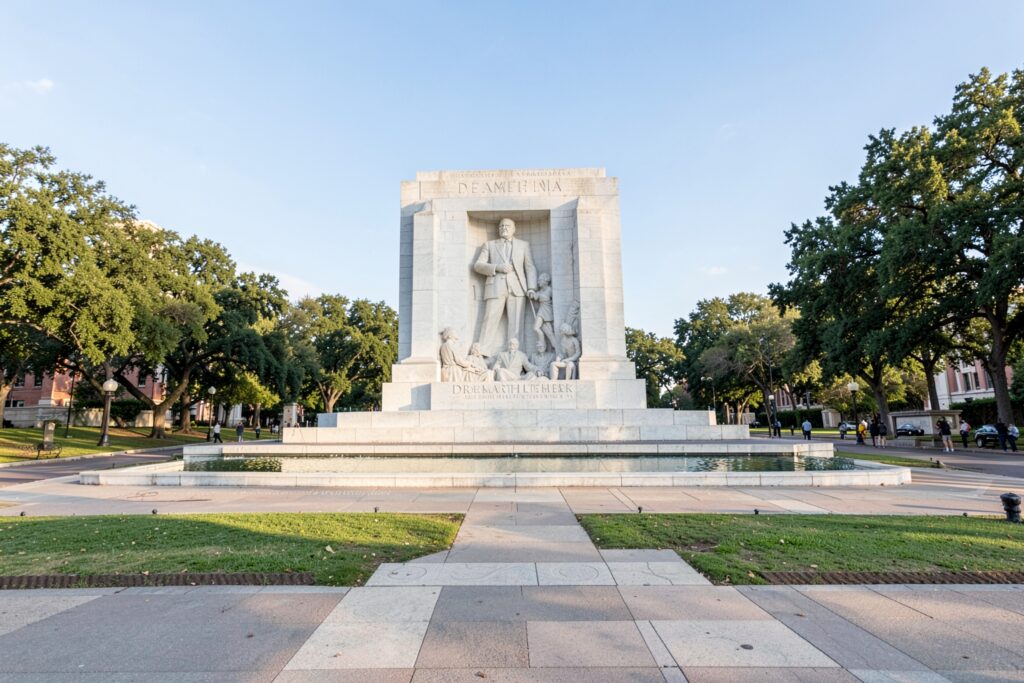
The Martin Luther King Jr. National Historical Park, centered on Auburn Ave & Jackson St, includes the King Centre, the Coretta Scott King home, and the tomb where Dr. and Mrs. King rest. Visitors can see the actual footprints of the civil‑rights leader, the serene water surrounding his tomb, and the inspiring “I Have a Dream” mural that quietly reflects his pivotal history.
Inside the King Centre, the Center for Nonviolent Social Change displays different exhibits that highlight America’s civil rights movement, with sections devoted to Maya Angelou, Stevie Wonder, and other famous individuals who marched alongside Dr. King. The site is completely free, and the walking tour can easily spend a whole morning exploring the birth home, the historic church, and the National Historic Sites managed by the National Park Service.
For travelers looking for a deeper connection, the park’s International World Peace Rose Garden and the Eternal Flame offer a surprisingly moving place to pause. Book tours at the box office, and be sure to check the schedule for special events that often occur in March to honor Dr. King’s legacy.
7. World of Coca-Cola
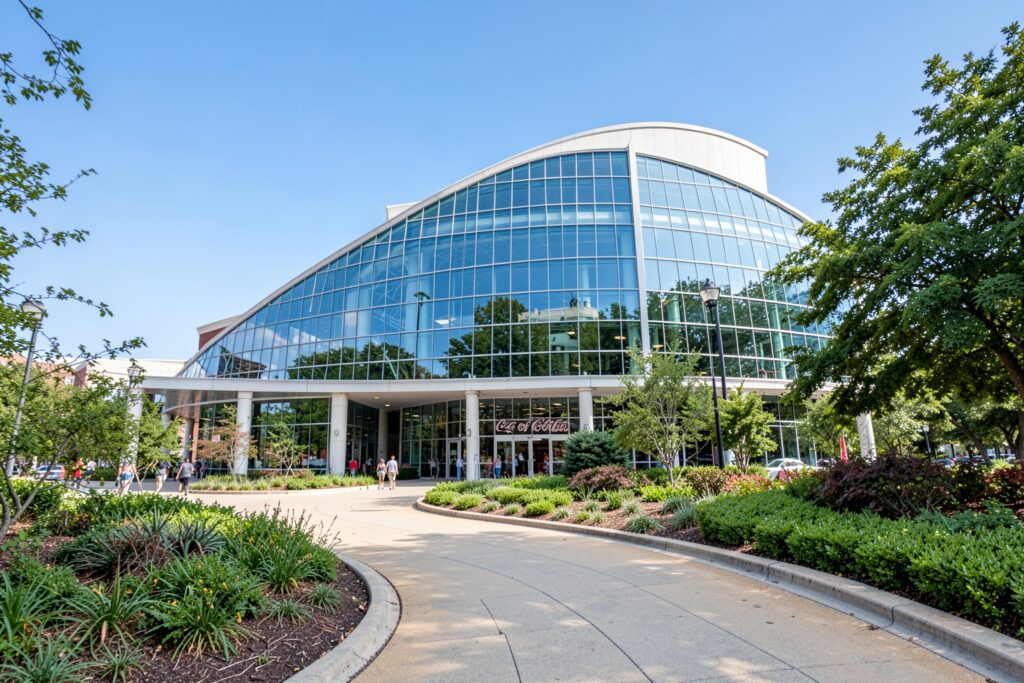
The World of Coca‑Cola celebrates the global brand’s iconic history with interactive exhibits that trace the beverage’s journey from its Atlanta roots to worldwide fame. Visitors can explore displays of vintage advertisements, the secret formula, and the brand’s well‑guarded marketing strategies, all housed within expansive interiors that showcase the company’s influence on pop culture.
Highlights include the Beverage Lab and Taste It area, where guests can sample fizzy beverages from around the world, over 100 flavors from more than 30 countries, including Fanta, Nestea, and Italy’s iconic drinks. The tasting room even offers a “Taste Test” challenge that lets you compare the classic Coca‑Cola formula with new blends, making it a favorite highlight for soda lovers.
Operating daily from 10 a.m. to 9 p.m., the museum provides a hands‑on beverage experience that is both educational and fun. Admission prices are flexible, and CityPASS holders can enjoy extra money saved on tickets. The iconic polar bear sculpture, interactive displays, and the “World of Coca‑Cola” vault create an engaging stop that perfectly complements any Atlanta itinerary.
8. High Museum of Art
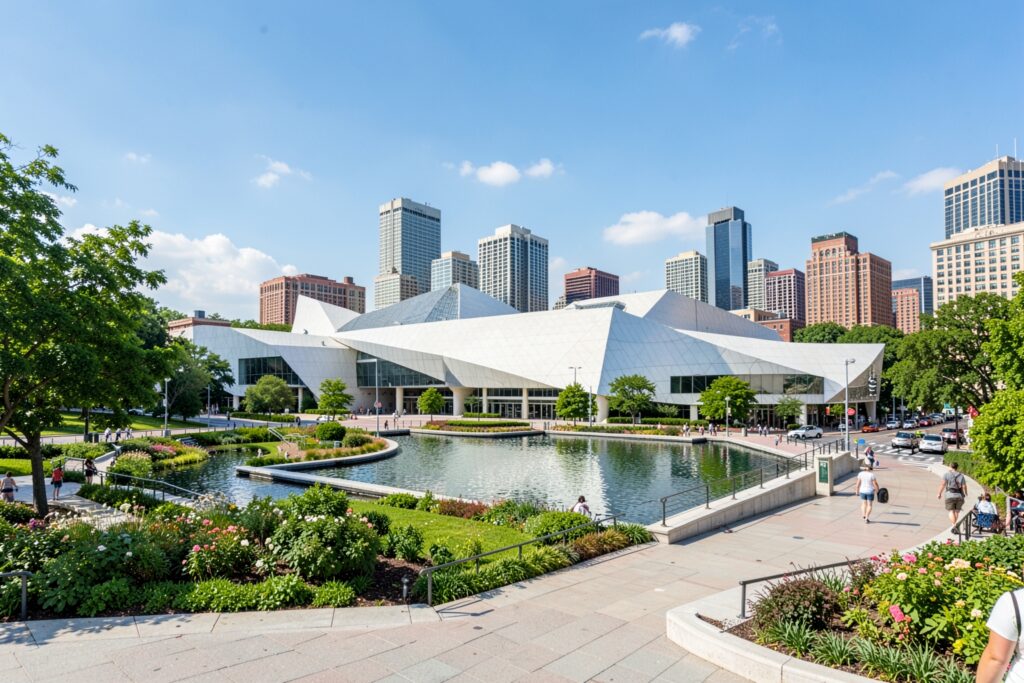
The High Museum of Art stands as a cultural landmark in Atlanta’s arts district, offering an elegant space where folk art, European masterpieces, and contemporary works intersect. Its modern white façade, designed by Renzo Piano and Richard Meier, is a striking example of contemporary architecture that invites visitors to explore its expansive galleries.
Inside, guests can admire decorative art from Auguste Rodin, Claude Monet, and the bold‑faced names of modern artists, as well as special exhibitions featuring folk art from Africa and Europe. The museum’s extensive permanent collection includes works by Camille Pissarro, Eugène Boudin, and the renowned photographer Dawoud Bey, providing an excellent selection for art enthusiasts.
For those seeking a creative date or a cultural deep dive, the High offers insightful workshops, exclusive displays, and major traveling exhibitions that draw crowds throughout the year. Whether you’re a performance enthusiast or a lover of visual art, the museum’s engaging exhibitions make it a must‑see stop on any list of things to do in Atlanta.
9. The National Center for Civil and Human Rights
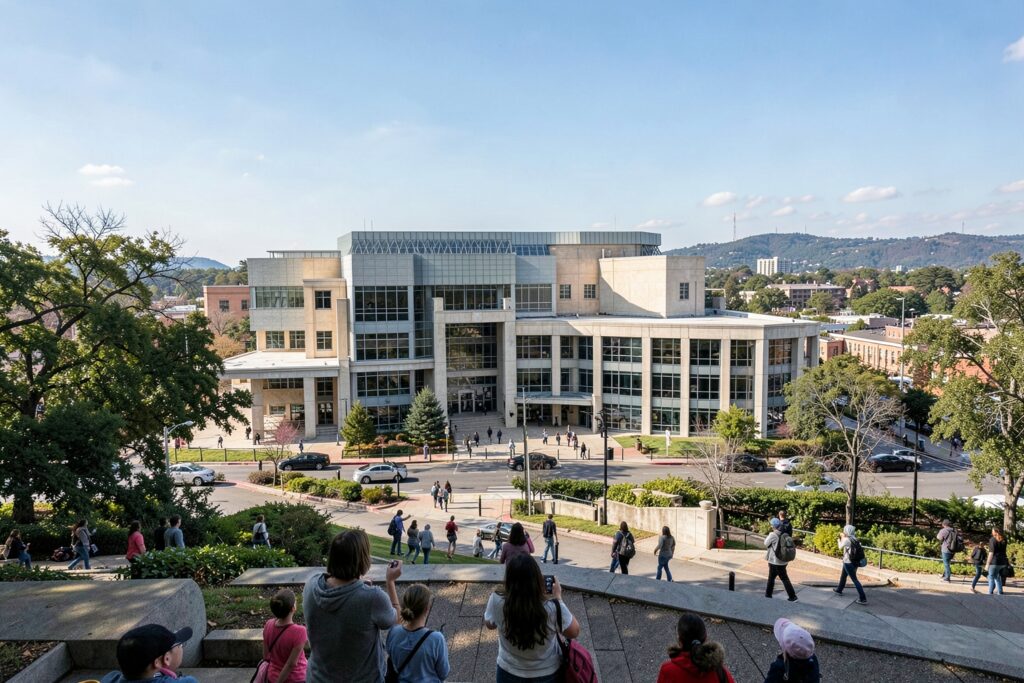
The National Center for Civil and Human Rights stands as a powerful narrative of the American Civil Rights Movement, located in downtown Atlanta. The museum educates visitors with immersive exhibits that link Atlanta’s pivotal role in fighting for equality to contemporary struggles for a better future. The modern building, designed by HOK and Perkins+Will, features a glass front and curved walls that frame the city’s skyline, allowing daylight to illuminate stories of Freedom Riders and the Jim Crow era, and the global human rights movement. The center’s architectural elements inspire positive reflection on the city’s important roots and its intertwines with civil liberties worldwide.
Opening hours are 10 am to 5 pm Monday through Saturday and 12 pm to 5 pm on Sunday. Admission is free, but it is recommended to reserve tickets online for the guided tours that explore the main exhibits, including interactive displays on the National Mall and the impact of the civil rights era on Washington and beyond. The museum also hosts performances, lectures, and programs for all ages, making it a must‑see for anyone looking to deepen their understanding of civil rights history while enjoying the city’s vibrant cultural scene.
With an Atlanta CityPASS discount available, the center offers a unique opportunity for visitors to combine learning with other local attractions. The museum’s location in downtown Atlanta places it near the Atlanta Botanical Garden, the Loraine Hotel, and other historic sites, creating a cohesive itinerary for those interested in the city’s heritage and its ongoing commitment to justice and dignity for all. The center also highlights the legacy of figures such as Martin Luther King Jr., whose life and legacy resonate throughout the exhibits and the broader community of Atlanta.
10. Oakland Cemetery
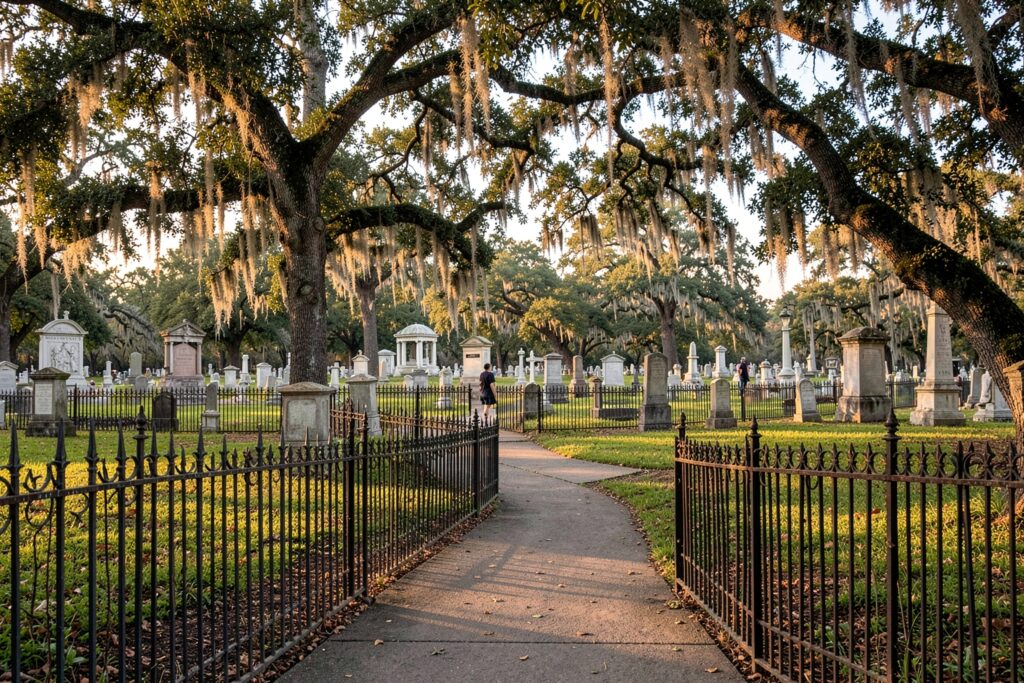
Oakland Cemetery, established in 1850, is one of Atlanta’s most historic public parks and a beloved final resting place for over 70,000 souls. Spanning 48 acres, the cemetery features Victorian gardens, long‑standing magnolias, and stone monuments that create a serene setting for reflection. Notable figures interred here include country superstar Kenny Rogers, golfer Bobby Jones, Pulitzer Prize‑winning author Margaret Mitchell, who penned Gone with the Wind, and the late civil rights activist Martin Luther King Jr., whose legacy is celebrated in a dedicated memorial.
Admission is free and the grounds are open daily from 10 am to 5 pm. Visitors can enjoy self‑directed tours along miles of walking trails that weave between headstones and decorative sculptures, or join guided tours that delve into the rich history of Atlanta’s past residents. The cemetery’s proximity to Grant Park and the Hartsfield‑Jackson Atlanta International Airport makes it an accessible stop for travelers seeking a quiet escape within the city.
Oakland Cemetery’s picturesque backdrop, complete with the downtown skyline in the distance, offers a unique blend of history, culture, and natural beauty, an ideal spot for those looking to experience a different facet of Atlanta’s heritage while exploring the city’s many attractions. The cemetery also hosts occasional summer concerts and memorial services that honor the city’s African‑American leaders and the ongoing pursuit of justice.
11. Piedmont Park
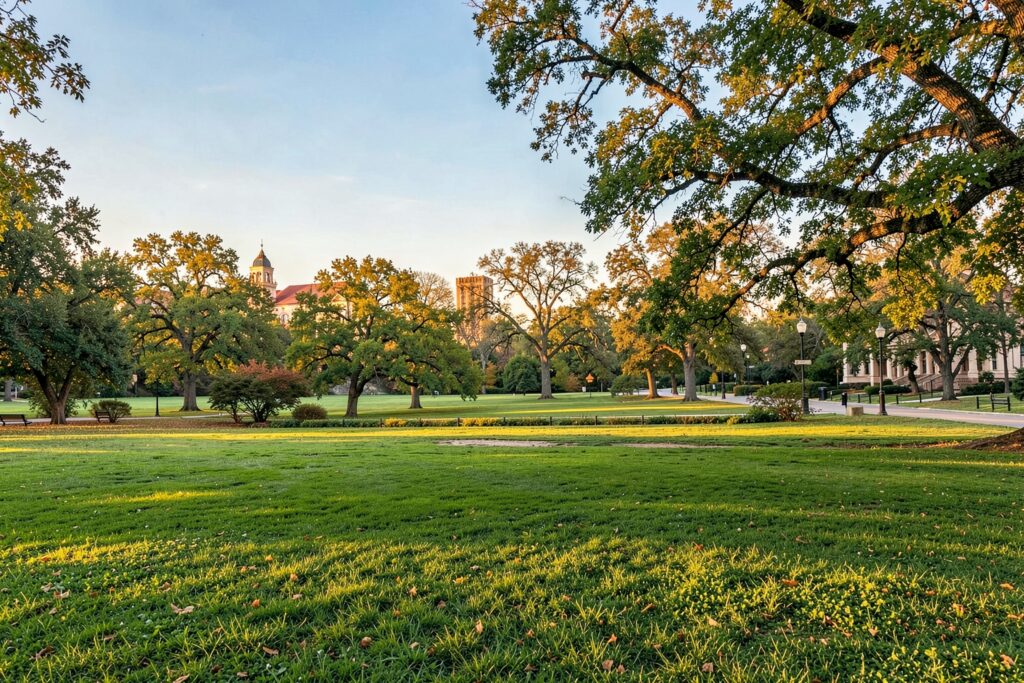
Piedmont Park is Atlanta’s most scenic green space, spanning more than 200 acres in the heart of Midtown. The park’s open lawns, walking trails, and sports fields provide a perfect backdrop for picnics, strolls, and community events. Its location along the Atlanta BeltLine gives visitors direct access to a vibrant urban trail network that connects to the Atlanta Botanical Garden and other neighborhood hotspots, including the iconic Krog Street Market.
Open daily from 6:00 am to 11:00 pm with free entry, Piedmont Park hosts major festivals, farmers markets, and community gatherings throughout the year, drawing thousands of locals and visitors alike. The park’s skyline views of Midtown offer a stunning canvas for sunset photos, while the nearby restaurants (such as Flying Biscuit, Shake Shack, and There’s Park Tavern) add culinary charm to the experience. The park also features a public swimming pool, tennis courts, and dog park, making it a favorite for families and pet owners.
Whether exploring the main loop, enjoying a game of soccer, or simply taking in the city’s iconic vistas, Piedmont Park embodies Atlanta’s outdoor lifestyle and is a key destination for anyone seeking to soak up the city’s vibrant atmosphere. The park’s seasonal local farmers market provides fresh produce and crafts, inviting guests to taste the flavors of the region and support local growers.
12. Krog Street Market
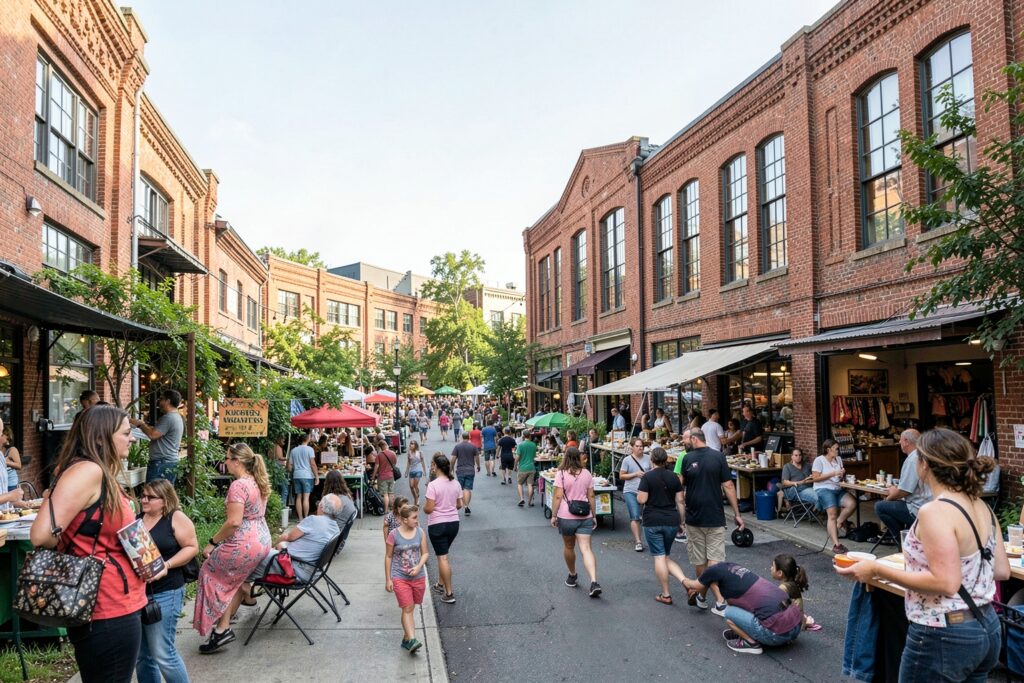
Krog Street Market is one of Atlanta’s most popular food halls, located along the Atlanta BeltLine in the historic Inman Park neighborhood. Set inside an old Atlanta Stone Works building from 1889, the market brings together local chefs, specialty vendors, and creative food concepts under one roof, offering everything from Southern comfort dishes to international flavors. The market’s lively energy and relaxed atmosphere reflect Atlanta’s reputation as a food‑forward city.
Visitors can wander through stalls that sell fresh produce, bao buns, barbecue, and sweet treats, making it an ideal spot for a casual date or a quick lunch during a day of exploring the city’s growing cultural scene. The market also features a small craft beer bar and a selection of artisanal cheeses, inviting food lovers to indulge in the city’s vibrant culinary scene. Pet owners should note that Krog Street Market is strictly a pet‑free space, ensuring a clean and safe environment for all guests.
13. Fernbank Museum of Natural History
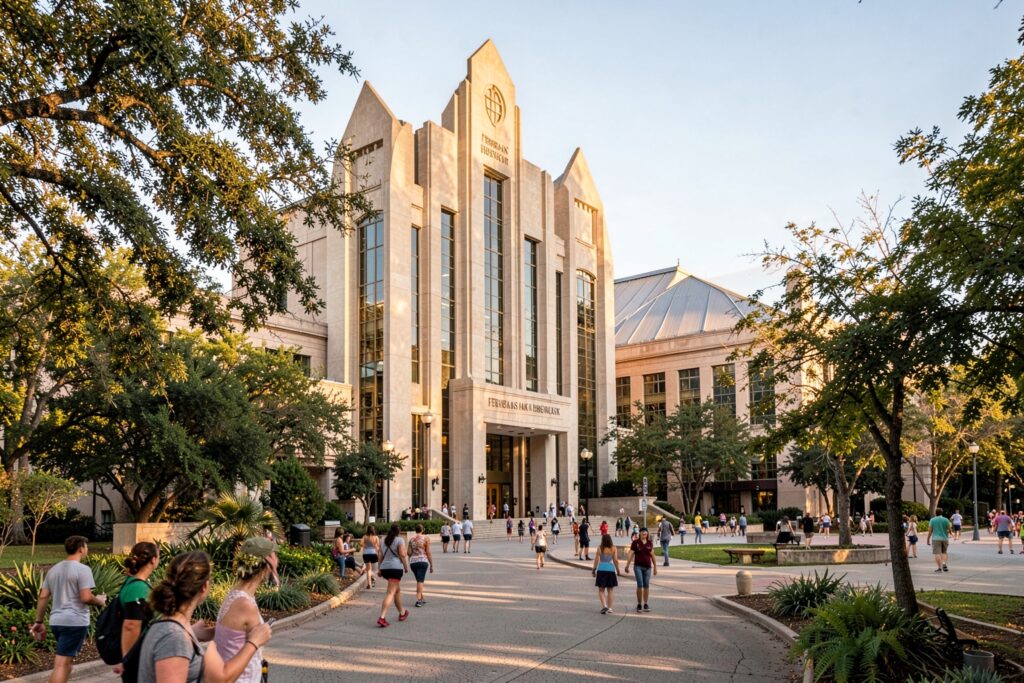
Fernbank Museum of Natural History in Druid Hills offers a thoughtful blend of indoor activities and nature trails, making it a top pick for things to do in Atlanta. The Great Hall houses the towering 123‑foot Argentinosaurus skeleton, one of the largest dinosaurs ever displayed, alongside a Giganotosaurus and other Mesozoic giants. The display inside also includes several dinosaur sculptures and a dedicated discovery room where curious minds can explore interactive exhibits and learn about dinosaur skeletons.
Nature Quest guides visitors through the museum’s educational attractions, and the immersive films shown in the large‑format theater provide an experience beyond ordinary screens. The Giant Screen Theater presents immersive IMAX films about Patagonia, the Okefenokee Swamp and Appalachian Mountains, while smaller educational films focus on the biggest prehistoric creatures.
Interactive science exhibits let visitors discover fossils, enjoy dinosaur meet‑and‑greets, and explore rotating science displays. A special dinosaur exhibit area, aptly named “Dino Lab,” offers hands‑on activities for families, and the museum’s discovery rooms host workshops that are perfect for school holiday groups and travelers interested in learning.
Beyond the museum, Fernbank Forest and WildWoods trails connect to the campus of Emory University, extending the adventure into the outdoors. Trails are linked to the nearby National Historic Park and provide a pleasant trek whether you’re an early riser or a late‑afternoon explorer.
Admission typically starts near USD 25 for adults, with Atlanta CityPASS Discount Tickets available for savings. Visitors often use Google Maps or the museum’s own bus service to arrive, and the Atlanta Streetcar can drop you off at the nearby MARTA King Historic District stop. Special programs such as Fernbank After Dark offer evening events, and the museum remains a strong rainy‑day option for anyone interested in prehistoric life.
During holiday periods and school holiday weeks, the museum runs extra programs and family‑friendly activities, making it a reliable choice for families looking for a fun, educational outing.
14. Jackson Street Bridge
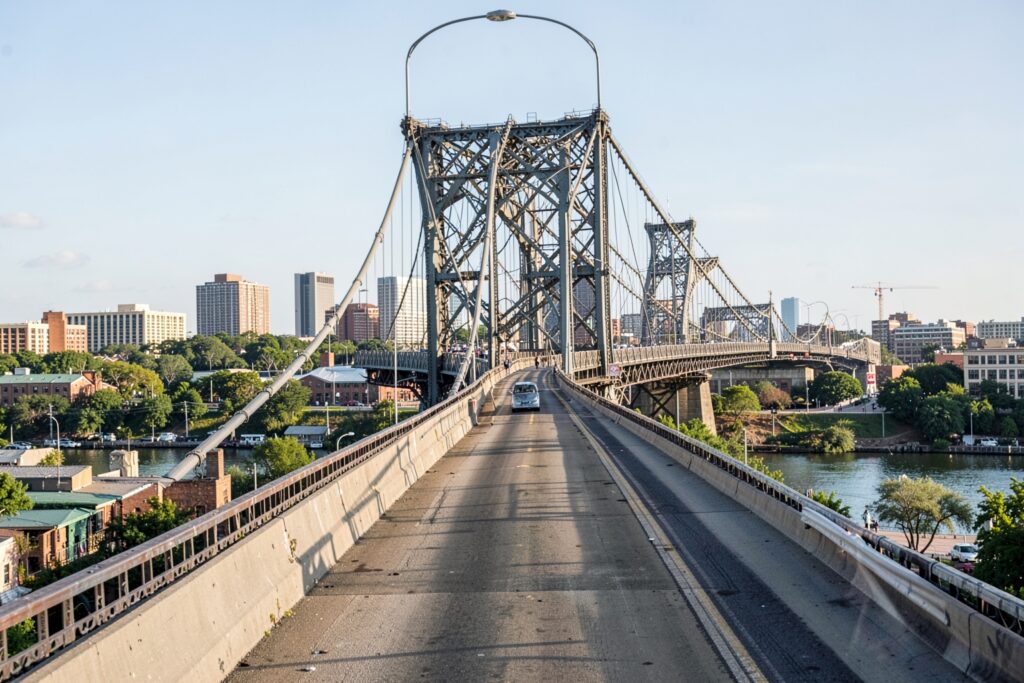
Jackson Street Bridge provides an iconic view of the Atlanta skyline, making it a must‑see spot for things to do in Atlanta. The bridge’s metal safety railings frame the city centre, and early risers can capture the sunrise, while golden hour brings a spectacular sunset that photographers love. The dark silhouette of the bridge against the rising sun creates a totally different feel from the daylight scene.
Fans of the TV series The Walking Dead will recognize the bridge from the opening scene where main character Rick rides into an empty highway. This cinematic backdrop draws impromptu music videos, bridal shoots, and countless Instagram posts, and the opposite side of the bridge offers a view of the Atlanta City Skyline that looks like an iconic shot from a movie.
Located between Downtown and the Old Fourth Ward, the bridge offers free access and is a perfect place for an obligatory selfie or a quiet moment overlooking Freedom Parkway. The nearby MARTA King Memorial Station makes it easy to reach for both locals and visitors, and the area is a real hub for cyclists and walkers during holiday fun events.
Travelers interested in exploring further can hop on the Atlanta Streetcar to Midtown or catch a Lyft or Uber for a quick ride to the nearby Coca‑Cola Roxy Theatre, a popular entertainment compound.
15. Centennial Olympic Park
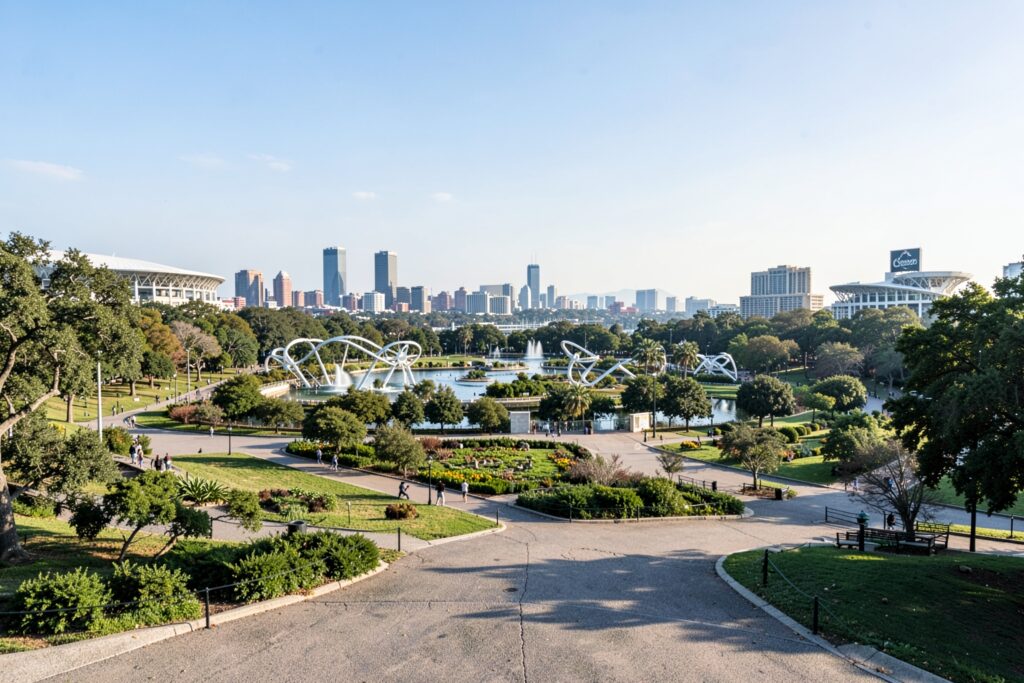
Centennial Olympic Park is a central gathering place and a favorite among things to do in Atlanta, offering a 22‑acre green space in the heart of Downtown. Built for the 1996 Summer Olympics, the park’s Fountain of Rings provides choreographed water shows set to music, creating a family‑friendly photo spot and a reminder of the Olympic Games legacy.
The open lawns and walking paths connect visitors to nearby attractions such as the Georgia Aquarium, World of Coca‑Cola and the Olympic Rings sculpture. Throughout the year the park hosts music concerts, the Atlanta Marathon, and holiday festivities like Christmas lights and special events during the summer season.
Entrance is free, and the park’s visitor centre provides information on the historic legacy of the Olympics. Evening visits reveal the fountain illuminated against the skyline, making it a perfect relaxed break between other downtown attractions, especially after a game‑day at Tru‑ist Park when crowds are still buzzing.
During the July holiday period, the park’s commemorative bricks and open‑green areas become a hotspot for families looking for a safe, family‑friendly environment. The park also operates several bus routes and is easily reachable via Lyft, Uber or the Atlanta Streetcar.
16. Truist Park
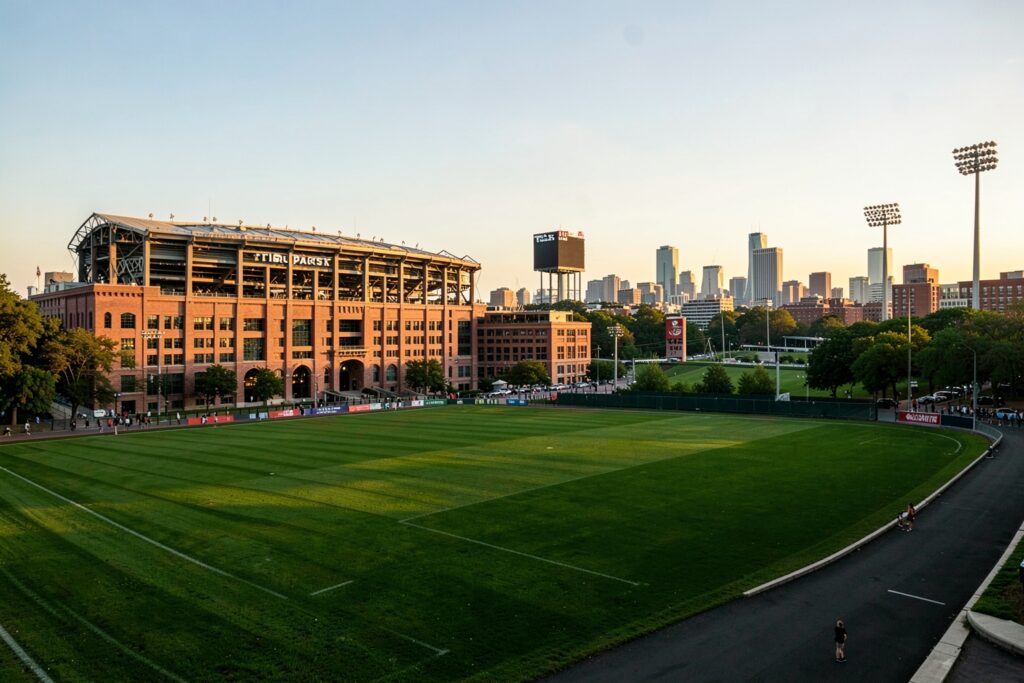
Truist Park, home of the Atlanta Braves, is a major highlight for things to do in Atlanta, especially for sports fans and families. Located in the Cumberland area, the stadium features modern amenities, excellent sightlines, and a lively game‑day atmosphere that captures the city’s sports culture.
The surrounding entertainment district, The Battery Atlanta, offers a thriving hotspot of dining and shopping. Local favorites include Antico Pizza, Fox Bros BBQ, and Goldberg’s Bagels, while the Coca‑Cola Roxy Theatre hosts live performances and DressUp events that add to the massive entertainment options.
Visitors can take a guided tour via a particular app, explore the exterior view of the ballpark, or simply enjoy the high energy of an evening game with a classic hot dog in hand. Public transportation, various bus routes, and a dedicated baseball‑focused shuttle make reaching the venue easy, and paid parking is available for those driving.
Early fall games provide excellent views of the sunset captured from the stadium’s upper decks, and the post‑game crowd often spills into the nearby public space for a fun group outing. Families looking for a weekend matchup will find the ballpark experience both exciting and family‑friendly, with kids’ zones and interactive exhibits that keep little ones engaged.
17. Fourth Ward Park
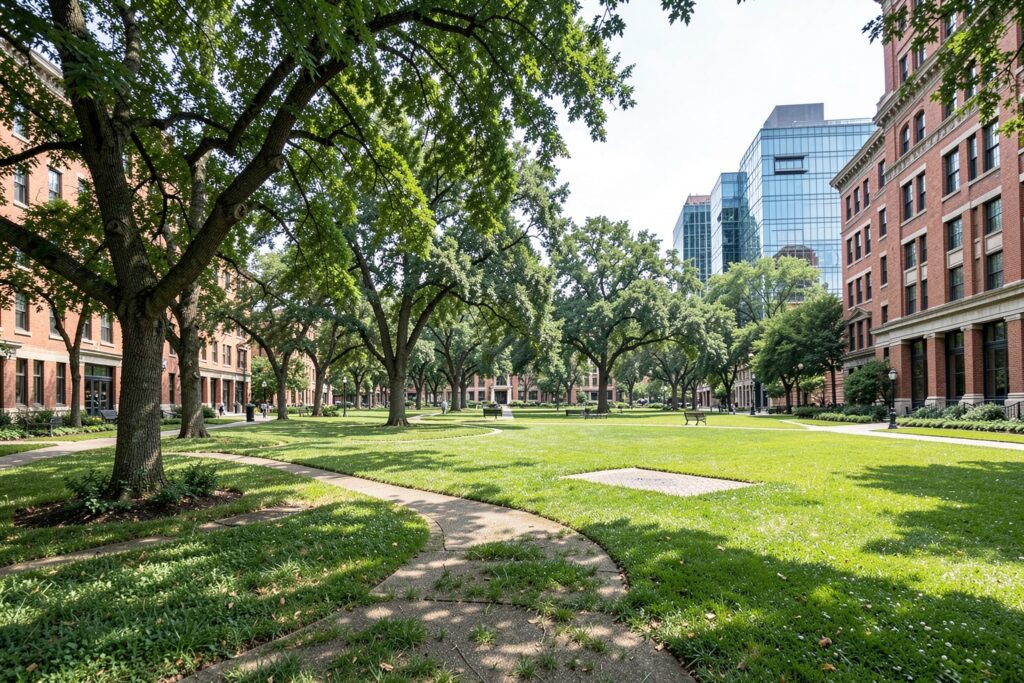
Fourth Ward Park sits behind Atlanta’s bustling Ponce City Market, a former warehouse now home to a popular food hall and shopping center. The park’s centerpiece is the Clear Creek Basin, a retention pond that reduces neighborhood flooding while adding a splash of greenery to the city’s landscape. Ramps throughout the space make the entire park ADA compliant, offering flat surfaces for visitors to rest and enjoy the surrounding buildings.
Skaters of all ages gravitate to the Historic Fourth Ward Skate Park, located along the Atlanta BeltLine Eastside Trail. This premier skate park, praised by legend Tony Hawk, features ramps that let experienced tricksters catch air and beginners practice safely. Protective gear is recommended, and the park’s design encourages both skating and spectating.
Families appreciate the sprinkler‑equipped splash pad and the grassy riser that provides a nice respite from the hustle of nearby streets.
Whether you’re taking an Uber, Lyft, or a bike ride along the BeltLine, Fourth Ward Park offers a free, open‑air playground that adds greener spaces to the Old Fourth Ward neighborhood.
The park’s layout, with a pond designed to channel water and reduce flooding, ensures safe play for restless kids while simultaneously beautifying the area.
Ramps and gentle slopes allow all visitors, including those in wheelchairs, to experience the park’s scenic views and the vibrant city backdrop.
Located just minutes from the city’s downtown, the park’s proximity to Ponce City Market, a beloved playground for locals, makes it a must‑visit for families and urban explorers alike.
18. Zoo Atlanta
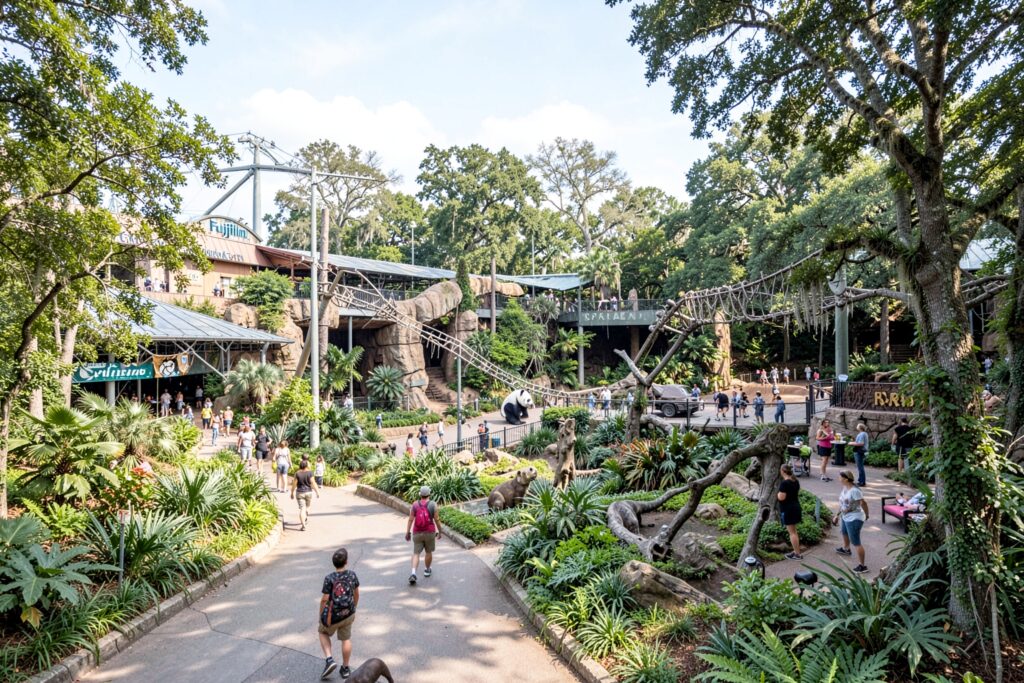
Zoo Atlanta, nestled in Grant Park just minutes from downtown, is a top choice for things to do in Atlanta, especially for animal lovers. The zoo houses more than 1,000 animals, including giant pandas and one of North America’s largest populations of Western Lowland Gorillas. Thoughtfully designed habitats give visitors close views while supporting wildlife conservation.
Weekday mornings provide lighter crowds, allowing a comfortable visit of at least two hours. Educational programs and interactive exhibits, such as the Summer Safari Camp, keep guests engaged. Ticket prices start around 30 USD for adults, with discounts for children, seniors, and students.
The zoo’s location on Memorial Drive makes it easy to reach by public transit or rideshare.
Visitors can explore the park’s well‑designed enclosures, where the largest gorilla families roam in a space that mimics their natural habitat.
Conservation efforts are highlighted in the zoo’s interactive displays, giving guests a rare opportunity to learn about supporting wildlife.
Breakfast spots like Grant Central Pizza & Pasta and Ria’s Bluebird Cafe offer a chance to enjoy country fried eggs or fried tempeh before a day of exploration.
For a family‑friendly attraction, Zoo Atlanta balances educational content with engaging activities, making it a cornerstone of Atlanta’s conservation focus.
19. SkyView Atlanta
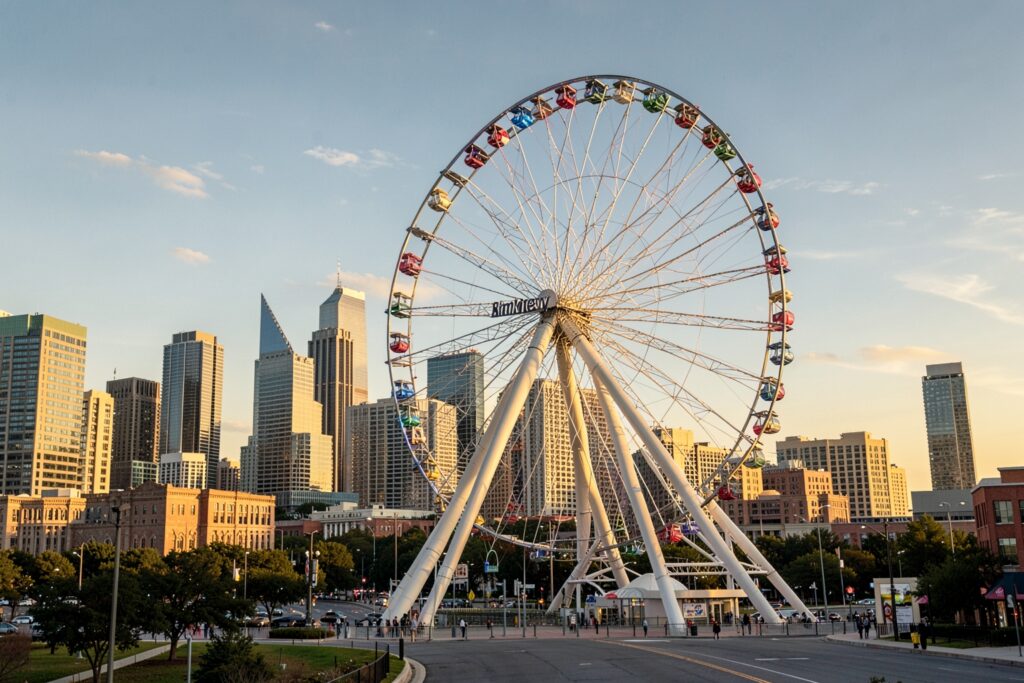
SkyView Atlanta is a climate‑controlled Ferris wheel that offers panoramic skyline views from downtown Atlanta. Each gondola provides a smooth ride high above Centennial Olympic Park, giving first‑time visitors a full perspective of the city’s layout and major landmarks. The 15‑minute ride is especially memorable at night when the illuminated skyline glows.
Operating hours are 10 am–10 pm Sunday through Thursday and 10 am–11 pm Friday and Saturday. Admission is $19.50 for adults, $17.50 for seniors, military and students, and $14.50 for children under 13, with free rides for toddlers. Nearby dining choices include the Hudson Grille, Ted’s Montana Grille, and Thrive Restaurant & Bar, perfect for a meal before or after your ride.
The wheel’s location near major attractions, such as the nearby park and downtown’s bustling streets, adds convenience for those exploring the city.
With a golden light that bathes the skyline, SkyView Atlanta offers a romantic moment for couples looking for panoramic views of the city skyline.
Visitors can enjoy a climate‑controlled gondola ride that offers panoramic vistas from a ferris wheel that has become a bona fide icon of downtown Atlanta.
The ride’s glass floors provide a unique perspective, allowing older children and adults alike to catch the city’s architectural steel and skyscrapers.
Whether you’re a first‑time visitor or a seasoned explorer, SkyView Atlanta delivers a casual fare of breathtaking city views and an extended ride that feels like a highlight of any Atlanta itinerary.
20. State Farm Arena
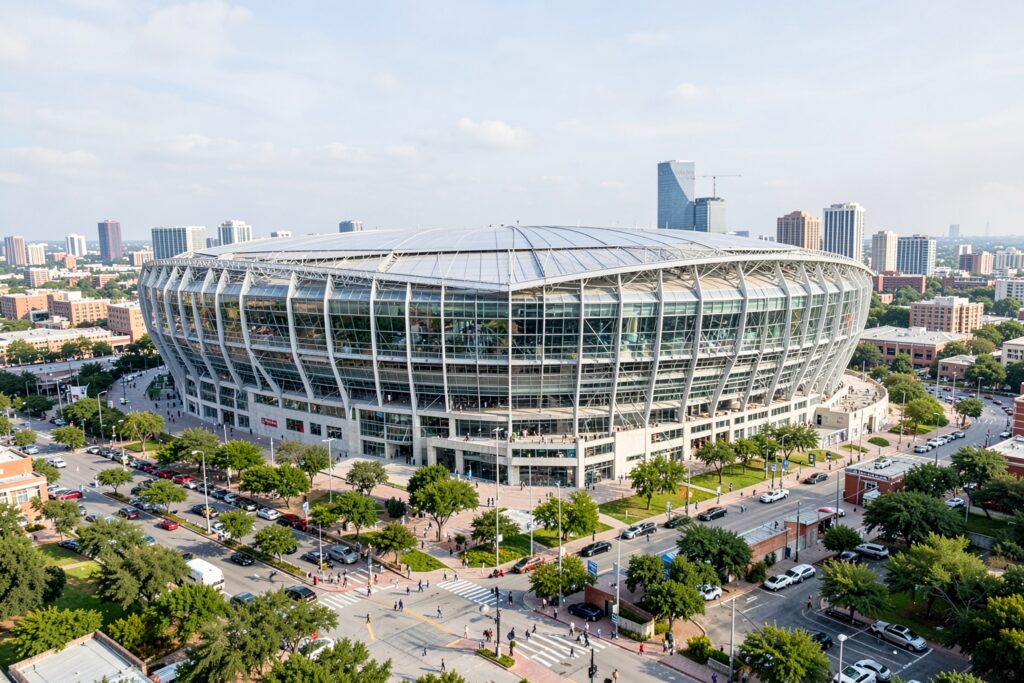
State Farm Arena, located in the heart of downtown Atlanta, is a premier entertainment venue and home to the NBA’s Atlanta Hawks. The arena’s modern design and upgraded LED facilities provide a high‑energy atmosphere for basketball season, concerts, and touring performances.
Seating ranges from 16,000 to 21,000 guests, with ticket prices varying from $30 for upper‑level seats to over $150 for premium spots. Events typically start between 7 pm and 8:30 pm, and the arena’s central location offers easy access via the Atlanta Streetcar, Uber, or Lyft.
Beyond sports, State Farm Arena hosts major concerts and live shows, making it a key part of Atlanta’s entertainment scene.
Visitors can combine a game or performance with nearby attractions like Centennial Olympic Park or a meal at a local restaurant before heading to the arena.
The venue’s proximity to the GA World Congress Center and the GWCC CNN MARTA Station means that fans can easily walk to the arena for high‑energy live performances.
For fans of the Atlanta United FC or the Atlanta Falcons, the arena’s location in the city’s central downtown offers a convenient hub for sporting events and live entertainment.
State Farm Arena’s upgraded facilities and prime downtown location make it a top choice for anyone seeking major league basketball, concerts, or a night of high‑energy entertainment in Atlanta.
21. Tiny Doors ATL
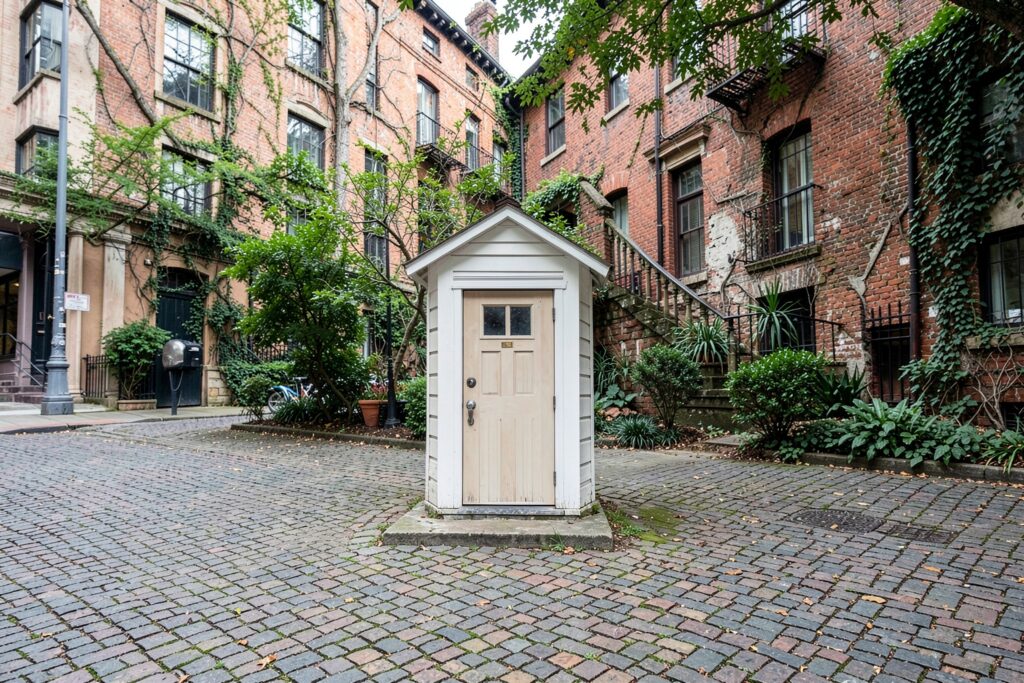
Tiny Doors Atlanta turns ordinary alleys and sidewalks into a playful art trail that is completely free to explore. The project, started by Karen Anderson Singer in 2014 with a single door at Krog Street Tunnel, now features over 30 doors that are about seven inches tall and crafted to reflect the character of their surroundings. These miniature portals are scattered across neighborhoods from Midtown to Piedron Park, including spots along the Atlanta Beltline Eastside Trail, the Woodruff Arts Centre, and even the State Farm Arena.
Each door is a unique creation, ranging from a tiny replica of the Fox Theatre to a miniature version of the Georgia Aquarium, and they invite visitors to pause, photograph, and imagine the stories behind the tiny frames. A downloadable map on the Tiny Doors website helps you track the locations, making it easy to plan a scavenger hunt that could take you from the Krog Street Tunnel to the bustling streets of downtown or the quiet lawns of the Atlanta Beltline.
While walking the trail, you’ll encounter whimsical scenes: a door shaped like a tiny piano beside the Eastside Trail, a miniature version of the iconic Jackson Street Bridge, and even a tiny door that looks like a portal to a forested corner near Piedmont Park. The project encourages creativity, turning everyday public spaces into unexpected canvases that spark curiosity for locals and tourists alike. I’d definitely count the doors as a personal favorite because they are dotted throughout several different neighborhoods, from the busiest intersection near St & Piedmont Ave to tiny spaces hidden in quiet corners.
Because the doors are free and open to the public, the Tiny Doors ATL adventure is an ideal way to discover hidden corners of the city without spending a dime, making it a must‑do for anyone looking for a lighthearted, art‑focused stroll through Atlanta. If you’re already knew about the art project, bring a friend or two pugs for a tiny adventure and see how the community prevailed in turning public outdoor spaces into a big wonder of creative curiosity.
22. Rainbow Crosswalk

The Rainbow Crosswalk, installed in 2015 at the intersection of 10th Street NE and Piedmont Avenue NE, stands as a colorful symbol of Atlanta’s LGBTQ+ community. The temporary installation features a vibrant rainbow stripe that turns a busy crosswalk into a festive, inclusive landmark.
Located just a five‑minute walk from many Midtown hotels, the crosswalk draws visitors from all walks of life. Its presence at a key intersection in the heart of Midtown has become a daily reminder of the city’s commitment to diversity and equality, especially during the annual Pride Festival. The colorful stripes, set against the usual black and white zebra pattern, create a striking visual that people pause to photograph and share on social media.
Beyond its aesthetic appeal, the Rainbow Crosswalk serves as a gathering point for community events, dog walking, and casual strolls. The intersection’s proximity to Piedmont Park and the vibrant Midtown neighborhood ensures that anyone visiting the area can easily experience this public space and its significance. The crosswalk’s enduring popularity reflects the city’s ongoing support for LGBTQ+ rights and community pride, and it has sparked wonder among travelers who discover it in plain sight.
23. Festivals and Events in Atlanta
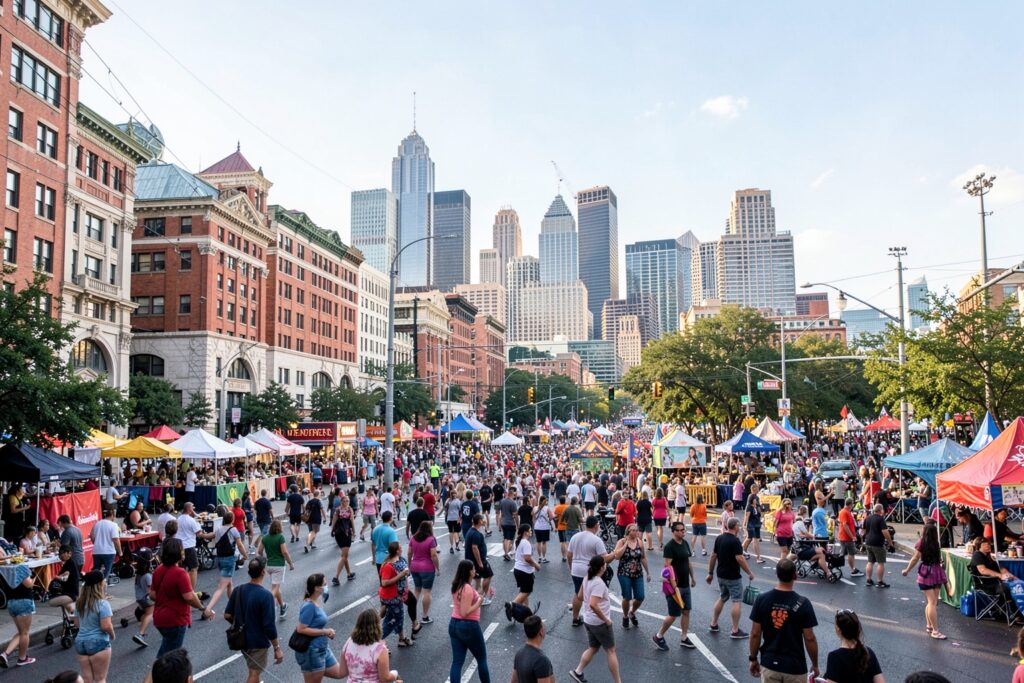
Atlanta’s calendar is filled with festivals and events that draw crowds year after year, influencing travel timing for many visitors. In April, the Atlanta Dogwood Festival takes over Piedmont Park, welcoming tens of thousands for a three‑day celebration of music, food, and art. The event’s popularity often leads to increased hotel demand and a vibrant downtown atmosphere.
September is a key month for music lovers, as Music Midtown delivers a large‑scale festival featuring national artists across multiple venues, attracting crowds that flood the city for a weekend of concerts and performances. The festival’s reach extends beyond Midtown, drawing attendees to nearby neighborhoods and boosting local businesses.
The spring hosts the Atlanta Film Festival, which showcases independent and international films across a variety of venues, offering a cultural experience that appeals to cinema enthusiasts and casual viewers alike. Meanwhile, the College Football Season, beginning in September, energizes the city with game days that bring fans to stadiums, creating a spirited atmosphere throughout the region.
These events, along with smaller local celebrations, highlight Atlanta’s diverse cultural scene. Planning a trip around a major festival can enrich a visit, providing unique entertainment, networking opportunities, and a taste of the city’s dynamic pulse. The city also hosts several music festivals that significantly increase downtown activity, drawing national attention and large crowds.
24. West Midtown
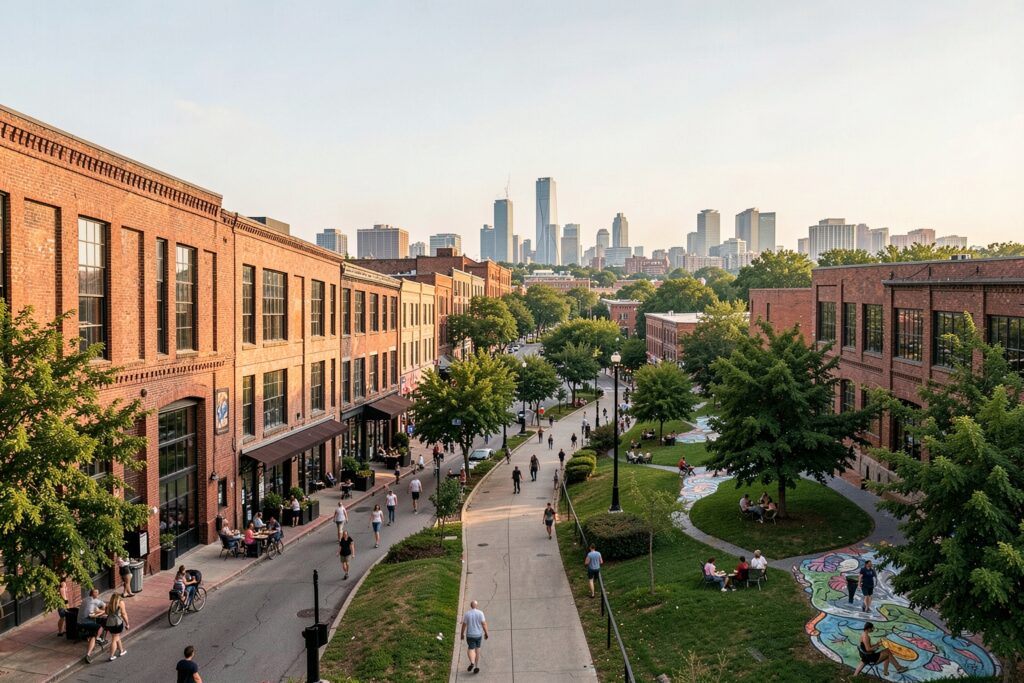
West Midtown, once a historically industrial district, has evolved into a vibrant hub for arts, shopping, dining, and recreation. Located near the main attractions of Midtown and Downtown, the area boasts a flourishing arts community with galleries, studios, and performance spaces like the King Plow Arts Center.
Visitors can explore the Westside Provisions District, a popular spot for foodies, or stroll along the Westside Park and Marietta Street Bridge, which offer scenic views of the city skyline. The neighborhood’s blend of modern flair and vintage charm is highlighted by upscale vintage shops, the iconic Jeni’s Splendid Ice Creams, and trendy eateries that serve everything from almond brittle to brown butter delicacies.
For entertainment, the West Midtown area is home to the Catching Fire and The Walking Dead theater venues, as well as the Commodore and Goat Farm, which host live music and events that attract a diverse crowd. The area’s proximity to the Atlanta Beltline Westside Trail makes it easy to combine a cultural outing with a leisurely walk or bike ride. If you’re looking for a go‑to destination with popular bars, vintage decor, and a notable attraction for music lovers, West Midtown offers a mix of old‑school barbershop vibes and contemporary concert venues.
25. Dragon Con
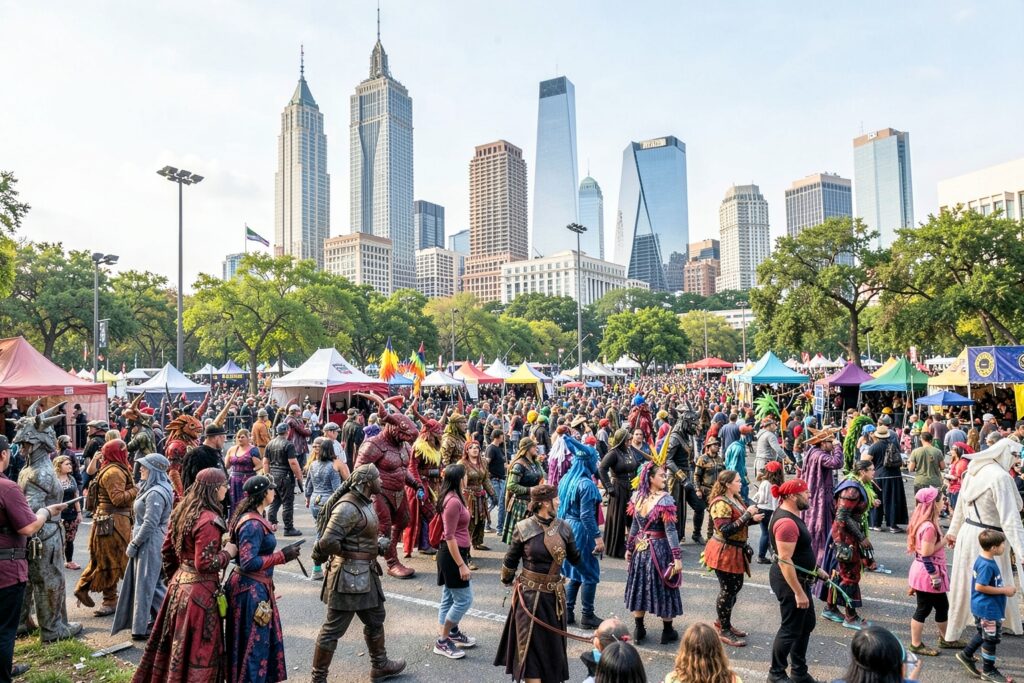
Dragon Con is America’s leading multimedia and pop culture convention, held every Labor Day weekend in the heart of Downtown Atlanta. The three‑day event transforms the city into a vibrant hub for sci‑fi, fantasy, comic‑book and gaming fans, drawing record numbers of visitors who book hotels and tickets months in advance. The convention’s annual draw near is a highlight for die‑hard sports and die‑hard gaming fans alike, with vendors selling one‑of‑a‑kind merchandise and performers staged throughout the downtown venues.
Along Peachtree Street you’ll see the biggest street parade of the year, the Dragon Con Parade, where cosplayers showcase elaborate costumes from iconic series such as Lord of the Rings, Star Trek and Marvel films. The crowd along Peachtree buzzes with excitement as pop artists, celebrity panels and gaming events fill the downtown venues. The event’s highlights include an awards event and a three‑day showcase that steadily increase in popularity each year.
The convention is hosted across five different hotels, each offering unique experiences and separate registration for special events. Attendees can meet actors, purchase tickets for awards events, and explore hundreds of exhibitor halls. The event is totally free for a select group of participants who receive complimentary passes, and purchasing tickets for premium experiences requires separate payment.
Local tip: Arrive early on Saturday to avoid the busiest rush and snag the best spots for people watching during the parade. The event’s design hearkens to a star‑shaped layout that makes it easy to navigate from one booth to another.
26. Mercedes-Benz Stadium
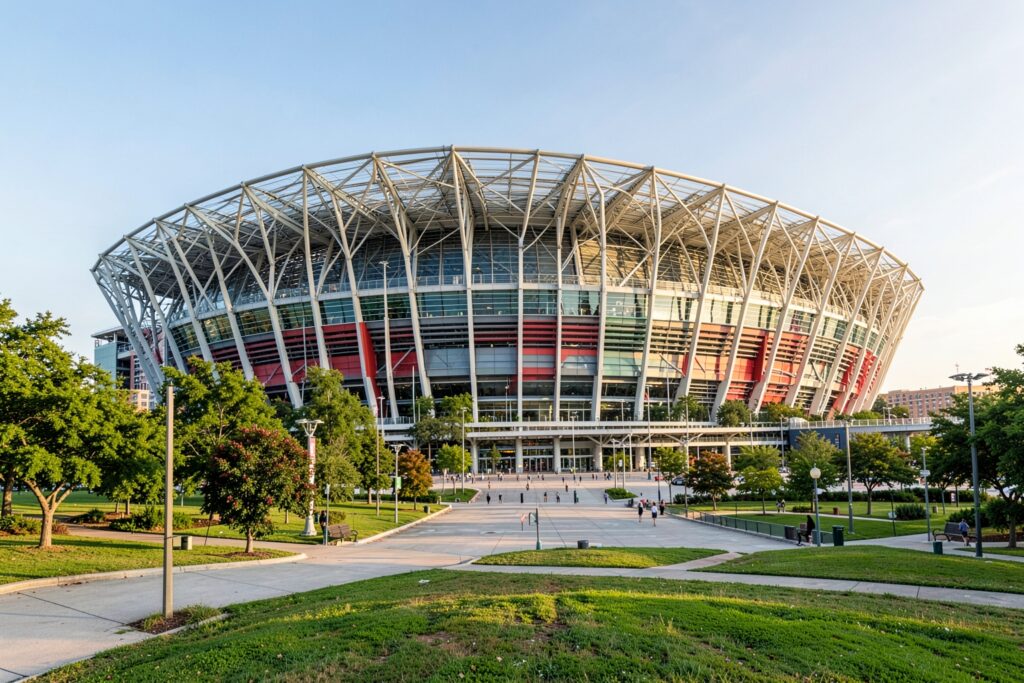
Mercedes‑Benz Stadium, an eye‑catching star on Atlanta’s skyline since 2017, is home to the Atlanta Falcons and Atlanta United. Its unique roof design, inspired by a falcon’s wing, can open or close in just a few minutes, creating an electric atmosphere for any event.
Visitors enjoy an amazing view of the city through the stadium’s stunning windows, while the massive retractable roof and halo board deliver impressive visual effects. Whether you’re cheering a football team, watching a soccer match or attending a major concert, the seating area offers excellent visibility and a roaring crowd.
The food scene inside is solid, with classic stadium fare like $2 hot dogs, and the venue frequently hosts musical performances that add to the lively vibe. Even non‑sports fans find the experience worth a visit for its design and energy, especially when the roof’s design showcases an eye‑catching view of the night sky.
The stadium’s roof is a perfect place for photo ops, and its structure is a popular spot for those who appreciate architecture and sports fan culture alike.
27. Peachtree Street
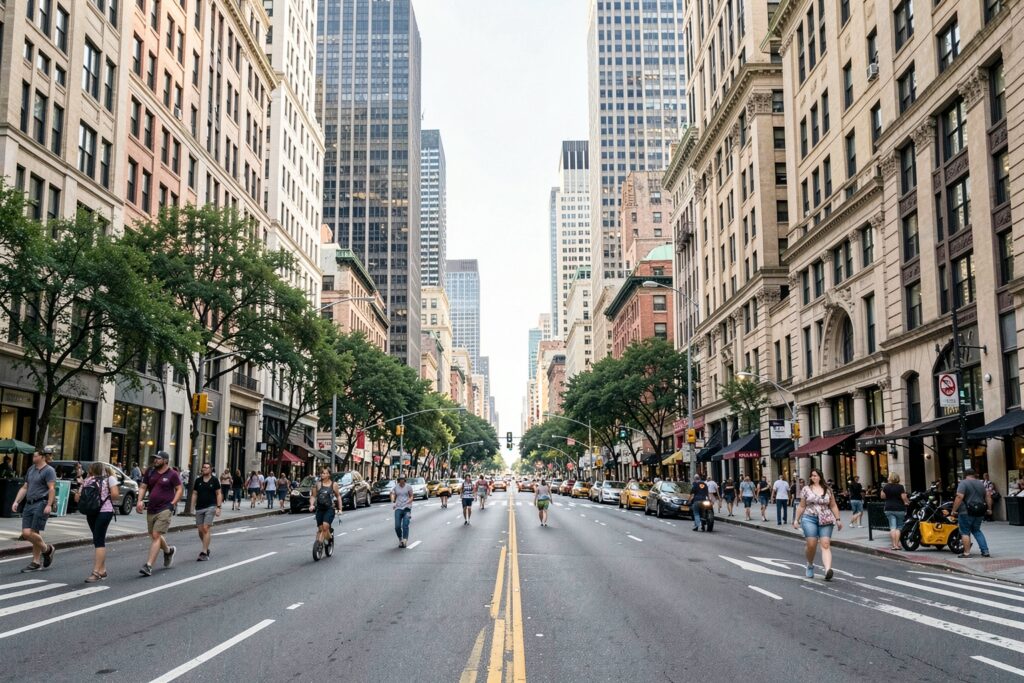
Peachtree Street is Atlanta’s most famous address, connecting Downtown, Midtown and Buckhead before becoming Peachtree Road. This main corridor is lined with over 70 venues, including museums, restaurants and entertainment spots, making it a must‑visit destination for anyone exploring the city.
During Friday and Saturday evenings the street buzzes with activity, and the historic streetcar glides past iconic buildings, offering a glimpse of the city’s past and present. Traffic can build up during rush hour, so it’s recommended to steer clear of the busiest stretches if you’re driving. The street’s unique cobblestone sections and the famous structure overlooking Centennial provide a picturesque backdrop for photography enthusiasts.
Whether you’re strolling for something interesting or heading to a big event, Peachtree Street always has something happening, from live music to pop‑up markets, ensuring a lively experience for visitors looking for things to do in Atlanta. The street’s concentration of significant architecture makes it an ideal place for both history buffs and casual tourists.
28. Fairlie-Poplar Historic District
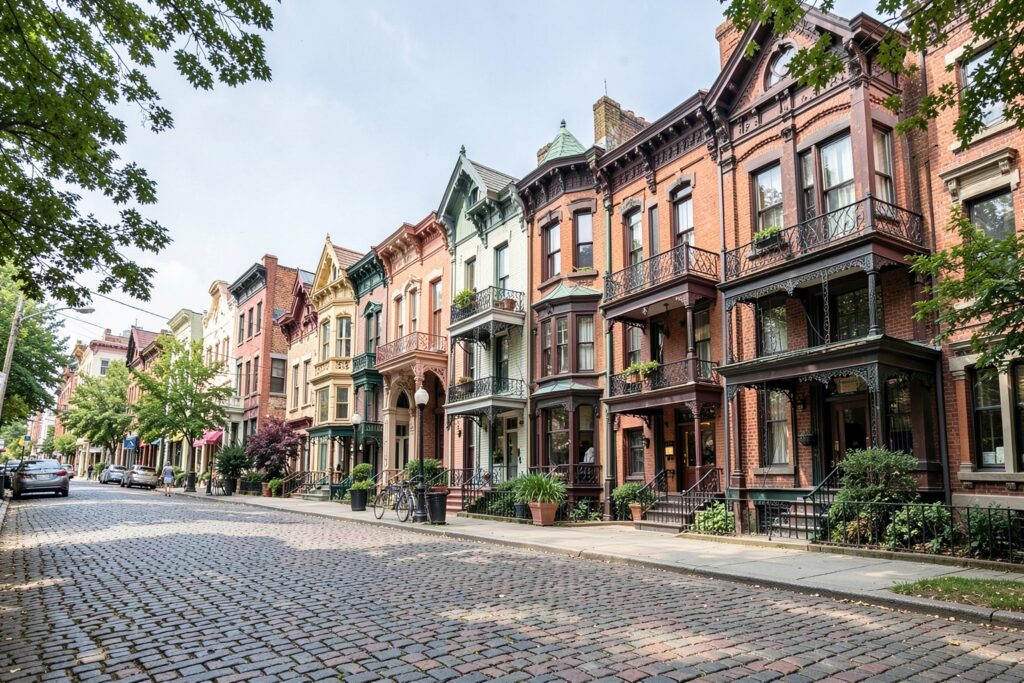
The Fairlie‑Poplar Historic District sits in the central business district of Downtown Atlanta and is packed with historically significant buildings. Cobblestone streets and landmarks such as the Flatiron Building, Rialto Theatre and the Ellis Hotel create a perfect backdrop for a photo walk.
Visitors can enjoy a lively lunch crowd at local favorites like Ted’s Montana Grill or Sidebar and Slice, then head to the nearby SkyView Ferris wheel for a wheel‑overlooking view of Centennial Olympic Park. The district’s historic structures, including haunted buildings and the famous Peachtree 191 tower, add character to every corner.
After lunch, explore the bustling business district’s casual drinks spots or catch a show at the historic Tabernacle. The area’s concentration of significant architecture makes it an ideal place for both history buffs and casual tourists seeking things to do in Atlanta. The district’s address connects seamlessly to the broader downtown area, making it easy to coast easily between attractions.
29. Phipps Plaza
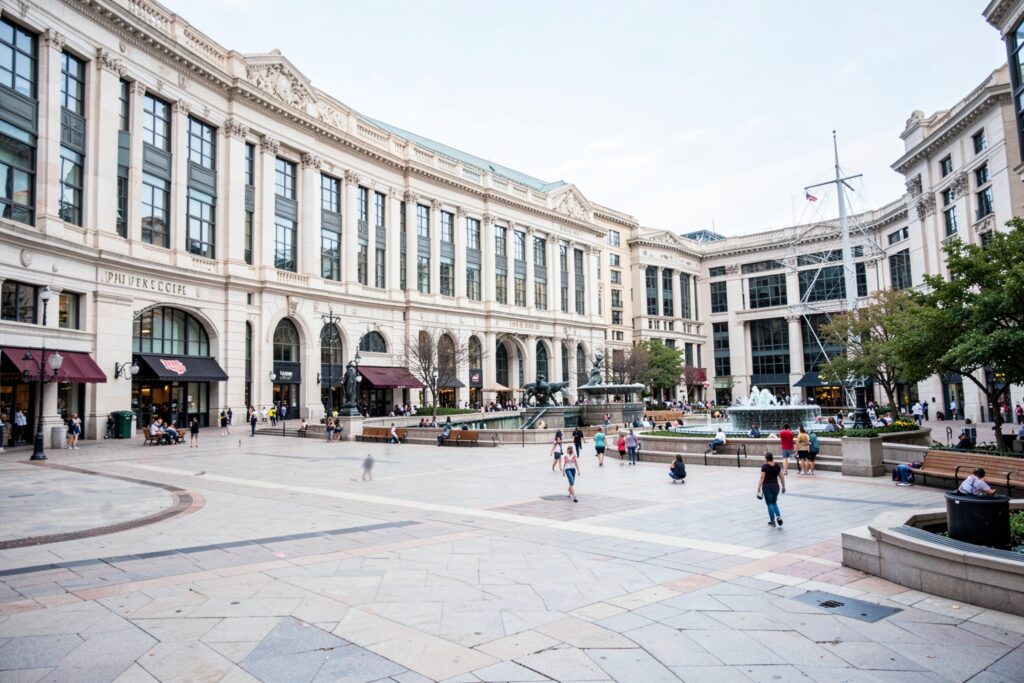
Phipps Plaza is Atlanta’s premier luxury shopping center, located on Peachtree Street in Buckhead. The complex is home to upscale brands such as Gucci, Dior, Saint Laurent, Valentino, Versace, Alexander McQueen, Givenchy, TOM FORD and Tiffany, making it a top destination for people looking to indulge in luxury shopping. In addition, Ecco Buckhead offers a stylish shoe selection for those who appreciate comfort and design. The mall also hosts the Phipps Food Hall, where visitors can sample treats from Alon’s Bakery & Market and enjoy a variety of dining options, including a reservation at Nobu Atlanta for upscale Japanese cuisine.
For cinema lovers, AMC Theatre is situated on the same property, offering a convenient spot to catch the latest releases. Phipps Plaza is open Mon‑Sat from 11 a.m. to 8 p.m., and on Sun from 12 p.m. to 6 p.m., allowing plenty of time to explore its luxury storefronts and enjoy the elegant exterior view.
Things to do in Atlanta include visiting Phipps Plaza for a sophisticated retail experience, or simply strolling along Peachtree Street to admire the stylish architecture and the surrounding Buckhead atmosphere. A quick search on Google Maps shows the plaza is centrally located within a short distance away from other must‑see attractions.
30. Atlantic Station
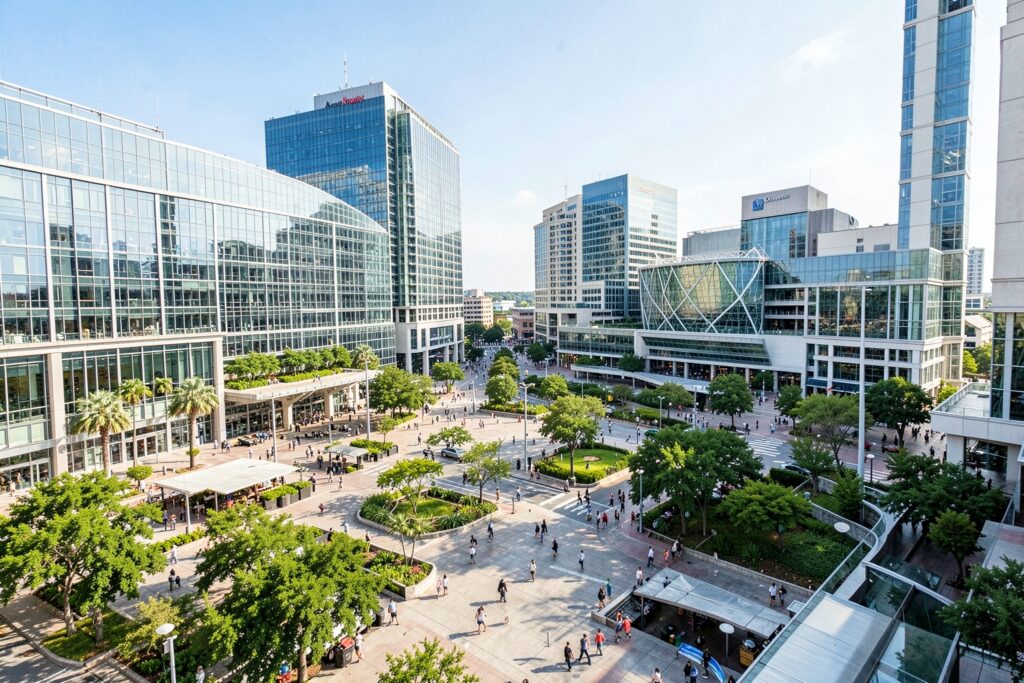
Atlantic Station in Westside is a mixed‑use destination that blends retail, dining, and entertainment. With over 50 shops and a Central Park, the area offers an outdoor promenade lined with sidewalk cafés and a variety of retail stores, including a MODA boutique that plays host to seasonal fashion shows. The IMAX theater provides a cinematic experience, while Central Park frequently hosts exciting live events, such as Cirque du Soleil performances, outdoor improv shows, and midnight markets. In the winter, the park opens an outdoor skating rink, adding seasonal charm to the already vibrant setting.
Exploring Atlantic Station is a great way to experience the lively culture of Atlanta, combining shopping, food, and live entertainment in one convenient location. Families can also visit the nearby LEGO Discovery Center for interactive building fun.
31. Few Hours at the Atlanta History Center
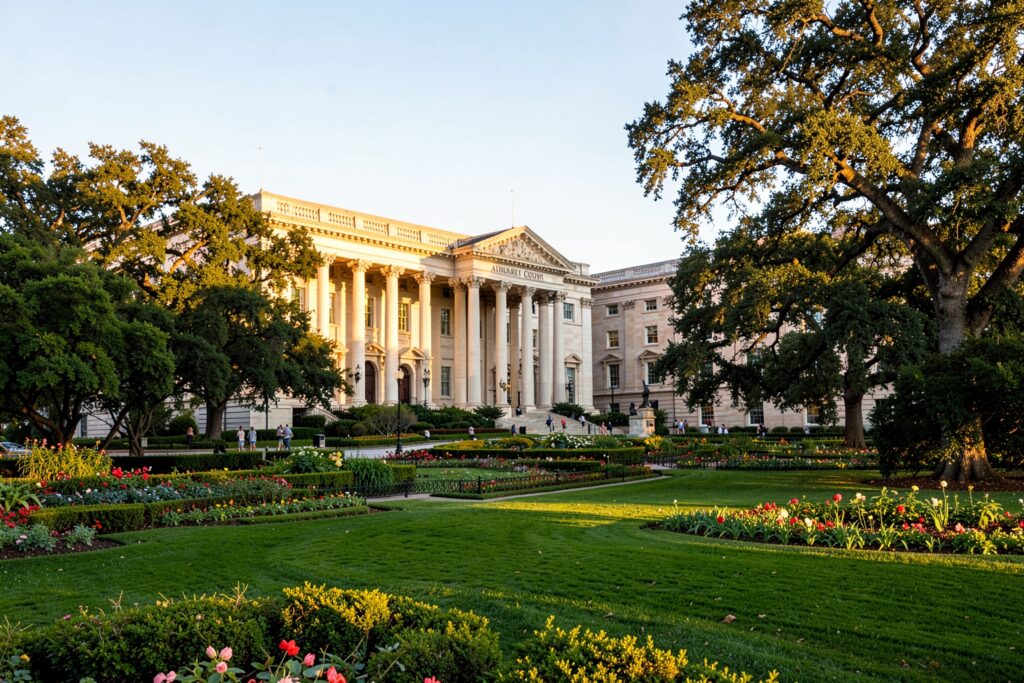
The Atlanta History Center offers a complete historical experience that extends beyond its museums. Among its highlights are the Swan House, a grand old estate that fans of The Hunger Games will instantly recognize, and the expansive gardens that showcase the city’s rich heritage. The exhibit focuses on whole historical narratives, including the Pulitzer Prize for Fiction winner Margaret Mitchell and her author’s research, while also addressing historical inaccuracies that have surfaced over time. Even if you’re not a typical “museum person,” the center’s blend of historic properties, engaging exhibits, and the Swan House’s iconic architecture can captivate a wide range of visitors.
A quick visit allows you to appreciate Atlanta’s history in a setting that feels both grand and intimate.
Spending a few hours at the Atlanta History Center is an excellent way to delve into the city’s past while enjoying its beautifully preserved surroundings. The center’s location is a short distance away from the High Museum, making it easy to plan a cultural day trip.
32. Margaret Mitchell House and Museum
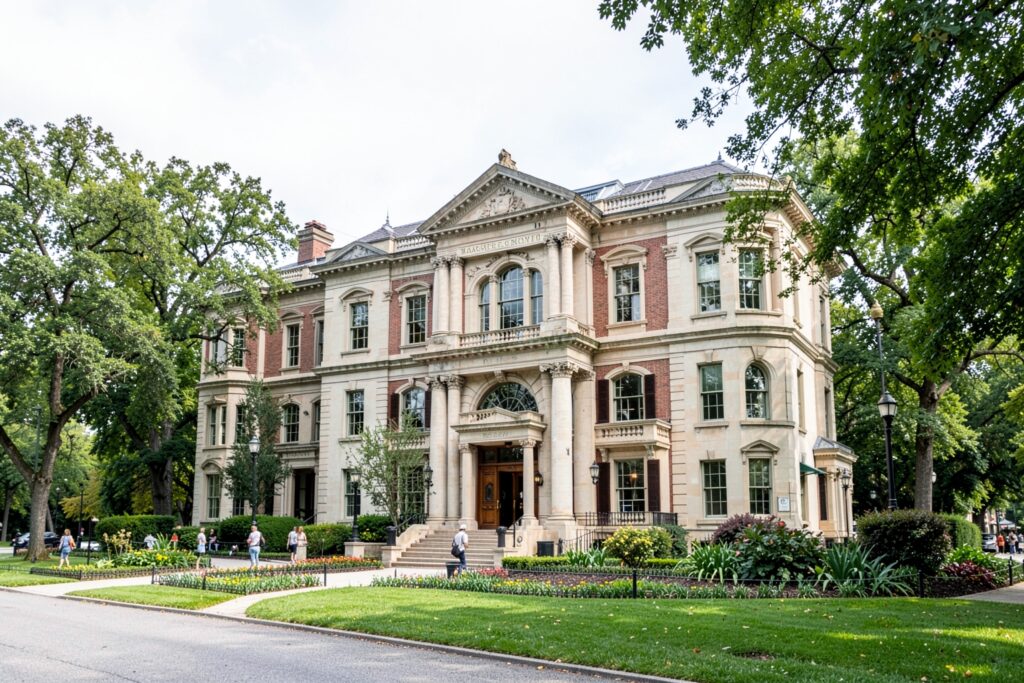
The Margaret Mitchell House and Museum sits in Midtown Atlanta and serves as the university’s historic campus for the History Center. The former home of author Margaret Mitchell and her husband, who lived there while she wrote the book’s writing, was where the controversial novel Gone With the Wind was largely created. The museum’s exhibits focus on Mitchell’s research, the novel’s historical context, and its controversial tale, offering insight into the creative process behind the famous book and its film adaptation. Visitors can tour the house, which remains a short distance away from Piedmont Park and the Rainbow Crosswalk, and see the interior that inspired Mitchell’s world.
The museum is open daily from 9 a.m. to 4 p.m., Closed Mondays, with admission prices of $13 for adults, $8 for ages 3–12, and free for children under 3. The home while preserving its original décor reflects the home’s history and the life of this famous resident.
In the broader scope of things to do in Atlanta, the Margaret Mitchell House and Museum offers a unique glimpse into the life of an American literary icon and the cultural impact of her work. Afterward, you can head south to the Woodruff Arts Center or the High Museum, both of which are pm daily open for evening programs.
33. Trap Music Museum
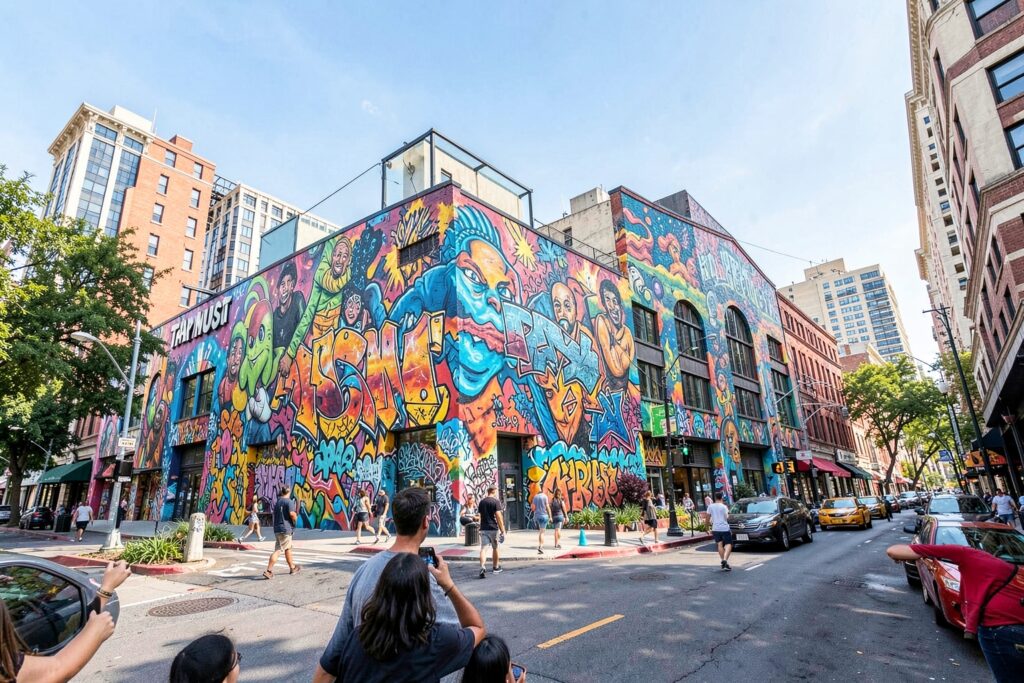
The Trap Music Museum, tucked into Atlanta’s Westside, is a niche tribute to the city’s hip‑hop heritage. The building, adjacent to Trap City Cafe, houses an escape room that lets visitors experience a “trap‑inspired” adventure before stepping into the museum’s collection. It opened with a nod to rap legend T.I., who helped launch the first Hip‑Hop museum in the world. Visitors can view a replica of the infamous Pink Trap House that once stood on Howell Mill Road, now a closed chapter in the city’s musical narrative.
The museum stays open Friday through Sunday with hours from 4 pm to 9 pm, 12 pm to 8 pm, and 12 pm to 6 pm respectively, while remaining closed Monday to Thursday. Admission is $33.30, giving guests a chance to explore the cultural influence of Atlanta’s Westside through interactive exhibits and a mock convenience store that reflects the city’s unique blend of creativity and community. A quick Google Maps link brings you straight to the museum’s exterior view, positioned near downtown Atlanta.
34. ABV Gallery
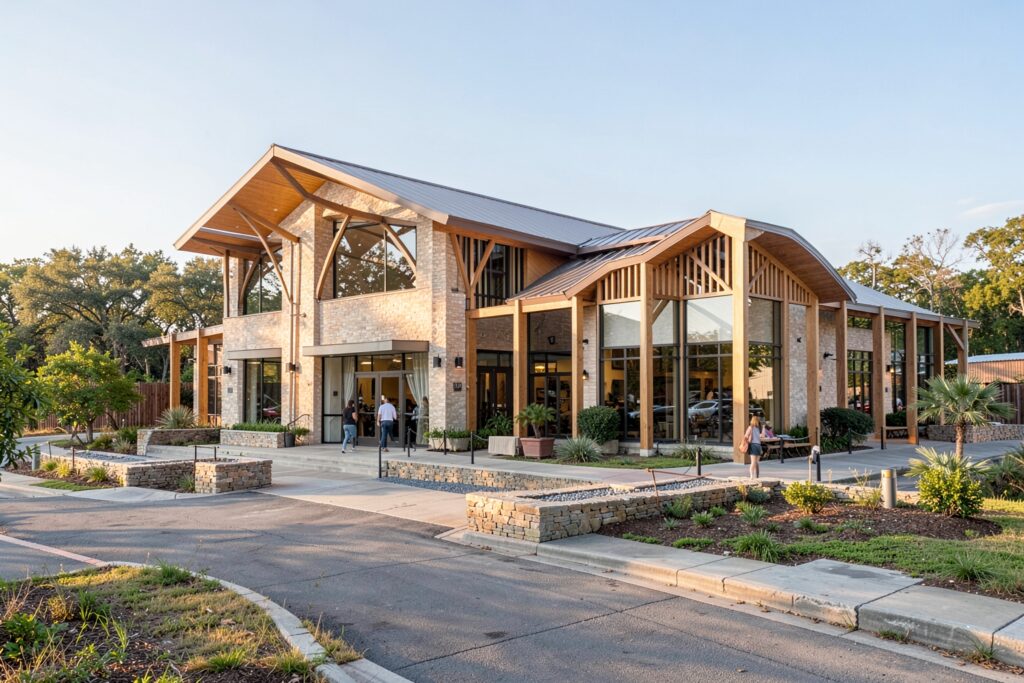
ABV Gallery, located in East Atlanta Village, is a historic church-turned‑art-gallery that spans 8,500 square feet of creative space. It showcases works from more than 500 international artists, with a rotating schedule that keeps the collection fresh every month. The gallery’s hours vary: 10 am to 5 pm Monday‑Wednesday, 10 am to 7 pm Thursday‑Friday, 11 am to 7 pm Saturday, and 11 am to 5 pm Sunday. Prices for entrance are not fixed, reflecting the diverse range of exhibitions and the gallery’s status as a cultural hub in Atlanta.
Visitors can explore fine art, prints, and unique gift items such as shot glasses: perfect souvenirs for a trip. The gallery’s exterior view is easily found on Google Maps, and its location in East Atlanta Village places it close to other local attractions, making it a must‑visit for anyone looking to add a touch of art to their list of things to do in Atlanta.
35. Peachtree Center
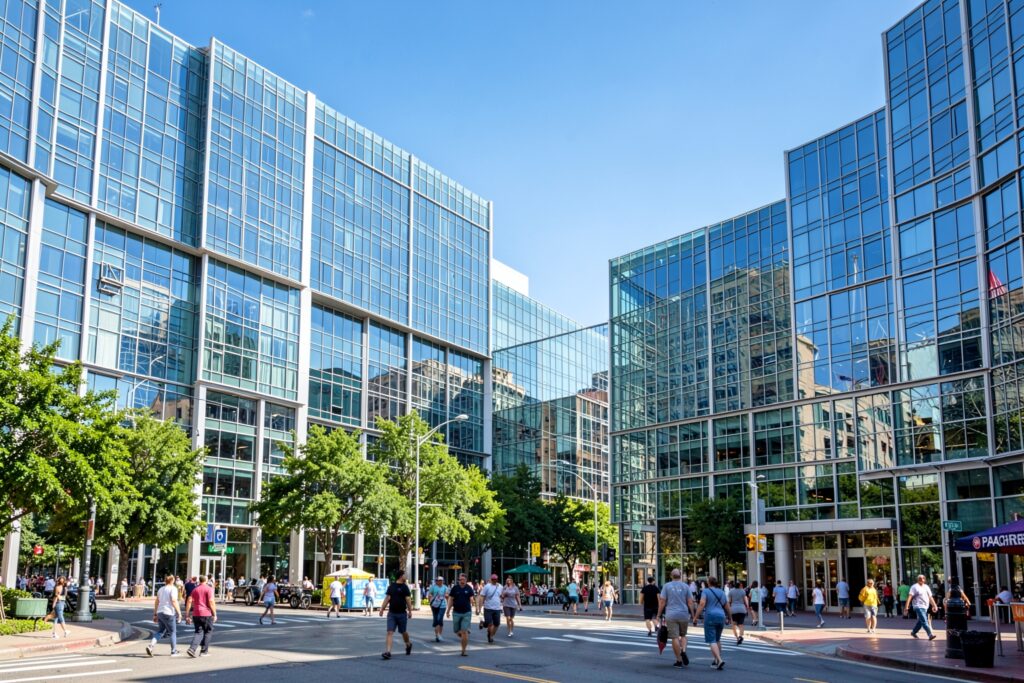
Peachtree Center is a downtown Atlanta mega‑complex that unites hotels, restaurants, and office towers through a network of skybridges and tunnels. Designed by architect John Portman, the space connects buildings such as the iconic Belle sculpture and the Peachtree Street entrance. The complex is free to explore, offering a glimpse of the city’s architectural flair. Notable eateries include Gus’s World Famous Fried Chicken, Hard Rock Cafe, Ray’s, and Tin Lizzy’s Cantina, all catering to the lunch crowd that passes through the underground and overground corridors. The hub is always open, with business hours that accommodate the busy city rhythm.
A quick Google Maps link directs visitors to the complex’s entrance, and the surrounding area, rich with sky bridges and underground passages, provides a unique way to experience downtown Atlanta.
36. East Atlanta Village
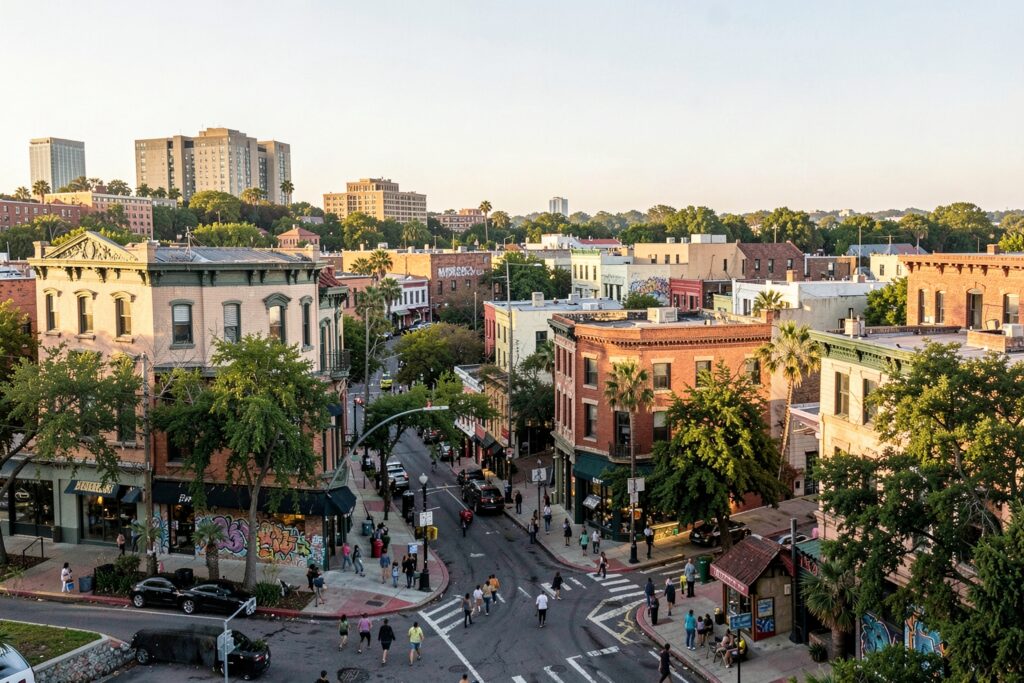
East Atlanta Village stands as one of Atlanta’s most beloved neighborhoods, known for its laid‑back vibe and community spirit. Located just off I‑20 and Moreland Avenue, it offers a diverse mix of bars, coffeehouses, and live‑music spots that keep the party alive. Local gems such as East Atlanta Comics, Banshee, Hippin Hops, Holy Taco, and Suki Suki cater to a wide range of tastes, from edgy‑urban‑hipster flair to the tiniest food bites. The area’s pedestrian‑friendly streets attract both locals and visitors seeking a casual yet vibrant atmosphere.
For those looking to enjoy a relaxed night out or a quiet coffee, East Atlanta Village is the ideal spot to add to your list of things to do in Atlanta.
37. Gurl Mobb Museum
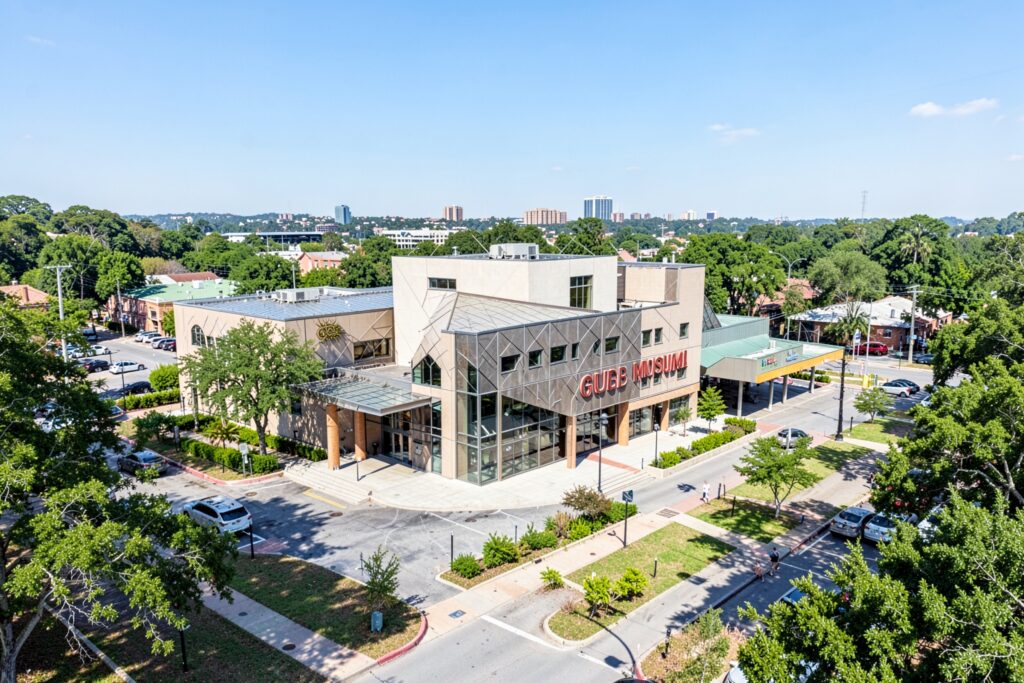
For anyone looking for a quirky spot among the many things to do in atlanta, the Gurl Mobb Museum offers an adorable selfie museum experience. Tucked away in ATL, the venue features over 20 meticulously detailed vignettes, each a different theme designed for professional photography or an adorable selfie with friends.
It’s the right place for a picture‑perfect birthday or a bachelorette party, and content creators love the narrow strip of set designs that make every snap feel unique. The museum encourages visitors to snap away and even hosts a social game where guests match outfits to each scene.
The museum stays open from 11 am to 9 pm Wed‑Sat and 11 am to 6 pm Sun; it is closed Mon‑Tue. Entrance is $35 per hour per person and a few openings are reserved for private events. Find the museum on Google Maps and call (470) 781‑3529 for any questions.
38. Plaza Theatre
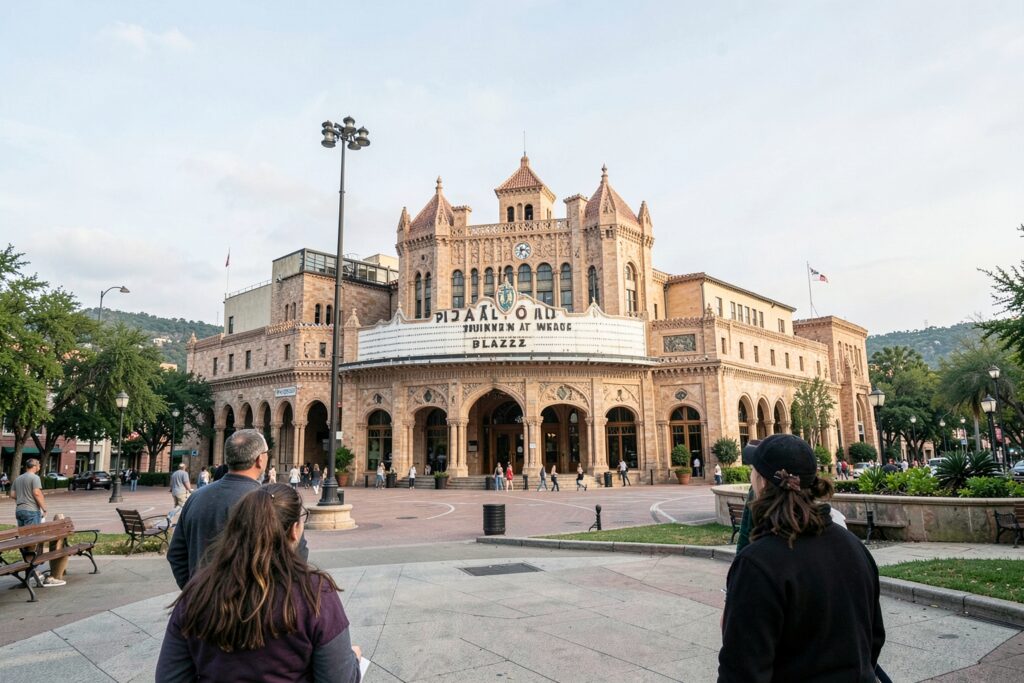
The Plaza Theatre remains a beloved landmark on Ponce de Leon Ave, making it a must‑see for anyone exploring things to do in atlanta. As the longest operating independent theatre in the city, it delivers a vintage vibe through a mix of indie films, cult classics, and various film festivals.
Visitors enter through the historic front entrance beneath a marquee sign that hints at the night ritual of live reenactments, such as the occasional Rocky Horror Picture Show. The local nonprofit LDOD runs the space, and the Righteous Room often hosts special events on Fridays, offering a truly authentic movie‑going experience.
Showtimes vary, so check the schedule on the theatre’s website. Locate it on Google Maps or call (470) 410‑1939 for details; ticket prices change by event and some screenings may be free for humans while others have charges apply.
39. Westside Reservoir Park
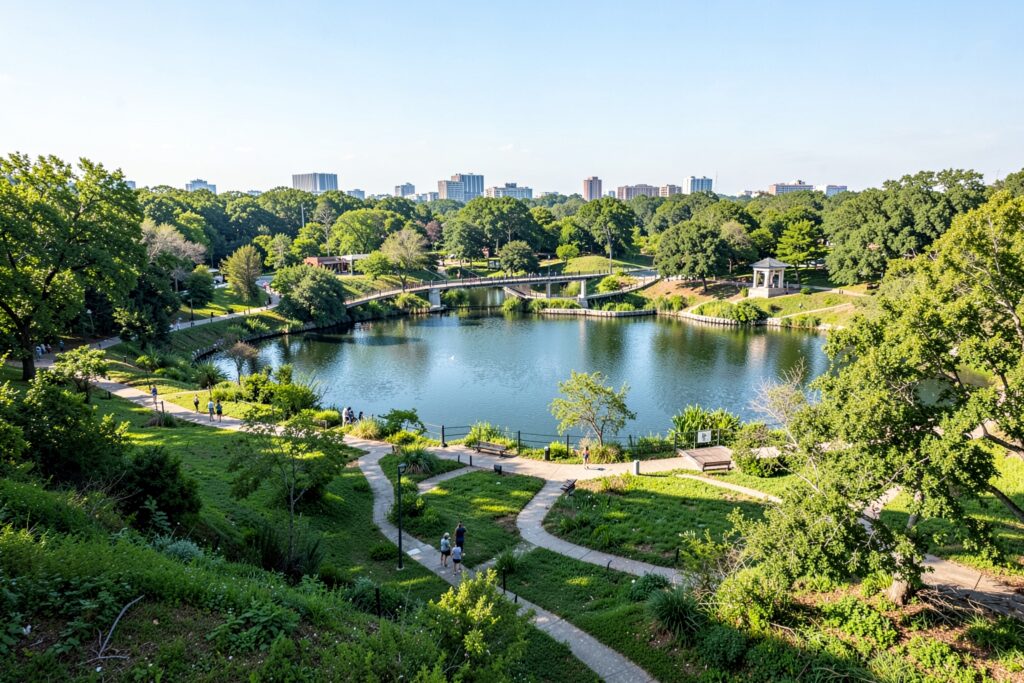
Westside Reservoir Park is a top choice for outdoor lovers among the things to do in atlanta. Once a rock quarry, this 280‑acre greenspace now features paved trails, a yellow loop for bikers, and grassy meadows that overlook the downtown skyline.
The park’s deep reservoir holds billions of gallons of emergency water, making it a vital water reserve for the city. Its viewing platform offers a perfect spot for fans of movies and television, as the site has appeared in series like Stranger Things and The Walking Dead. Nature lovers can also explore Westside Park’s biking trails that wind through mostly secluded areas.
Hours run daily from 6 am to 11 pm, and admission is free. Plan a visit using Google Maps and call (404) 546‑6813 for any updates.
40. Fetch Park
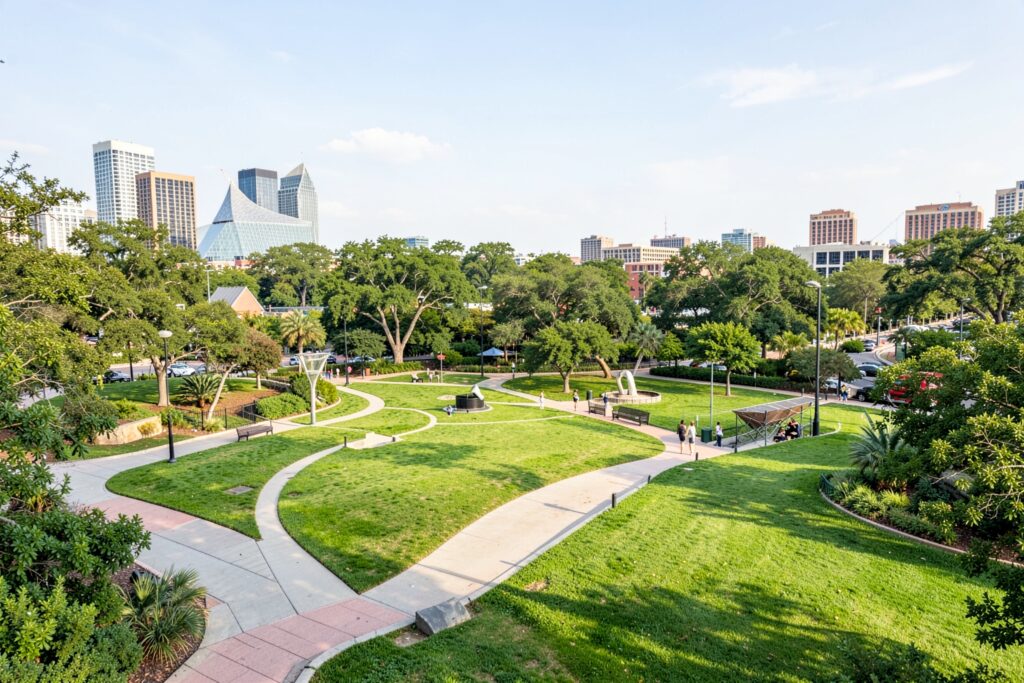
Fetch Park adds a unique off‑leash dog park experience to the list of things to do in atlanta. Located in the Old Fourth Ward, the space lets humans relax for free while canine companions run and play.
Each of the four locations (including sites in Westside, Buckhead, and Alpharetta) charges $15 per day or $35 per month per dog. Dog lovers will find friendly pups, and it’s totally fine for someone else’s dog to join as long as owners respect the initiating contact rules. Even if you’re traveling without a pet, you can still enjoy the atmosphere; guests are welcome to watch other dogs, drink while they socialize, and meet other people’s dogs.
Check hours and specific entry rules on Google Maps before you go, and remember to respect boundaries and plan ahead for a smooth visit.
41. Marietta Square
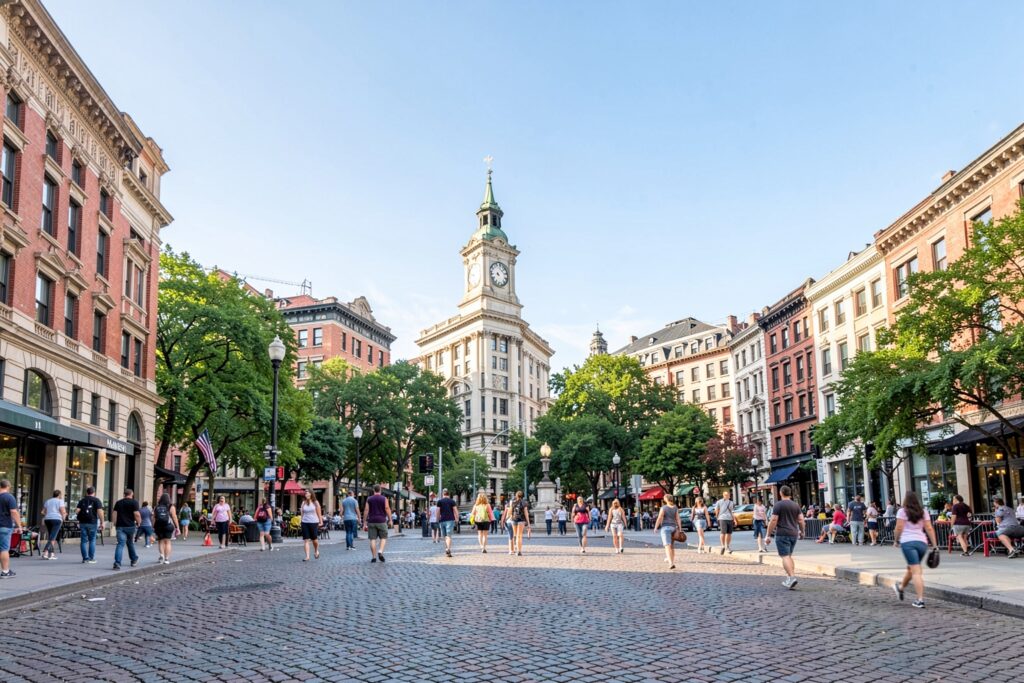
When you picture a Southern square, you probably imagine Marietta Square with its central fountain surrounded by stately trees. The gathering spot of Marietta, a town less than 30 minutes northwest of Atlanta, is lined with buzzy shops and restaurants that offer everything from minimalist plated dishes to old‑timey comfort food. The scene is complete with a small town feel, and the plaza feels like a go‑to place for a relaxed brunch or a late‑night pizza.
The historic Strand theater adds an elegant, historic theater vibe, while Brian So’s provides seasonally‑driven Southern cuisine that locals love. DK Gallery and Antiques adds a cultural touch, making the square a go‑to place for both history buffs and shoppers. The neighborhood’s picturesque vibe even attracts artists across the area, who often set up pop‑up stalls along the fountain’s path.
Whether you’re strolling past the fountain, joining a ghost tour, or enjoying a spring brunch, Marietta Square delivers a full review of town charm and is a must‑see on any list of things to do in Atlanta. The café on the corner is a lovely spot where you can imagine something sweet while sipping a cocktail‑like coffee.
42. Street Art in Cabbagetown
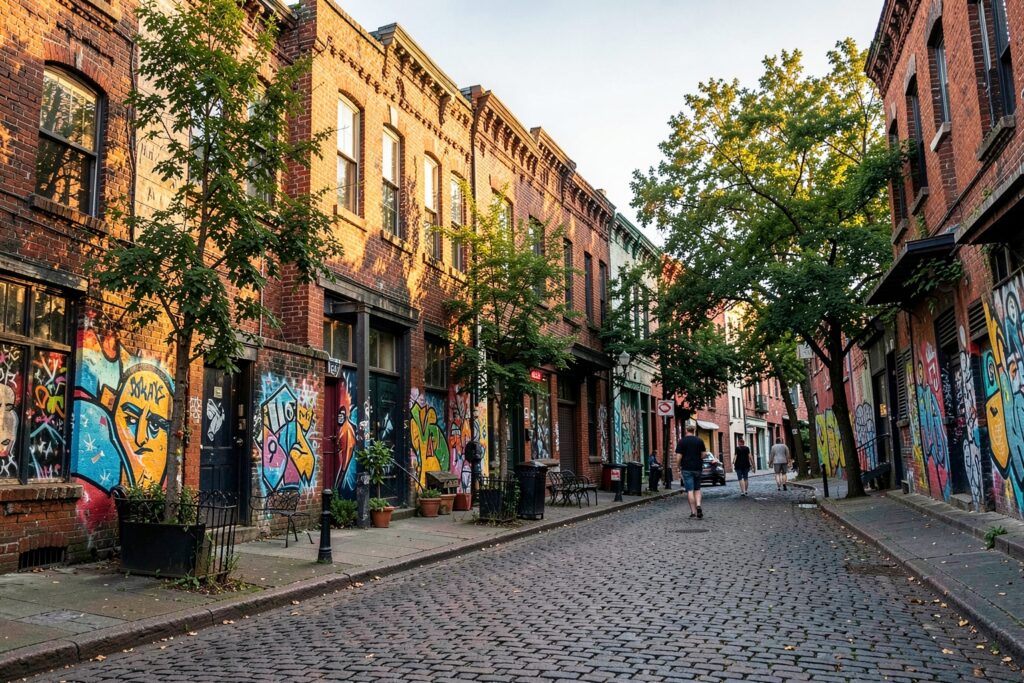
Cabbagetown is an eclectic neighborhood that was once a bustling mill town. Its narrow streets wind past old factories and classic bungalows, creating the perfect backdrop for some of the city’s best murals. Walking through this former mill area, you’ll often turn a corner and discover something unexpected, a vibrant piece of street art that captures the spirit of Atlanta’s creative scene.
Exploring Cabbagetown adds a colorful layer to any itinerary of things to do in Atlanta. The neighborhood’s seating area in the park is a favorite for artists and photographers alike, and the old-timey charm is echoed in the historic storefronts that line the streets.
43. Underground Atlanta Arts & Entertainment District
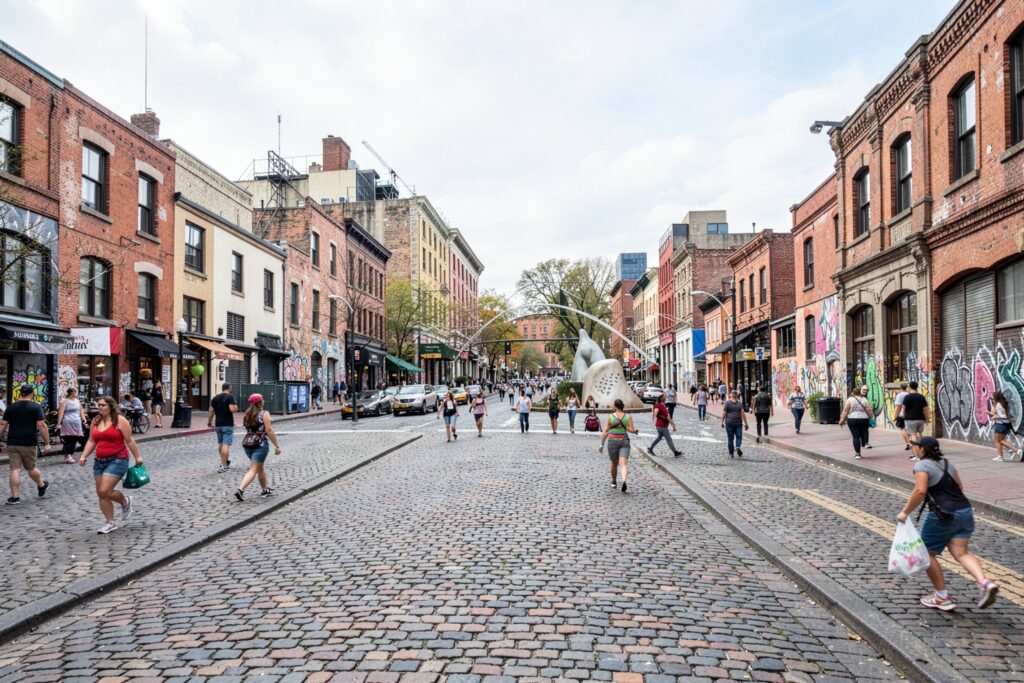
Underground Atlanta is the go‑to destination for nightlife in Downtown and a hub of thriving club scene. The historic Dante’s Down the Hatch now houses MJQ, a lively venue that hosts live DJs, karaoke and LGBTQ‑friendly events. It feels like Heaven for night owls, with a hint of Hell in the wildest raves, and Purgatory for those who enjoy a more mellow vibe.
Open Tue‑Sat from 6 pm to 2 am and Sunday until midnight (closed Mondays), the venue offers frozen cocktails, a late‑night pizza joint, and even a cat therapy lounge for a unique experience. Dance clubs, music venues and art galleries line the underground passage, creating an underground art atmosphere that fuels the city’s vibrant entertainment.
From a bustling jewelry store to a barber shop and a lively pizza joint, the district offers a long night of diverse options, making it an essential stop for anyone seeking things to do in Atlanta after dark. Thursdays are especially popular for live music nights featuring DJs and karaoke.
44. Virginia-Highland District
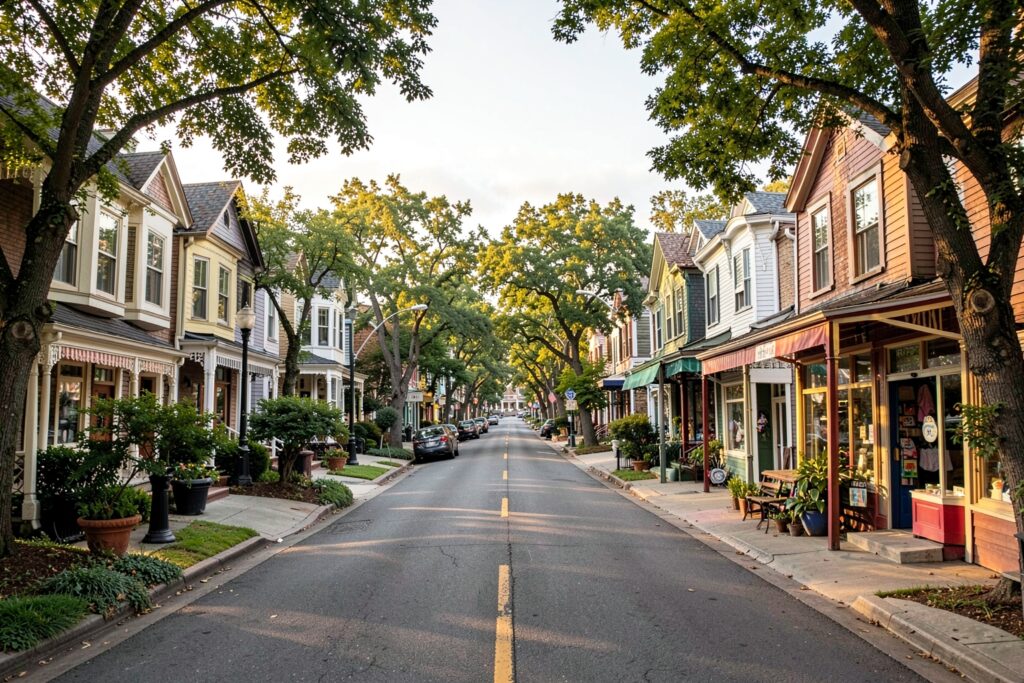
The Virginia‑Highland neighborhood, named for the intersection of Virginia and North Highland Avenues, feels like a mini city break within Atlanta’s city limits. Historic craftsman homes and charming cottages line the streets, offering a picturesque backdrop for an afternoon stroll. The area is a go‑to destination for those who love a neighborhood that feels like a small town.
The booming retail district includes beloved spots such as George’s bar and the go‑to Murphy’s for brunch. Coffee lovers can think lattes at Academy Coffee, where cocktail‑like coffee drinks and fanciful syrups are served in cushy seating. The bar’s patio is a lovely spot to enjoy a sunset while listening to local DJs.
Independent bookstores like Highland Books, Kinship Butcher and other exciting newcomers add to the neighborhood’s appeal, making Virginia‑Highland a must‑visit spot for any traveler exploring things to do in Atlanta. The area’s vibrant scene is highlighted by the regular presence of artists across the streets, creating a unique live art experience for visitors.
Free Things to Do in Atlanta
Atlanta offers a vibrant mix of parks, historic sites, and cultural experiences that won’t dent your travel budget. Whether you’re strolling through green spaces or exploring the city’s storied neighborhoods, you’ll find plenty of free options to enrich your visit.
Piedmont Park – The city’s flagship park stretches across 184 acres, offering walking trails, a dog park, and seasonal events such as outdoor concerts and farmers markets.
Centennial Olympic Park – Built for the 1996 Games, the park hosts the Fountain of Rings and frequent community gatherings, all free to access.
World of Coca-Cola Museum Café – While the main exhibit requires admission, the café’s outdoor patio provides a relaxing spot for visitors to sample local snacks without a ticket.
High Museum of Art Sculpture Garden – The outdoor garden opens to the public at no cost, showcasing rotating installations by contemporary artists.
Atlanta BeltLine Eastside Trail – A 22‑mile loop that connects neighborhoods and parks; perfect for biking, walking, or a leisurely stroll.
Martin Luther King Jr. National Historical Park – The museum and surrounding grounds offer free guided tours, though a small donation is encouraged.
SkyView Atlanta Observation Wheel – Free for children under 5; adults enjoy discounted tickets, but the surrounding park area remains free for picnicking and walking.
Westside Reservoir Park – A reclaimed industrial site now home to a lake, walking paths, and art installations, all open at no charge.
Riverwalk Park – Located along the Chattahoochee River, this promenade features scenic views, playgrounds, and seasonal festivals.
Historic Fourth Ward Park – A green oasis with a playground, reflecting pond, and walking paths, ideal for a casual afternoon.
Atlanta History Center’s Public Garden – While the indoor exhibits have an entrance fee, the surrounding garden area is free to enjoy.
Street Art in Cabbagetown – A self‑guided walk showcases murals and installations created by local artists, offering a colorful visual experience.
Petting Zoo at Atlanta Zoo’s “Zoo Farm” – The farm area is free to walk through, though some interactive experiences may have a nominal fee.
First Friday Gallery Walks – On the first Friday of each month, galleries across Midtown and Buckhead open their doors to the public for free.
Public Library Branches – Many branches host free events, book clubs, and workshops that are open to all ages.
Historic Peachtree Street – A pedestrian‑friendly stretch where you can window shop, enjoy street musicians, and explore historic architecture.
Atlanta Public Art Trail – A curated route that highlights public sculptures and murals throughout the city.
Neighborhood Festivals – Seasonal events such as the Atlanta Jazz Festival and the Ponce City Market Street Fair offer free performances and food samples.
Walking Tours of Historic Districts – Self‑guided tours of the Fairlie‑Poplar Historic District or Virginia‑Highland reveal local architecture and history without a cost.
These free attractions provide a comprehensive sampling of Atlanta’s culture, history, and natural beauty, making them essential stops on any itinerary focused on things to do in Atlanta without breaking the bank.
Getting Around Atlanta
Atlanta’s transit network makes it easy to explore the city while you chase the top things to do in Atlanta. The MARTA rail and bus system connects downtown, Midtown, the Airport and major attractions such as the Georgia Aquarium and the World of Coca‑Cola. Trains run every 10 minutes on weekdays and every 20 minutes on weekends; a single ride costs $2.50, while a day pass is $5.
Services like Uber and Lyft are widely available and often the quickest way to reach neighborhoods not served by rail, such as Little Five Points or West Midtown. Taxis can be flagged at the airport curb, with fares starting around $35 to downtown.
CoBike stations dot the city center, offering affordable short‑term rentals for cyclists who prefer a green option. Many attractions cluster within a walkable radius, especially around the BeltLine, making pedestrian travel both pleasant and practical.
For trips beyond the core, rental agencies at Hartsfield‑Jackson Atlanta International Airport provide a range of vehicles. Several hotels also operate complimentary shuttles to the airport and nearby MARTA stations.
Where to Stay in Atlanta
Choosing the right neighborhood can shape your entire Atlanta experience. Whether you crave historic charm, upscale shopping, or vibrant nightlife, the city offers neighborhoods that cater to every travel style. Below are some top picks that keep you close to the city’s best attractions and make exploring things to do in Atlanta a breeze.
Midtown – A hub of culture and commerce, Midtown hosts the High Museum of Art, the World of Coca‑Cola, and the Fox Theatre. Staying here puts you within walking distance of Piedmont Park and the BeltLine, so you can enjoy green space and urban art with equal ease.
West Midtown – Known for its trendy restaurants and craft breweries, West Midtown is ideal for foodies. The area is also a shortcut to the BeltLine and offers easy access to the World of Coca‑Cola and the Georgia Aquarium.
Inman Park – This historic district boasts tree‑lined streets, Victorian homes, and a bustling farmer’s market.
Its proximity to the Atlanta History Center and the Fox Theatre makes it a charming choice for visitors who love a blend of history and contemporary culture.
Virginia‑Highland – A lively neighborhood with boutique shops, cozy cafés, and a relaxed atmosphere. Virginia‑Highland is close to the Atlanta BeltLine, the High Museum of Art, and several parks, offering both convenience and a distinctly local feel.
East Atlanta Village – A bohemian enclave famous for its music venues, street art, and eclectic eateries.
Staying here places you near the Atlanta BeltLine’s Eastside Trail and provides easy access to nightlife and cultural spots.
Old Fourth Ward – Home to the 15‑mile BeltLine loop and the historic Oakland Cemetery, this neighborhood is perfect for those who want a mix of outdoor recreation and historic intrigue. The area is also close to the World of Coca‑Cola and the World of Coca‑Cola.
Ponce City Market – For a unique lodging experience, consider a boutique hotel inside the revitalized Ponce City Market.
Guests enjoy panoramic views, on‑site dining, and a short walk to the Georgia Aquarium and the BeltLine.
Downtown – If you’re looking for a central base, downtown offers a range of luxury and mid‑scale hotels with quick access to the Mercedes‑Benz Stadium, State Farm Arena, and the historic Fourth Street Live entertainment district.
East Downtown (E‑D) – A rapidly evolving area with art galleries, speakeasy bars, and modern condos.
Staying in E‑D keeps you near the World of Coca‑Cola, the Fox Theatre, and several dining options.
Brookhaven – For families or those seeking a quieter environment, Brookhaven offers spacious accommodations and a suburban feel while still being within a 30‑minute drive to downtown attractions like the Georgia Aquarium and the World of Coca‑Cola.
Best Time to Visit Atlanta
Atlanta’s mild winters and warm summers make it a year‑round destination, but the city’s cultural calendar and climate vary significantly by season. If you’re planning things to do in Atlanta, consider the following seasonal highlights.
Temperatures hover between 55°F and 75°F, ideal for outdoor activities like exploring Piedmont Park or strolling the BeltLine.
Spring blooms light up the Atlanta Botanical Garden and the Fernbank Museum of Natural History.
Key events: the annual Atlanta Film Festival, the St. Patrick’s Day Parade, and the vibrant Atlanta Food & Wine Festival.
Days can reach 85°F–95°F; afternoon heat encourages indoor attractions like the Georgia Aquarium and the World of Coca-Cola.
Summer brings the iconic Fourth of July fireworks at Truist Park and the Atlanta Jazz Festival.
Nightlife thrives in neighborhoods such as East Atlanta Village and West Midtown, where bars and live music stay vibrant after dark.
Cooler mornings (50°F–65°F) and dry evenings make it perfect for walking the BeltLine or cycling the East River Trail.
Fall festivals include the Atlanta Food & Wine Festival (again) and the historic Atlanta Public Library Book Festival.
The city’s fall foliage, especially along Peachtree Street, creates picturesque photo opportunities.
Temperatures range from 40°F to 55°F, with occasional snow flurries; a cozy setting for indoor museums such as the High Museum of Art.
Holiday lights illuminate the Atlanta Holiday Lights display, and the Westside Reservoir Park hosts festive events.
Winter is also a quieter travel period, offering lower rates at pet-friendly hotels like the Norwood Hotel.
Choosing the right time depends on your interests: spring for gardens and festivals, summer for sports and nightlife, fall for mild weather and cultural events, and winter for cozy indoor experiences and holiday cheer.
Budget Tips for Exploring Atlanta
Atlanta’s MARTA rail and bus system offers a cheap way to reach most major sights. A one‑day pass costs less than a cup of coffee and covers unlimited rides, making it far cheaper than rideshares or parking fees.
Many of the city’s best experiences cost nothing. Stroll through the Atlanta BeltLine trails, admire the street art on the Rainbow Crosswalk**, and explore the historic Oakland Cemetery**. The Jackson Street Bridge** provides iconic skyline views without an admission fee.
Several attractions sell reduced‑price tickets during off‑peak hours. The Georgia Aquarium and World of Coca‑Cola often offer early‑morning or late‑evening discounts. Check their official websites for “pay‑what‑you‑can” days and seasonal promotions.
Skip tourist‑heavy eateries and head to neighborhood markets such as Krog Street Market or Ponce City Market**. Food stalls and shared‑table concepts let you sample several dishes for the price of a single restaurant meal.
Look for hotels in the West Midtown or Virginia‑Highland areas, where nightly rates are lower than downtown. Many boutique inns offer complimentary breakfast, saving on one more meal each day.
If you intend to visit multiple paid attractions, a city pass can provide up to 30 % off the combined price. Compare the cost of individual tickets with the pass price to ensure you’re getting a real saving.
Conclusion
Atlanta offers a vibrant mix of cultural landmarks, outdoor spaces, and unforgettable experiences, making it a top destination for any traveler. From world‑class museums and historic sites to bustling markets and lively neighborhoods, the city provides endless options for things to do in Atlanta.
With its easy‑to‑navigate public transit, diverse lodging choices, and year‑round events, planning a trip is straightforward. Whether you’re seeking art, history, food, or family fun, the Peach State’s capital delivers memorable moments at every turn.
Start mapping your itinerary today and discover why Atlanta remains a favorite spot for explorers from across the United States.
More Atlanta travel guides:
similar posts
8 Things to Do in Tampa: Top Attractions, Tours & Adventures
52 Things to Do in Orlando: Top Attractions, Parks & Hidden Gems
49 Things to Do in Miami: Top Attractions, Beaches, and Culture
39 Things to Do in Colorado Springs: Top Attractions & Outdoor Adventures
23 Things to Do in San Diego: Must-See Attractions and Insider Tips
48 Things to Do in Los Angeles: Top Attractions, Tours & Tips