
When to Visit Japan: Cherry Blossoms, Skiing, and Everything in Between (2026)

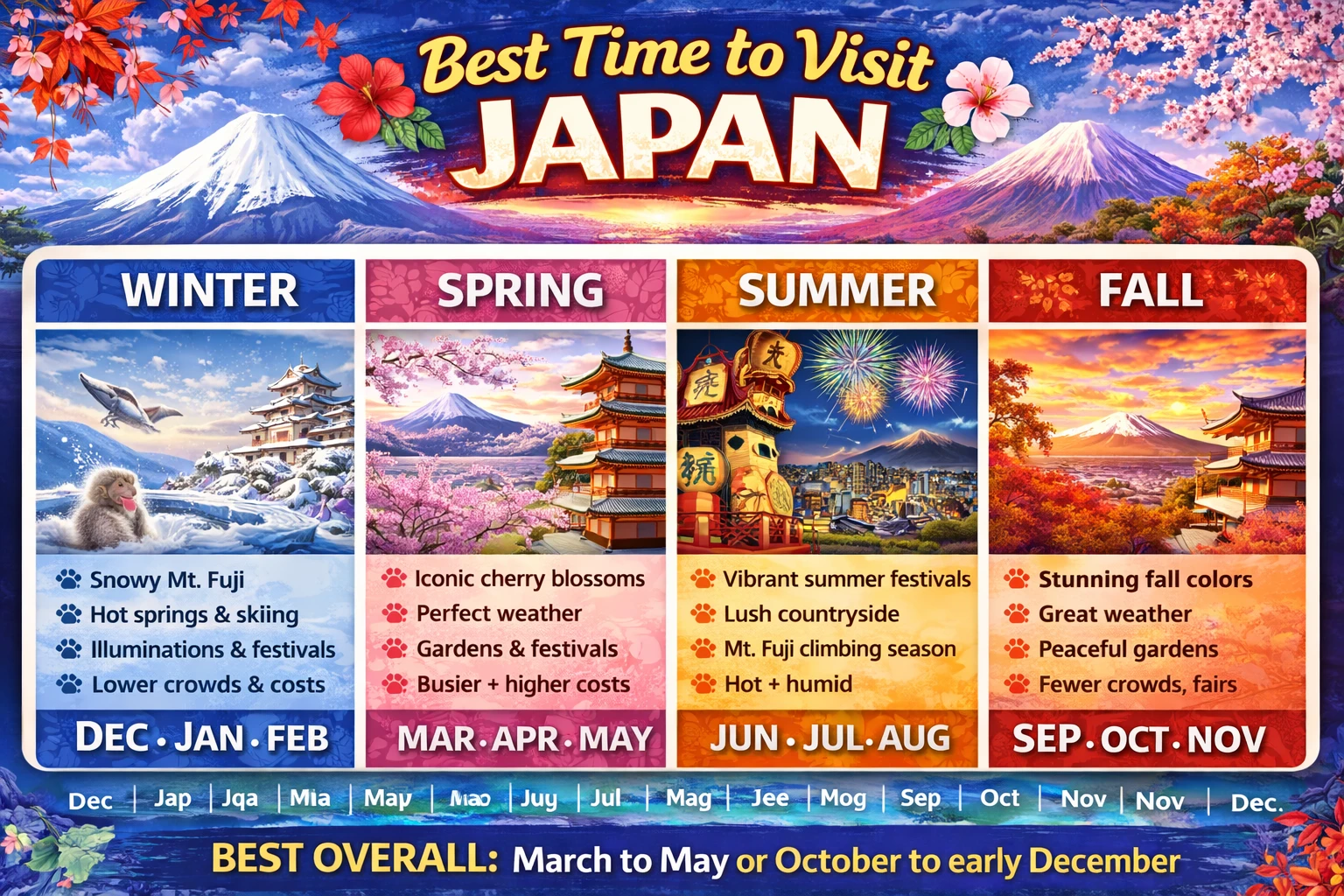
You’re dreaming of a trip to Japan but feel overwhelmed by the seasonal choices, wondering when you’ll get the perfect mix of weather, festivals, and manageable crowds. The best time to visit Japan truly depends on what you want to experience, as each season paints the country in a dramatically different light. From the iconic cherry blossoms of spring to the fiery autumn leaves and pristine winter snowscapes, timing is everything for an unforgettable journey.
Finding the Best Time to Visit Japan for You
Japan is a year-round destination, but your ideal window hinges on your priorities: weather, cultural events, budget, and crowd tolerance. There’s no single “perfect” month, but there is a perfect season for your travel style. This guide breaks down the pros and cons of each period in 2026, helping you match your dream itinerary with the ideal time to go.
1. Late March to Early April: Cherry Blossom Season
This is Japan’s most famous and fleeting season, a magical time when sakura (cherry blossoms) transform parks and riverbanks into clouds of pink and white. The atmosphere is festive with hanami (flower-viewing) parties. However, it’s also the most crowded and expensive time of year. The bloom sweeps northward from late March in Kyushu to early May in Hokkaido, with the peak in Kyoto and Tokyo typically in early April. Best for: First-time visitors, romantics, photographers, and those who don’t mind planning far in advance and paying a premium for the iconic experience.
Key Details for 2026: The Japan Meteorological Corporation releases bloom forecasts about a month in advance, but for 2026, expect peak bloom in Tokyo/Kyoto around April 2-10. Book flights and accommodation at least 6-8 months ahead. While iconic spots like Tokyo’s Ueno Park are packed, seek out lesser-known gardens or evening illuminations (yozakura) for a slightly more serene experience. Weather is mild but can be unpredictable with occasional spring showers.
2. Mid to Late April: Post-Blossom Sweet Spot
If you miss the peak bloom by a week or two, you’ve actually hit a fantastic sweet spot. The crowds and prices begin to drop significantly, the weather is consistently pleasant and sunny, and you can still enjoy the fresh green foliage (shinryoku) of spring. Many gardens remain beautiful, and you might catch late-blooming varieties or the stunning wisteria tunnels at places like Ashikaga Flower Park. Best for: Travelers seeking good weather without the peak sakura crowds, garden enthusiasts, and city explorers.
Key Details for 2026: This period avoids Japan’s “Golden Week” (a cluster of national holidays from late April to early May), which in 2026 will see major domestic travel from April 29 to May 6. Aim for the weeks of April 12-25 for the best balance. It’s a perfect time for hiking, exploring Kyoto’s temples, or biking around the countryside. Pack layers, as evenings can still be cool.
3. May (excluding Golden Week): Fresh Green Season
May, particularly after Golden Week ends, is arguably one of the most comfortable times to visit Japan. The weather is warm and sunny, humidity is low, and the countryside is vibrantly green. It’s festival season, with events like Tokyo’s Sanja Matsuri and Kyoto’s Aoi Matsuri featuring grand historical processions. It’s ideal for outdoor activities from Hokkaido to Okinawa. Best for: Hikers, festival-goers, nature lovers, and travelers who prioritize perfect weather.
Key Details for 2026: Target May 7-31. This is prime time for visiting the Japanese Alps, the rural villages of Shirakawa-go, or the scenic coastlines. Rural areas will be quiet and stunning. Remember that Hokkaido’s spring arrives later, so this is a great time to head north for tulip fields and comfortable sightseeing. Book accommodation a few months in advance for this popular period.
4. June: The Rainy Season (Tsuyu)
Early summer brings the tsuyu (rainy season) to most of Japan except Hokkaido. It’s characterized by overcast skies and persistent, often heavy, drizzle. While it might not sound appealing, it has its charms: lush, emerald-green landscapes, dramatic misty mountain views, and far fewer tourists. It’s also the season for stunning hydrangea (ajisai) blooms at temples like Tokyo’s Meigetsu-in. Best for: Budget travelers, photographers seeking moody atmospheres, and those who enjoy empty temples and museums.
Key Details for 2026: The rainy season typically runs from early June to mid-July in Tokyo/Kyoto. Travel can be cheaper, but you must pack a good umbrella, waterproof shoes, and a rain jacket. Focus on indoor activities like museums, onsens, depachika (department store food halls), and shopping arcades. The rain is rarely torrential all day, so you’ll still get out and about.
5. July: Summer Festivals & Fireworks
Once the rains clear in mid-July, Japan erupts into a vibrant summer festival season. Cities host spectacular fireworks displays (hanabi taikai), and you can experience iconic events like Kyoto’s Gion Matsuri (throughout July) and Osaka’s Tenjin Matsuri (July 24-25, 2026). Be warned: it’s also the start of the hot and very humid season. Best for: Festival fanatics, nightlife lovers, and travelers with high heat tolerance.
Key Details for 2026: This is a major domestic travel period, so book early. The heat is intense, especially in cities. Plan your days with air-conditioned breaks, visit in the early morning or evening, and embrace summer treats like kakigori (shaved ice). Head to cooler mountainous regions like Kamikochi or the northern island of Hokkaido to escape the worst of the humidity.
6. August: Mountain Escapes & Obon
August is peak summer heat and the time of Obon (mid-August), a Buddhist holiday when people return to their hometowns. Travel can be hectic and expensive during Obon (around Aug 13-16, 2026). However, it’s a fantastic time to head to the mountains for hiking or to the northern regions for comfort. It’s also the season for thrilling festivals like Aomori’s Nebuta Matsuri. Best for: Hikers (in the Alps), festival seekers, and travelers heading to Hokkaido or the Tohoku region.
Key Details for 2026: If you must travel during Obon, book trains and flights well in advance. Consider basing yourself in a cooler area like Hakone or Karuizawa. Beach destinations like Okinawa are popular but also hot and prone to typhoons. Always have a flexible itinerary in late summer due to potential typhoon disruptions.
7. September: Transition to Autumn
September begins hot but becomes more pleasant by the month’s end. It’s a shoulder season with lower crowds and prices. You can enjoy the last of summer’s energy and the early hints of autumn. The rice fields turn golden, and harvest festivals begin. Typhoon season is still active, especially in the first half. Best for: Travelers seeking value, foodies (it’s harvest season for many fruits and vegetables), and those who don’t mind a bit of weather uncertainty.
Key Details for 2026: Early September can still be very warm. It’s a great time for food tours, visiting sake breweries for the new season’s rice, and exploring cities without the crowds. Have a backup plan for indoor activities in case of a rainy typhoon day. By late September, the air becomes crisp in northern Japan (Tohoku, Hokkaido), where autumn colors start appearing.
8. October: Perfect Autumn Weather
October is a rival to May for the title of most pleasant month. The humidity is gone, skies are clear, and temperatures are mild across most of the country. Autumn foliage (koyo) begins its southward march, starting in Hokkaido and the Alps. It’s an exceptional time for hiking, cycling, and exploring both cities and countryside. Best for: Almost everyone—especially hikers, photographers, and outdoor enthusiasts.
Key Details for 2026: This is a very popular month, so book accommodation a few months in advance. Combine city culture in Kyoto or Tokyo with day trips to mountainous areas like Nikko or Hakone for stunning early foliage. Food highlights include matsutake mushrooms and sweet persimmons. The weather is ideal for wearing light layers.
9. Late October to Late November: Peak Koyo Season
Like the cherry blossoms, the brilliant reds and yellows of autumn create a nationwide spectacle. The peak moves from north to south from October to December. Crowds flock to famous koyo spots like Kyoto’s temples and Nikko’s lakes, but the beauty is undeniable. The weather turns crisper, especially in November. Best for: Photographers, nature lovers, and travelers who appreciate cooler weather and stunning scenery.
Key Details for 2026: Peak colors typically hit Kyoto/Tokyo in mid-to-late November. Popular temples like Kiyomizu-dera will be crowded—visit right at opening or seek out lesser-known spots. It’s a wonderful time for onsen visits, as soaking in hot springs feels perfect in the cool air. Pack a warm jacket for November evenings.
Late October to Late November: Peak Koyo Season can be a strong window for travelers planning the when to visit japan: cherry blossoms, skiing, and everything in between (2026), especially if you care about the balance between weather, crowds, and overall comfort. Conditions during this period often shape trail access, sightseeing quality, hotel pricing, and how easy it is to enjoy the destination at a relaxed pace.
For many visitors, late october to late november: peak koyo season is best when the goal is matching the trip to your priorities. If you plan around sunrise activities, flexible bookings, and the most popular attractions, this timing can help you get a more rewarding and better organized trip.
10. Early December: Winter Illuminations & Quiet
The autumn crowds have dispersed, but the bitter cold of deep winter hasn’t yet set in. Cities sparkle with extravagant winter illuminations, and Christmas markets add a festive feel. It’s a relatively quiet and affordable time to visit, with clear, crisp days. You might even catch the last of the fall colors in Kyoto or early snowfall in the Alps. Best for: Couples, shoppers, and travelers seeking a festive atmosphere without the peak season prices.
Key Details for 2026: This is a fantastic time for city breaks. Enjoy the illuminations in Tokyo’s Roppongi or Osaka’s Midosuji Boulevard. December 1-20 is the sweet spot before year-end travel begins. It’s also the season for delicious fugu (blowfish) and crab. Days are short, so plan to make the most of daylight hours.
11. Late December to Early January: New Year’s Holidays
This is a unique cultural experience but a challenging time to travel. From December 29 to January 3, the country essentially shuts down for Shogatsu (New Year). Many businesses, museums, and restaurants are closed as people spend time with family. However, experiencing temple bell-ringing on New Year’s Eve and the first shrine visit (hatsumode) is unforgettable. Best for: Cultural purists wanting to experience a major Japanese holiday, and those with friends or family in Japan.
Key Details for 2026: Domestic travel is extremely busy. Book everything very early. Expect limited services from Dec 31-Jan 3. If you visit, plan to be in one place, embrace the tradition, and enjoy special New Year’s food (osechi ryori). After Jan 4, things return to normal, and you can enjoy the New Year sales.
12. January & February: Winter Wonderlands
Winter is the season for world-class powder skiing in Hokkaido (Niseko, Furano) and the Japanese Alps. Cities are cold but sunny, and incredibly tourist-free compared to other seasons. You can find great travel deals. Highlights include steaming outdoor onsens surrounded by snow and vibrant winter festivals like the Sapporo Snow Festival (early February 2026). Best for: Skiers, snowboarders, onsen lovers, festival-goers, and budget travelers.
Key Details for 2026: The Sapporo Snow Festival is a major draw—book Sappoto accommodation a year in advance if attending. Elsewhere, you’ll find great value. Pack seriously warm clothing. This is also the season for hearty comfort food like hot pot (nabe) and warm sake. Southern regions like Okinawa remain mild, offering a warm escape.
13. Late February to Early March: Plum Blossoms & Winter’s End
While still chilly, the days begin to lengthen, and the first flowers—the fragrant ume (plum blossoms)—appear. Viewing them is a quieter, more local affair than sakura season. You can enjoy sights like Kairakuen Garden in Mito without the crowds. It’s a last chance to enjoy winter activities before the thaw. Best for: Travelers seeking serenity, early bloom chasers, and those who enjoy crisp weather.
Key Details for 2026: Plum blossoms typically peak from late February to mid-March. It’s a wonderful time for garden visits and hot spring trips. The weather is unpredictable—you could have a sunny, cool day or a late snowfall. It remains a value season before the spring rush begins.
Late February to Early March: Plum Blossoms & Winter’s End can be a strong window for travelers planning the when to visit japan: cherry blossoms, skiing, and everything in between (2026), especially if you care about the balance between weather, crowds, and overall comfort. Conditions during this period often shape trail access, sightseeing quality, hotel pricing, and how easy it is to enjoy the destination at a relaxed pace.
For many visitors, late february to early march: plum blossoms & winter’s end is best when the goal is matching the trip to your priorities. If you plan around sunrise activities, flexible bookings, and the most popular attractions, this timing can help you get a more rewarding and better organized trip.
14. Shoulder Season Summary: April (post-blossom) & October
These two months consistently offer the best all-around conditions: mild, stable weather, manageable crowds, and beautiful natural scenery (spring greens or autumn hues). They are the “goldilocks” periods for travelers who want to experience Japan’s outdoor and urban delights in comfort. Best for: The majority of travelers who want a balanced, pleasant, and photogenic trip.
Key Details for 2026: Mark April 12-30 and the entire month of October (avoiding Silver Week in September if it occurs) as top contenders on your calendar. These periods require solid advance planning but not the extreme lead time of cherry blossom season. They are ideal for multi-city itineraries and diverse activities.
Shoulder Season Summary: April (post-blossom) & October can be a strong window for travelers planning the when to visit japan: cherry blossoms, skiing, and everything in between (2026), especially if you care about the balance between weather, crowds, and overall comfort. Conditions during this period often shape trail access, sightseeing quality, hotel pricing, and how easy it is to enjoy the destination at a relaxed pace.
For many visitors, shoulder season summary: april (post-blossom) & october is best when the goal is matching the trip to your priorities. If you plan around sunrise activities, flexible bookings, and the most popular attractions, this timing can help you get a more rewarding and better organized trip.
15. For Budget Travelers: June & January-February
If your primary goal is to minimize costs, target the low-season periods. June (rainy season) and January-February (deep winter, excluding Sapporo festival weeks) offer the most significant savings on flights and accommodation. You’ll trade perfect weather for affordability and empty sights. Best for: Students, backpackers, and anyone prioritizing budget over climate.
Key Details for 2026: Be strategic: embrace what these seasons offer (hydrangeas, snow festivals, onsens) rather than fighting them. You’ll have more flexibility and can often book things last minute. Invest in the right gear (waterproof or thermal) to stay comfortable and enjoy the unique atmosphere.
For Budget Travelers: June & January-February can be a strong window for travelers planning the when to visit japan: cherry blossoms, skiing, and everything in between (2026), especially if you care about the balance between weather, crowds, and overall comfort. Conditions during this period often shape trail access, sightseeing quality, hotel pricing, and how easy it is to enjoy the destination at a relaxed pace.
For many visitors, for budget travelers: june & january-february is best when the goal is matching the trip to your priorities. If you plan around sunrise activities, flexible bookings, and the most popular attractions, this timing can help you get a more rewarding and better organized trip.
16. For Avoiding Crowds: June, September, January
While no time is completely empty, these months see the fewest international tourists. June has the rainy weather, September has typhoon risk and residual heat, and January has the cold. If you value having temples, museums, and trains to yourself, these are your windows. Best for: Introverts, repeat visitors, photographers wanting clean shots, and slow travelers.
Key Details for 2026: In these months, you can be more spontaneous. Walk into popular restaurants without a reservation, find last-minute hotel deals, and enjoy public spaces without the bustle. Your experience will feel more local and immersive, though some seasonal attractions or rural lodgings may be closed.
For Avoiding Crowds: June, September, January can be a strong window for travelers planning the when to visit japan: cherry blossoms, skiing, and everything in between (2026), especially if you care about the balance between weather, crowds, and overall comfort. Conditions during this period often shape trail access, sightseeing quality, hotel pricing, and how easy it is to enjoy the destination at a relaxed pace.
For many visitors, for avoiding crowds: june, september, january is best when the goal is matching the trip to your priorities. If you plan around sunrise activities, flexible bookings, and the most popular attractions, this timing can help you get a more rewarding and better organized trip.
Conclusion
Choosing the best time to visit Japan is less about finding a single perfect date and more about matching a season to your personal travel style. Whether you’re chasing the pink haze of sakura, the fiery drama of koyo, the powder snow of Hokkaido, or the festive energy of summer matsuri, Japan delivers a profound experience year-round. For 2026, define your priorities—weather, festivals, budget, or crowds—and let that guide you. No matter when you land, you’ll discover a country that is endlessly captivating, deeply cultural, and always welcoming. Start planning, book key items early, and get ready for an adventure of a lifetime.
similar posts
Where to Stay in San Diego in 2026: Best Neighborhoods & Hotels
17 Essential Travel Photography Tips for 2026: Capture Your Adventures Like a Pro
The Ultimate Guide to the Top 10 Places to Visit in the World in 2026
15 Essential Business Travel Tips for 2026: Work Smarter on the Road
15 Must-See Places to Visit in the US in 2026
Best Time to Visit the Grand Canyon in 2026