
The Ultimate Guide to the Best Time to Visit Hawaii in 2026

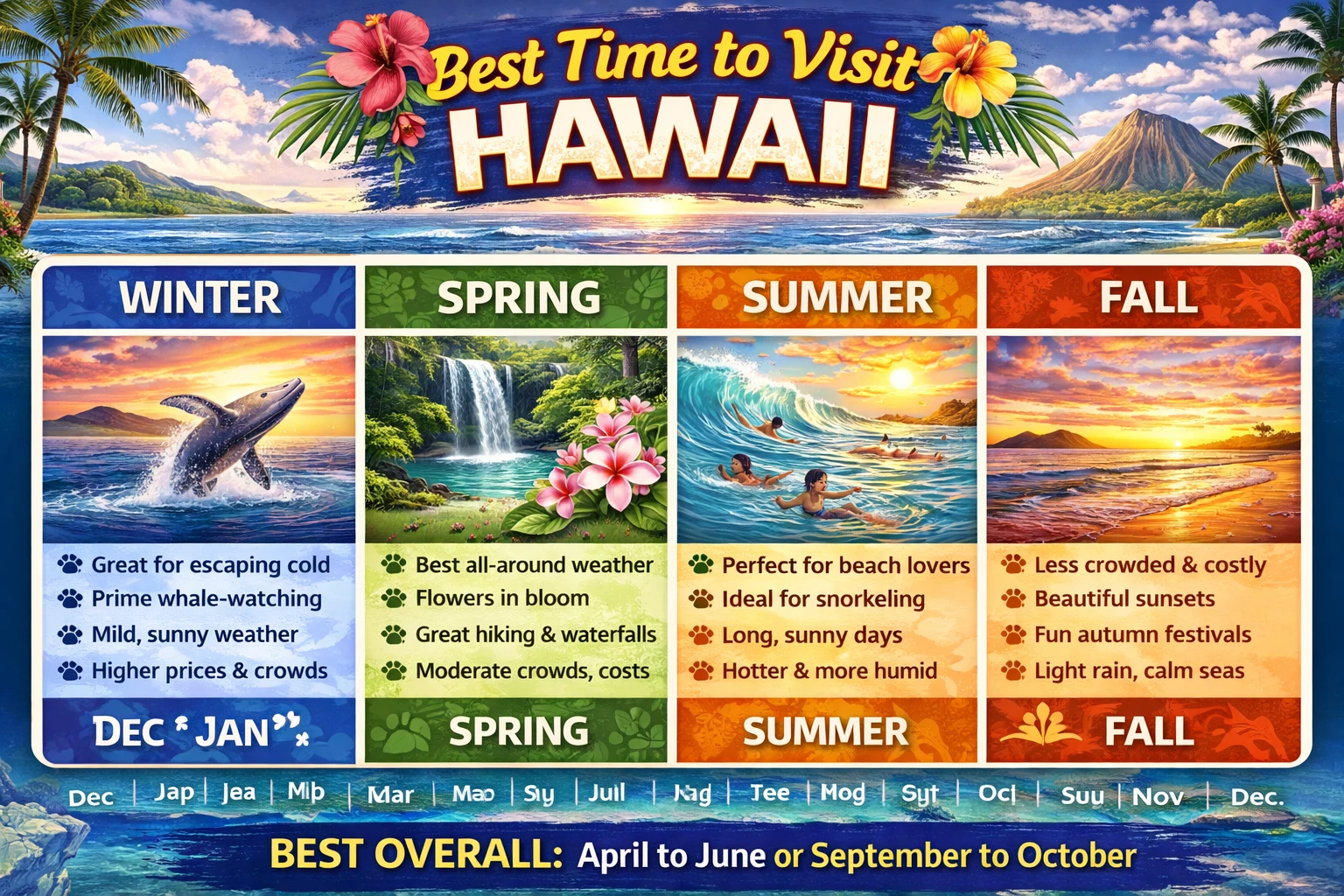
Deciding when to plan your Hawaiian getaway can be overwhelming with so many factors to consider. The best time to visit Hawaii is during the shoulder seasons of April-May and September-October for the ideal mix of great weather, fewer crowds, and better value. While Hawaii is a year-round destination, understanding the seasonal rhythms of its islands is key to crafting your perfect trip. Let’s break down the calendar so you can find your personal paradise window.
Finding the Best Time to Visit Hawaii
The “best” time truly depends on what you prioritize: perfect surf, whale watching, budget-friendly deals, or festival culture. Hawaii’s weather is famously mild, but its visitor traffic, ocean conditions, and prices fluctuate significantly. This guide will walk you through every month and season for 2026, helping you match your travel style with the islands’ annual cycle.
1. January: For Whale Watchers & Surf Enthusiasts
Best for: Nature lovers and adventure seekers willing to navigate peak prices.
January is prime time in Hawaii for two spectacular natural events. The Pacific humpback whales are at their peak, with thousands congregating in the warm waters, especially around Maui’s Auau Channel. You can spot them from shore or book a dedicated cruise. This is also when the North Shore of Oahu sees its legendary big wave surf competitions, like the Eddie Aikau, if conditions are right. Be prepared for winter weather: more rain, especially on north and east shores, and cooler evenings. It’s also one of the most expensive and crowded months, following the holiday rush.
Key Consideration: Book accommodations and inter-island flights very early. Pack a light rain jacket and warmer layers for the evenings.
2. February: Romantic Sunsets & Celebratory Culture
Best for: Couples and cultural explorers.
February continues the whale-watching bonanza and sees a slight dip in crowds after January, though it remains busy. The weather is similar—pleasant days, chance of rain, and vibrant green landscapes. It’s a fantastic month for romance, with Valentine’s Day offering special dining and resort experiences. Culturally, don’t miss the annual Narcissus Festival in Honolulu’s Chinatown, celebrating the Lunar New Year with parades and fireworks. Prices are still at peak levels, so this isn’t a budget month.
Key Consideration: For a romantic trip, look for resorts offering inclusive packages. Dining reservations for Valentine’s Day week should be made months in advance.
3. March: Spring Break & Warming Waters
Best for: Families and groups seeking vibrant energy.
March marks the beginning of the transition from winter to spring. Whale watching is still excellent early in the month. The ocean begins to calm on the north shores, making water activities more accessible island-wide. However, be aware that the last two weeks of March coincide with mainland U.S. spring breaks, leading to a significant surge in family travel, crowded beaches, and higher prices. The weather is generally superb—warm, sunny, and less rainy than the deep winter months.
Key Consideration: If you’re not tied to a school schedule, aim for the first half of March to avoid the spring break rush and premium pricing.
4. April: The Sweet Spot of Spring
Best for: Savvy travelers looking for the perfect balance.
Many consider April one of the best times to visit Hawaii. The spring break crowds have dissipated, but the summer masses haven’t arrived yet. You’ll find better deals on flights and hotels compared to the winter months. The weather is near-perfect: minimal rain, gentle trade winds, and comfortably warm temperatures. It’s an ideal time for hiking, as the trails are lush but not muddy, and for all ocean activities like snorkeling, diving, and sailing.
Key Consideration: Look for the Merrie Monarch Festival dates (usually early April). It’s the world’s premier hula competition in Hilo, Hawaii Island, but requires planning as hotels book up a year in advance.
5. May: Golden Weather & Local Blooms
Best for: Garden enthusiasts and outdoor adventurers.
May continues April’s glorious trend. It’s arguably the driest month of the year, with long, sunny days and calm seas. The famous lei-making flower, the pikake, is in bloom, filling the air with its beautiful scent. Crowds are manageable until Memorial Day weekend, which kicks off the summer season. This is a phenomenal month for snorkeling (visibility is excellent) and for attending local events like the Molokai Ka Hula Piko, a more intimate hula celebration.
Key Consideration: Book your trip for early-to-mid May to secure the best rates before the summer price hike begins.
6. June: The Start of Summer Fun
Best for: Families and first-time visitors.
Summer officially arrives with consistent, fantastic weather across all islands. The south shores have gentle waves perfect for swimming and learning to surf, while the north shores are calm. Schools are out, so families dominate the travel scene, leading to higher prices and fully booked resorts and rental cars. The atmosphere is vibrant and full of energy. It’s a great time for iconic experiences like a luau, visiting Pearl Harbor, or driving the Road to Hana without worrying about winter rain closures.
Key Consideration: Reserve everything—cars, popular tours, dinner cruises—as far in advance as possible. Expect to pay peak summer rates.
7. July: Peak Summer & Cultural Fireworks
Best for: Festival-goers and those who thrive in a bustling atmosphere.
July is the pinnacle of summer travel: crowds, prices, and temperatures are at their highest. The 4th of July is a huge celebration in Hawaii, with fantastic fireworks displays, especially over Honolulu Harbor and in Lahaina, Maui (check for post-2023 event status). The water is warm and inviting everywhere. While it’s a lively and fun time to visit, you’ll need patience for parking, restaurant waits, and busy trails.
Key Consideration: Stay hydrated and use reef-safe sunscreen diligently. Consider exploring lesser-known beaches or hiking trails early in the morning to avoid the midday crowds.
8. August: Endless Summer & Ironman Prep
Best for: Beach bums and sports spectators.
August continues the July trend of hot, dry weather and dense crowds, though there can be a slight tapering off by the end of the month as some schools restart. The water is like a bath, making it perfect for endless beach days. On Hawaii Island, you’ll feel the buzz building for the Ironman World Championship in October, with athletes training hard along the Kona coast. It’s a month for embracing the classic, postcard-perfect Hawaiian summer.
Key Consideration: If you’re sensitive to heat and crowds, this might be a challenging month. Focus on water-based activities and seek out accommodation with a great pool or beachfront.
9. September: The Secret Shoulder Season
Best for: Budget-conscious travelers and couples.
Once Labor Day passes, a magical shift happens. The summer crowds vanish almost overnight, but the beautiful summer weather holds strong well into the month. This is the start of the fall shoulder season, and you’ll find some of the best travel deals of the year on airfare and hotels. September is historically one of the driest and sunniest months. It’s a hidden gem of a time for a relaxed, affordable, and stunning Hawaiian vacation.
Key Consideration: This is the last month of truly calm ocean conditions before the winter swell starts building. Take full advantage of water activities.
10. October: Value, Waves, & Whale Returns
Best for: Surfers, shoppers, and deal-finders.
October is another top contender for the best time to visit Hawaii, especially for value. The weather remains excellent, though the chances of rain increase slightly toward the end of the month. The winter swell begins to hit the north shores, attracting surfers. In Waikiki, the annual Hawaii Food & Wine Festival showcases incredible culinary talent. Later in the month, the first humpback whales of the season might be spotted. The biggest event is the Ironman World Championship in Kona (early Oct.), which fills the island but is an incredible spectacle.
Key Consideration: If you’re not there for Ironman, the rest of the islands are blissfully uncrowded. Look for “Kamaaina” (local) rates that often extend into October.
11. November: Tranquility Before the Holidays
Best for: Travelers seeking peace and quiet.
November, particularly the first three weeks, is one of Hawaii’s most tranquil periods. The holiday rush hasn’t begun, summer is long gone, and you can often find great late-shoulder-season deals. The weather is a mix—you might get a passing shower, but also brilliant sunshine. It’s a wonderful time for a relaxing, resort-focused vacation or for exploring the islands without the crowds. Whale sightings become more regular as the month progresses.
Key Consideration: Thanksgiving week (the fourth week) is a major travel period for both visitors and locals, marking the start of the high season. Book that week early if you plan to travel then.
12. December: Holiday Magic & Winter Swell
Best for: Families celebrating the holidays and serious surfers.
December is a month of two halves. The first two weeks can still feel like November—relatively quiet and a good value. Then, from about December 15th through New Year’s, Hawaii enters its single most expensive and crowded period. Resorts are decked out with stunning holiday decorations, and there are unique events like Honolulu City Lights. The winter surf is up on north shores, and whales are active. Expect winter weather patterns: rain, spectacular rainbows, and lush, green scenery.
Key Consideration: For a holiday trip, book a full year in advance and budget significantly more. For a cheaper alternative, aim for early December.
Conclusion
So, when is the best time to visit Hawaii? For near-perfect weather, lower prices, and thinner crowds, target the shoulder months of April-May and September-October. If you’re chasing winter waves or humpback whales, December through March is your window, but book early and pack for rain. For that classic, vibrant summer family vacation, June through August delivers, albeit with a premium price tag. No matter when you go in 2026, aligning your priorities with Hawaii’s seasonal rhythm will ensure your trip is nothing short of magical.
similar posts
The Ultimate Guide to Pet Friendly Hotels Atlanta 2026: Where You and Your Furry Friend Will Love Staying
Where to Stay in Puerto Rico in 2026: The Ultimate Neighborhood & Hotel Guide
The Ultimate Guide to the Best Places to Visit in USA in 2026
15 Essential Travel Tips and Tricks for 2026: Save Money, Time, and Stress
The Ultimate Guide to the Best Pet Friendly Hotels in New Orleans Has to Offer in 2026
The Ultimate Guide to Pet Friendly Hotels in Santa Barbara (2026 Edition)