
15 Essential Ireland Travel Tips for 2026

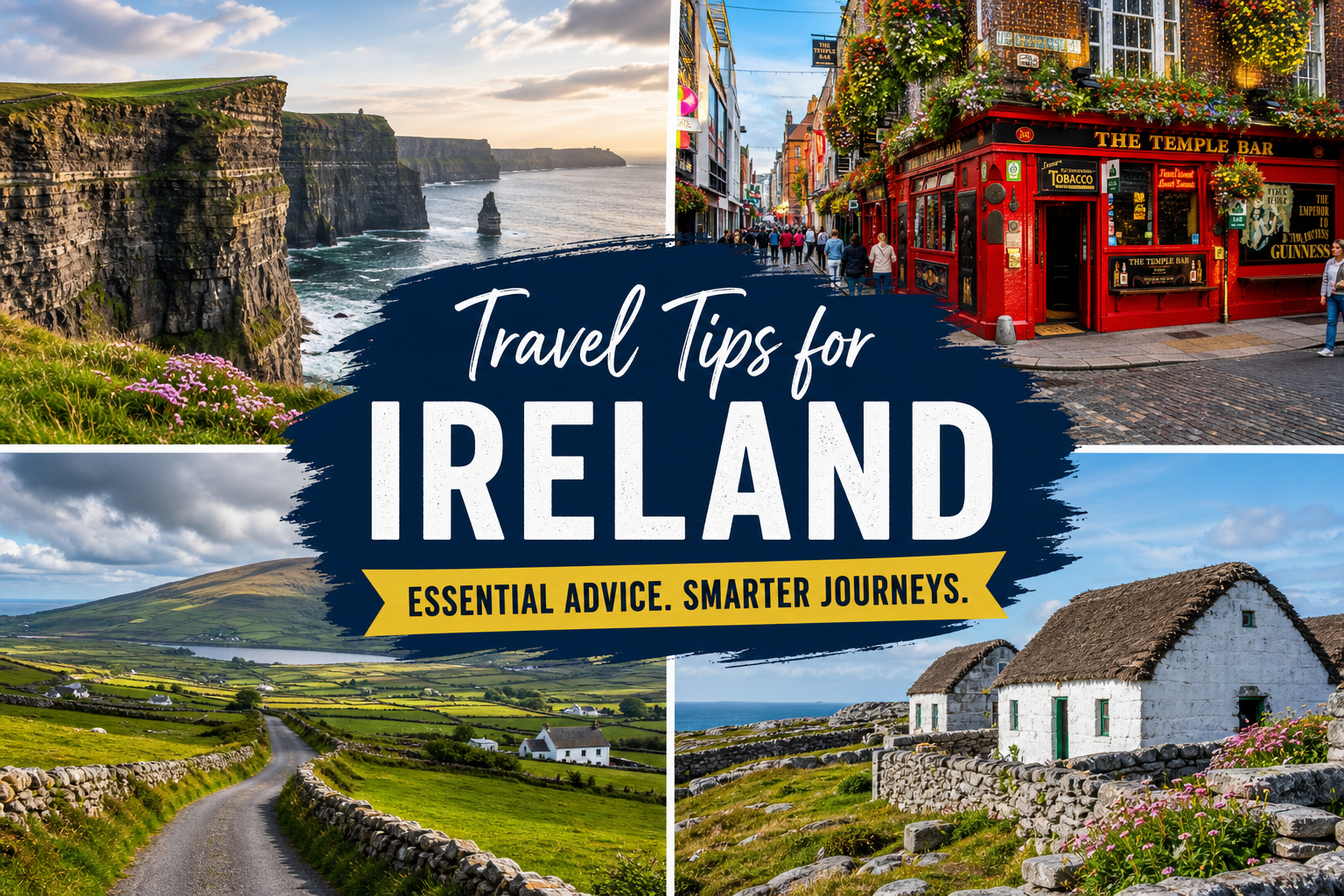
You’re probably dreaming of emerald hills, cozy pubs, and ancient castles, but you’re also wondering how to avoid the tourist traps and unexpected rain. These ireland travel tips will help you navigate the island like a local, from booking the right accommodation to knowing when to skip the Ring of Kerry crowds. Whether it’s your first time or your fifth, Ireland in 2026 promises fresh surprises—if you know where to look.
Essential Ireland Travel Tips for First-Time Visitors in 2026
Planning a trip to Ireland can feel overwhelming with so many iconic sights and hidden corners. The key is balancing must-see attractions with off-the-beaten-path experiences, and these tips will save you time, money, and headaches.
1. Book Your Accommodation Well in Advance
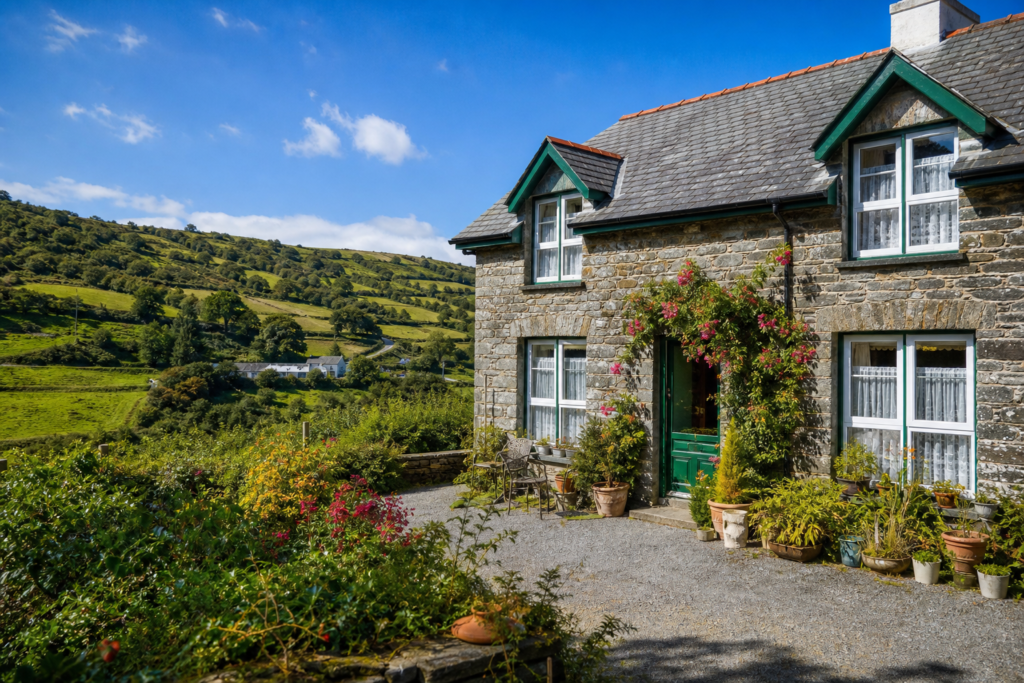
Address: All major cities and tourist towns (Dublin, Galway, Killarney, Dingle)
Hours: Book at least 3-6 months ahead for summer (June-August)
Price: Budget hostels from €25/night; mid-range B&Bs from €80-€120/night; luxury hotels from €200+
Best for: All travelers, especially those visiting during peak season
Ireland’s tourism has exploded, and 2026 is no exception. The Wild Atlantic Way and Dublin’s city center fill up fast, especially during festivals like St. Patrick’s Week or the Galway International Arts Festival. Don’t assume you’ll find a last-minute B&B—many small towns have limited options. Use sites like Booking.com or local B&B directories, and consider staying in self-catering cottages for flexibility. If you’re on a budget, hostels like Generator Dublin or The Barnacles in Galway offer clean, social spaces. Pro tip: Book a B&B with a full Irish breakfast included—it’s a hearty start before a day of exploring.
2. Rent a Car for the Countryside, but Skip It in Cities
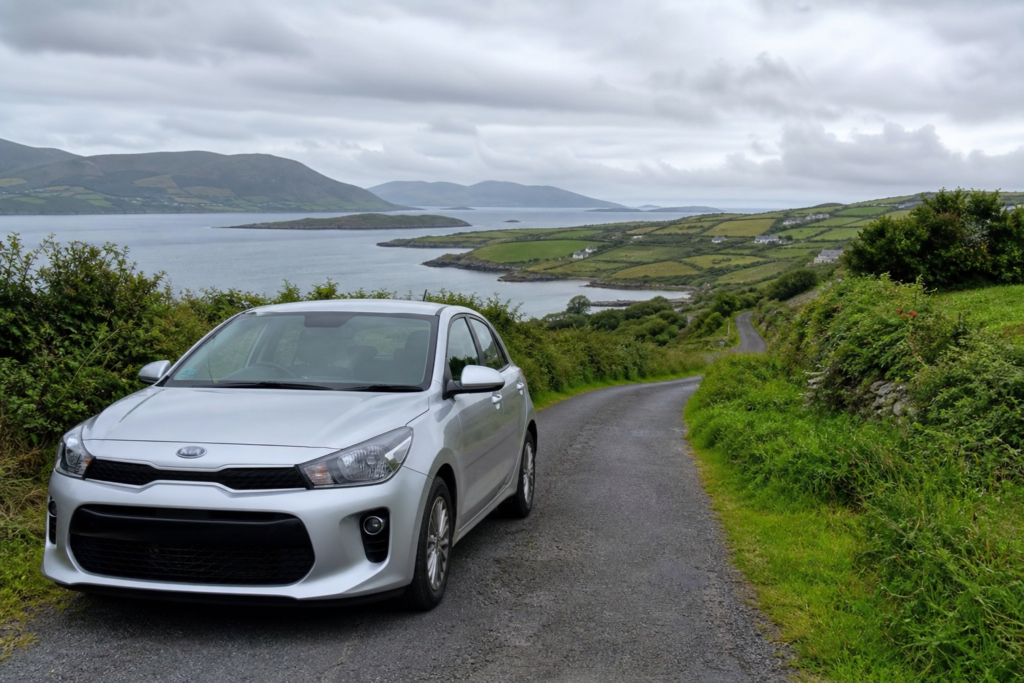
Address: Car rental desks at Dublin, Shannon, Cork, and Knock airports
Hours: Most rental offices open 7 AM–9 PM; book online for best rates
Price: €30-€60/day for a compact car; add €15-€25/day for automatic transmission
Best for: Road trip enthusiasts and rural explorers
Ireland’s public transport (Bus Éireann, Irish Rail) is decent for cities, but it’s unreliable for remote spots like the Cliffs of Moher or Connemara. A rental car gives you freedom, but driving in Dublin or Galway city centers is a nightmare—narrow streets, confusing one-way systems, and expensive parking. Pick up your car at the airport and use park-and-rides for city visits. In 2026, many rental companies require a credit card (not debit) and a full driver’s license (international permit not needed for EU/UK licenses). Be prepared for narrow roads (“boreens”) with stone walls—drive slowly and wave to oncoming traffic.
3. Pack for Four Seasons in One Day
Address: Anywhere in Ireland
Hours: Weather changes hourly; check Met Éireann app
Price: Waterproof jacket €30-€100; layers from home
Best for: All travelers, especially hikers and outdoor enthusiasts
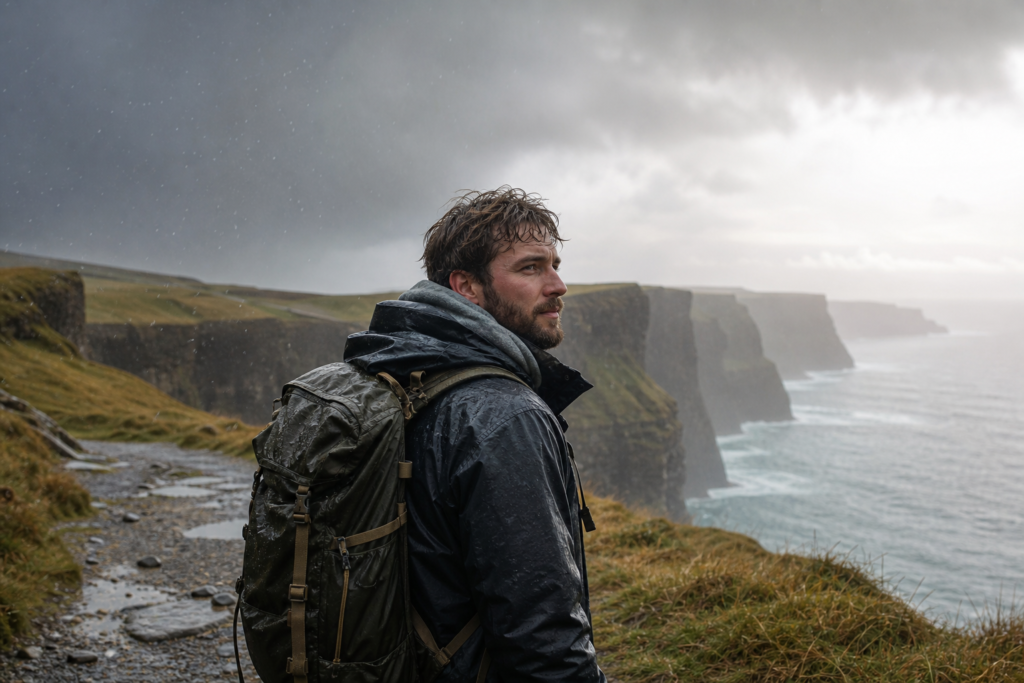
Irish weather is famously unpredictable—you can experience sunshine, rain, and wind within an hour. In 2026, expect cooler summers (15-20°C/59-68°F) and mild winters (5-10°C/41-50°F). Pack a lightweight waterproof jacket (not an umbrella—wind will destroy it), fleece layers, quick-dry pants, and sturdy walking shoes. Don’t forget sunscreen—yes, even in Ireland! The sun can be strong, especially near the coast. Locals say, “There’s no bad weather, only bad clothes.” Embrace the rain; it’s what makes the landscape so green.
Pack for Four Seasons in One Day is one of the most practical ideas in this 15 Essential Ireland Travel Tips for 2026 guide because it helps travelers avoid avoidable costs, stress, and last-minute mistakes. Using this advice early in your planning process can improve budgeting, save time on the road, and make your overall trip run more smoothly.
For anyone using 15 essential ireland travel tips for 2026 to plan smarter, this tip matters most when you want better day-to-day travel decisions. Treat it as a repeatable habit rather than a one-time trick, and it will keep delivering value before departure and throughout the trip.
4. Embrace the “Craic” in Traditional Pubs
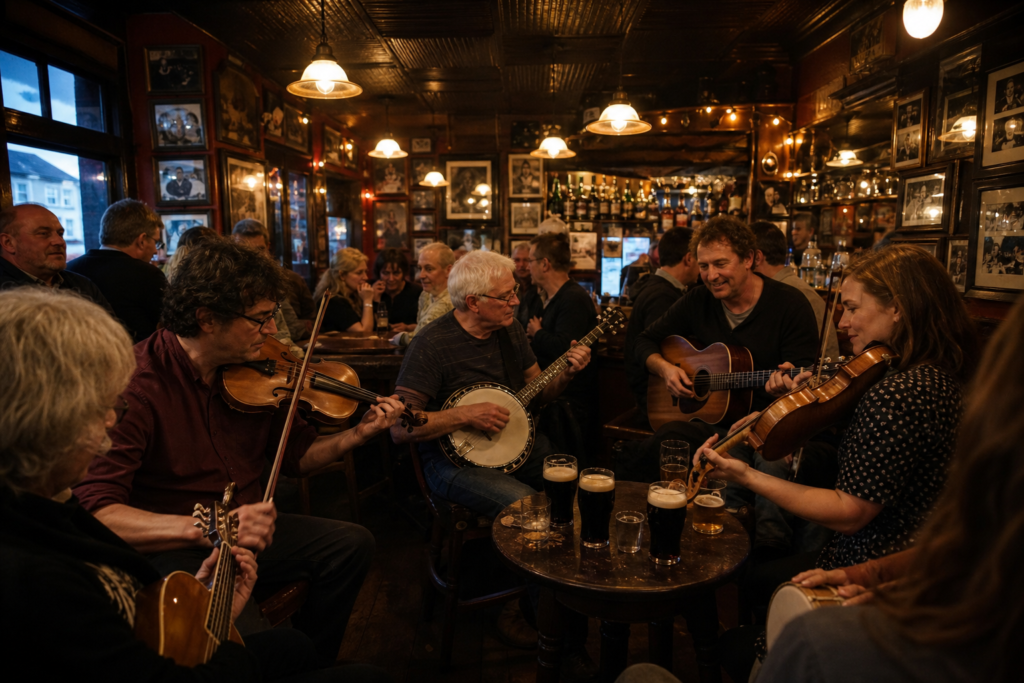
Address: The Temple Bar (Dublin), The Crane Bar (Galway), An Spailpín Fánach (Cork)
Hours: Pubs open 10:30 AM–11:30 PM (later on weekends)
Price: Pint of Guinness €5-€7; live music usually free
Best for: Solo travelers, couples, and anyone wanting authentic culture
“Craic” (pronounced “crack”) means fun, gossip, and good times. Irish pubs are the heart of social life, but skip the touristy Temple Bar area in Dublin (overpriced pints at €8+). Instead, head to The Long Hall on South Great George’s Street or The Stag’s Head for a more local vibe. In Galway, The Crane Bar has trad music sessions nightly. In 2026, many pubs still operate cash-only for small purchases, so carry some euros. Don’t be shy—strike up a conversation with the bartender or locals. They’ll share stories, recommend hidden gems, and might even buy you a pint.
5. Don’t Overplan—Leave Room for Spontaneity
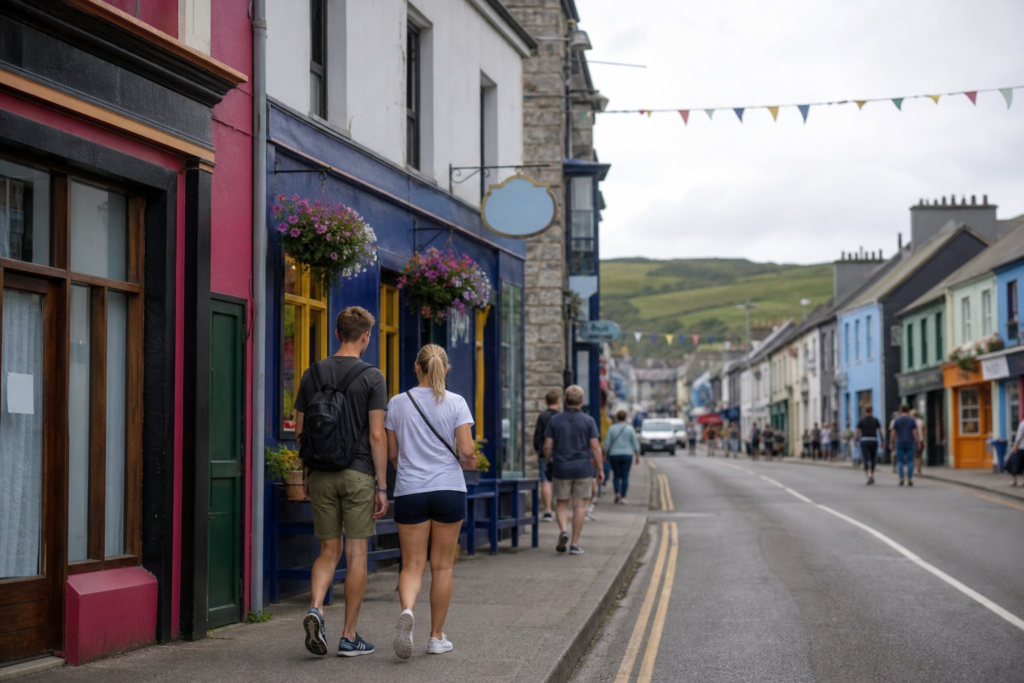
Address: Anywhere in Ireland
Hours: Flexible
Price: Free
Best for: Independent travelers and road trippers
Ireland is small (about the size of Indiana), but its winding roads and scenic detours can eat up time. Instead of cramming in 10 attractions a day, pick a region (like the Wild Atlantic Way or the Ancient East) and explore slowly. Some of the best experiences happen unplanned: a sheepdog demonstration in County Mayo, a cliffside hike in Sligo, or a spontaneous chat with a farmer selling fresh eggs. In 2026, consider using apps like Google Maps offline (cell service is spotty in rural areas) and always allow an extra hour for “the scenic route.”
Don’t Overplan—Leave Room for Spontaneity is one of the most practical ideas in this 15 Essential Ireland Travel Tips for 2026 guide because it helps travelers avoid avoidable costs, stress, and last-minute mistakes. Using this advice early in your planning process can improve budgeting, save time on the road, and make your overall trip run more smoothly.
For anyone using 15 essential ireland travel tips for 2026 to plan smarter, this tip matters most when you want better day-to-day travel decisions. Treat it as a repeatable habit rather than a one-time trick, and it will keep delivering value before departure and throughout the trip.
6. Visit the Cliffs of Moher Early or Late
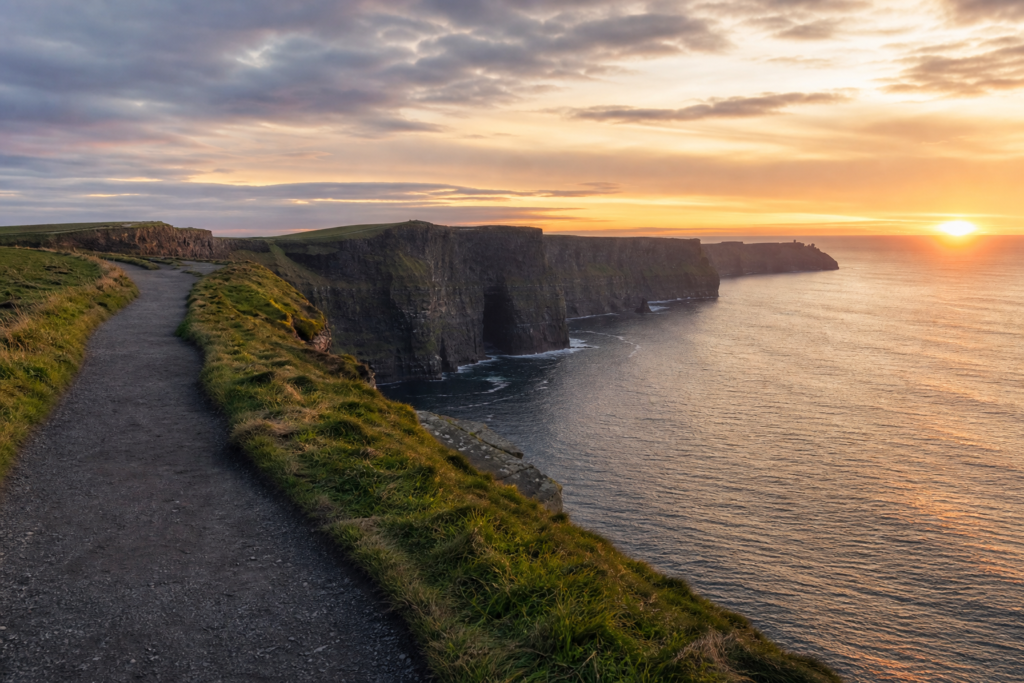
Address: Liscannor, County Clare
Hours: 9 AM–7 PM (summer); 9 AM–5 PM (winter)
Price: €12/adult (parking included); free after 6 PM in summer
Best for: Photographers, couples, and families
The Cliffs of Moher are Ireland’s most popular natural attraction, drawing over 1.5 million visitors annually. To avoid the 11 AM–3 PM crowds, arrive at 8:30 AM (before the official opening) or after 5 PM. In 2026, the visitor center has new exhibitions, but the real magic is walking the cliff paths—go south toward Hags Head for fewer people. Wear sturdy shoes; the paths are muddy and windy. If you’re on a budget, skip the paid parking and park at the nearby Doolin village (free) and walk 20 minutes along the coastal trail. Best photo tip: sunrise or sunset casts golden light on the cliffs.
7. Learn a Few Irish Phrases (It Opens Doors)
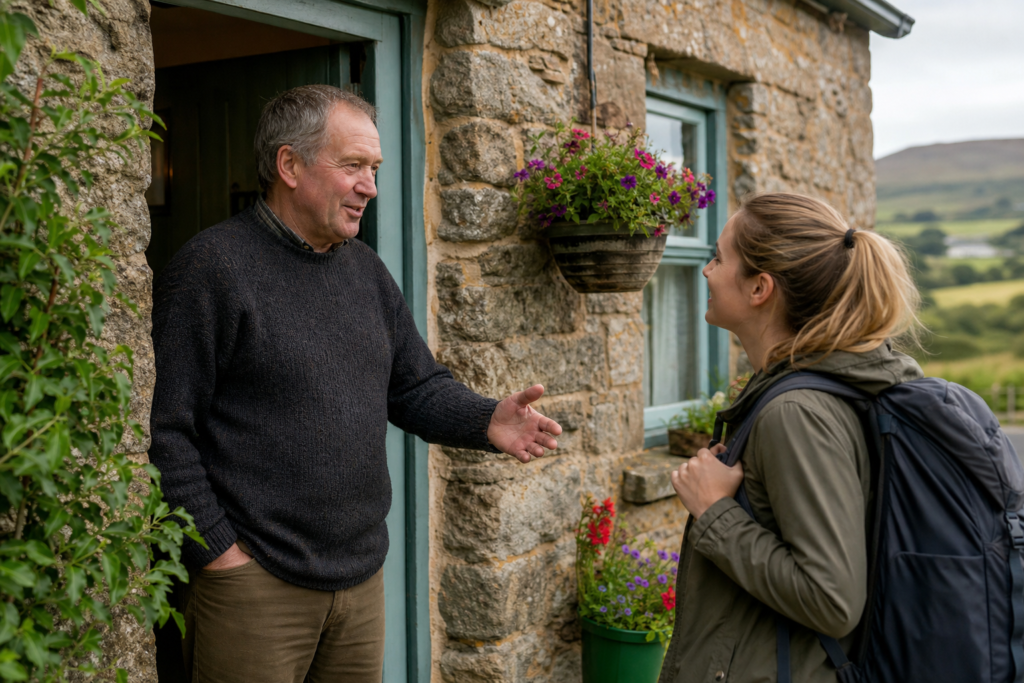
Address: Anywhere in Ireland
Hours: Always
Price: Free
Best for: All travelers, especially in Gaeltacht (Irish-speaking) regions
While everyone speaks English, using a few Irish phrases shows respect and often leads to warmer interactions. Start with “Dia dhuit” (dee-ah gwit) for “hello,” “Slán” (slawn) for “goodbye,” and “Go raibh maith agat” (guh rev mah ag-ut) for “thank you.” In Gaeltacht areas like Connemara, Dingle Peninsula, or the Aran Islands, Irish is the first language. Locals appreciate the effort, and you might get insider tips on hidden beaches or pubs. In 2026, many road signs are bilingual, so knowing a few words helps with navigation, too.
Learn a Few Irish Phrases (It Opens Doors) is one of the most practical ideas in this 15 Essential Ireland Travel Tips for 2026 guide because it helps travelers avoid avoidable costs, stress, and last-minute mistakes. Using this advice early in your planning process can improve budgeting, save time on the road, and make your overall trip run more smoothly.
For anyone using 15 essential ireland travel tips for 2026 to plan smarter, this tip matters most when you want better day-to-day travel decisions. Treat it as a repeatable habit rather than a one-time trick, and it will keep delivering value before departure and throughout the trip.
8. Skip the Ring of Kerry—Try the Beara Peninsula Instead
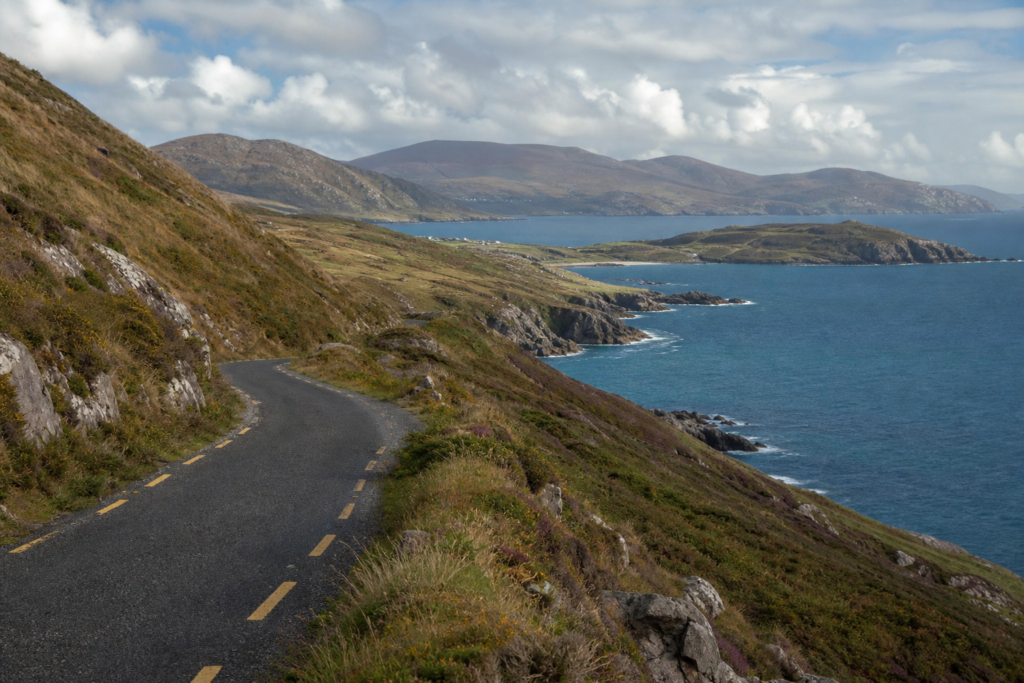
Address: Beara Peninsula, County Cork/Kerry
Hours: Open year-round; drive time 3-4 hours for the loop
Price: Free (parking fees at some viewpoints)
Best for: Adventurers, photographers, and those avoiding crowds
The Ring of Kerry is iconic but often choked with tour buses in summer. For a quieter, equally stunning alternative, drive the Beara Peninsula. It’s less commercialized, with dramatic coastal views, stone circles (like the one at Ardgroom), and charming villages like Eyeries and Castletownbere. In 2026, the road is narrower (some sections are single-track), so drive carefully. Stop at the Healy Pass for panoramic views and grab fresh seafood at O’Neill’s Seafood Bar in Castletownbere. You’ll feel like you have the landscape to yourself.
9. Use Public Transport for City Hopping
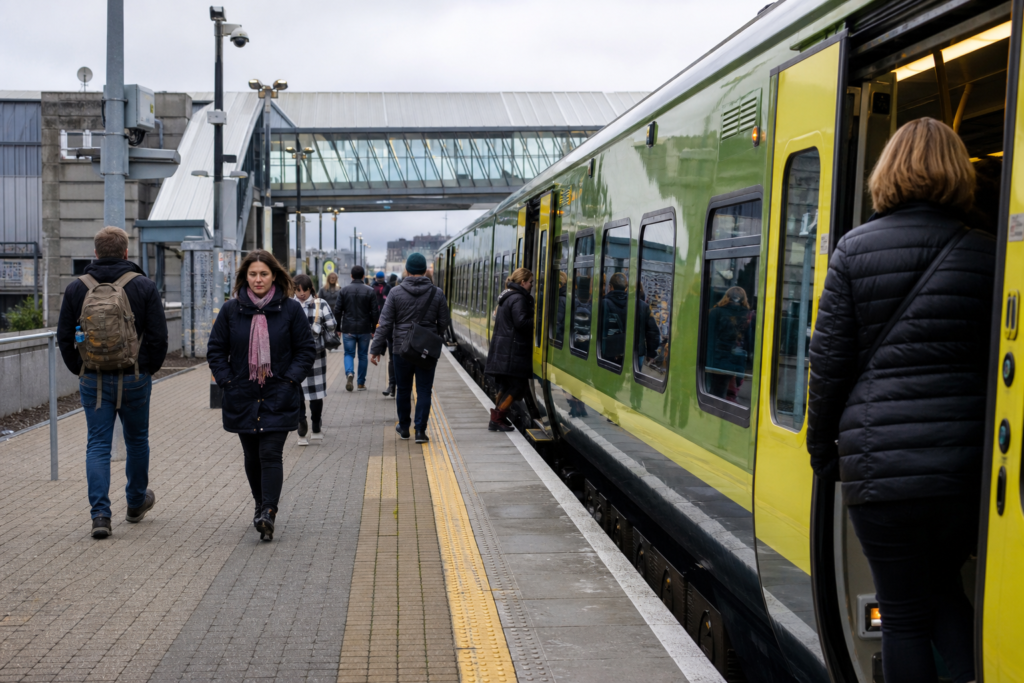
Address: Dublin Connolly Station, Heuston Station; Busáras (central bus station)
Hours: Trains run 6 AM–11 PM; buses 7 AM–10 PM
Price: Dublin to Galway train €15-€30; Dublin to Cork bus €10-€20
Best for: Solo travelers, non-drivers, and those visiting multiple cities
If you’re sticking to cities (Dublin, Galway, Cork, Limerick), skip the rental car and use Irish Rail or Bus Éireann. Trains are comfortable with free Wi-Fi, and buses are cheaper. In 2026, book online in advance for discounts (Irish Rail offers “Early Bird” fares). For day trips, consider the Paddywagon or Wild Rover tour buses—they’re efficient but crowded. Pro tip: Use the Leap Card (Dublin) or TFI Go app for contactless payments on buses and trams.
10. Respect the “Slower Pace” of Life
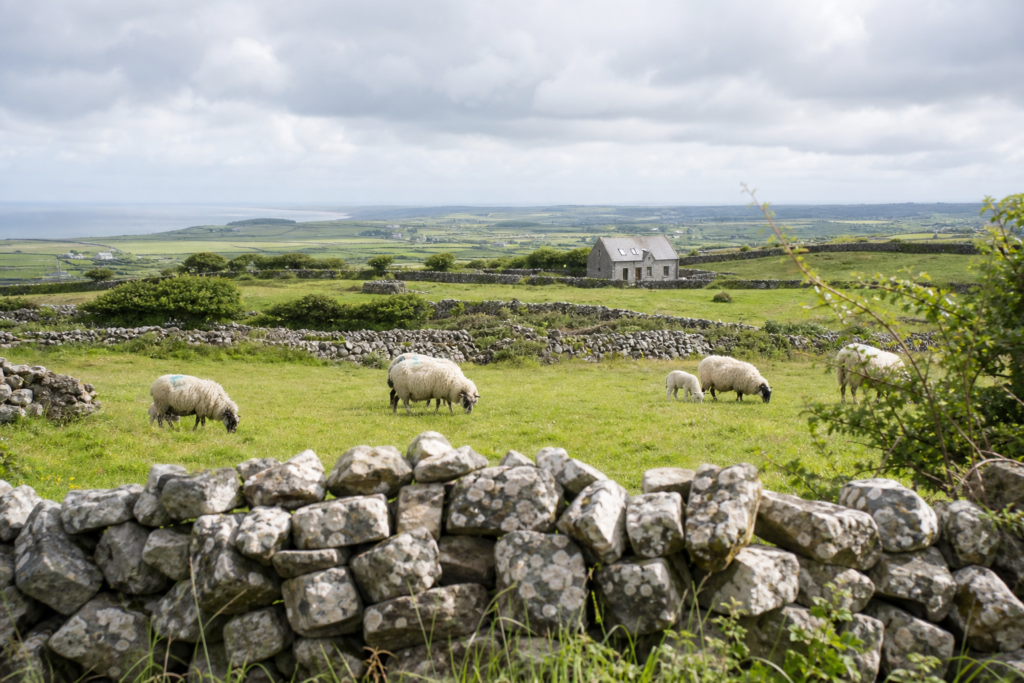
Address: Rural areas, small towns, and villages
Hours: Shops often close 6 PM; Sundays many close entirely
Price: Free
Best for: Anyone needing a break from fast-paced travel
Ireland runs on “Irish time”—things happen when they happen. Restaurant service can be slow (enjoy it!), and shopkeepers might chat with you for 10 minutes before taking your order. In 2026, many rural pubs still don’t accept cards, so carry cash. Don’t get frustrated; this is part of the charm. Embrace the rhythm: have a long lunch, linger over a coffee, and take that spontaneous detour to a ruined castle. The best memories come from slowing down.
Respect the “Slower Pace” of Life is one of the most practical ideas in this 15 Essential Ireland Travel Tips for 2026 guide because it helps travelers avoid avoidable costs, stress, and last-minute mistakes. Using this advice early in your planning process can improve budgeting, save time on the road, and make your overall trip run more smoothly.
For anyone using 15 essential ireland travel tips for 2026 to plan smarter, this tip matters most when you want better day-to-day travel decisions. Treat it as a repeatable habit rather than a one-time trick, and it will keep delivering value before departure and throughout the trip.
11. Don’t Miss the Ancient East
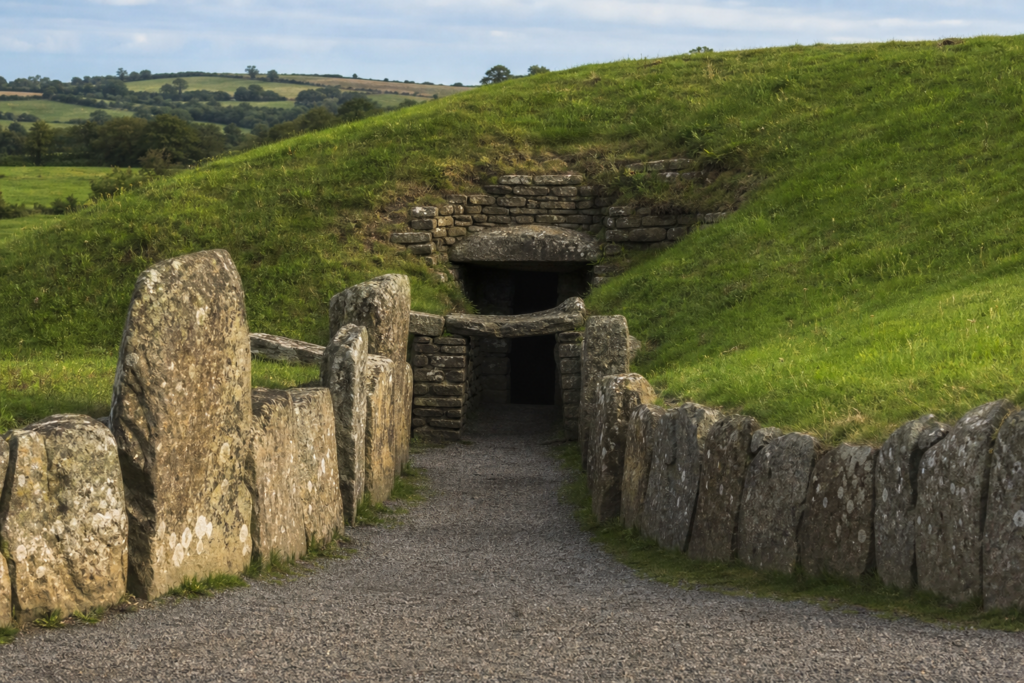
Address: Counties Meath, Louth, Kilkenny, Waterford
Hours: Varies by site; Brú na Bóinne visitor center open 9 AM–5 PM
Price: Brú na Bóinne €12/adult; Rock of Cashel €8/adult
Best for: History buffs, families, and culture lovers
The Wild Atlantic Way gets all the hype, but Ireland’s Ancient East is packed with 5,000-year-old tombs, medieval castles, and monastic sites. Visit Newgrange (older than the pyramids) in County Meath, the Rock of Cashel in Tipperary, and Kilkenny Castle. In 2026, book Brú na Bóinne tickets weeks ahead—they sell out fast. The region is less crowded than the west, with cheaper accommodation and quieter roads. It’s perfect for a 3-4 day road trip.
Don’t Miss the Ancient East is one of the most practical ideas in this 15 Essential Ireland Travel Tips for 2026 guide because it helps travelers avoid avoidable costs, stress, and last-minute mistakes. Using this advice early in your planning process can improve budgeting, save time on the road, and make your overall trip run more smoothly.
For anyone using 15 essential ireland travel tips for 2026 to plan smarter, this tip matters most when you want better day-to-day travel decisions. Treat it as a repeatable habit rather than a one-time trick, and it will keep delivering value before departure and throughout the trip.
12. Prepare for High Prices in Tourist Hotspots
Address: Dublin, Galway, Killarney, Cliffs of Moher
Hours: Year-round
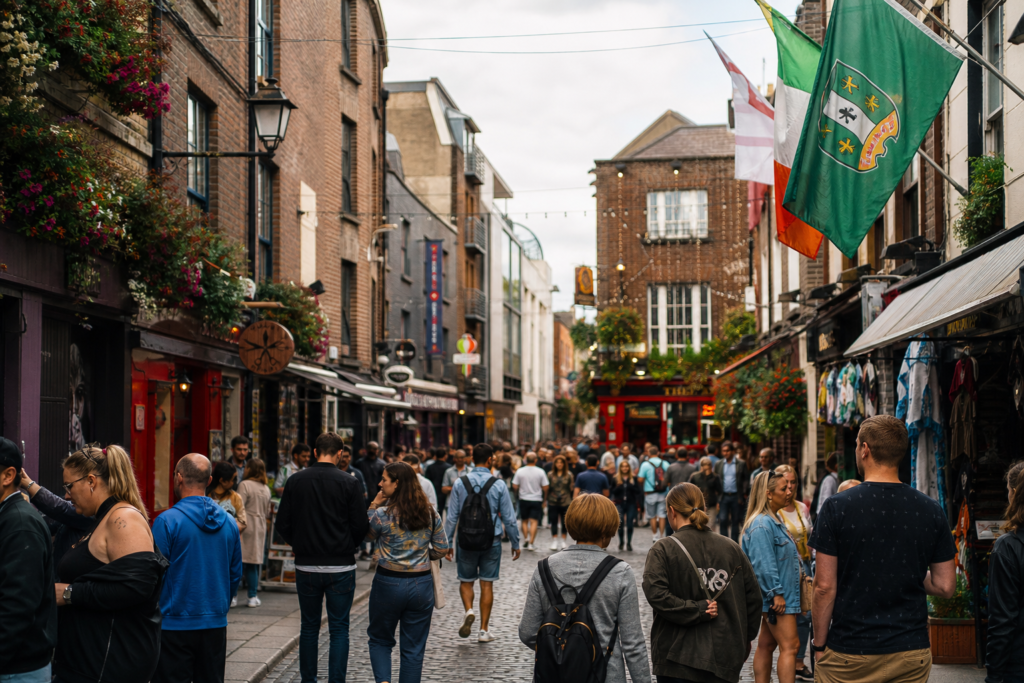
Price: Dublin hotel average €180/night; meal in Temple Bar €25+
Best for: Budget-conscious travelers
Ireland is expensive—especially in 2026, with inflation driving up costs. A pint of Guinness in Dublin costs €7-€8, and a basic dinner in Temple Bar can hit €30. Save money by eating pub lunches (€10-€15 for hearty stews), buying groceries at Lidl or Aldi, and staying in hostels or B&Bs outside city centers. In smaller towns like Doolin or Kenmare, prices are 20-30% cheaper. Also, look for “Early Bird” dinner deals (5–7 PM) at restaurants.
Prepare for High Prices in Tourist Hotspots is one of the most practical ideas in this 15 Essential Ireland Travel Tips for 2026 guide because it helps travelers avoid avoidable costs, stress, and last-minute mistakes. Using this advice early in your planning process can improve budgeting, save time on the road, and make your overall trip run more smoothly.
For anyone using 15 essential ireland travel tips for 2026 to plan smarter, this tip matters most when you want better day-to-day travel decisions. Treat it as a repeatable habit rather than a one-time trick, and it will keep delivering value before departure and throughout the trip.
13. Visit the Aran Islands for a Step Back in Time
Address: Ferries from Doolin or Rossaveel (County Galway)
Hours: Ferries run 9 AM–6 PM (summer); limited winter schedule
Price: Ferry €25-€35 round trip; bike rental €15/day
Best for: Adventurers, photographers, and solitude seekers
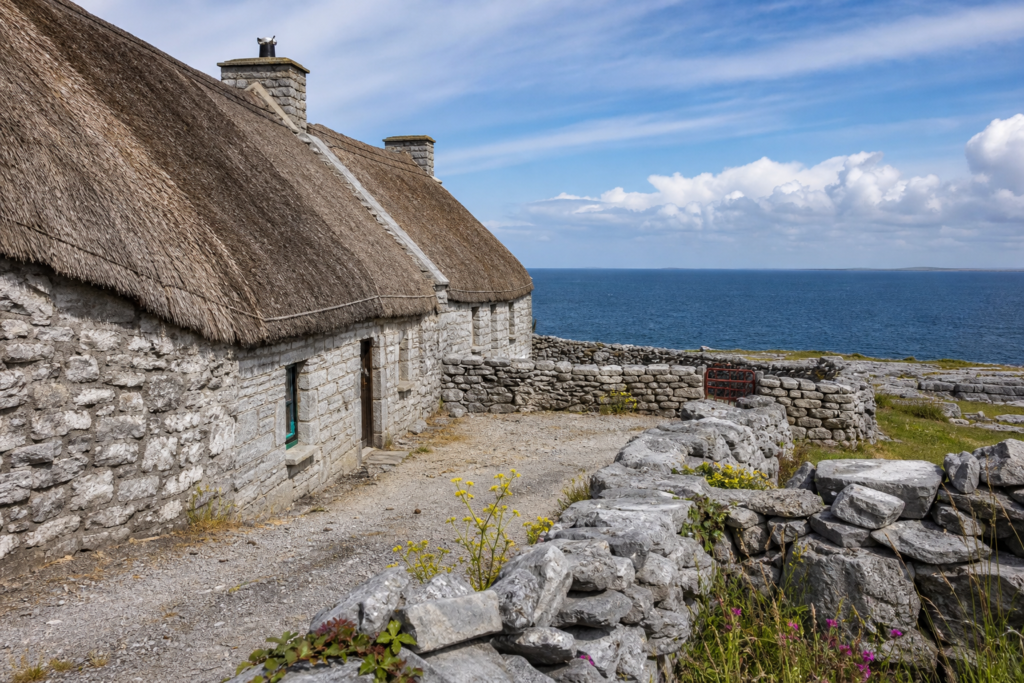
The Aran Islands (Inishmore, Inishmaan, Inisheer) feel like a time capsule—stone walls, thatched cottages, and ancient forts like Dún Aonghasa. In 2026, the ferry from Doolin is faster (30 minutes) and less crowded than the one from Galway. Rent a bike (or take a minibus tour) to explore. Pack layers—the wind is fierce. For a unique experience, stay overnight in a B&B on Inishmaan (the least touristy island). You’ll see starry skies and hear only the Atlantic waves.
Visit the Aran Islands for a Step Back in Time is one of the most practical ideas in this 15 Essential Ireland Travel Tips for 2026 guide because it helps travelers avoid avoidable costs, stress, and last-minute mistakes. Using this advice early in your planning process can improve budgeting, save time on the road, and make your overall trip run more smoothly.
For anyone using 15 essential ireland travel tips for 2026 to plan smarter, this tip matters most when you want better day-to-day travel decisions. Treat it as a repeatable habit rather than a one-time trick, and it will keep delivering value before departure and throughout the trip.
14. Stay Safe on Narrow Roads
Address: Rural areas, especially in Counties Kerry, Clare, and Donegal
Hours: Drive cautiously, especially at night
Price: Free (but rental car insurance recommended)
Best for: Road trippers and drivers
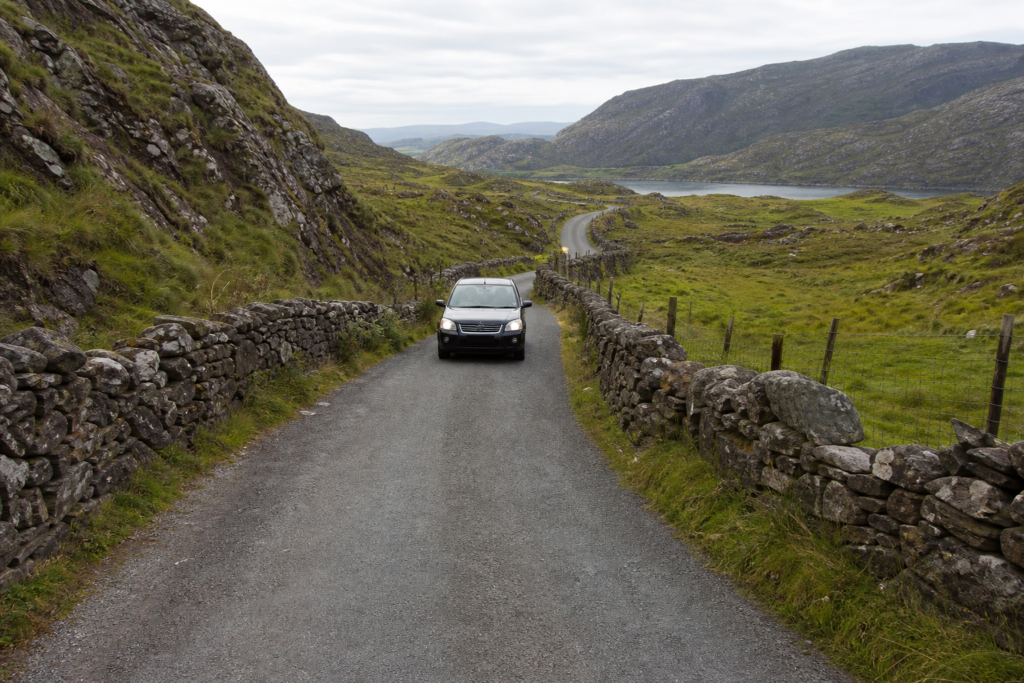
Irish roads, especially in the west, are narrow, winding, and often bordered by stone walls. In 2026, many rural roads lack streetlights, so avoid driving after dark. Use “pull-ins” (small lay-bys) to let faster cars pass. If you’re driving a manual (stick shift), be comfortable with hill starts—steep inclines are common. Rent a small car (like a Ford Fiesta) for easier maneuvering. Always carry a paper map—GPS can fail in remote areas.
Stay Safe on Narrow Roads is one of the most practical ideas in this 15 Essential Ireland Travel Tips for 2026 guide because it helps travelers avoid avoidable costs, stress, and last-minute mistakes. Using this advice early in your planning process can improve budgeting, save time on the road, and make your overall trip run more smoothly.
For anyone using 15 essential ireland travel tips for 2026 to plan smarter, this tip matters most when you want better day-to-day travel decisions. Treat it as a repeatable habit rather than a one-time trick, and it will keep delivering value before departure and throughout the trip.
15. Embrace the Weather—It’s Part of the Experience
Address: Anywhere in Ireland
Hours: Always
Price: Free
Best for: All travelers
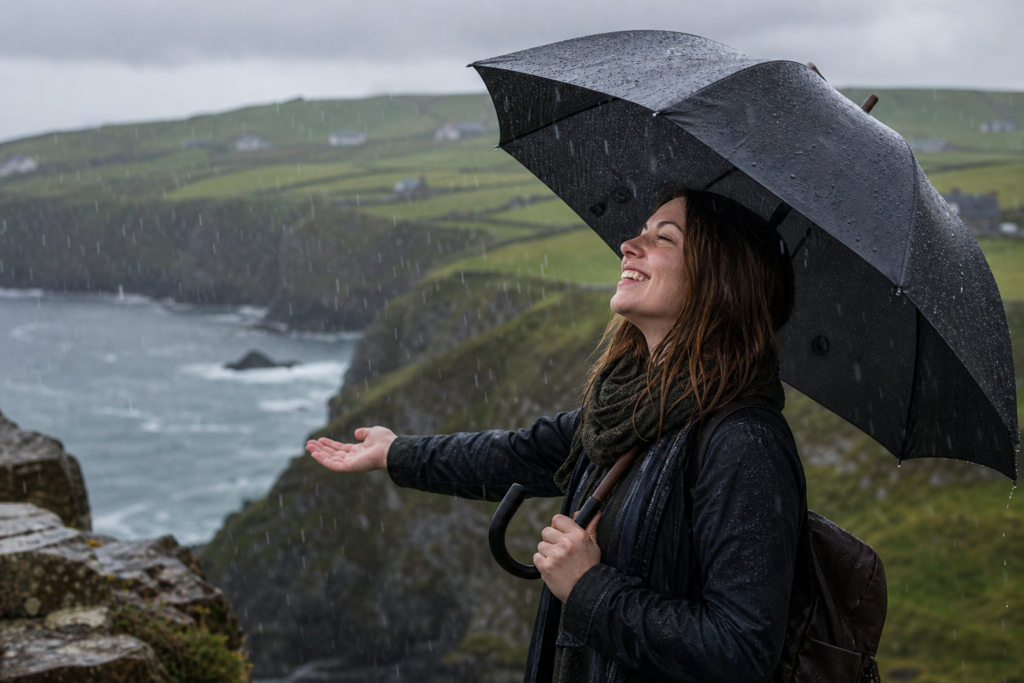
Rain is inevitable in Ireland—it’s what makes the grass so green and the rainbows so frequent. Instead of hiding indoors, embrace it. Buy a good waterproof jacket, wear waterproof boots, and head out. Some of the most magical moments happen in the mist: a rainbow over the Cliffs of Moher, the smell of peat smoke in a village, or the sound of rain on a pub roof. In 2026, pack a sense of humor about the weather—locals do.
Embrace the Weather—It’s Part of the Experience is one of the most practical ideas in this 15 Essential Ireland Travel Tips for 2026 guide because it helps travelers avoid avoidable costs, stress, and last-minute mistakes. Using this advice early in your planning process can improve budgeting, save time on the road, and make your overall trip run more smoothly.
For anyone using 15 essential ireland travel tips for 2026 to plan smarter, this tip matters most when you want better day-to-day travel decisions. Treat it as a repeatable habit rather than a one-time trick, and it will keep delivering value before departure and throughout the trip.
Conclusion
Ireland in 2026 offers a perfect mix of ancient history, stunning landscapes, and warm hospitality. By following these ireland travel tips, you’ll avoid common pitfalls, save money, and discover the real Ireland beyond the tourist brochures. Whether you’re sipping Guinness in a cozy pub, hiking the cliffs, or driving the quiet roads of the Beara Peninsula, the key is to slow down, stay flexible, and say yes to spontaneous adventures. Pack your raincoat, learn a few Irish words, and get ready for the trip of a lifetime.
similar posts
Best Time to Visit Machu Picchu in 2026
Where to Stay in San Diego in 2026: Best Neighborhoods & Hotels
17 Essential Travel Photography Tips for 2026: Capture Your Adventures Like a Pro
The Ultimate Guide to the Top 10 Places to Visit in the World in 2026
15 Essential Business Travel Tips for 2026: Work Smarter on the Road
15 Must-See Places to Visit in the US in 2026