
15 Essential Business Travel Tips for 2026: Work Smarter on the Road

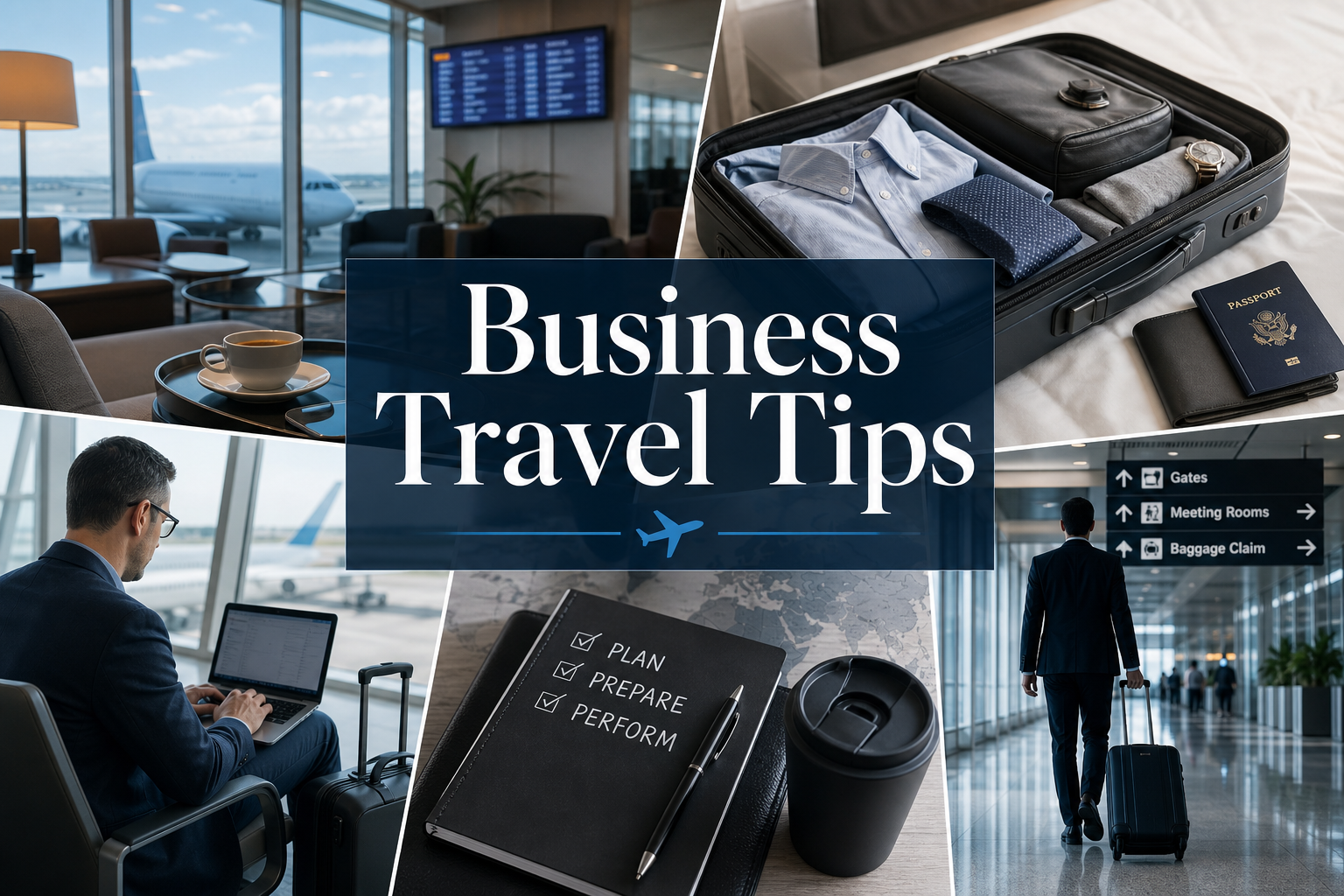
Let’s be real—business travel isn’t always the glamorous adventure it’s cracked up to be. Between delayed flights, spotty Wi-Fi, and the constant pressure to perform, it can feel more like a survival sport than a perk. But with the right business travel tips for 2026, you can turn chaotic work trips into seamless, productive experiences. Whether you’re a road warrior or a first-time corporate flyer, these strategies will help you stay sharp, save time, and actually enjoy the journey.
Why These Business Travel Tips Matter More in 2026
The world of work has shifted—hybrid schedules, digital nomad visas, and AI-powered tools mean business travel looks different than it did even a year ago. Today’s traveler juggles remote meetings, tighter budgets, and sustainability goals. That’s why these business travel tips focus on efficiency, tech-savvy moves, and well-being. You’ll learn how to pack lighter, navigate airports faster, and maintain your sanity when things go sideways. Ready to upgrade your travel game? Let’s dive in.
1. Invest in a Reliable Travel Wallet or Organizer
Best for: Organization-obsessed travelers
Address: Available on Amazon or at luggage stores like Tumi or Away
Price: $30–$80
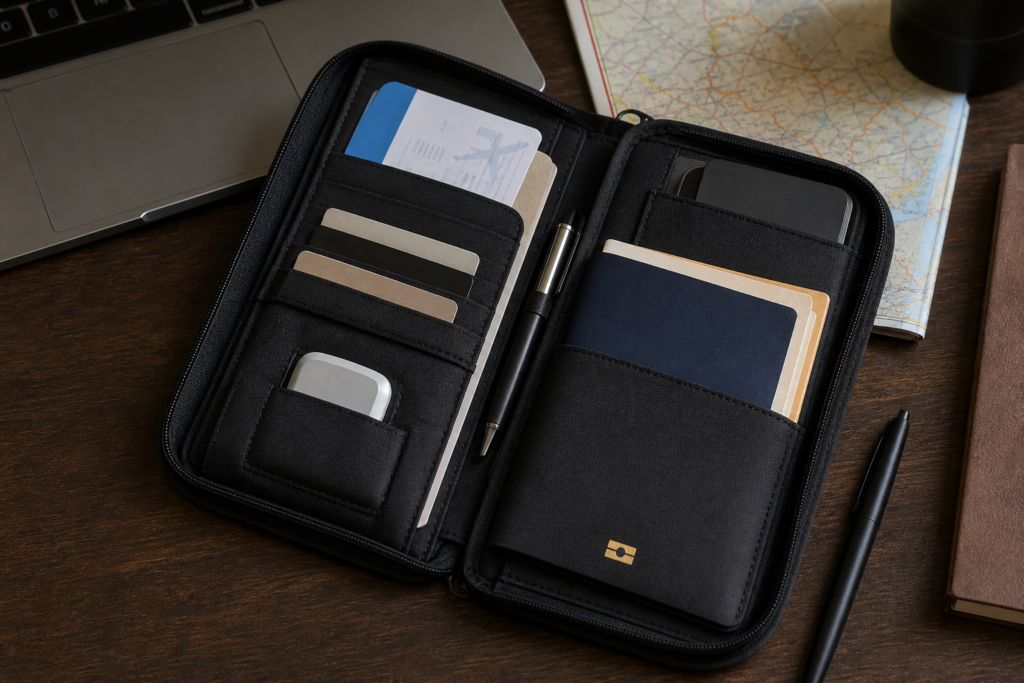
Nothing kills momentum like fumbling for your passport at security. A dedicated travel wallet keeps your ID, boarding passes, credit cards, and cash in one slim, accessible spot. In 2026, look for RFID-blocking options to protect against digital pickpocketing. I recommend the Bellroy Travel Wallet or Tumi Alpha Compact Wallet—both are slim enough for a jacket pocket but hold everything you need. Pro tip: Keep a small backup card and cash in your carry-on for emergencies.
Invest in a Reliable Travel Wallet or Organizer is one of the most practical ideas in this 15 Essential Business Travel Tips for 2026: Work Smarter on the Road guide because it helps travelers avoid avoidable costs, stress, and last-minute mistakes. Using this advice early in your planning process can improve budgeting, save time on the road, and make your overall trip run more smoothly.
For anyone using 15 essential business travel tips for 2026: work smarter on the road to plan smarter, this tip matters most when you want better day-to-day travel decisions. Treat it as a repeatable habit rather than a one-time trick, and it will keep delivering value before departure and throughout the trip.
2. Master the Art of Carry-On-Only Packing
Best for: Frequent flyers who hate baggage fees
Address: Any major airport, but check airline size limits (e.g., Delta, United)
Price: Free (saves $35–$60 per flight)
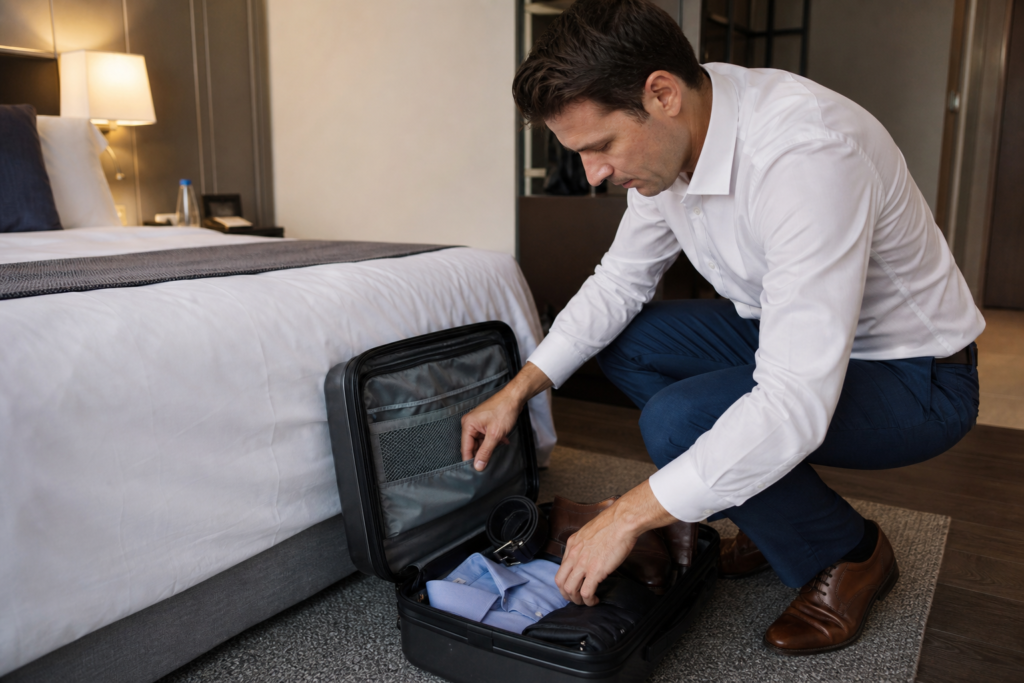
Checking luggage is a time-suck and a risk. For a 3–5 day trip, you can absolutely survive with a carry-on and a personal item. Use packing cubes (like Eagle Creek or Amazon Basics) to compress clothes and separate dirty laundry. Stick to a neutral color palette so everything mixes and matches. In 2026, many airlines are stricter about size limits, so measure your bag before you go. This is one of the most practical business travel tips for saving time at baggage claim.
Master the Art of Carry-On-Only Packing is one of the most practical ideas in this 15 Essential Business Travel Tips for 2026: Work Smarter on the Road guide because it helps travelers avoid avoidable costs, stress, and last-minute mistakes. Using this advice early in your planning process can improve budgeting, save time on the road, and make your overall trip run more smoothly.
For anyone using 15 essential business travel tips for 2026: work smarter on the road to plan smarter, this tip matters most when you want better day-to-day travel decisions. Treat it as a repeatable habit rather than a one-time trick, and it will keep delivering value before departure and throughout the trip.
3. Pre-Book Airport Lounge Access

Best for: Travelers with long layovers
Address: Lounges in most major airports (e.g., Delta Sky Club, American Admirals Club)
Price: $50–$100 per visit or free with credit card (e.g., Amex Platinum)
A quiet lounge with free Wi-Fi, charging ports, and snacks is a game-changer. You can answer emails, take calls, or just decompress before a meeting. In 2026, many lounges require reservations due to capacity limits, so book ahead through apps like LoungeBuddy or Priority Pass. If your credit card doesn’t include access, consider a day pass—it’s worth it for the productivity boost alone.
Pre-Book Airport Lounge Access is one of the most practical ideas in this 15 Essential Business Travel Tips for 2026: Work Smarter on the Road guide because it helps travelers avoid avoidable costs, stress, and last-minute mistakes. Using this advice early in your planning process can improve budgeting, save time on the road, and make your overall trip run more smoothly.
For anyone using 15 essential business travel tips for 2026: work smarter on the road to plan smarter, this tip matters most when you want better day-to-day travel decisions. Treat it as a repeatable habit rather than a one-time trick, and it will keep delivering value before departure and throughout the trip.
4. Use a Travel-Friendly Laptop Bag
Best for: Digital nomads and road warriors
Address: Online at Nordstrom, REI, or direct from brands
Price: $100–$250
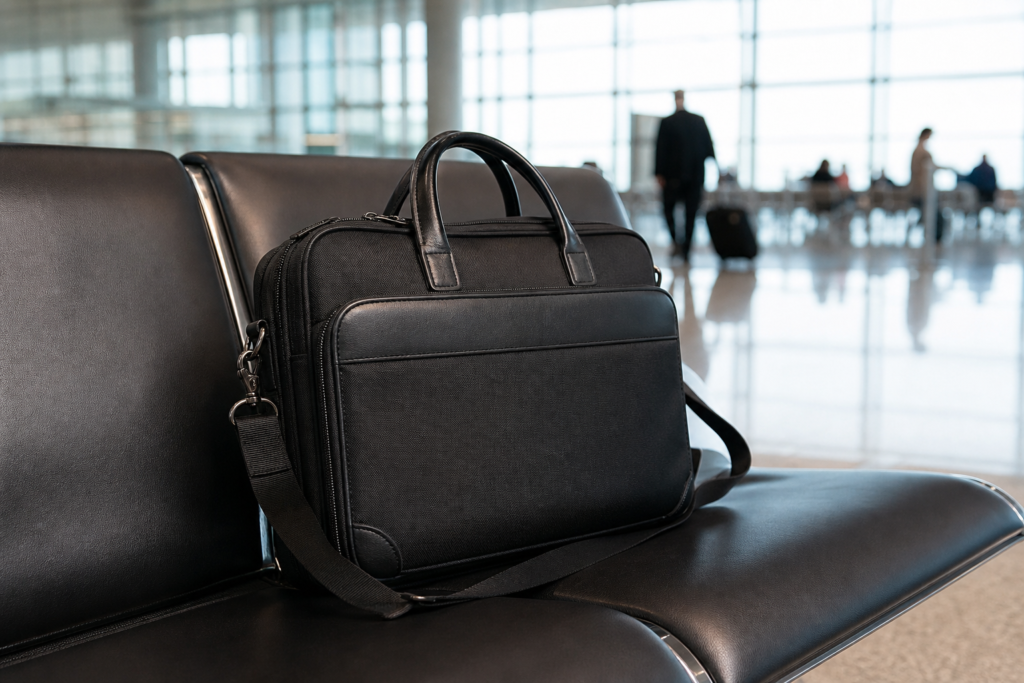
Your laptop bag is your mobile office. Look for one with a padded laptop compartment, multiple pockets for chargers and cables, and a trolley sleeve to slide over your suitcase handle. The Aer Travel Pack 3 and Peak Design Everyday Backpack are top picks for 2026. Bonus: Choose a bag with a hidden pocket for your passport and phone—security is key in crowded airports.
Use a Travel-Friendly Laptop Bag is one of the most practical ideas in this 15 Essential Business Travel Tips for 2026: Work Smarter on the Road guide because it helps travelers avoid avoidable costs, stress, and last-minute mistakes. Using this advice early in your planning process can improve budgeting, save time on the road, and make your overall trip run more smoothly.
For anyone using 15 essential business travel tips for 2026: work smarter on the road to plan smarter, this tip matters most when you want better day-to-day travel decisions. Treat it as a repeatable habit rather than a one-time trick, and it will keep delivering value before departure and throughout the trip.
5. Download Offline Maps and Documents
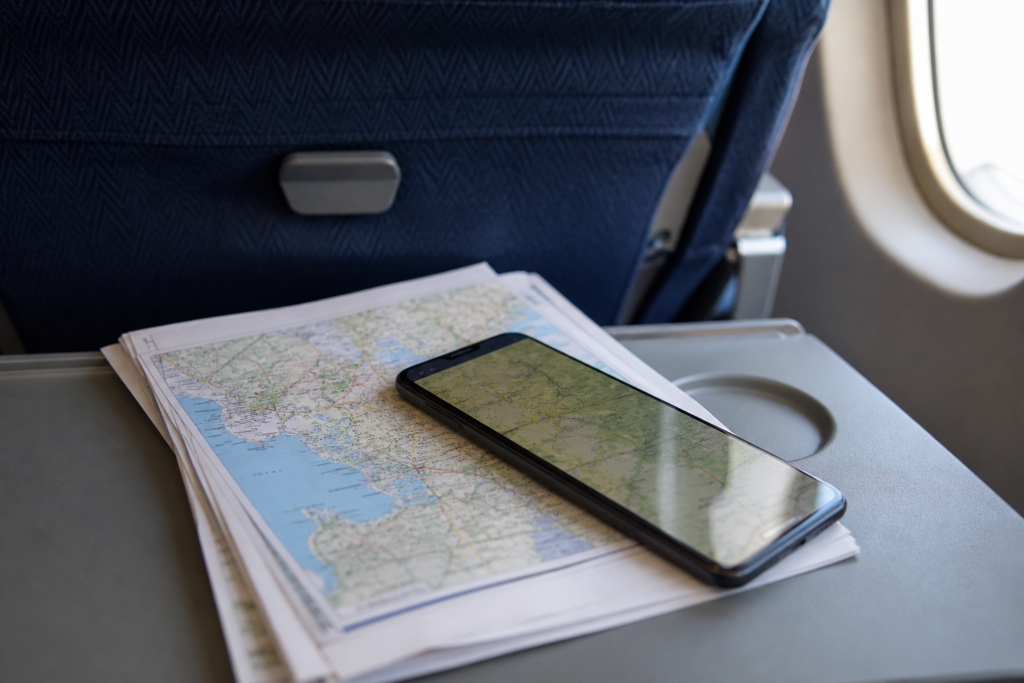
Best for: Travelers in areas with spotty connectivity
Address: Google Maps app, Apple Maps, or offline travel apps
Price: Free
Wi-Fi isn’t always reliable, especially in foreign cities or during layovers. Before you leave, download offline maps of your destination city and save important documents (boarding passes, hotel confirmations, meeting agendas) to your phone. Apps like Google Maps and Citymapper let you navigate without data. Also, take screenshots of your itinerary—just in case your battery dies.
Download Offline Maps and Documents is one of the most practical ideas in this 15 Essential Business Travel Tips for 2026: Work Smarter on the Road guide because it helps travelers avoid avoidable costs, stress, and last-minute mistakes. Using this advice early in your planning process can improve budgeting, save time on the road, and make your overall trip run more smoothly.
For anyone using 15 essential business travel tips for 2026: work smarter on the road to plan smarter, this tip matters most when you want better day-to-day travel decisions. Treat it as a repeatable habit rather than a one-time trick, and it will keep delivering value before departure and throughout the trip.
6. Book a Hotel with a Business Center or Co-Working Space

Best for: Travelers who need to work in their room
Address: Check hotel websites or booking platforms like Hotels.com
Price: $150–$400/night
Your hotel room isn’t always ideal for work—bad lighting, uncomfortable chairs, and noisy neighbors can derail productivity. In 2026, many hotels offer dedicated co-working spaces or business lounges with printers, scanners, and fast Wi-Fi. Look for brands like Marriott (with their “Work Anywhere” program) or Hyatt (with business centers). If you’re on a budget, consider a hotel near a co-working space like WeWork or Regus.
Book a Hotel with a Business Center or Co-Working Space is one of the most practical ideas in this 15 Essential Business Travel Tips for 2026: Work Smarter on the Road guide because it helps travelers avoid avoidable costs, stress, and last-minute mistakes. Using this advice early in your planning process can improve budgeting, save time on the road, and make your overall trip run more smoothly.
For anyone using 15 essential business travel tips for 2026: work smarter on the road to plan smarter, this tip matters most when you want better day-to-day travel decisions. Treat it as a repeatable habit rather than a one-time trick, and it will keep delivering value before departure and throughout the trip.
7. Pack a Portable Charger and Universal Adapter
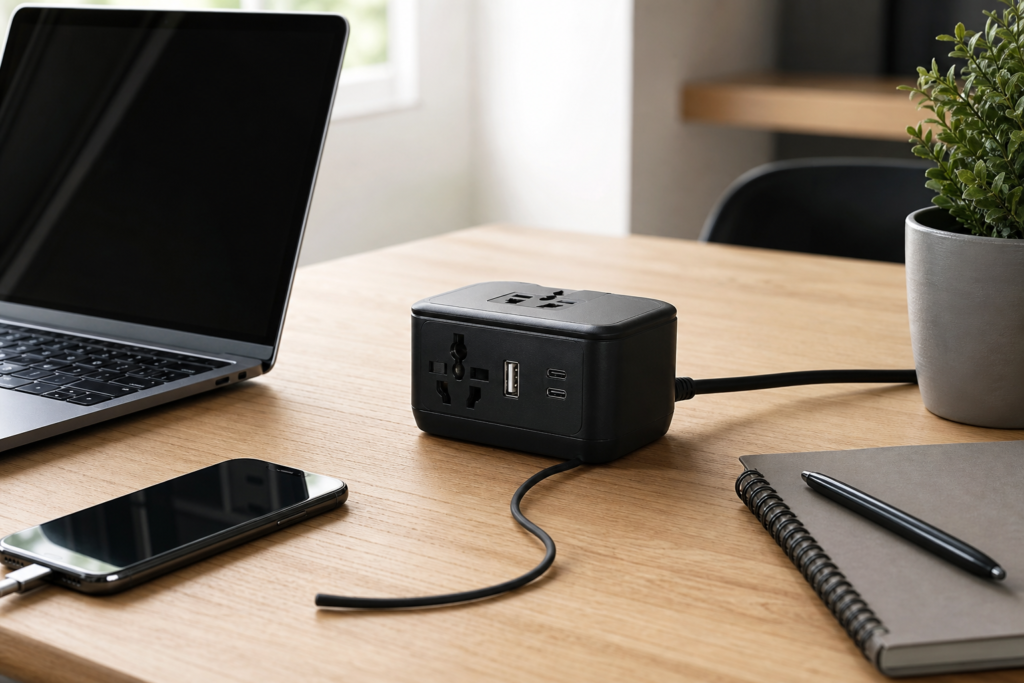
Best for: Tech-heavy travelers
Address: Amazon, Best Buy, or electronics stores
Price: $20–$60
Dead devices are a nightmare when you’re on the go. A high-capacity portable charger (10,000mAh or more) can juice up your phone, laptop, or tablet. Pair it with a universal adapter that works in multiple countries (like the Epicka Universal Travel Adapter). In 2026, USB-C is becoming standard, so make sure your charger supports it. This is a non-negotiable item in any business travel tips list.
Pack a Portable Charger and Universal Adapter is one of the most practical ideas in this 15 Essential Business Travel Tips for 2026: Work Smarter on the Road guide because it helps travelers avoid avoidable costs, stress, and last-minute mistakes. Using this advice early in your planning process can improve budgeting, save time on the road, and make your overall trip run more smoothly.
For anyone using 15 essential business travel tips for 2026: work smarter on the road to plan smarter, this tip matters most when you want better day-to-day travel decisions. Treat it as a repeatable habit rather than a one-time trick, and it will keep delivering value before departure and throughout the trip.
8. Use a Travel Booking App for Last-Minute Changes
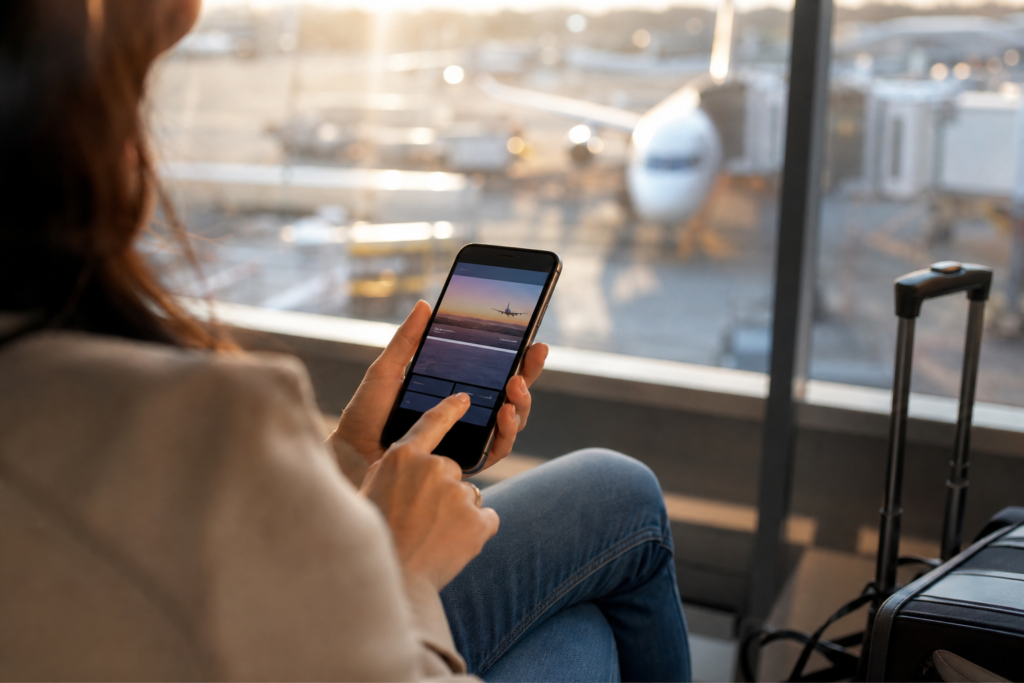
Best for: Spontaneous schedule shifts
Address: App Store or Google Play
Price: Free (booking fees may apply)
Flights get canceled, meetings get rescheduled—it happens. Apps like TripIt or Kayak let you rebook flights, find nearby hotels, and track your itinerary in real time. TripIt Pro even alerts you about gate changes and delays. In 2026, AI-powered assistants (like Google Travel) can automatically rebook you if your flight is canceled. Download one before you leave—it’s a lifesaver.
Use a Travel Booking App for Last-Minute Changes is one of the most practical ideas in this 15 Essential Business Travel Tips for 2026: Work Smarter on the Road guide because it helps travelers avoid avoidable costs, stress, and last-minute mistakes. Using this advice early in your planning process can improve budgeting, save time on the road, and make your overall trip run more smoothly.
For anyone using 15 essential business travel tips for 2026: work smarter on the road to plan smarter, this tip matters most when you want better day-to-day travel decisions. Treat it as a repeatable habit rather than a one-time trick, and it will keep delivering value before departure and throughout the trip.
9. Establish a Pre-Trip Routine

Best for: Reducing travel anxiety
Address: Your home office or bedroom
Price: Free
A consistent pre-trip routine saves time and stress. The night before, lay out your clothes, pack your tech bag, and confirm your transportation to the airport. Set a reminder to check in online (24 hours before) and download your boarding pass. In 2026, many airlines offer mobile boarding passes, so skip the paper. A 15-minute routine can prevent frantic morning chaos.
Establish a Pre-Trip Routine is one of the most practical ideas in this 15 Essential Business Travel Tips for 2026: Work Smarter on the Road guide because it helps travelers avoid avoidable costs, stress, and last-minute mistakes. Using this advice early in your planning process can improve budgeting, save time on the road, and make your overall trip run more smoothly.
For anyone using 15 essential business travel tips for 2026: work smarter on the road to plan smarter, this tip matters most when you want better day-to-day travel decisions. Treat it as a repeatable habit rather than a one-time trick, and it will keep delivering value before departure and throughout the trip.
10. Stay Hydrated and Eat Smart

Best for: Avoiding jet lag and energy crashes
Address: Airport shops or your hotel mini-fridge
Price: $5–$20
Travel dehydrates you—airplane cabins have low humidity, and stress doesn’t help. Drink water before, during, and after your flight. Avoid heavy, greasy meals; opt for protein-rich snacks like nuts, yogurt, or a salad. In 2026, many airports have healthy food options (e.g., Sweetgreen or Pret a Manger). Also, pack a reusable water bottle to fill after security—it’s eco-friendly and saves money.
Stay Hydrated and Eat Smart is one of the most practical ideas in this 15 Essential Business Travel Tips for 2026: Work Smarter on the Road guide because it helps travelers avoid avoidable costs, stress, and last-minute mistakes. Using this advice early in your planning process can improve budgeting, save time on the road, and make your overall trip run more smoothly.
For anyone using 15 essential business travel tips for 2026: work smarter on the road to plan smarter, this tip matters most when you want better day-to-day travel decisions. Treat it as a repeatable habit rather than a one-time trick, and it will keep delivering value before departure and throughout the trip.
11. Schedule Buffer Time Between Meetings

Best for: Avoiding burnout and lateness
Address: Your calendar app (e.g., Google Calendar, Outlook)
Price: Free
Back-to-back meetings on the road are a recipe for disaster. Always add 15–30 minutes between appointments for travel time, bathroom breaks, and unexpected delays. Use your calendar’s “travel time” feature to automatically adjust. In 2026, many business travelers use Calendly or Clockwise to optimize their schedules. Buffer time isn’t wasted—it’s sanity insurance.
Schedule Buffer Time Between Meetings is one of the most practical ideas in this 15 Essential Business Travel Tips for 2026: Work Smarter on the Road guide because it helps travelers avoid avoidable costs, stress, and last-minute mistakes. Using this advice early in your planning process can improve budgeting, save time on the road, and make your overall trip run more smoothly.
For anyone using 15 essential business travel tips for 2026: work smarter on the road to plan smarter, this tip matters most when you want better day-to-day travel decisions. Treat it as a repeatable habit rather than a one-time trick, and it will keep delivering value before departure and throughout the trip.
12. Learn Basic Local Customs and Phrases

Best for: International business travelers
Address: Online resources like Duolingo, Babbel, or YouTube
Price: Free–$15/month
A little effort goes a long way. Learn how to say “hello,” “thank you,” and “please” in the local language. Understand cultural norms—like bowing in Japan or avoiding eye contact in some Middle Eastern countries. In 2026, apps like Google Translate (with offline mode) can help in a pinch. This isn’t just polite; it can build trust with clients and colleagues.
Learn Basic Local Customs and Phrases is one of the most practical ideas in this 15 Essential Business Travel Tips for 2026: Work Smarter on the Road guide because it helps travelers avoid avoidable costs, stress, and last-minute mistakes. Using this advice early in your planning process can improve budgeting, save time on the road, and make your overall trip run more smoothly.
For anyone using 15 essential business travel tips for 2026: work smarter on the road to plan smarter, this tip matters most when you want better day-to-day travel decisions. Treat it as a repeatable habit rather than a one-time trick, and it will keep delivering value before departure and throughout the trip.
13. Use a VPN for Secure Wi-Fi

Best for: Protecting sensitive data
Address: App Store or Google Play (e.g., NordVPN, ExpressVPN)
Price: $5–$15/month
Hotel and airport Wi-Fi are notoriously insecure. A VPN encrypts your connection, keeping your emails, passwords, and company data safe. In 2026, many companies require VPNs for remote work. Install one before your trip and turn it on every time you connect to public Wi-Fi. It’s a small investment for major peace of mind.
Use a VPN for Secure Wi-Fi is one of the most practical ideas in this 15 Essential Business Travel Tips for 2026: Work Smarter on the Road guide because it helps travelers avoid avoidable costs, stress, and last-minute mistakes. Using this advice early in your planning process can improve budgeting, save time on the road, and make your overall trip run more smoothly.
For anyone using 15 essential business travel tips for 2026: work smarter on the road to plan smarter, this tip matters most when you want better day-to-day travel decisions. Treat it as a repeatable habit rather than a one-time trick, and it will keep delivering value before departure and throughout the trip.
14. Keep a Digital Copy of Your Itinerary
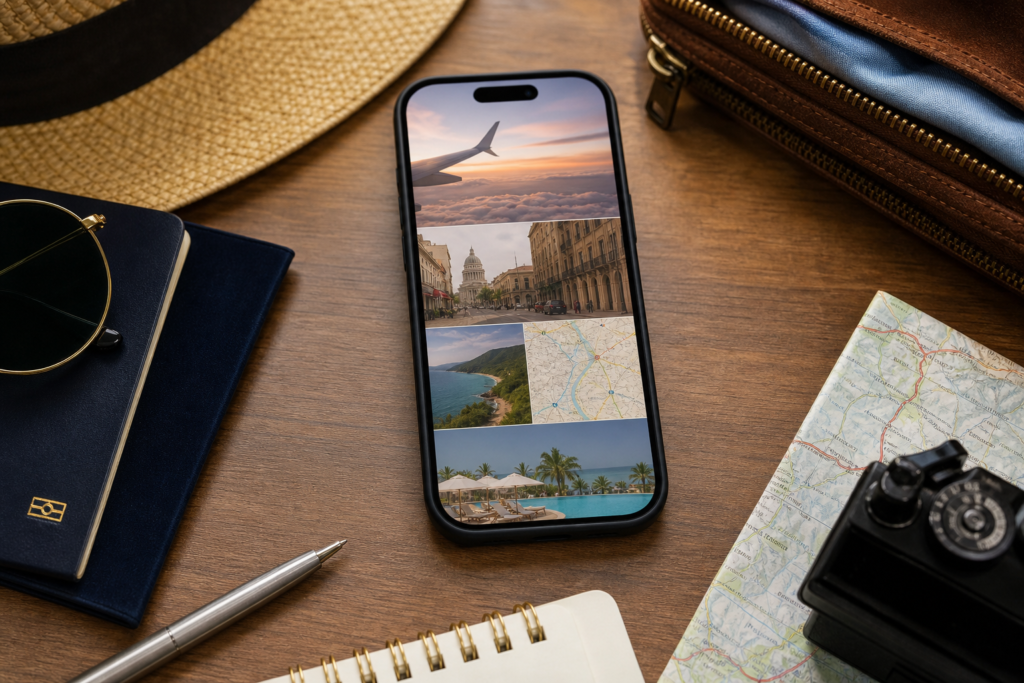
Best for: Emergency backup
Address: Cloud storage (Google Drive, Dropbox) or email
Price: Free
Losing your phone or laptop is a nightmare, but it’s worse if you lose your itinerary. Save a PDF of your flights, hotels, and meeting details to the cloud (e.g., Google Drive). Also, email it to yourself and a trusted colleague. In 2026, many travel apps sync automatically, but a manual backup never hurts. This is one of the simplest business travel tips for avoiding disaster.
Keep a Digital Copy of Your Itinerary is one of the most practical ideas in this 15 Essential Business Travel Tips for 2026: Work Smarter on the Road guide because it helps travelers avoid avoidable costs, stress, and last-minute mistakes. Using this advice early in your planning process can improve budgeting, save time on the road, and make your overall trip run more smoothly.
For anyone using 15 essential business travel tips for 2026: work smarter on the road to plan smarter, this tip matters most when you want better day-to-day travel decisions. Treat it as a repeatable habit rather than a one-time trick, and it will keep delivering value before departure and throughout the trip.
15. Take Time to Unplug and Recharge

Best for: Mental well-being
Address: Your hotel room, a park, or a local café
Price: Free
Business travel is intense—you’re always “on.” Schedule 30 minutes each day to disconnect: take a walk, read a book, or meditate. In 2026, many hotels offer wellness amenities like yoga mats or meditation apps (e.g., Calm or Headspace). Your brain needs rest to perform at its best. Don’t skip this—it’s not laziness; it’s strategy.
Take Time to Unplug and Recharge is one of the most practical ideas in this 15 Essential Business Travel Tips for 2026: Work Smarter on the Road guide because it helps travelers avoid avoidable costs, stress, and last-minute mistakes. Using this advice early in your planning process can improve budgeting, save time on the road, and make your overall trip run more smoothly.
For anyone using 15 essential business travel tips for 2026: work smarter on the road to plan smarter, this tip matters most when you want better day-to-day travel decisions. Treat it as a repeatable habit rather than a one-time trick, and it will keep delivering value before departure and throughout the trip.
Conclusion
Business travel in 2026 doesn’t have to be a grind. By adopting these business travel tips, you can streamline your packing, boost your productivity, and protect your well-being. From carry-on-only packing to using a VPN, each tip is designed to save you time, money, and stress. Remember: the goal isn’t just to survive your trip—it’s to thrive, whether you’re closing a deal or exploring a new city. So pack smart, stay flexible, and enjoy the ride. Safe travels!
similar posts
Best Time to Visit Machu Picchu in 2026
Where to Stay in San Diego in 2026: Best Neighborhoods & Hotels
17 Essential Travel Photography Tips for 2026: Capture Your Adventures Like a Pro
The Ultimate Guide to the Top 10 Places to Visit in the World in 2026
15 Must-See Places to Visit in the US in 2026
Best Time to Visit the Grand Canyon in 2026