
The Ultimate Guide to the Best Time to Visit Banff in 2026

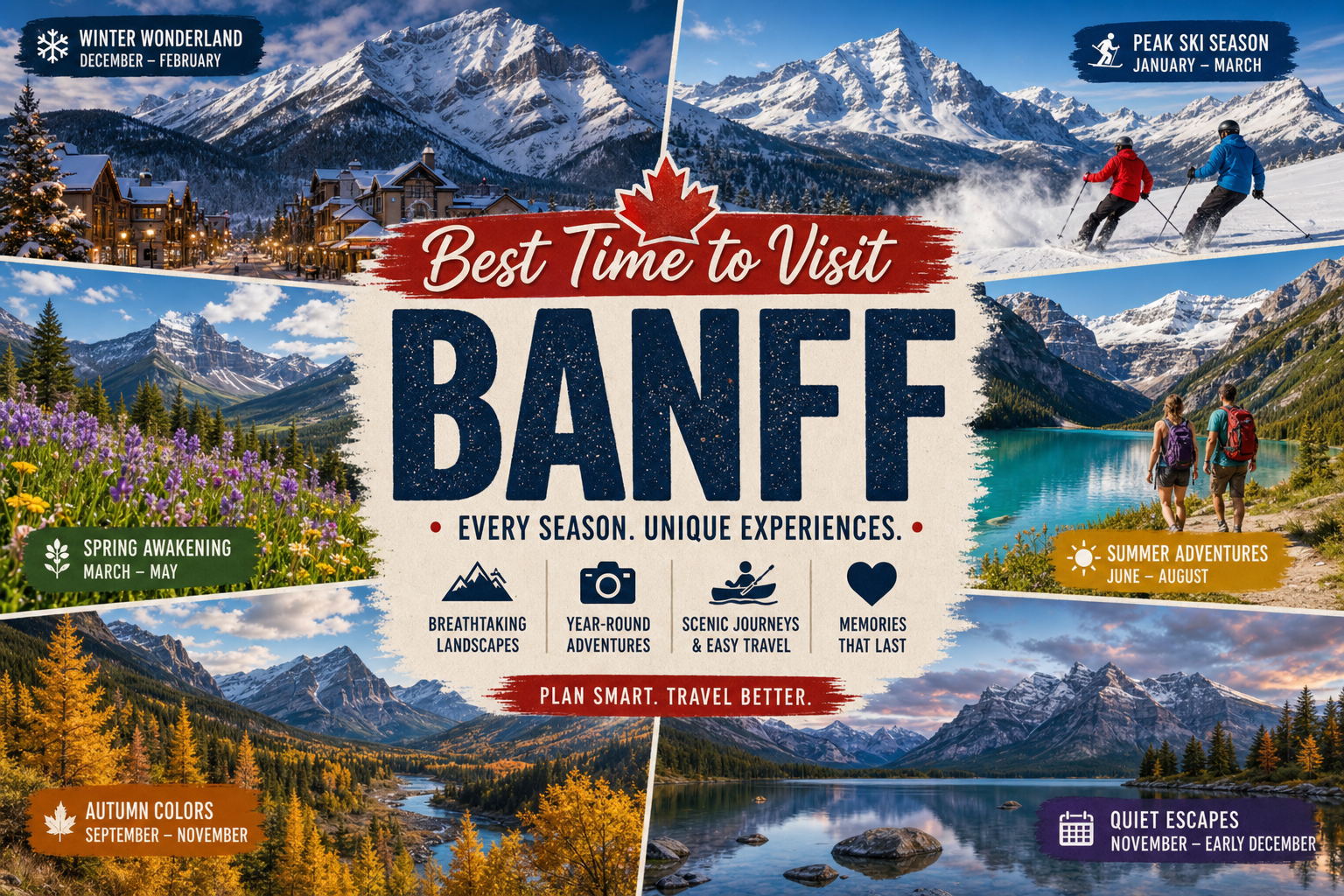
You’re probably wondering when you should finally book that trip to Banff National Park, and honestly, the answer depends on what kind of experience you’re chasing. The best time to visit Banff is truly a matter of personal preference, but if you want the most balanced weather, fewer crowds, and reasonable prices, aim for late June through early September or the shoulder months of May and October. Whether you’re dreaming of turquoise lakes under summer sun or chasing northern lights over snowy peaks, Banff delivers year-round magic—you just need to know when to go.
The Best Time to Visit Banff: A Month-by-Month Breakdown
1. January: The Winter Wonderland Peak
Best for: Skiers, snowboarders, and aurora chasers
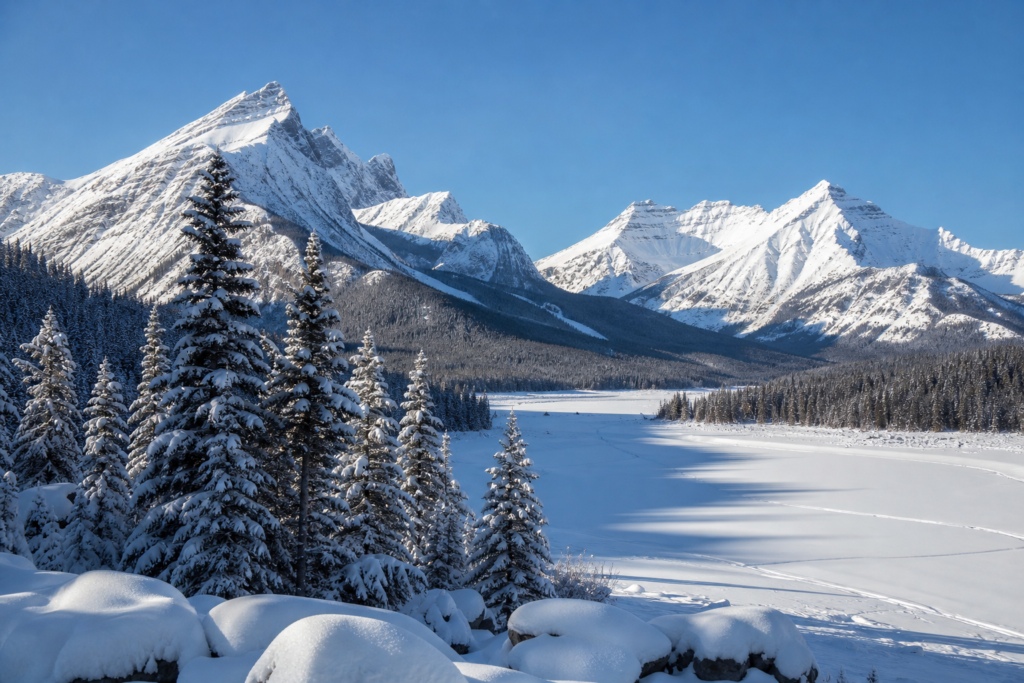
January is the heart of Banff’s winter season, and it’s absolutely stunning. The temperatures hover between -15°C to -5°C (5°F to 23°F), so pack your warmest gear. The snowpack is at its deepest, making this the prime time for skiing at Sunshine Village, Lake Louise Ski Resort, and Mount Norquay. Address: Banff Avenue, Banff, AB T1L 1A1 (Banff town center). Hours: Ski resorts typically operate from 9:00 AM to 4:00 PM. Price: Lift tickets start at $110 CAD per day. You’ll also catch the Banff SnowDays festival in late January, featuring ice sculptures, sleigh rides, and the famous Ice Magic Festival on Lake Louise. The short daylight hours (about 8 hours) mean you might spot the northern lights on clear nights—just head away from town lights toward Lake Minnewanka. Just remember that roads can be icy, so rent a car with winter tires or use the Roam public transit system.
2. February: The Cozy Winter Escape
Best for: Couples, winter hikers, and ice skaters
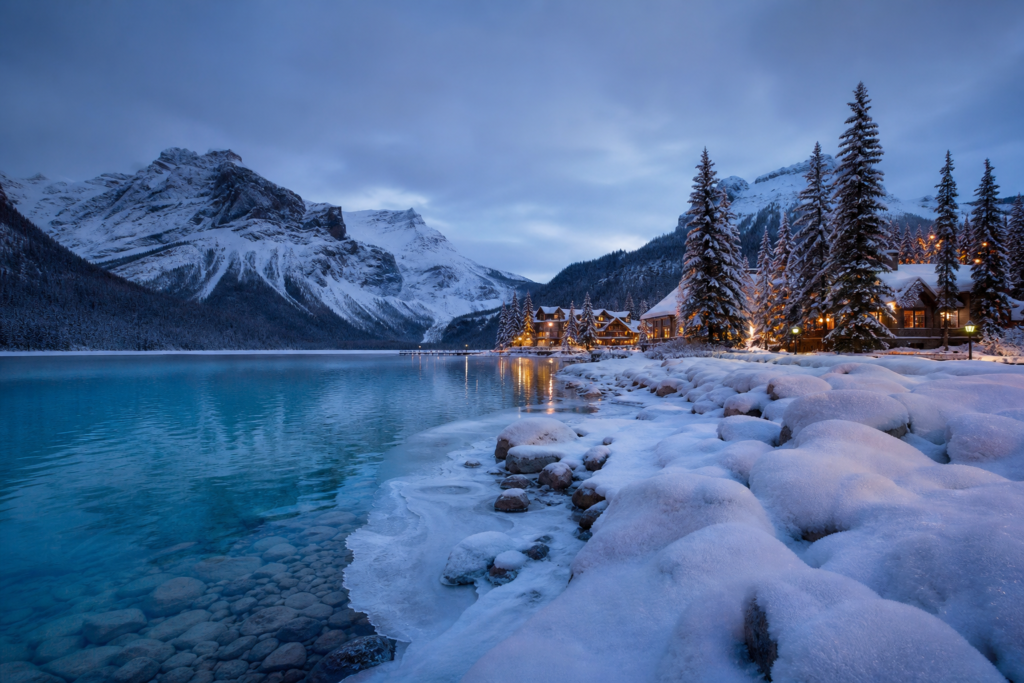
February feels like a snow globe come to life. Temperatures remain cold (-10°C to -1°C or 14°F to 30°F), but the days start getting slightly longer. This is the perfect month for ice skating on Lake Louise—the famous rink is maintained daily and offers a magical backdrop. Address: Lake Louise, AB T0L 1E0. Hours: Ice skating is available from 10:00 AM to 5:00 PM. Price: Free to skate, but parking costs $12.50 CAD. February also hosts Banff’s Winter Festival, with fireworks, live music, and a massive snow maze. For a romantic evening, book a horse-drawn sleigh ride through the snowy meadows near Banff Springs Hotel. The downside? Accommodation prices are at their peak, with hotels averaging $300-$500 CAD per night. Book at least three months in advance if you’re visiting during Family Day weekend (third Monday in February).
3. March: The Shoulder Season Sweet Spot
Best for: Budget-conscious skiers and spring breakers
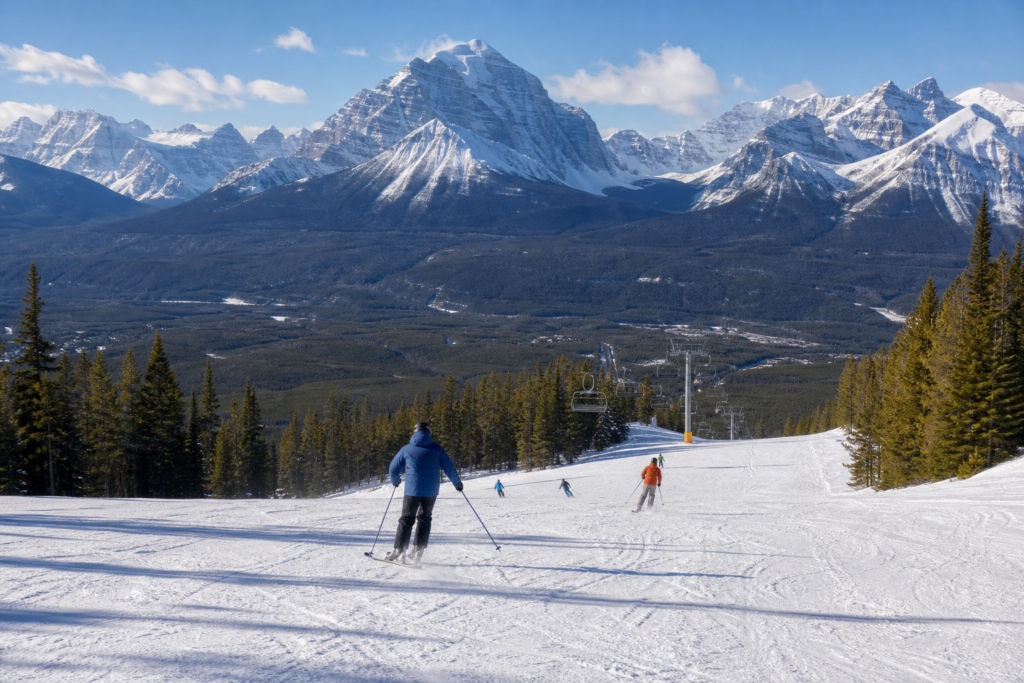
March is a fantastic compromise. The snow is still excellent for skiing (especially at higher elevations), but the temperatures start warming up to -5°C to 5°C (23°F to 41°F). You’ll find fewer crowds than February, and accommodation prices drop by about 20%. Address: Sunshine Village Ski Resort, 1 Sunshine Access Rd, Banff, AB T1L 1J5. Hours: 8:30 AM to 4:30 PM. Price: Lift tickets are around $95 CAD if you book online in advance. The Banff Mountain Film and Book Festival also runs in late March, showcasing adventure films and literature. One hidden gem: Johnston Canyon’s frozen waterfalls are still accessible for ice walking tours, but the lower trail can get muddy by month’s end. Bring microspikes for your boots—they’re essential for icy trails. March is also when wildlife starts stirring, so keep an eye out for elk and bighorn sheep near the Bow River.
4. April: The Quiet Awakening
Best for: Photographers and solitude seekers
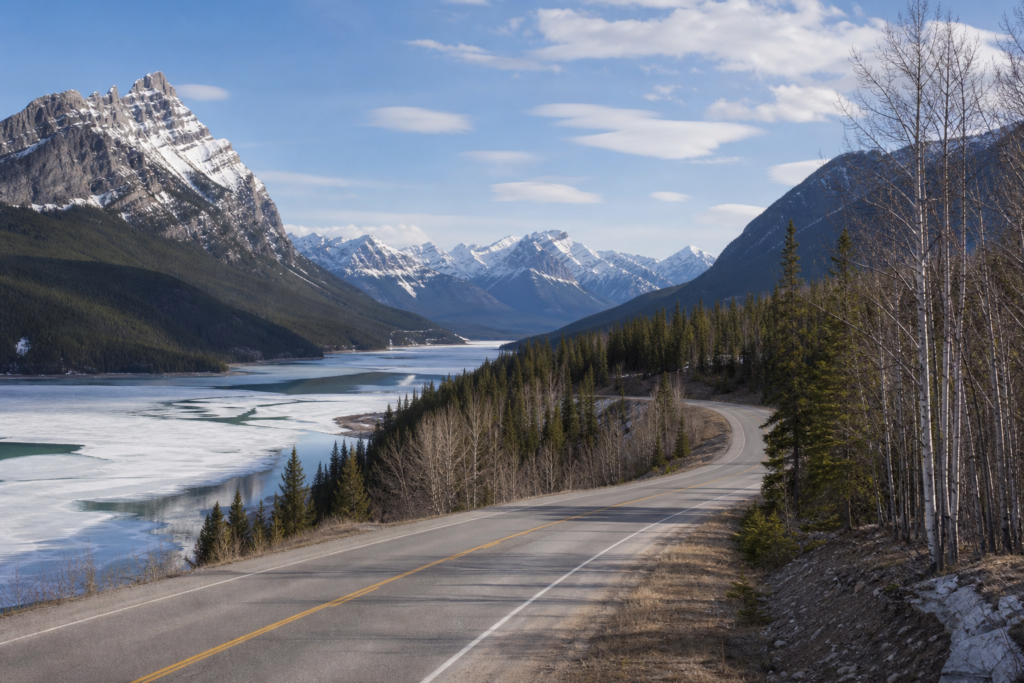
April is Banff’s quietest month. The ski season winds down (most resorts close by mid-April), and the summer crowds haven’t arrived yet. Temperatures range from -2°C to 8°C (28°F to 46°F), so you’ll need layers. The best part? You can have popular spots like Lake Louise or Moraine Lake Road almost to yourself—though Moraine Lake itself is usually still frozen. Address: Moraine Lake Road, Banff National Park. Hours: Road opens late May or early June depending on snow. Price: Free access to the road. This is the perfect time for wildlife photography, as bears emerge from hibernation and elk are calving. The Banff Springs Hotel offers off-season rates starting at $250 CAD per night. Just be prepared for unpredictable weather—snowstorms can hit even in late April. For a unique experience, visit the Banff Upper Hot Springs (still open year-round) for a soak while snow falls around you.
5. May: The Transition Month
Best for: Budget travelers and early hikers
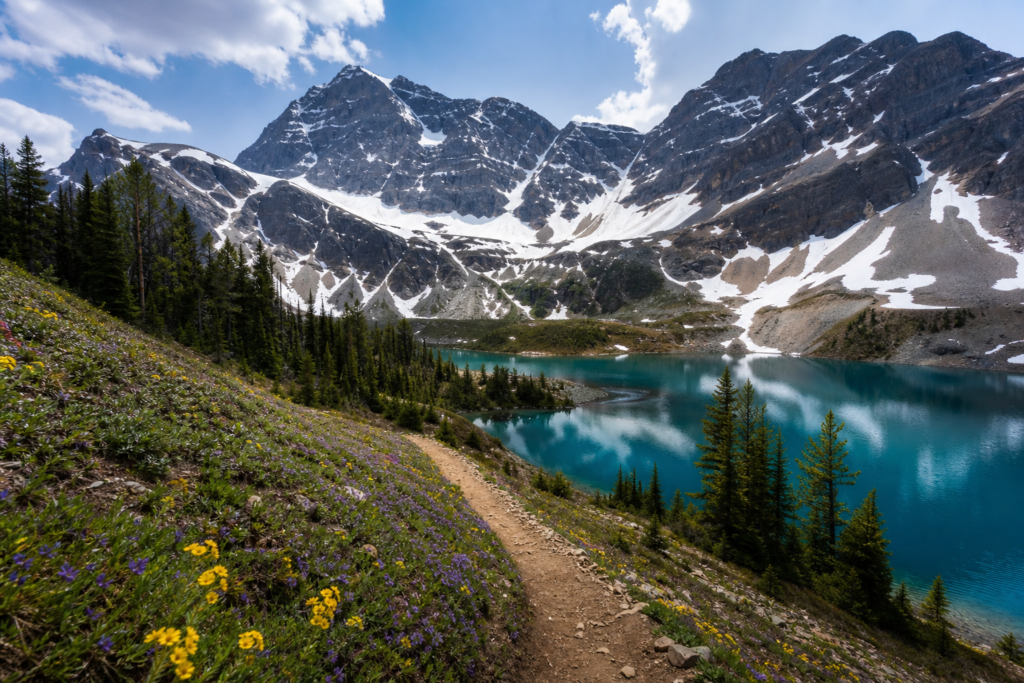
May is when Banff starts waking up. The snow melts at lower elevations, revealing lush green valleys and rushing waterfalls. Temperatures climb to 5°C to 15°C (41°F to 59°F), but higher trails remain snow-covered. This is the cheapest time to visit after winter, with hotel rates dropping to $150-$250 CAD per night. Address: Banff Upper Hot Springs, 1 Mountain Ave, Banff, AB T1L 1B2. Hours: 10:00 AM to 10:00 PM. Price: $8.30 CAD per adult. The big highlight? The Lake Louise area starts to thaw, and by late May, the iconic turquoise color begins to appear. Johnston Canyon’s upper falls are accessible without ice gear. However, some attractions like the Banff Gondola (reopens mid-May) and Moraine Lake Road (opens late May) have limited availability. The Banff Craft Beer Festival also happens in mid-May, perfect for après-hike relaxation. Just check trail conditions on Parks Canada’s website before heading out.
6. June: The Summer Kickoff
Best for: Hikers and families
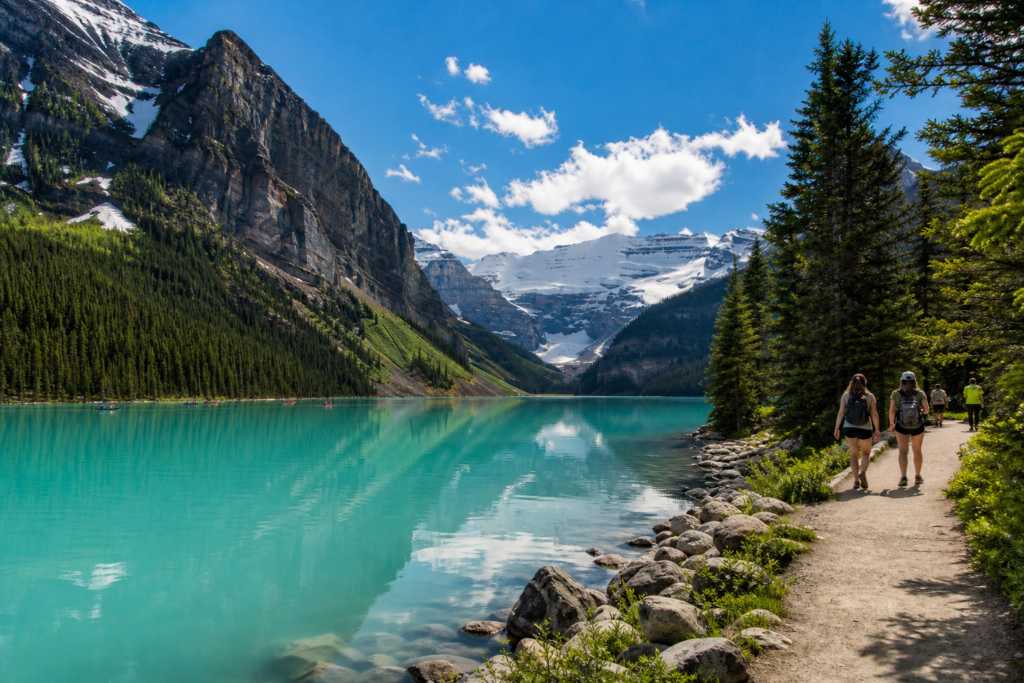
June marks the official start of summer, with temperatures averaging 10°C to 20°C (50°F to 68°F). The snow has melted from most lower-elevation trails, and wildflowers start blooming in alpine meadows. Address: Moraine Lake, Banff National Park. Hours: Accessible from late May to mid-October. Price: Free to visit, but parking fills by 6:00 AM. This is the best time to visit Banff for hiking—try the Plain of Six Glaciers trail (11 km return, moderate difficulty) or the Johnston Canyon to Ink Pots trail (11 km return). The Banff Gondola reopens fully, offering panoramic views of the Bow Valley. Crowds are manageable compared to July and August, but Moraine Lake parking is already competitive. Book accommodation by February for June visits. One pro tip: Visit Lake Minnewanka for a quieter alternative to Moraine Lake—the shoreline trail is stunning and far less crowded.
7. July: The Peak Summer Spectacle
Best for: First-time visitors and adventure seekers
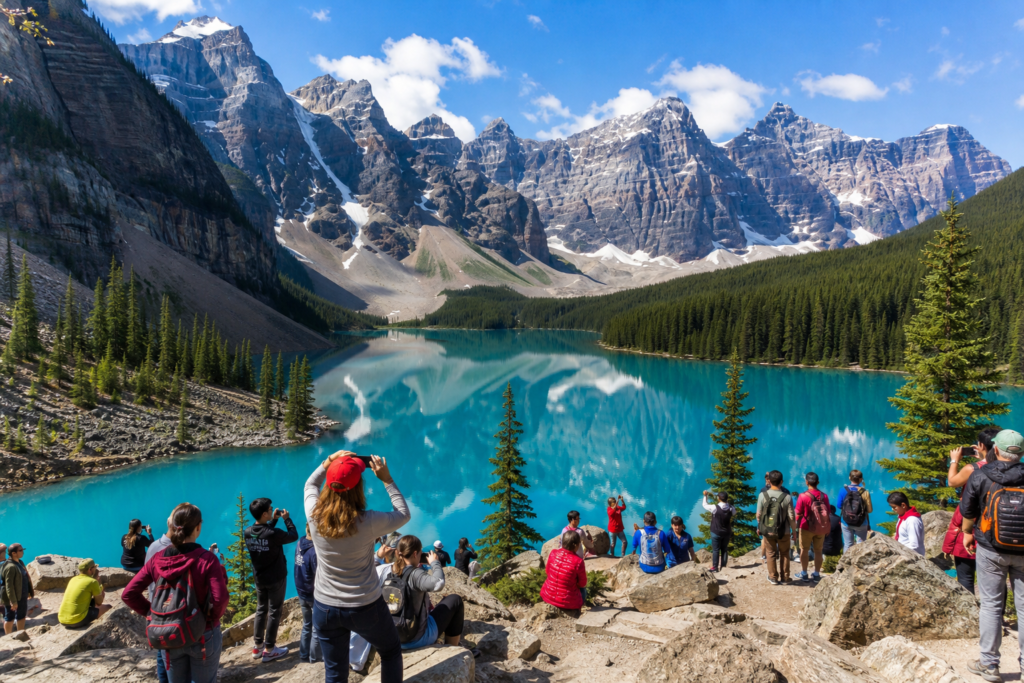
July is Banff at its most vibrant—and most crowded. Temperatures hit 15°C to 25°C (59°F to 77°F), with long daylight hours (up to 16 hours). All trails, roads, and attractions are open. Address: Lake Louise, AB T0L 1E0. Hours: Parking lot fills by 8:00 AM. Price: Free to visit, but shuttle bus costs $8 CAD. This is the month for iconic experiences: canoeing on Lake Louise, hiking to the Lake Agnes Tea House, and driving the Icefields Parkway to Jasper. The Banff Summer Arts Festival runs through July, featuring concerts, theatre, and art exhibits. Expect heavy crowds—Moraine Lake parking fills by 5:00 AM, and the Lake Louise shoreline is shoulder-to-shoulder by noon. Book accommodation by January, and consider staying in Canmore (15 minutes east) for cheaper options. The Banff Gondola often has wait times of 1-2 hours, so buy tickets online in advance.
8. August: The Warmest and Busiest Month
Best for: Sun worshippers and festival-goers
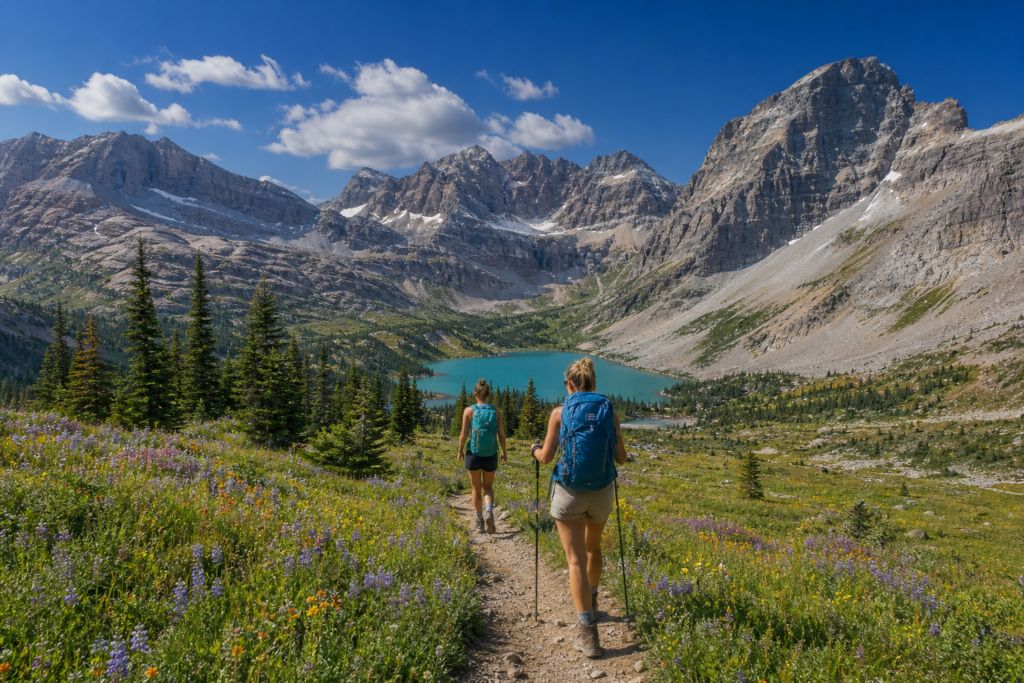
August is Banff’s warmest month, with temperatures reaching 20°C to 30°C (68°F to 86°F) at lower elevations. It’s also the busiest—expect gridlock traffic on the Bow Valley Parkway and sold-out accommodation weeks in advance. Address: Banff Avenue (downtown). Hours: Shops open 9:00 AM to 9:00 PM. Price: Free to walk. The Banff Mountain Film and Book Festival starts in late August, but the real draw is the weather. Swim in Lake Minnewanka (water temperature: 15°C/59°F), hike the challenging Sentinel Pass trail (11 km, difficult), or take a dip in the Banff Upper Hot Springs. Wildlife is active—see grizzly bears in the Bow Valley Parkway (dawn and dusk are best). For a hidden gem, hike to the Consolation Lakes near Moraine Lake—it’s far quieter than the main lake. The downside? Prices are at their highest: hotels average $400-$600 CAD per night, and restaurants have long waits.
9. September: The Golden Month
Best for: Photographers and couples
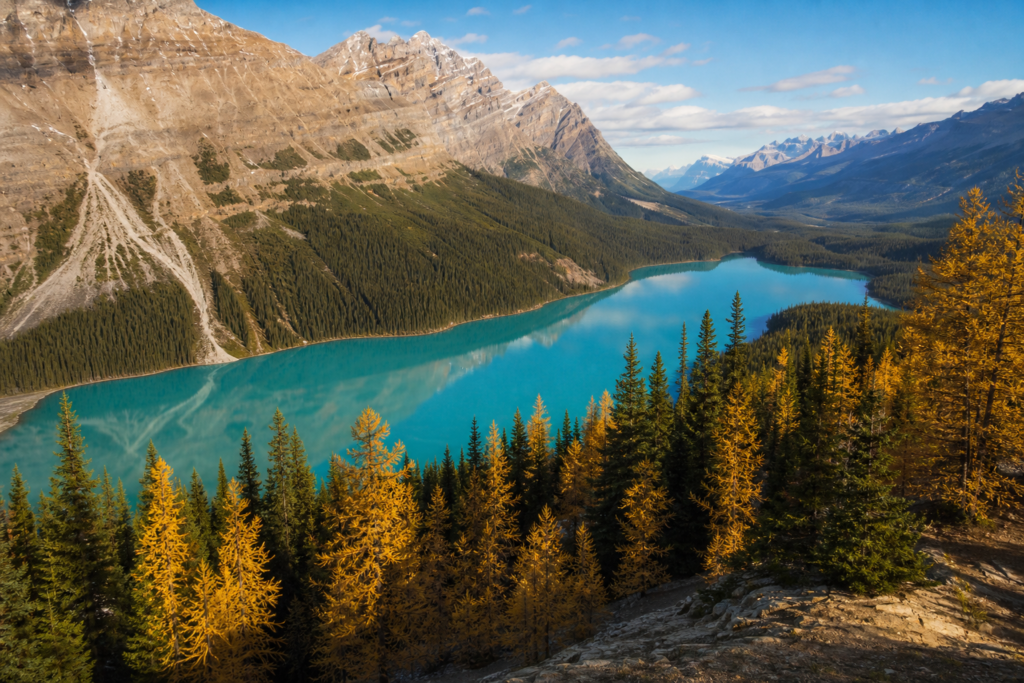
September is arguably the best time to visit Banff for a balance of weather, crowds, and beauty. Temperatures drop to 10°C to 20°C (50°F to 68°F), and the larch trees turn golden in late September. Address: Larch Valley Trail, Moraine Lake. Hours: Trail accessible from June to October. Price: Free to hike. The crowds thin out significantly after Labour Day (first Monday in September), making it easier to find parking at Lake Louise and Moraine Lake. The larch season (mid-September to early October) is a photographer’s dream—hike to Larch Valley or the Sentinel Pass for stunning golden views. Wildlife is active as animals prepare for winter: elk rutting season starts, and you’ll hear bugling males. Accommodation prices drop by 30%, with hotels starting at $200 CAD per night. The Banff Gondola has shorter lines, and the Icefields Parkway is less congested. Just pack layers—mornings can be near freezing.
10. October: The Autumn Serenity
Best for: Solo travelers and budget explorers
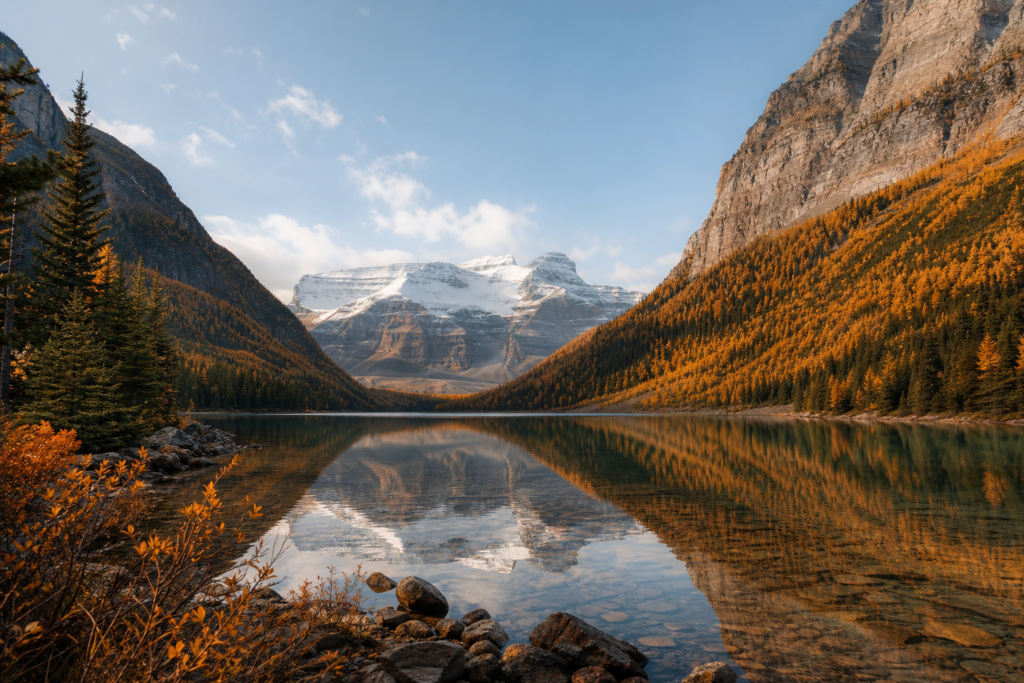
October is a quiet, contemplative time in Banff. The larches have shed their needles, and the first snow dusts the peaks. Temperatures range from 0°C to 12°C (32°F to 54°F), and many seasonal attractions close by mid-month. Address: Banff Springs Hotel, 405 Spray Ave, Banff, AB T1L 1J4. Hours: Open year-round. Price: Room rates start at $180 CAD per night. This is the cheapest time to visit after May, with hotel rates dropping to $120-$200 CAD per night. The Banff Gondola closes for maintenance in late October, but the Banff Upper Hot Springs remain open. Wildlife viewing is excellent—elk and deer are abundant in town. For hiking, try the Tunnel Mountain trail (easy, 4.5 km return) or the Bow River Loop (flat, 9 km). The main drawback? Many restaurants and shops reduce hours, and some trails are icy. Bring microspikes and a warm jacket.
11. November: The Quiet Before the Storm
Best for: Budget travelers and early-season skiers
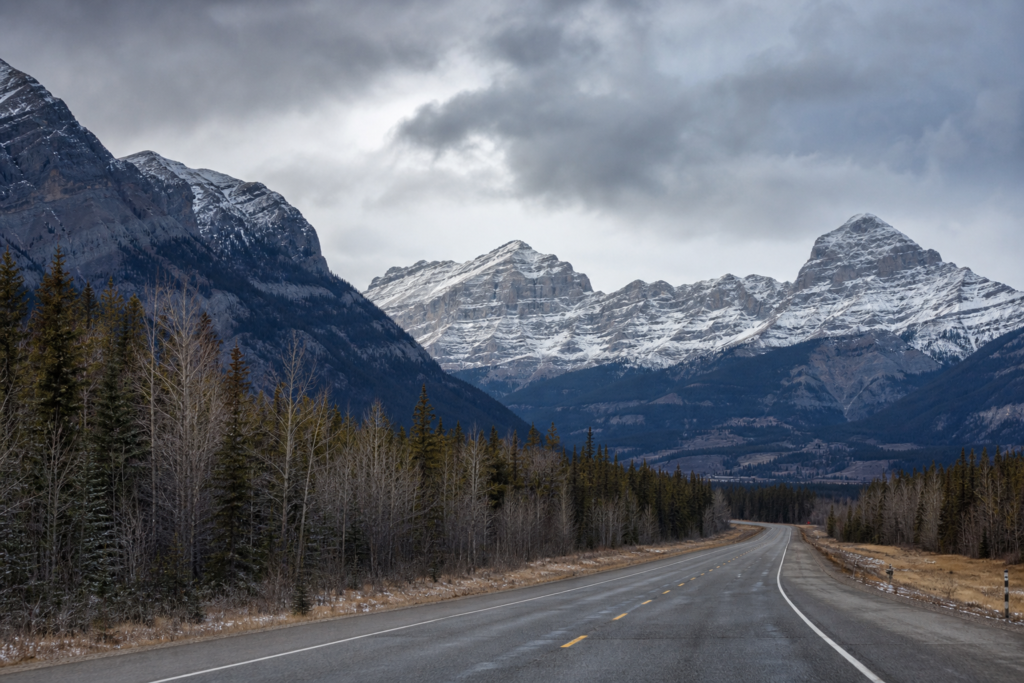
November is Banff’s quietest month after April. The ski season starts in mid-November (usually around the second week), but the snowpack is thin. Temperatures drop to -5°C to 5°C (23°F to 41°F). Address: Mount Norquay Ski Resort, 2 Mt Norquay Rd, Banff, AB T1L 1B4. Hours: 9:00 AM to 4:00 PM. Price: Early season lift tickets start at $70 CAD. This is a great time for a budget-friendly getaway—hotel rates are the lowest of the year, averaging $100-$150 CAD per night. The Banff Christmas Market starts in late November, featuring local crafts, mulled wine, and festive lights. The Ice Magic Festival begins preparations on Lake Louise. However, many trails are closed due to snow or ice, and the weather can be dreary with overcast skies. If you’re here for skiing, wait until late November for better conditions. For a unique experience, take a snowshoe tour on Tunnel Mountain.
12. December: The Holiday Magic
Best for: Families and festive travelers
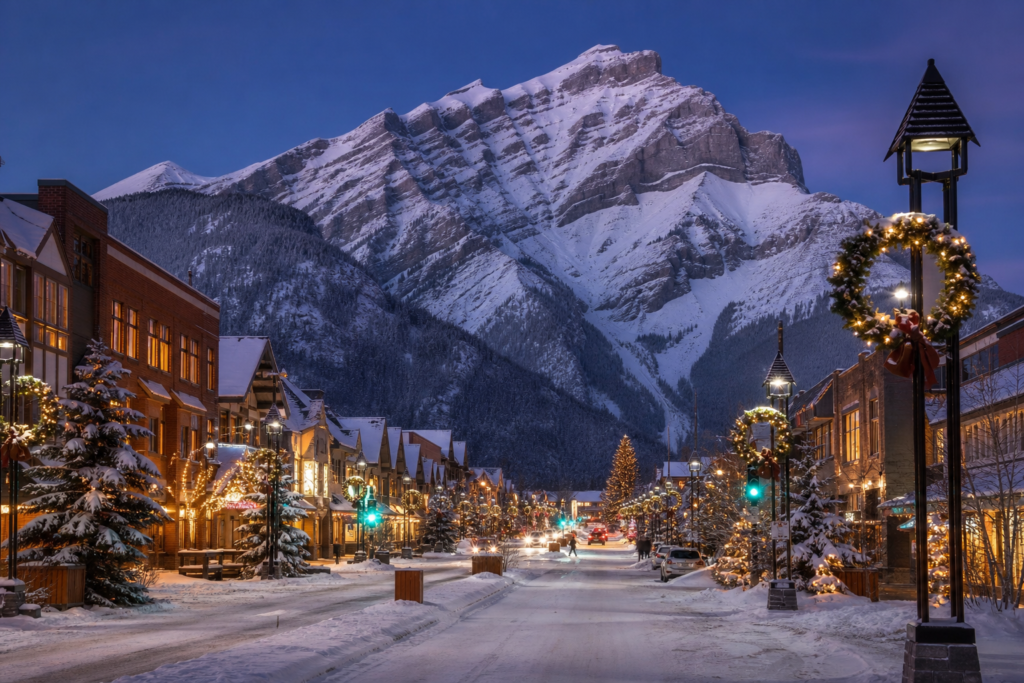
December transforms Banff into a winter wonderland. The snow is deep by mid-month, and the town glows with Christmas lights. Temperatures range from -10°C to -1°C (14°F to 30°F). Address: Banff Avenue (downtown). Hours: Shops open 10:00 AM to 8:00 PM. Price: Free to explore. The Banff Christmas Market runs on weekends, and the Ice Magic Festival on Lake Louise (mid-December to mid-January) features incredible ice sculptures. Ski conditions are excellent by late December, with Sunshine Village and Lake Louise Ski Resort fully open. The downside? This is the second most expensive time after July, with hotel rates averaging $300-$500 CAD per night. Book by October for Christmas week. For a quieter experience, visit the Banff Upper Hot Springs on a snowy evening—it’s magical. The northern lights are also visible on clear nights, especially around the winter solstice.
Conclusion
So, when is the best time to visit Banff? Honestly, there’s no wrong answer—it all depends on what you’re after. If you want warm weather and all attractions open, go for July or August (but prepare for crowds). For a perfect mix of good weather, fewer people, and stunning scenery, aim for June or September. Budget travelers will love May or October, while winter lovers should target January or February for skiing and snow magic. No matter when you go, Banff will leave you breathless—just pack accordingly and book early. See you on the trails!
similar posts
Best Time to Visit Machu Picchu in 2026
Where to Stay in San Diego in 2026: Best Neighborhoods & Hotels
17 Essential Travel Photography Tips for 2026: Capture Your Adventures Like a Pro
The Ultimate Guide to the Top 10 Places to Visit in the World in 2026
15 Essential Business Travel Tips for 2026: Work Smarter on the Road
15 Must-See Places to Visit in the US in 2026