
Essential Travel Health Tips for a Safe and Enjoyable 2026 Adventure

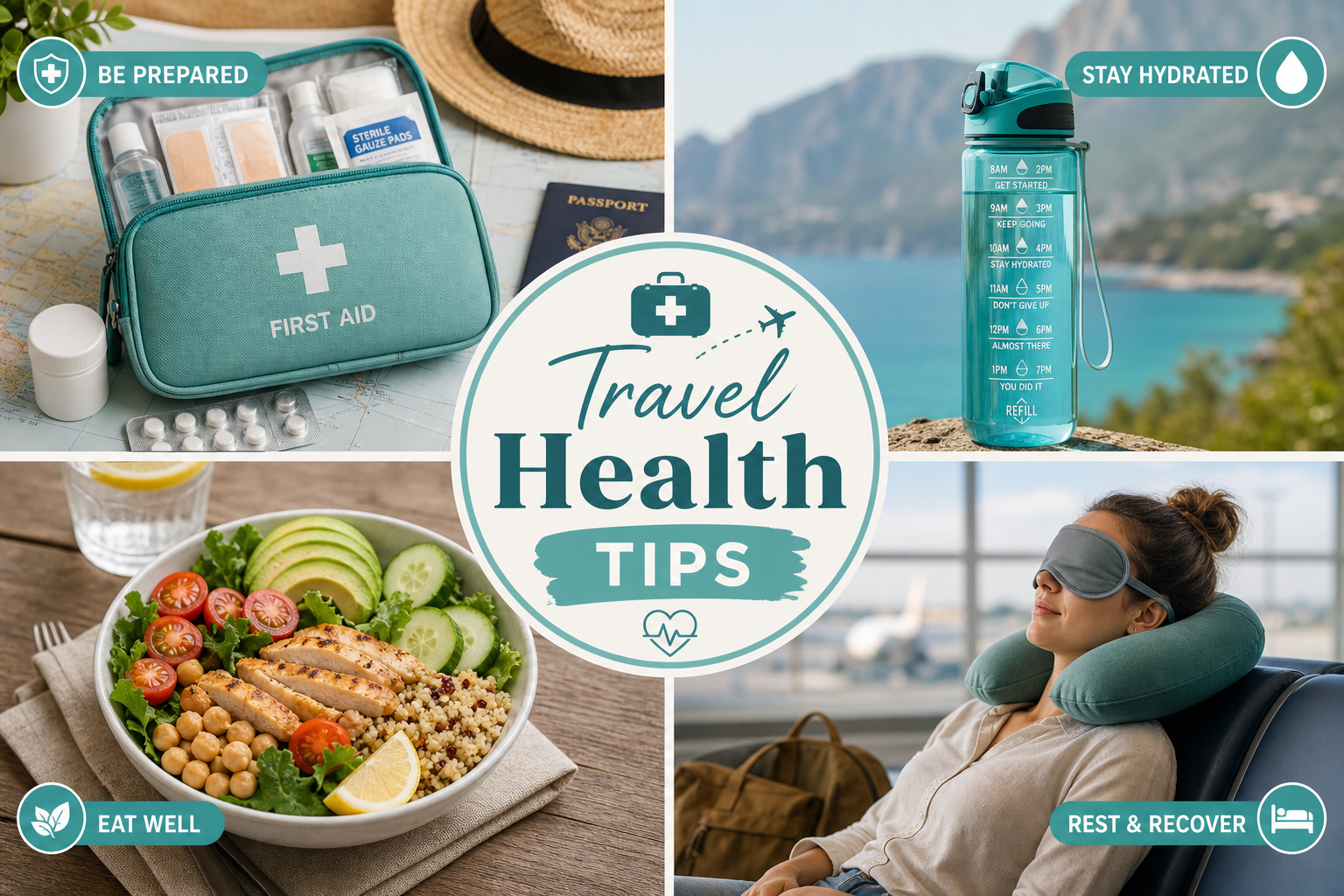
Let’s be real—few things ruin a trip faster than getting sick or injured far from home. Whether you’re a seasoned globetrotter or planning your first big journey, knowing how to stay healthy on the road is non-negotiable. These practical travel health tips will help you navigate everything from jet lag to food safety, so you can focus on the fun. From packing a smart first-aid kit to handling altitude sickness, we’ve got you covered for 2026.
Why These Travel Health Tips Are Your Trip’s Best Friend
1. Pack a Customized First-Aid Kit
Best for: All travelers, especially those heading off the beaten path.
Address: Your carry-on bag, not checked luggage (trust me, you’ll thank me when your main bag gets delayed).
Hours: Assemble it at least a week before departure.
Price: $20–$50, depending on your needs.
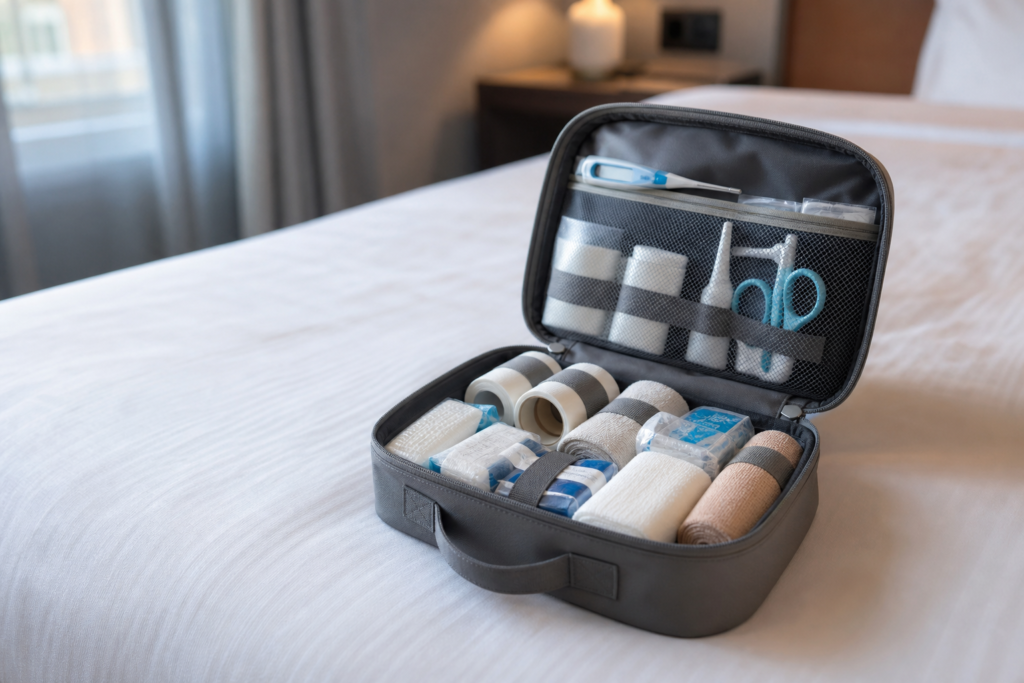
Your first-aid kit is your lifeline. Start with the basics: adhesive bandages in various sizes, antiseptic wipes, blister pads (Compeed is a lifesaver), and medical tape. But don’t stop there—add a small bottle of ibuprofen, antihistamines for allergic reactions (even if you’ve never had one before, new environments can trigger them), and anti-diarrhea medication like loperamide. For 2026, consider including a digital thermometer and a pulse oximeter (about $20 on Amazon) to monitor fever and oxygen levels, especially if you’re heading to high altitudes. I also swear by packing a small tube of hydrocortisone cream for bug bites or rashes. Pro tip: throw in a few safety pins and a pair of tweezers—they’re useless until you need them for a splinter or a broken zipper. Remember, you can always buy more on the road, but having the essentials in your carry-on means you’re prepared before you even land.
2. Get Vaccinated Well in Advance

Best for: International travelers visiting developing regions or rural areas.
Address: Your local travel clinic or public health department (find one at CDC.gov or WHO.int).
Hours: Schedule an appointment 4–6 weeks before your trip.
Price: $50–$500, depending on vaccines (insurance may cover some).
Vaccinations aren’t just a formality—they’re a shield. Start by checking the CDC or WHO travel health pages for your destination. Common requirements for 2026 include hepatitis A and B, typhoid, and yellow fever (mandatory for parts of Africa and South America). Don’t forget routine boosters like tetanus, diphtheria, and pertussis (Tdap), which many adults overlook. If you’re heading to malaria zones, ask about oral prophylaxis like doxycycline or atovaquone-proguanil. I once skipped the Japanese encephalitis vaccine for a trip to rural Thailand—big mistake. A single mosquito bite had me feverish for days. Also, consider the rabies vaccine if you’ll be around animals; it’s pricey but saves you from a frantic search for immunoglobulin abroad. And here’s a 2026 trend: some clinics now offer combined travel consultations via telehealth, which is super convenient for last-minute planners.
3. Master the Art of Hydration
Best for: Hot climates, high altitudes, and long-haul flights.
Address: Everywhere you go—keep a reusable water bottle handy.
Hours: Sip continuously, not just when you’re thirsty.
Price: Free (tap water) or $1–3 per bottle (if buying safe water).
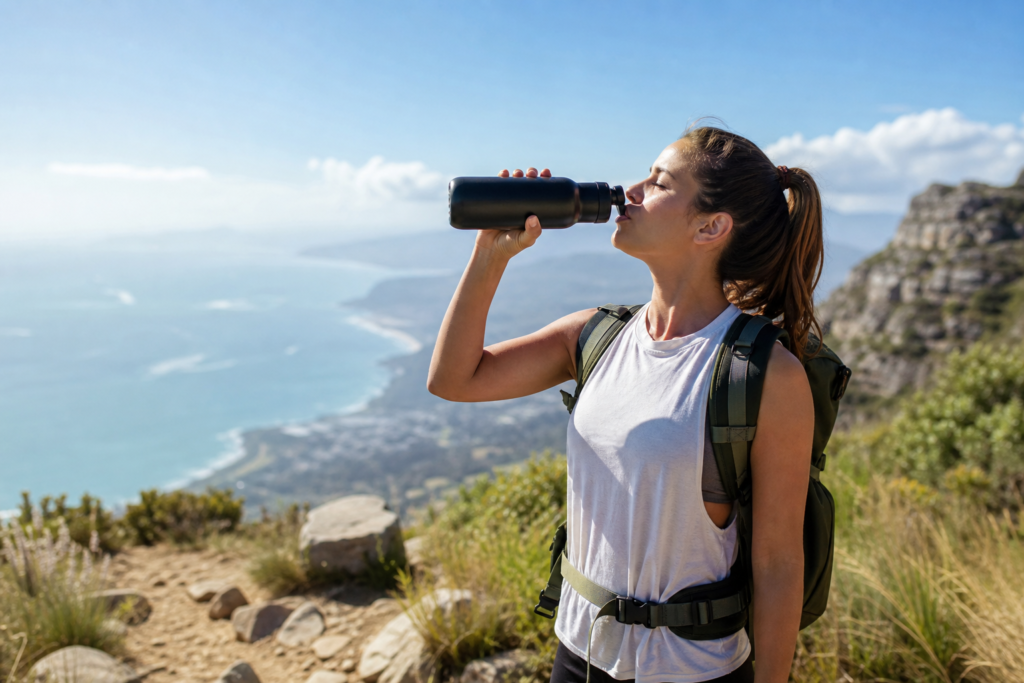
Dehydration is a silent trip wrecker. It causes fatigue, headaches, and even worsens jet lag. On flights, drink 8–10 ounces of water per hour—skip the alcohol and caffeine, which dehydrate you faster. Once on the ground, aim for 2–3 liters daily, more if you’re active or in a hot climate. In 2026, smart water bottles with hydration reminders (like the HidrateSpark) are trending, but a simple trick works: fill your bottle every morning and track your intake with a rubber band. Move it down each time you finish a liter. If you’re in a place where tap water is unsafe, use a portable filter like a LifeStraw or purification tablets. I learned this the hard way in Mexico—a “safe” hotel tap gave me a nasty stomach bug. Also, eat water-rich foods like cucumber, watermelon, and oranges. They count toward hydration and are easy to find at local markets.
4. Avoid Food Poisoning Like a Pro

Best for: Street food lovers and travelers in developing countries.
Address: Anywhere with questionable hygiene—think markets, buffets, and roadside stalls.
Hours: Be cautious at all times, especially during peak meal times (food sits out longer).
Price: Prevention is priceless; treatment costs $10–100+ for meds.
Food poisoning is the most common travel ailment, but it’s mostly avoidable. Stick to the mantra: “Boil it, cook it, peel it, or forget it.” Avoid raw or undercooked meat, seafood, and eggs. Street food can be safe if it’s cooked fresh in front of you and served hot—steaming means bacteria are dead. Skip buffets that look lukewarm or have been sitting out for hours. Wash fruits and veggies with bottled water or peel them yourself. In 2026, portable UV sanitizers (like the SteriPen) are popular for treating water and even surfaces. I also carry a small bottle of hand sanitizer and use it before every meal, even if I’ve just washed my hands. And here’s a pro tip: if you’re really worried, pack a course of antibiotics like azithromycin (prescribed by your doctor). But don’t self-medicate—always consult a professional first. Trust your gut (literally)—if a place looks dirty, move on.
5. Protect Yourself from Mosquito-Borne Illnesses
Best for: Tropical destinations and rural areas.
Address: Apply repellent on exposed skin, especially at dawn and dusk.
Hours: Reapply every 4–6 hours, more often if swimming or sweating.
Price: $5–15 for repellent; $20–50 for mosquito nets.
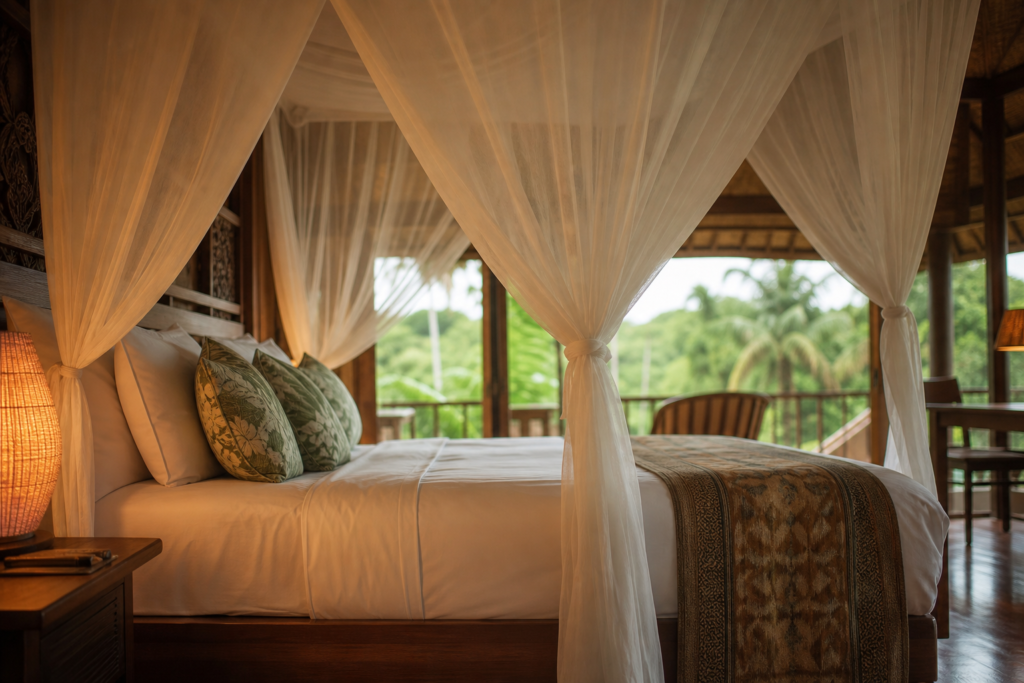
Mosquitoes are more than annoying—they carry dengue, malaria, Zika, and chikungunya. For 2026, the best defense is DEET (20–30%) or picaridin (20%), both recommended by the WHO. Apply it after sunscreen, not before. Wear long sleeves and pants treated with permethrin (you can buy pre-treated clothing from brands like ExOfficio). Sleep under a mosquito net if your accommodation isn’t sealed. I always travel with a portable net (about $15) for budget hotels in rural areas. Also, check if your destination has outbreaks—apps like CDC TravWell provide real-time alerts. If you’re pregnant or planning pregnancy, avoid Zika-prone areas entirely. And don’t forget: mosquito coils and plug-in repellents work well for indoor spaces. One trick I love is using a fan—mosquitoes are weak fliers, so a breeze keeps them away.
6. Beat Jet Lag with Smart Timing
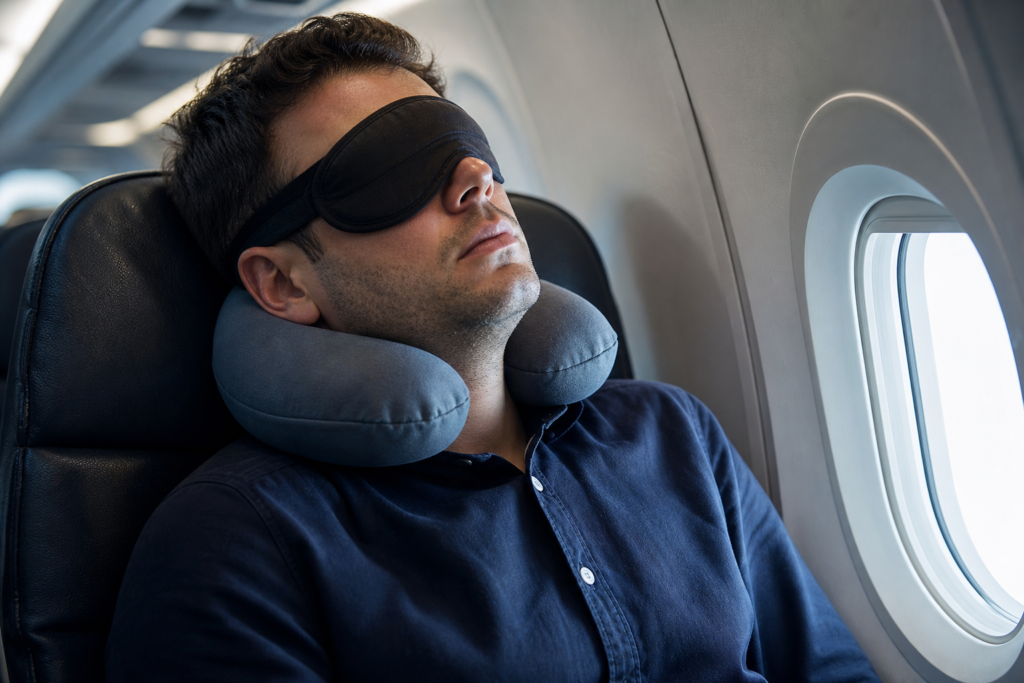
Best for: Long-haul flights crossing multiple time zones.
Address: Start adjusting before you board.
Hours: Shift your sleep schedule 1–2 days before departure.
Price: Free (lifestyle changes) or $10–30 for supplements like melatonin.
Jet lag hits hardest when you cross three or more time zones. The key is to reset your internal clock before you land. If you’re flying east, go to bed 30–60 minutes earlier each night for a few days before; if west, stay up later. On the flight, set your watch to destination time immediately and act accordingly—sleep if it’s nighttime there, stay awake if it’s daytime. Use an eye mask and noise-canceling headphones to block out distractions. In 2026, light therapy glasses (like Luminette) are gaining traction—they mimic natural sunlight to trick your brain into adjusting faster. Melatonin supplements (3–5 mg) can help, but don’t overdo it; start with a low dose. Avoid heavy meals and alcohol during the flight—they disrupt sleep quality. Once you arrive, get outside in natural light as soon as possible. I always take a brisk walk upon landing, even if I’m exhausted. It works wonders.
7. Maintain Gut Health with Probiotics

Best for: Travelers prone to digestive issues or visiting new cuisines.
Address: Take daily starting a week before your trip and throughout.
Hours: With meals, preferably breakfast.
Price: $10–30 for a month’s supply.
Your gut microbiome takes a hit when you’re exposed to new bacteria and stress. Probiotics help maintain balance and prevent traveler’s diarrhea. Look for strains like Lactobacillus rhamnosus GG and Saccharomyces boulardii, which are backed by research. I take a high-quality probiotic capsule every morning starting a week before departure and continue until I’m home. In 2026, fermented foods like kimchi, kefir, and kombucha are also trendy—you can find them at most grocery stores or local markets abroad. They’re delicious and support gut health naturally. Avoid overusing antibiotics unless prescribed—they wipe out good bacteria too. If you do get diarrhea, rehydrate with oral rehydration salts (ORS packets are cheap and easy to pack). One tip: if you’re in a place with spicy food, start mild and gradually increase. Your gut will thank you.
8. Prioritize Sleep Quality on the Road

Best for: All travelers, especially those with packed itineraries.
Address: Your hotel room or wherever you’re resting.
Hours: Aim for 7–9 hours per night, even if it means skipping a late dinner.
Price: Free (lifestyle changes) or $10–50 for sleep aids.
Lack of sleep weakens your immune system and ruins your mood. Make your sleep environment as comfortable as possible. Use earplugs and a sleep mask to block out noise and light. In 2026, portable white noise machines (like the LectroFan) are compact and effective. Stick to a consistent bedtime, even if you’re in a different time zone—this helps your body adapt. Avoid screens for an hour before bed; the blue light disrupts melatonin production. If you’re in a noisy hostel, consider a silk sleep sack (it’s also great for hygiene). I always pack a small lavender spray—just a spritz on my pillow calms me down. And don’t underestimate the power of a good pillow; bring a travel-sized one if you’re picky. Remember, it’s okay to nap during the day, but keep it under 30 minutes to avoid interfering with nighttime sleep.
9. Handle Altitude Sickness with Care
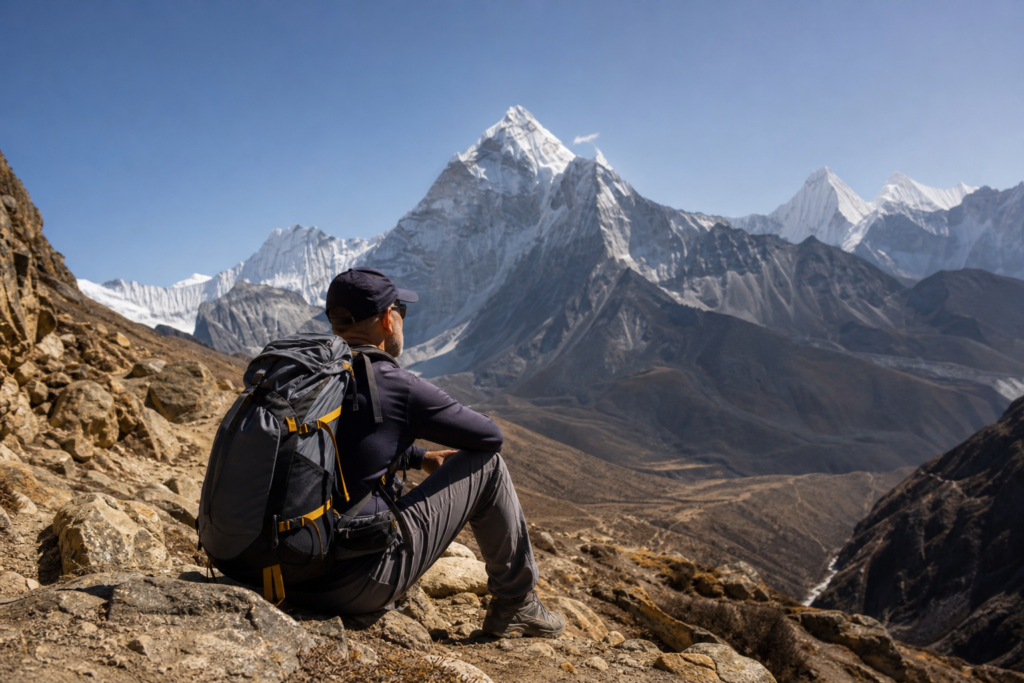
Best for: Hikers, trekkers, and travelers to high-altitude destinations (over 8,000 feet).
Address: Ascend gradually, especially in places like Cusco, Machu Picchu, or the Himalayas.
Hours: Spend 1–2 days acclimatizing before exerting yourself.
Price: Free (acclimatization) or $10–30 for acetazolamide (Diamox).
Altitude sickness hits when you ascend too quickly. Symptoms include headache, nausea, dizziness, and shortness of breath. The golden rule: climb high, sleep low. If you’re hiking, gain no more than 1,000 feet per day above 8,000 feet. Acetazolamide (Diamox) can prevent symptoms—ask your doctor for a prescription. I took it for a trek in Peru and had zero issues. Also, stay extremely hydrated and avoid alcohol and sleeping pills, which depress breathing. Chewing coca leaves (common in the Andes) or drinking coca tea helps some people, but check local laws. In 2026, portable hyperbaric chambers (like the Gamow bag) are used in remote areas for severe cases, but they’re expensive. If symptoms worsen (confusion, loss of coordination, coughing up pink foam), descend immediately—it could be life-threatening. Listen to your body; don’t push through.
10. Practice Sun Safety Every Day
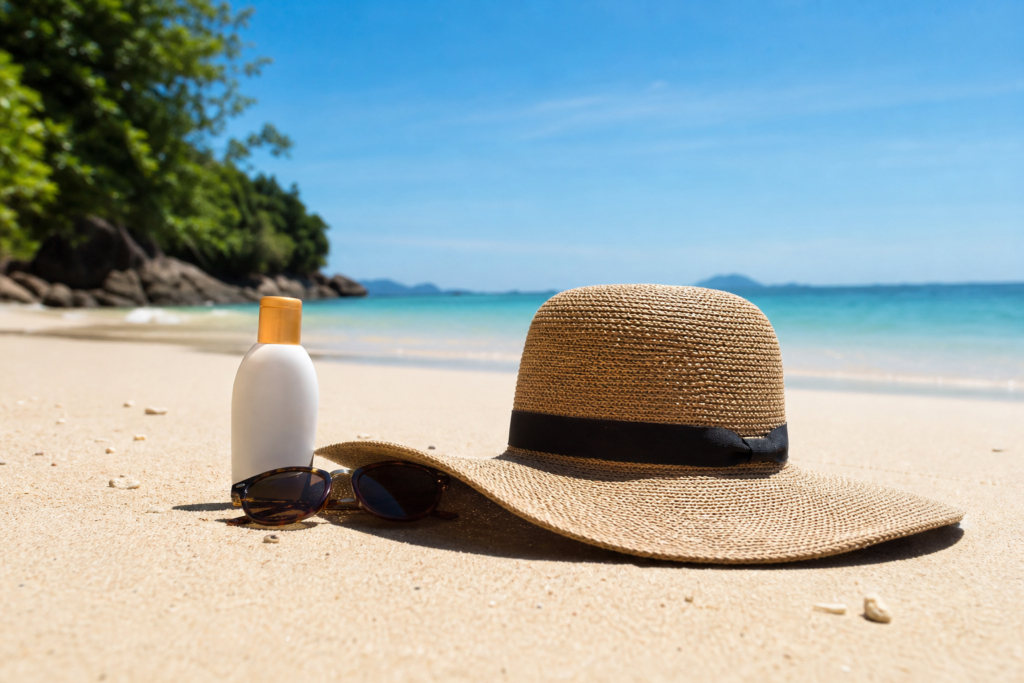
Best for: Beach vacations, outdoor adventures, and even cloudy days.
Address: Apply to all exposed skin, including ears, neck, and feet.
Hours: Reapply every 2 hours, more if swimming or sweating.
Price: $8–20 for good sunscreen; $10–30 for UPF clothing.
Sunburn isn’t just painful—it increases your risk of skin cancer and premature aging. Use a broad-spectrum sunscreen with at least SPF 30, and make sure it’s water-resistant. Zinc oxide or titanium dioxide (mineral sunscreens) are reef-safe and great for sensitive skin. In 2026, many countries like Thailand and Palau ban chemical sunscreens to protect coral reefs, so check labels. Wear a wide-brimmed hat and polarized sunglasses (UV protection is non-negotiable). I also love UPF-rated clothing—it’s lightweight and blocks 98% of UV rays. Don’t forget your lips; use a balm with SPF. A pro tip: set an alarm on your phone to reapply—it’s easy to forget when you’re having fun. And remember, clouds don’t block UV rays; you can still burn on overcast days.
11. Stay Active with Simple Exercises
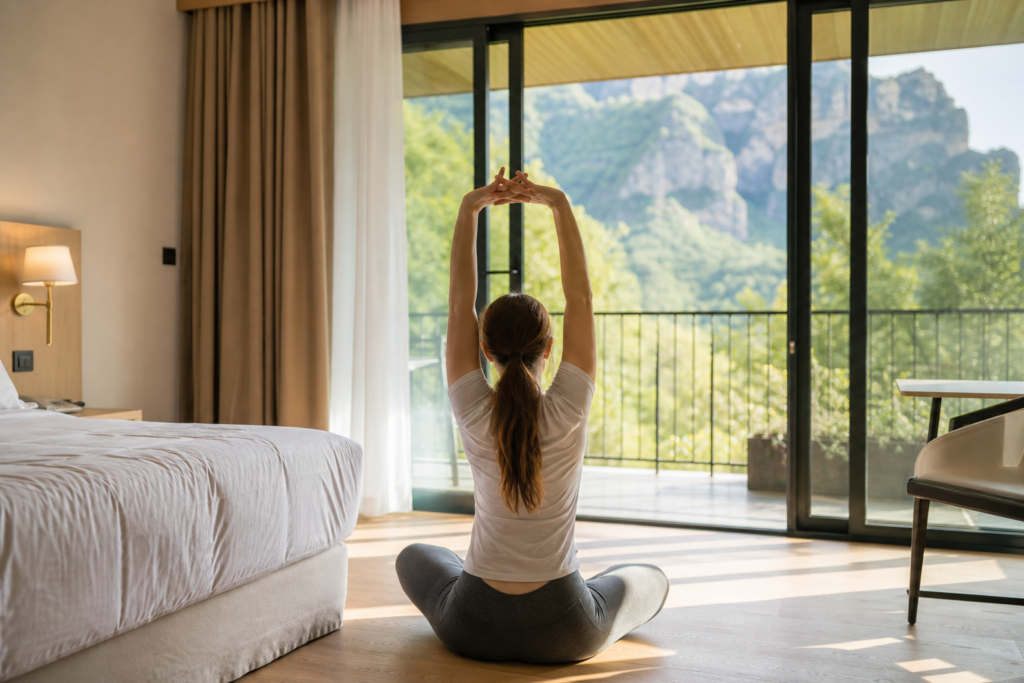
Best for: Long flights, road trips, and sedentary travel days.
Address: Anywhere—hotel room, airport gate, or even your seat.
Hours: Do 5–10 minutes every 2–3 hours during travel.
Price: Free.
Sitting for hours increases your risk of deep vein thrombosis (DVT) and makes you stiff. On flights, do ankle circles, calf raises, and knee lifts every hour. Walk up and down the aisle when it’s safe. In 2026, compression socks are a game-changer—they improve circulation and reduce swelling. I wear them on any flight over 4 hours. Once at your hotel, do a quick stretch routine: touch your toes, twist your torso, and do neck rolls. Yoga apps like Down Dog offer travel-specific sequences (free with a subscription). Even a 10-minute walk around the block helps. If you’re in a car, stop every 2 hours to stretch. Your body will thank you, and you’ll avoid that “stiff traveler” feeling.
12. Manage Stress with Mindfulness
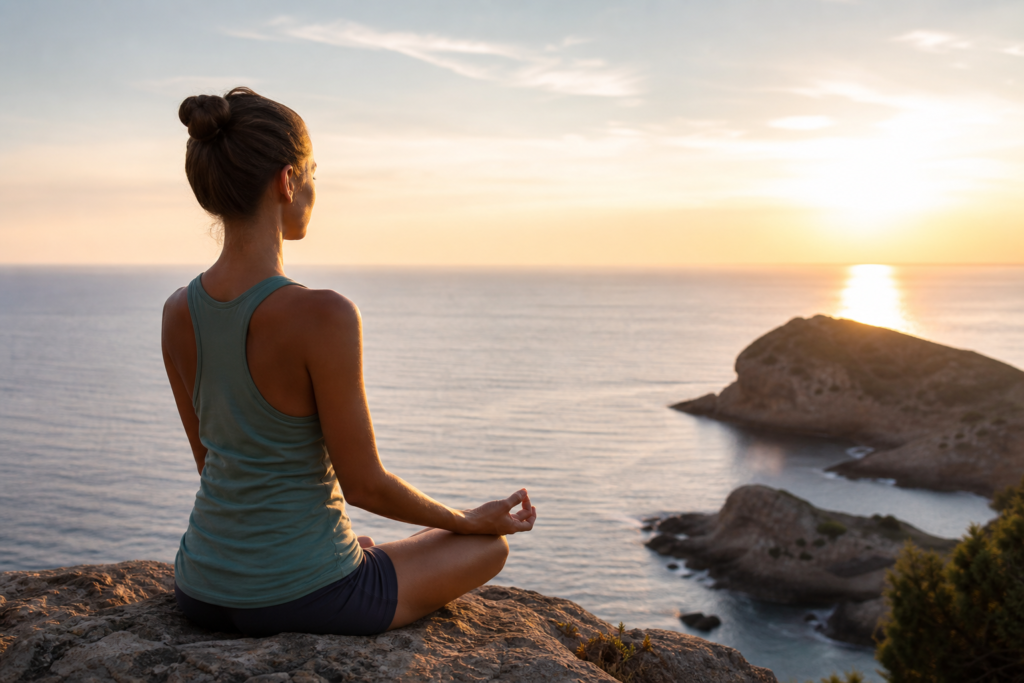
Best for: Anxious travelers or those on high-pressure itineraries.
Address: Anywhere—your hotel room, a park, or even the airport.
Hours: 5–10 minutes daily, preferably in the morning.
Price: Free (meditation apps) or $5–15 for guided sessions.
Travel can be stressful—delays, language barriers, and unfamiliar surroundings take a toll. Mindfulness helps you stay calm and present. Use apps like Headspace or Calm for short guided meditations (I do 5 minutes before bed). Deep breathing works wonders: inhale for 4 counts, hold for 4, exhale for 4. Repeat 5 times. In 2026, wearable stress trackers (like the Fitbit Sense) monitor your heart rate and suggest breathing exercises. I also pack a small journal to write down three things I’m grateful for each day—it shifts my focus. If you’re feeling overwhelmed, step away from the crowd. Find a quiet café or a park bench. Remember, it’s okay to say no to activities. Your health comes first.
13. Know Your Emergency Contacts
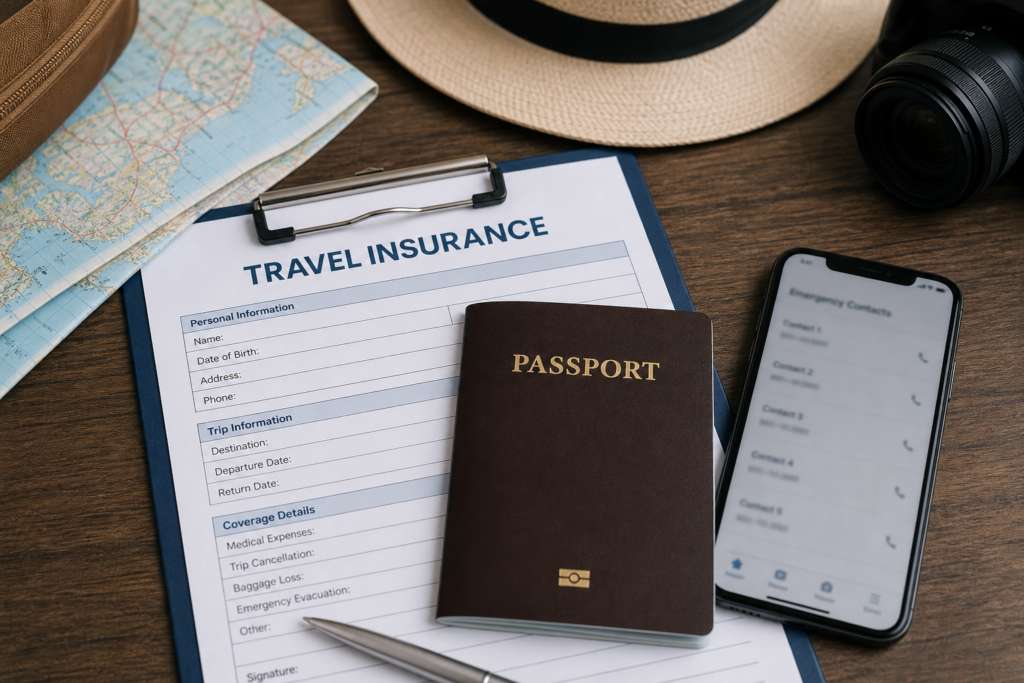
Best for: All travelers, especially those in remote areas.
Address: Save local numbers in your phone and write them down.
Hours: Before you depart.
Price: Free.
You never know when you’ll need help. Save the local emergency number (e.g., 911 in the US, 112 in Europe) and the address of your country’s embassy or consulate. In 2026, many countries have apps like “Emergency+” that provide location data to responders. Also, get travel insurance that covers medical evacuation—it’s a lifesaver for serious injuries or illnesses in remote places. I use World Nomads for its reliable coverage and 24/7 hotline. Share your itinerary with a family member or friend back home. And always carry a physical copy of your insurance card and passport. Digital copies are great, but phones die. A pro tip: take a screenshot of your insurance info and save it to your phone’s lock screen for quick access.
14. Keep Hand Hygiene Non-Negotiable
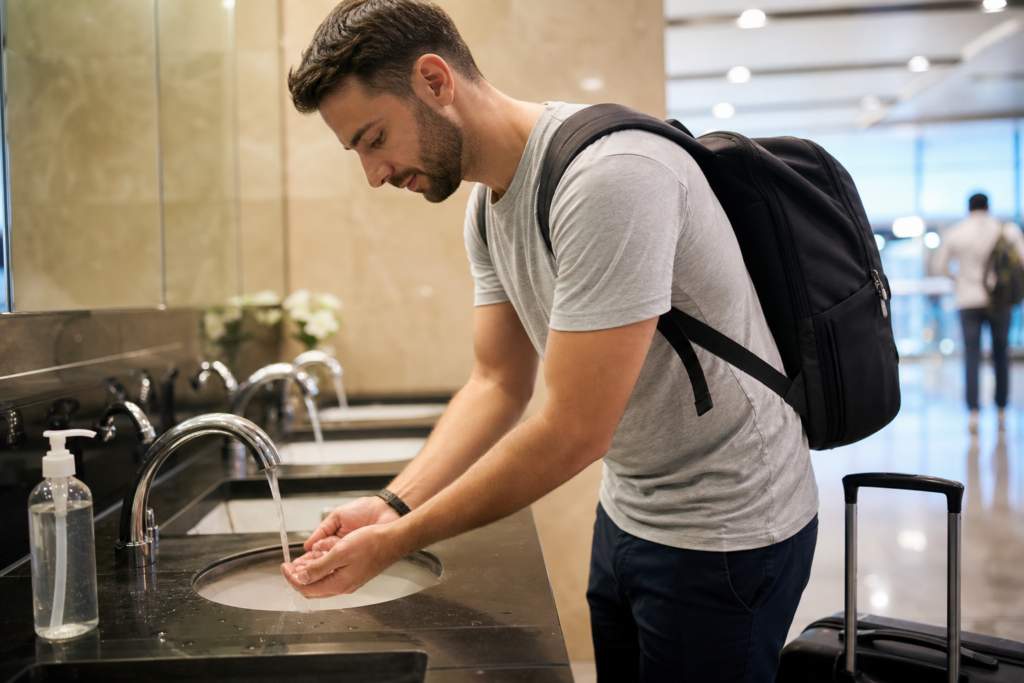
Best for: All travelers, especially in crowded or unsanitary areas.
Address: Wash hands before eating, after using the bathroom, and after touching public surfaces.
Hours: Use soap and water for 20 seconds; hand sanitizer (60%+ alcohol) as backup.
Price: Free (soap and water) or $3–8 for sanitizer.
Hands are germ magnets. Wash them thoroughly with soap and water for 20 seconds (sing “Happy Birthday” twice). If soap isn’t available, use hand sanitizer with at least 60% alcohol. In 2026, touchless dispensers are common in airports, but I still carry a small bottle in my pocket. Avoid touching your face—especially your eyes, nose, and mouth. I also wipe down airplane tray tables, armrests, and seatbelt buckles with disinfectant wipes. They’re a breeding ground for bacteria. And here’s a weird but effective tip: use a tissue or your sleeve to open bathroom doors. You’ll be amazed how many people skip washing their hands.
15. Acclimate to Local Climate Gradually
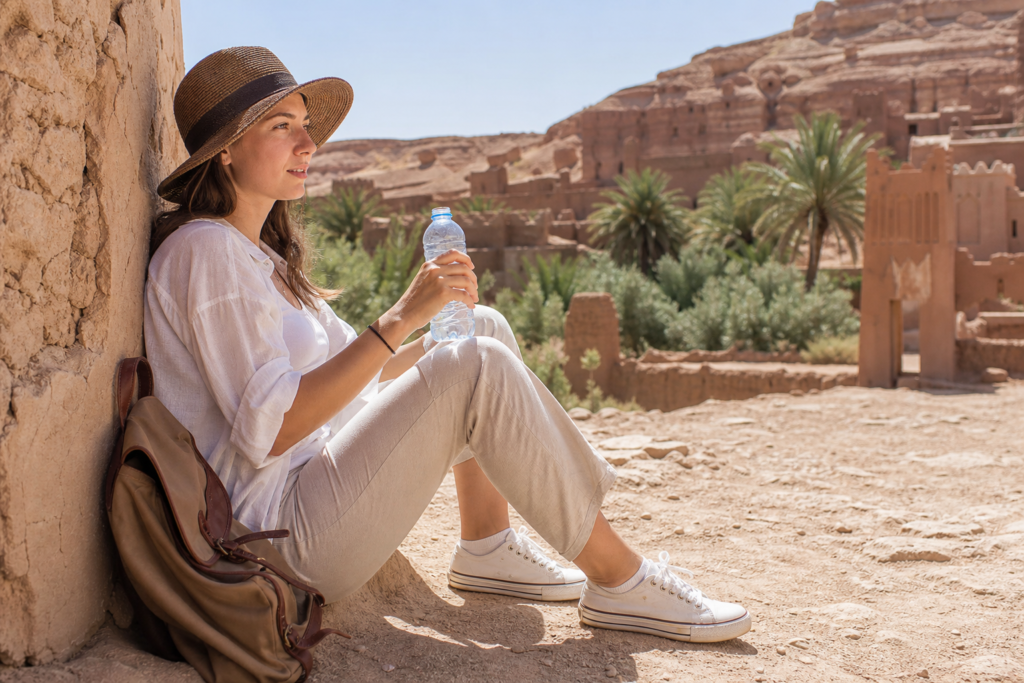
Best for: Travelers moving between drastically different climates.
Address: Let your body adjust naturally over 1–3 days.
Hours: Limit strenuous activity during the first 24–48 hours.
Price: Free.
Sudden changes in temperature, humidity, or altitude stress your body. If you’re going from cold to hot, wear layers and stay in the shade during peak sun. If it’s the opposite, bundle up and keep moving. In humid climates, take cool showers and use a fan to prevent heat rash. I once landed in Bangkok from a New York winter—I felt dizzy for two days. Now I plan a buffer day with no major activities. Drink extra water and eat light meals. Your body will thank you. In 2026, smart thermoregulation clothing (like Uniqlo’s Airism line) helps you adapt faster—it’s moisture-wicking and breathable.
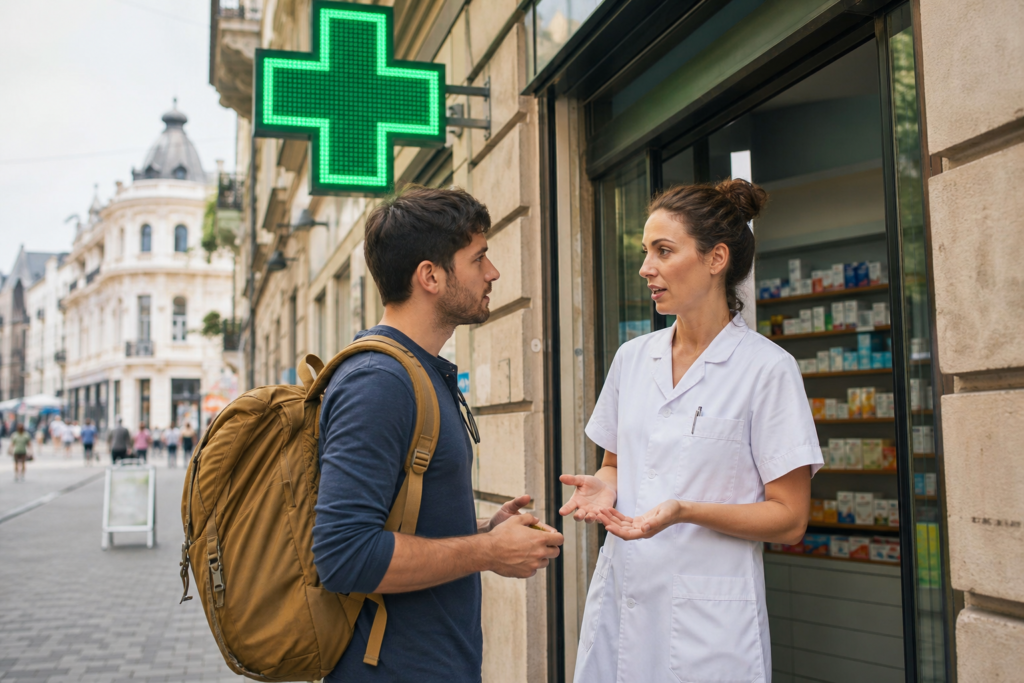
16. Trust Your Instincts and Know When to Seek Help
Best for: All travelers, especially solo adventurers.
Address: Anywhere you feel unsafe or unwell.
Hours: Immediately.
Price: Priceless.
Your gut is your best travel companion. If a situation feels off—a sketchy neighborhood, a dodgy food stall, or a person making you uncomfortable—leave. Your safety matters more than politeness. If you feel unwell (fever, severe pain, confusion), seek medical help immediately. In 2026, telemedicine apps like Teladoc connect you to doctors in minutes, even abroad. I once ignored a persistent cough in Nepal; it turned into pneumonia. Don’t be like me. Carry a list of your allergies and medications in your phone’s notes. And always have a backup plan—extra cash, a power bank, and a physical map. Remember, you’re not being paranoid; you’re being prepared.
Conclusion
Staying healthy while traveling isn’t about luck—it’s about preparation. From packing a smart first-aid kit to trusting your instincts, these travel health tips for 2026 cover everything you need to avoid common pitfalls and enjoy your journey to the fullest. Remember, a little planning goes a long way. So, before you zip up that suitcase, take a moment to review these essentials. Your future self will thank you when you’re sipping a cocktail on a beach instead of lying in a hotel bed with a fever. Safe travels!
similar posts
Best Time to Visit Machu Picchu in 2026
Where to Stay in San Diego in 2026: Best Neighborhoods & Hotels
17 Essential Travel Photography Tips for 2026: Capture Your Adventures Like a Pro
The Ultimate Guide to the Top 10 Places to Visit in the World in 2026
15 Essential Business Travel Tips for 2026: Work Smarter on the Road
15 Must-See Places to Visit in the US in 2026