
The Ultimate Guide to Mexico Travel Tips for 2026

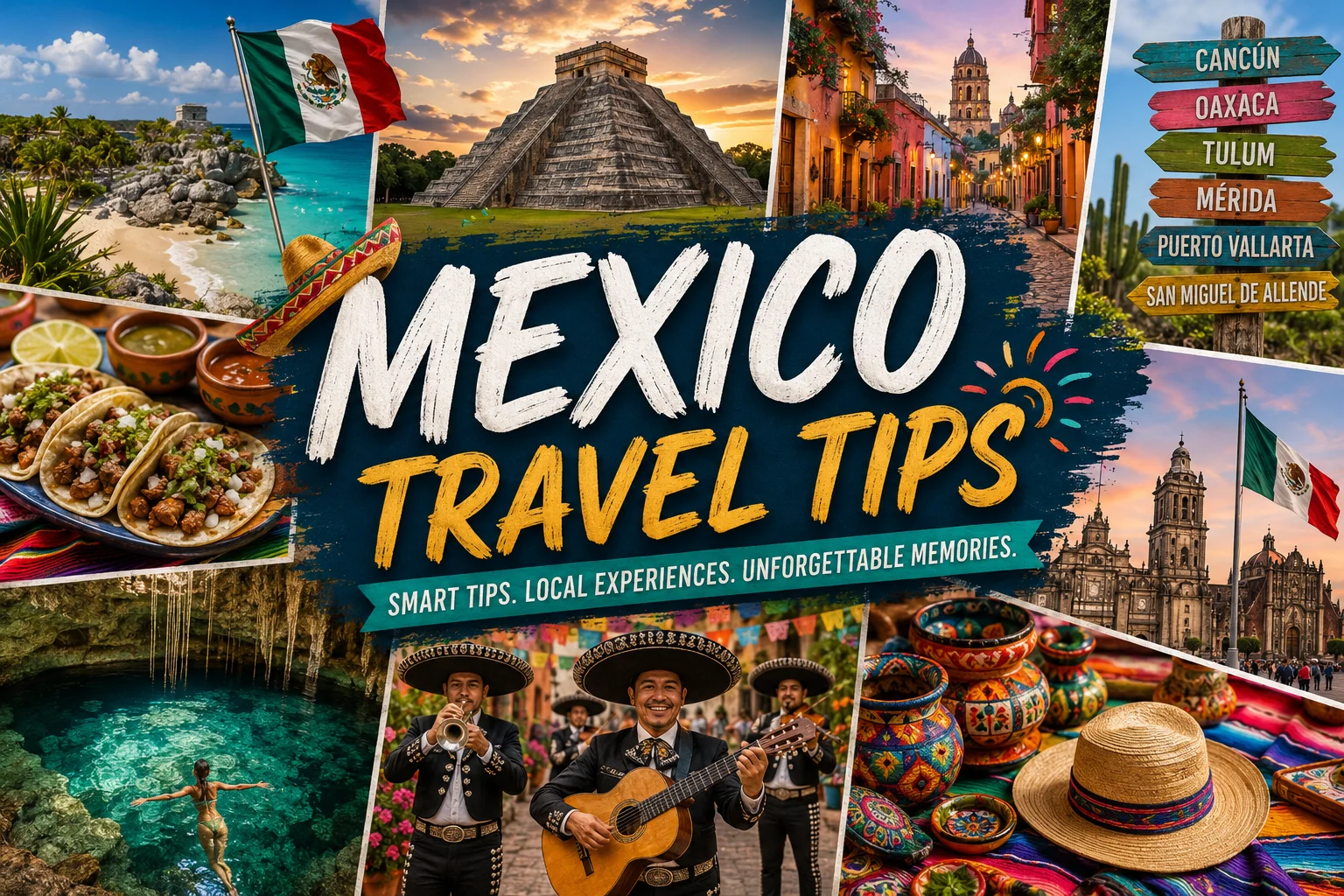
So you’re dreaming of Mexico—the tacos, the turquoise waters, the vibrant culture—but you’re also wondering how to navigate it all without a hitch. I’ve got your back with the most practical mexico travel tips for 2026, covering everything from safety to street food etiquette, so you can focus on the fun. Whether it’s your first trip or your fifth, these insider insights will help you avoid tourist traps, save money, and soak up every moment like a local.
Essential Mexico Travel Tips for a Smooth Adventure
1. Master the Art of Street Food Selection
Best for: Foodies on a budget
Street food is the soul of Mexican cuisine, but you’ve gotta choose wisely to avoid an upset stomach. Look for stalls with a long line of locals—that’s your golden ticket to freshness. Address: Any busy mercado or town square (like Mercado de San Juan in Mexico City). Hours: Typically 11 AM to 8 PM. Price: Tacos cost 15–30 MXN ($0.75–$1.50 USD). Stick to cooked items like tacos al pastor or tamales over raw salsas if you’re new. Pro tip: Carry hand sanitizer and eat where you see the cook handling cash and food separately. This is one of the top mexico travel tips for avoiding “Montezuma’s Revenge.”
2. Use Only Official Taxis and Ride-Sharing Apps
Best for: Solo travelers and night owls
Never hail a random taxi off the street—it’s a common safety pitfall. Address: Airport taxi stands or Uber pickup zones in major cities like Mexico City, Cancún, or Guadalajara. Hours: 24/7 availability. Price: Uber rides average 100–300 MXN ($5–$15 USD) within cities. Opt for Uber or Didi (a local app) because they’re tracked and safer. At airports, use the official “sitio” taxi booths inside the terminal—they charge a fixed rate, so no haggling. This tip alone can save you from scams or overcharging.
3. Carry Cash and Small Bills Everywhere
Best for: Markets, street vendors, and small towns
Mexico is still a cash-heavy country, especially outside tourist zones. Address: ATMs at banks (like Banamex or Santander) are safest—avoid standalone machines on streets. Hours: Bank ATMs are available 24/7 but best used during daylight. Price: Withdraw 2,000–4,000 MXN ($100–$200 USD) at a time to minimize fees. Break larger bills (500 MXN) at a store or OXXO convenience store. Vendors rarely have change for 1,000 MXN notes. It’s a simple but crucial mexico travel tip for smooth transactions.
4. Drink Only Bottled or Filtered Water
Best for: Health-conscious travelers
Tap water in Mexico isn’t safe for drinking—even locals filter it. Address: Any OXXO, 7-Eleven, or supermarket. Hours: Open 24/7 in cities. Price: 1.5-liter bottle costs 15–25 MXN ($0.75–$1.25 USD). Avoid ice in street stalls unless it’s from a sealed bag (look for “hielo purificado”). Restaurants typically use filtered ice, but when in doubt, ask. Also, skip rinsing your toothbrush under the tap. This non-negotiable tip prevents common travel illnesses.
5. Learn Basic Spanish Phrases
Best for: Cultural immersion and respect
English is common in resorts, but in smaller towns, Spanish is a lifesaver. Address: Anywhere outside Cancún or Mexico City’s tourist hubs. Hours: Use phrases anytime you interact. Price: Free! Start with “Por favor” (please), “Gracias” (thank you), “La cuenta, por favor” (the check, please), and “¿Cuánto cuesta?” (how much?). Locals appreciate the effort, and you’ll get better service. Download Google Translate offline before you go—it’s a game-changer for menus and signs.
6. Negotiate at Markets, Not at Stores
Best for: Bargain hunters
Haggling is expected at artisan markets (like Mercado de Artesanías in Mexico City) but not at fixed-price shops. Address: Markets like Mercado 28 in Cancún or Mercado de la Ciudadela in CDMX. Hours: 10 AM to 6 PM daily. Price: Start at 50–70% of the asking price and settle around 70–80%. Be polite and smile—aggression kills the deal. If you’re not interested, don’t touch the item. This cultural nuance is one of those mexico travel tips that saves you money without burning bridges.
7. Use Sun Protection Like a Pro
Best for: Beachgoers and ruins explorers
The Mexican sun is no joke, even on cloudy days. Address: Pharmacies (Farmacias del Ahorro) or supermarkets. Hours: Most open 8 AM to 10 PM. Price: Sunscreen costs 150–300 MXN ($7.50–$15 USD)—bring your own if you want a specific brand. Wear a hat, sunglasses, and reapply every two hours. For ruins like Chichén Itzá or Teotihuacán, go early (8 AM) to beat the heat. Trust me, a sunburn can ruin days of your trip.
8. Book Accommodation Near Public Transport Hubs
Best for: Budget and efficiency
Stay within walking distance of metro stations or bus terminals to save time and taxi costs. Address: In CDMX, neighborhoods like Roma Norte or Condesa near Metrobús lines; in Cancún, the hotel zone (Zona Hotelera) along the R-1 bus route. Hours: Public transport runs 5 AM to midnight. Price: Hotels cost $30–$150 USD per night depending on area. Use the metro (5 MXN per ride) or ADO buses for intercity travel—they’re clean and reliable. This tip maximizes your exploration time.
9. Avoid Peak Tourist Seasons for Better Deals
Best for: Budget travelers and crowd-averse
December to April (dry season) and Semana Santa (Easter week) are swamped with tourists and inflated prices. Address: Popular spots like Tulum, Cancún, and San Miguel de Allende. Hours: Book 2–3 months ahead for peak times. Price: Flights and hotels can be 30–50% cheaper in shoulder months (May–June, September–November). You’ll also enjoy fewer crowds at ruins and beaches. It’s a timing strategy that’s often overlooked in basic mexico travel tips.
10. Purchase Sim Card or eSIM for Connectivity
Best for: Navigation and staying in touch
Free Wi-Fi is spotty outside hotels, so invest in local data. Address: Telcel or Movistar stores in airports or cities. Hours: 9 AM to 8 PM. Price: A prepaid SIM with 3–5 GB costs 200–400 MXN ($10–$20 USD). eSIMs (like Airalo) are easier—download before you leave. Use WhatsApp for calls and texts; it’s universal in Mexico. Offline maps (Google Maps) are essential for driving or walking in unfamiliar areas.
11. Stay Aware of Your Surroundings in Tourist Zones
Best for: Safety-conscious travelers
While Mexico is generally safe, petty theft happens in crowded places like markets, metro stations, and bus terminals. Address: Zócalo in CDMX, Playa del Carmen’s Quinta Avenida, or Cancún’s downtown. Hours: Be extra vigilant after dark. Price: Free—just common sense. Keep your phone in a front pocket or cross-body bag, avoid flashy jewelry, and don’t walk alone late at night. This isn’t fear-mongering; it’s a practical mexico travel tip to protect your belongings.
12. Try Regional Specialties, Not Just Tacos
Best for: Culinary adventurers
Mexico’s cuisine varies wildly by region—don’t stick to the same dishes. Address: Oaxaca for mole (try at Restaurante Los Pacos), Yucatán for cochinita pibil (try at La Chaya Maya in Mérida), and Baja California for fish tacos. Hours: Lunch is the main meal (1–4 PM). Price: Regional dishes cost 80–200 MXN ($4–$10 USD). Ask locals for their favorite spots; you’ll discover flavors you never imagined. This tip transforms your trip from touristy to authentic.
13. Use ATMs Inside Banks for Better Rates
Best for: Saving on fees
Airport exchange booths rip you off with terrible rates and hidden commissions. Address: Bank ATMs like Banorte, Santander, or HSBC. Hours: 24/7 but best during business hours for security. Price: Withdrawal fee is 30–50 MXN ($1.50–$2.50 USD)—decline the bank’s conversion rate (let your home bank handle it). Withdraw larger amounts less frequently to minimize fees. It’s a financial mexico travel tip that keeps your wallet happy.
14. Respect Local Customs and Dress Codes
Best for: Cultural sensitivity
Mexico is a mix of modern and traditional—dress modestly when visiting churches or indigenous communities. Address: Basilica of Guadalupe in CDMX or San Juan Chamula in Chiapas. Hours: Always. Price: Free—just be respectful. Avoid shorts and tank tops in religious sites; women may need to cover their heads in some churches. Also, never take photos of locals without asking—especially in markets or rural areas. This tip fosters genuine connections.
15. Prepare for Altitude in High-Altitude Cities
Best for: Visitors to CDMX, Puebla, or Guadalajara
Mexico City sits at 2,240 meters (7,350 feet)—altitude sickness is real. Address: Any high-altitude destination. Hours: Symptoms hit within hours of arrival. Price: Free—drink water and rest. Avoid alcohol and heavy meals on day one, and take it slow. Chewing coca leaves isn’t common here (that’s more Andean), but ginger tea helps. This health-focused mexico travel tip ensures you don’t waste days feeling dizzy.
16. Book Popular Attractions in Advance
Best for: Must-see landmarks
Chichén Itzá, Teotihuacán, and Frida Kahlo Museum sell out weeks ahead. Address: Online via official sites (e.g., chichenitza.com or museofridakahlo.org). Hours: Book at least 2–4 weeks in advance for peak season. Price: Entry fees range from 80–600 MXN ($4–$30 USD). Skip the line with a pre-booked ticket; some sites have limited daily capacity. This planning tip saves you from disappointment and long queues.
Conclusion
Mexico is a country that rewards preparation with unforgettable experiences—from savoring street tacos in Mexico City to exploring ancient ruins in the Yucatán. These mexico travel tips for 2026 cover the essentials: safety, money, food, and respect for local culture. Remember to carry cash, use official transport, and dive into regional cuisines. With a little planning, you’ll navigate like a pro and leave with stories worth sharing. Now go book that trip—the beaches, pyramids, and warm smiles are waiting!
similar posts
17 Essential International Travel Tips for a Smooth 2026 Adventure
18 Unforgettable Things to Do in Charleston SC in 2026
Costa Rica Travel Tips 2026: Your Ultimate Guide to Pura Vida
The Ultimate Guide to the Best Time to Visit Ireland in 2026
The Ultimate London Travel Tips for 2026: Insider Advice for a Perfect Trip
The Ultimate Guide to Where to Stay in Lisbon in 2026