
The Ultimate Guide to the Best Time to Visit London in 2026

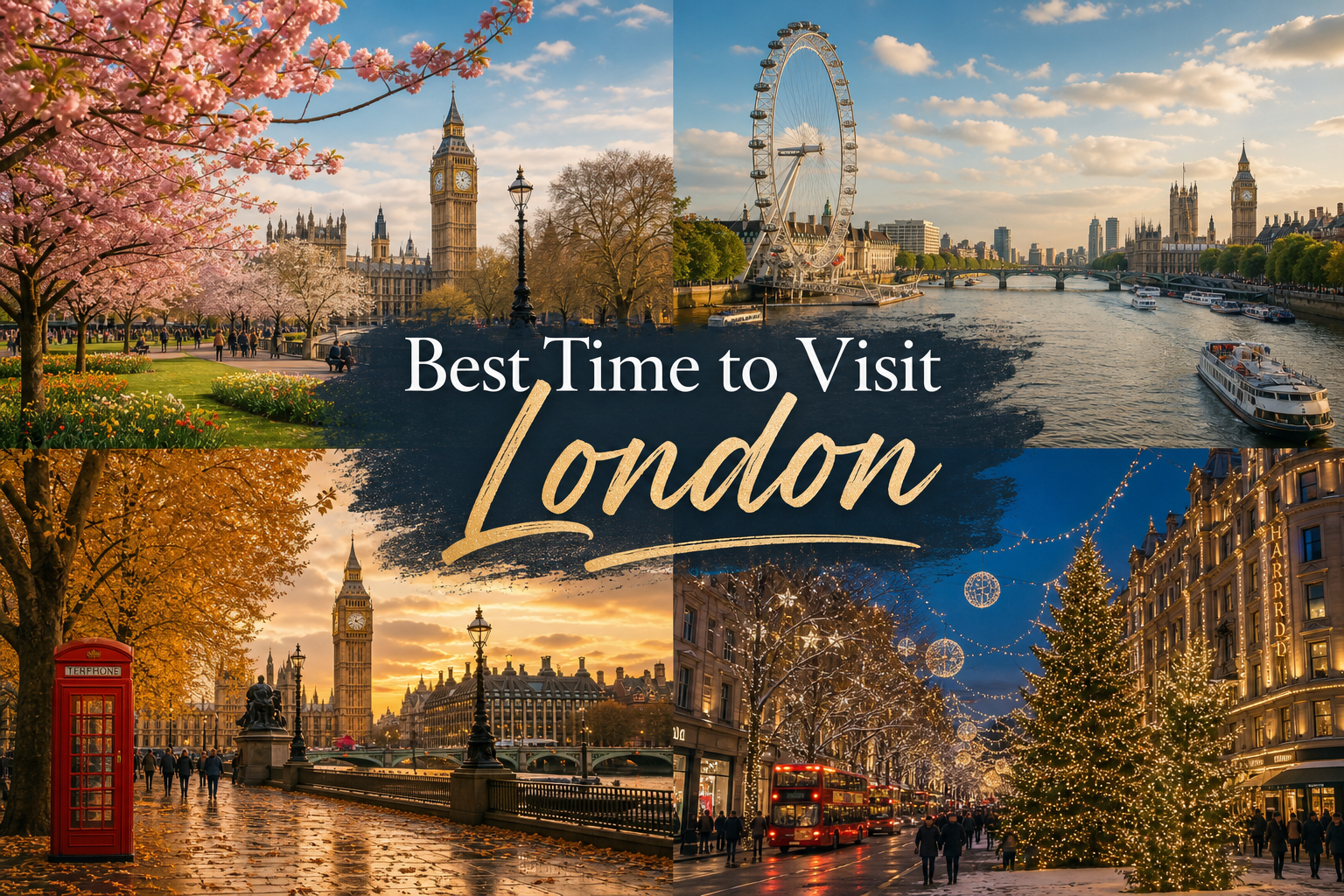
You’re probably wondering when to book that trip to London without getting soaked by rain or elbowed by crowds. The best time to visit London is during the late spring (May to June) and early autumn (September to October), when the weather’s mild, the city’s gardens are in full bloom, and tourist numbers are manageable. That said, London’s charm shifts with each season—from cozy Christmas markets to sun-drenched park picnics—so the “perfect” time really depends on what you’re after.
Understanding the Best Time to Visit London by Season
London doesn’t have a single “best” month—it has sweet spots based on your priorities. If you’re chasing sunshine and festivals, late spring wins; if you want lower prices and festive lights, winter delivers. The city averages about 557 mm of rain annually, spread fairly evenly, so you’ll likely encounter a drizzle no matter when you go. But here’s the thing: Londoners don’t let a little rain stop them, and neither should you. Let’s break down the top times to plan your 2026 visit, from peak perfection to hidden-value windows.
1. Late Spring (May to June) – The Sweet Spot
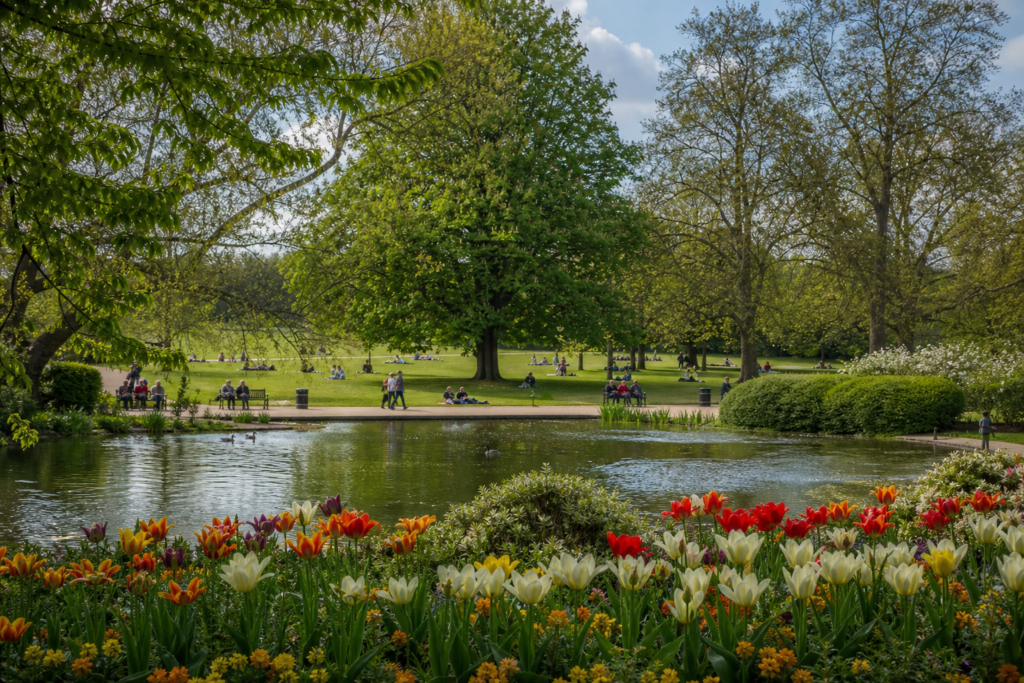
Best for: First-time visitors, garden lovers, and festival-goers
Late spring is arguably the best time to visit London for most travelers. The weather hits that Goldilocks zone—temperatures hover between 15°C and 22°C (59°F–72°F), with longer daylight hours stretching past 9 PM by June. The city explodes with color: Chelsea Flower Show in May transforms the Royal Hospital Chelsea into a floral wonderland, and Hyde Park’s rose gardens are at their peak. Tourist crowds are moderate—busy but not suffocating like August. You’ll find decent flight and hotel deals if you book by March.
Address: Chelsea Flower Show at Royal Hospital Chelsea, Royal Hospital Rd, London SW3 4SR
Hours: Late May annually (check 2026 dates); gardens open 8 AM–8 PM
Price: £36–£70 for show tickets; park entry is free
Pro tip: Pack a light jacket and an umbrella—London in May averages 12 rainy days, but showers usually pass quickly. Afternoon tea at The Orangery in Kensington Palace becomes a dreamy affair with the gardens in bloom.
2. Early Autumn (September to October) – The Golden Window
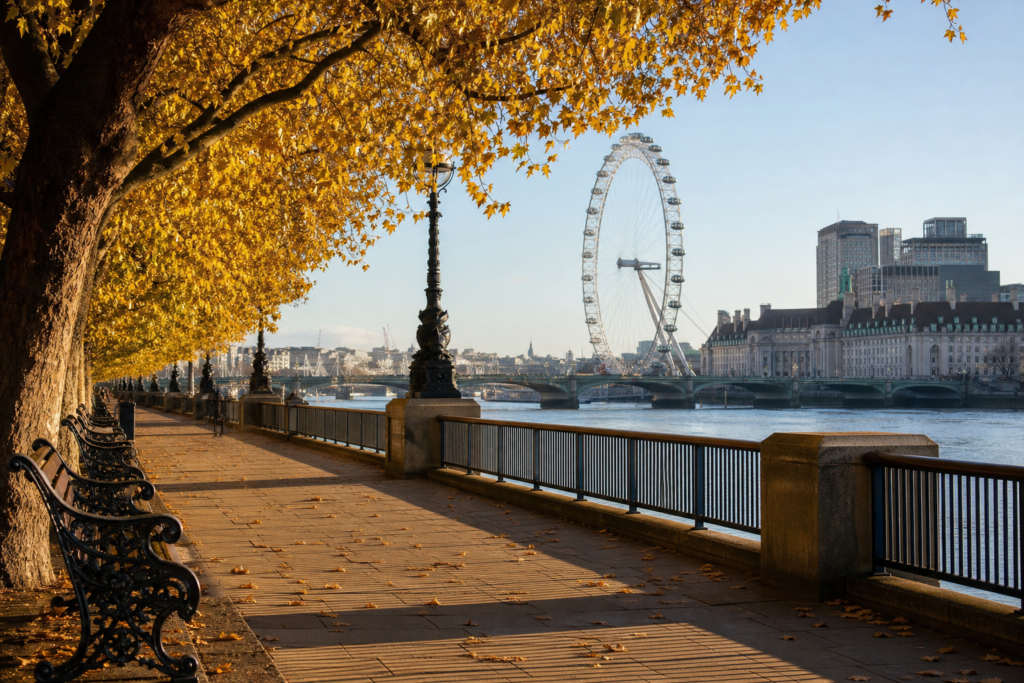
Best for: Culture buffs, foodies, and budget travelers
Early autumn rivals spring as the best time to visit London. September offers “second summer” weather—20°C–25°C (68°F–77°F) with crisp, sunny days. October cools to 10°C–15°C (50°F–59°F), but the city’s parks (Richmond Park, Hampstead Heath) turn into amber and gold masterpieces. Tourist numbers drop after the August rush, meaning shorter queues at the British Museum and Tower of London. Plus, you’ll catch the London Design Festival (September) and the tail end of Open House London, where historic buildings open their doors for free.
Address: London Design Festival hub at V&A Museum, Cromwell Rd, London SW7 2RL
Hours: Mid-September annually; festival hours vary
Price: Free for most exhibitions; some workshops £10–£30
Insider tip: Book a Thames River cruise in late September—the light is magical, and you’ll see the city from a fresh angle without peak-season prices.
3. Mild Winter (December) – Festive Magic
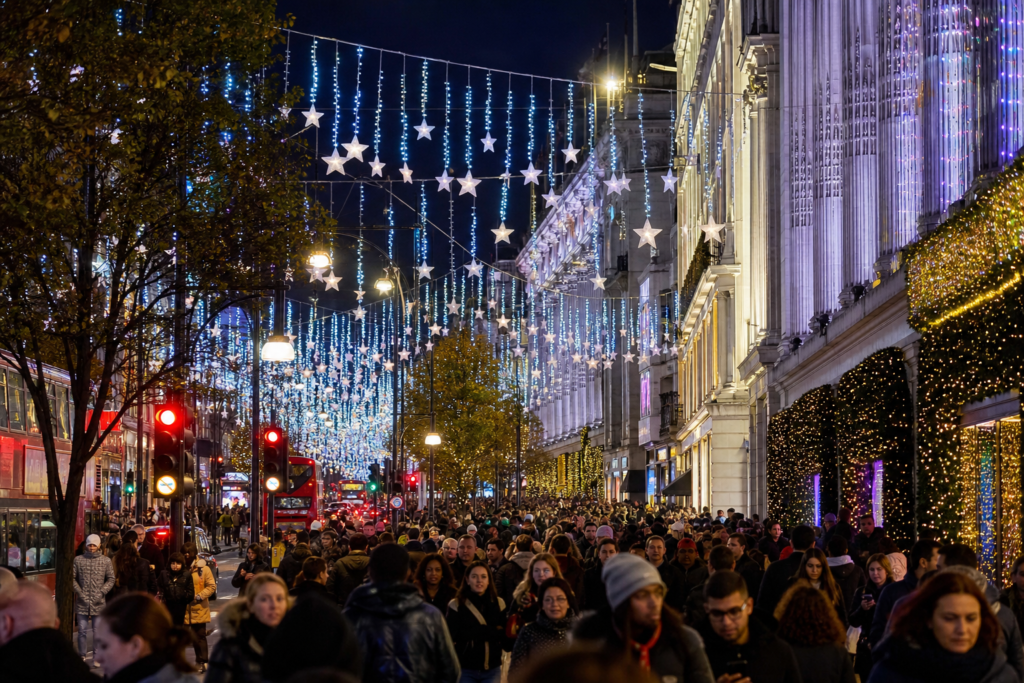
Best for: Christmas lovers, shoppers, and romantics
December transforms London into a twinkling wonderland, making it the best time to visit London for holiday spirit. Oxford Street and Regent Street light up with elaborate displays, ice skating rinks pop up at Somerset House and Natural History Museum, and Christmas markets (Southbank Centre, Winter Wonderland in Hyde Park) serve mulled wine and roasted chestnuts. Temperatures hover around 2°C–8°C (36°F–46°F), so bundle up. The downside? Crowds are intense, especially near major attractions, and hotel prices spike 30–50% compared to January.
Address: Winter Wonderland, Hyde Park, London W2 2UH
Hours: Late November to early January; 10 AM–10 PM daily
Price: Free entry; rides and food from £5–£15
Cost-saving hack: Visit on weekdays before Christmas (Dec 14–20) when crowds are thinner. Skip the pricey ice skating and instead enjoy free carol singing at Trafalgar Square.
4. Early Spring (March to April) – Blooming Bargains
Best for: Budget travelers, photographers, and cherry blossom chasers
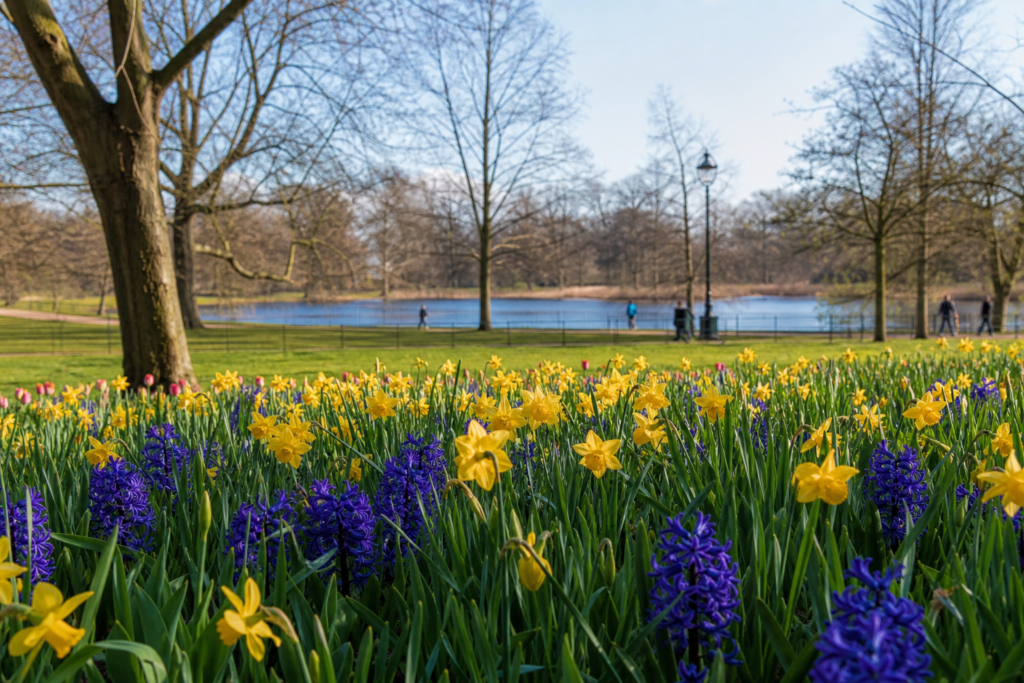
Early spring offers lower prices and fewer tourists, making it a hidden gem for the best time to visit London if you’re on a budget. March sees average highs of 11°C (52°F), with April warming to 14°C (57°F). The city wakes up: cherry blossoms explode in Kew Gardens and Greenwich Park, and daffodils carpet St. James’s Park. You’ll snag flight deals (often 20–30% cheaper than summer) and hotel rates drop. The trade-off? More rain (March averages 15 rainy days) and shorter days (sunset around 6 PM).
Address: Kew Gardens, Richmond, London TW9 3AE
Hours: 10 AM–6 PM (March), 10 AM–7 PM (April)
Price: £21.50 adult ticket (advance booking required)
Don’t miss: The Magnolia grandiflora tree at Kew—it blooms in early April and is one of the oldest in London. Pack a waterproof jacket and comfortable walking shoes.
5. High Summer (July to August) – Peak Energy
Best for: Families, outdoor enthusiasts, and nightlife lovers
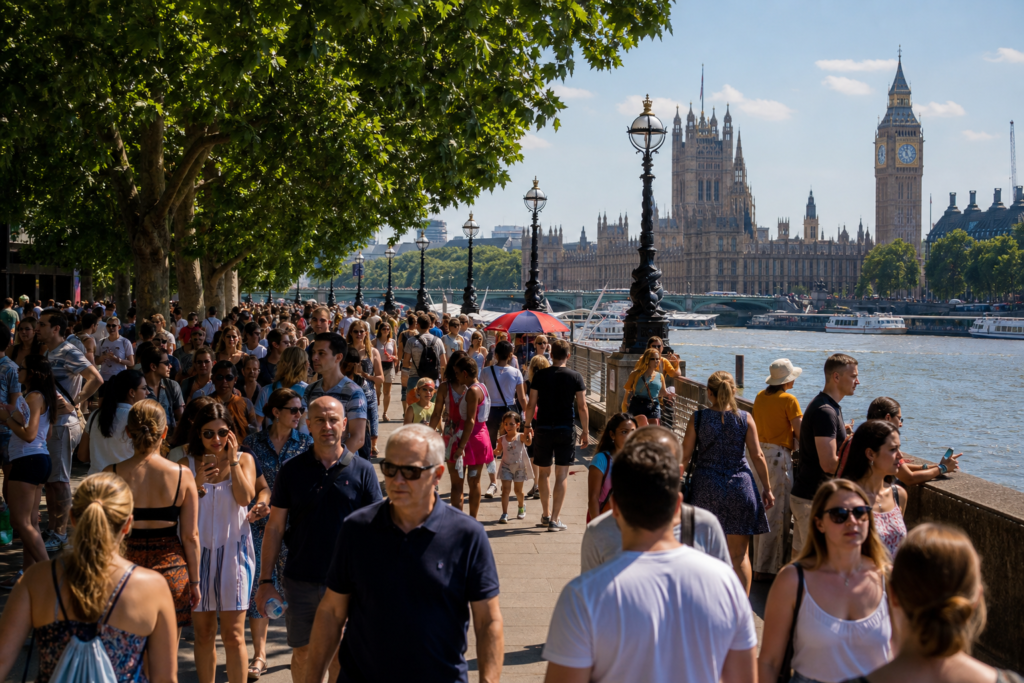
July and August bring London’s warmest weather—averaging 23°C (73°F) with occasional heatwaves hitting 30°C (86°F). It’s the best time to visit London for outdoor events: Wimbledon (July), Proms concerts at Royal Albert Hall (July–September), and Notting Hill Carnival (August). Parks become social hubs, with picnickers lounging on Hampstead Heath and sunbathers at Brockwell Lido. But brace for peak crowds—attractions like the London Eye can have 90-minute queues—and hotel prices that double from winter rates.
Address: Wimbledon Championships, All England Club, Church Rd, London SW19 5AE
Hours: Early July annually; grounds open 10:30 AM–8 PM
Price: £25–£200 for ground passes (resell tickets from £50)
Survival tip: Book everything—attractions, restaurants, trains—at least 2 months in advance. Consider a London Pass to skip lines and save money on multiple attractions.
6. Late Autumn (November) – Cozy and Cultural
Best for: Museum lovers, bookworms, and introverts
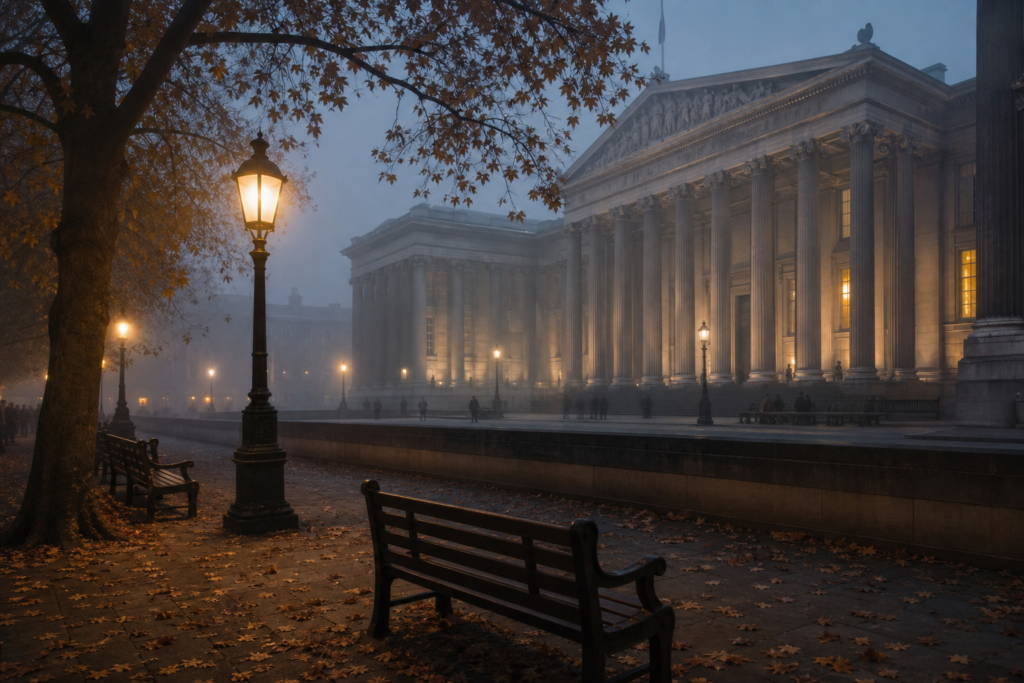
November might be the underrated best time to visit London for culture vultures. The weather turns chilly (5°C–10°C / 41°F–50°F) and gray, but that’s perfect for diving into world-class museums like the British Museum, Tate Modern, and Victoria and Albert Museum without the summer crowds. You’ll also catch the London Jazz Festival (mid-November) and the beginning of Christmas markets (Southbank starts late November). Hotel rates are at their lowest—30–40% cheaper than December—and flights are bargain-friendly.
Address: London Jazz Festival venues across the city (main hub at Barbican Centre, Silk St, London EC2Y 8DS)
Hours: Mid-November annually; festival times vary
Price: Free outdoor events; indoor concerts £15–£60
Cozy tip: Warm up at a traditional pub with a fireplace—try The Churchill Arms in Notting Hill or The Spaniards Inn in Hampstead for a quintessential London experience.
7. January – The Quiet Reset
Best for: Bargain hunters, solo travelers, and photographers
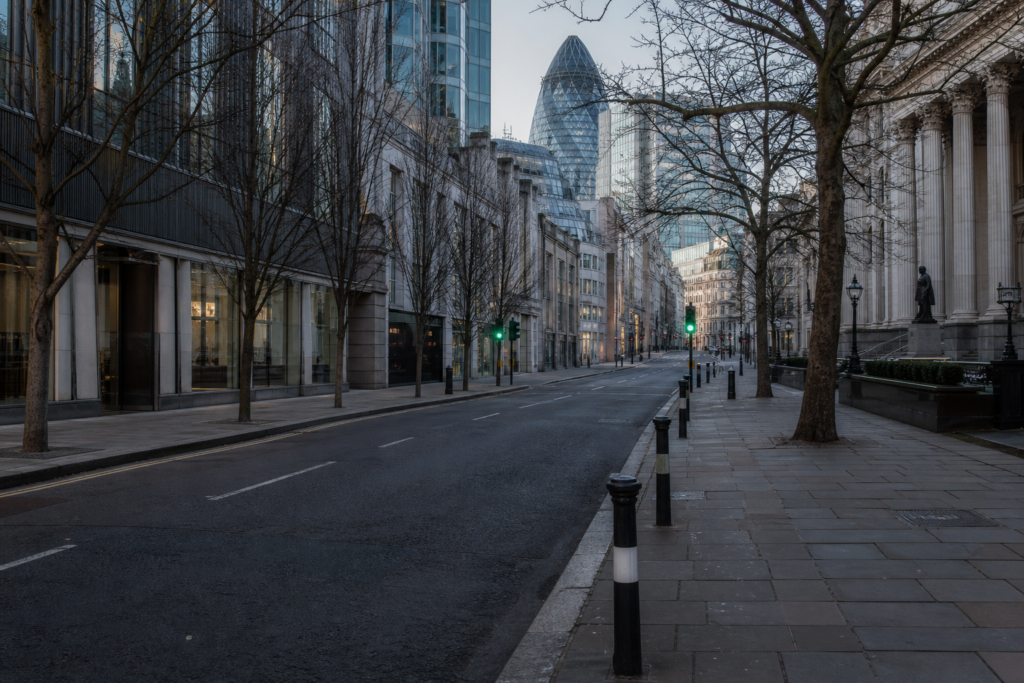
January is the sleepiest month in London, making it the best time to visit London for avoiding crowds and scoring deals. Post-Christmas sales (Boxing Day starts Dec 26, but January sees deeper discounts) mean you can shop at Harrods, Selfridges, and Oxford Street stores for 50–70% off. Temperatures average 2°C–7°C (36°F–45°F), with occasional snow dusting the city. Tourist numbers plummet—the Tower of London and Westminster Abbey are practically empty on weekdays.
Address: Winter sales at Selfridges, 400 Oxford St, London W1A 1AB
Hours: Late December to late January; store hours 9:30 AM–9 PM
Price: Free entry; sales items from 30–70% off
Photography tip: Foggy mornings in January create moody shots of Tower Bridge and the Houses of Parliament. Visit at sunrise (around 7:30 AM) for empty streets.
8. February – Romantic and Rainy
Best for: Couples, art lovers, and foodies
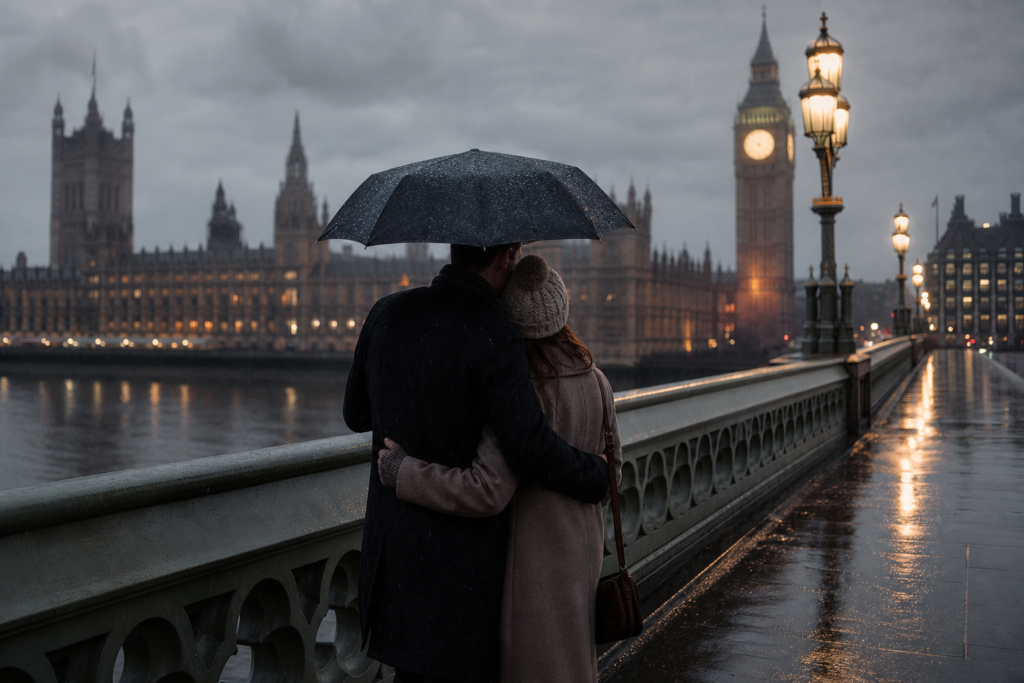
February is a mixed bag—cold (3°C–8°C / 37°F–46°F), often rainy, but undeniably romantic around Valentine’s Day. It’s the best time to visit London for couples who want intimate experiences: dinner cruises on the Thames, afternoon tea at The Ritz, or a stroll through the Southbank Centre’s “Festival of Love” installations. Art lovers flock to the London Art Fair (mid-January to early February) and the BFI Flare: London LGBTQIA+ Film Festival (late March, but planning starts in February). Hotel rates remain low—20–30% cheaper than spring.
Address: BFI Southbank, Belvedere Rd, London SE1 8XT
Hours: Varies by event; BFI box office 11 AM–8:30 PM
Price: Free exhibitions; film tickets £10–£18
Rainy day plan: Spend a full day at the British Museum (free entry) or explore the hidden tunnels of the Churchill War Rooms for a cozy, educational escape.
9. March – Transition Month
Best for: Budget travelers, early birds, and garden enthusiasts
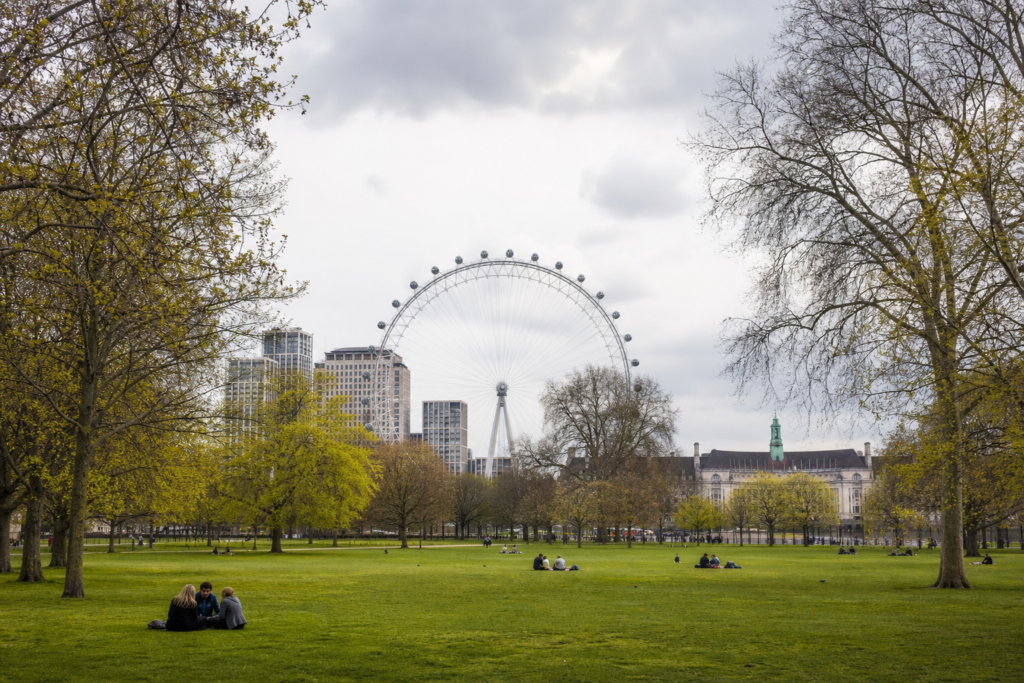
March straddles winter and spring, offering a unique best time to visit London for those who want low prices with hints of warmer days. Temperatures range 5°C–12°C (41°F–54°F), and daffodils and crocuses start blooming in parks. St. Patrick’s Day (March 17) brings a parade through central London, and Mother’s Day (March 22 in 2026) means special brunch deals. Tourist numbers are still low—about 30% fewer than May—so you can explore Buckingham Palace’s State Rooms (open late July to October? No, but you can walk the grounds) without queues.
Address: St. Patrick’s Day Parade, Trafalgar Square to Whitehall, London
Hours: March 17, 2026; parade starts at 12 PM
Price: Free
Packing tip: Layer up—a thermal shirt, sweater, and waterproof jacket will cover you for unpredictable March weather.
10. April – Cherry Blossom Peak
Best for: Photographers, nature lovers, and runners
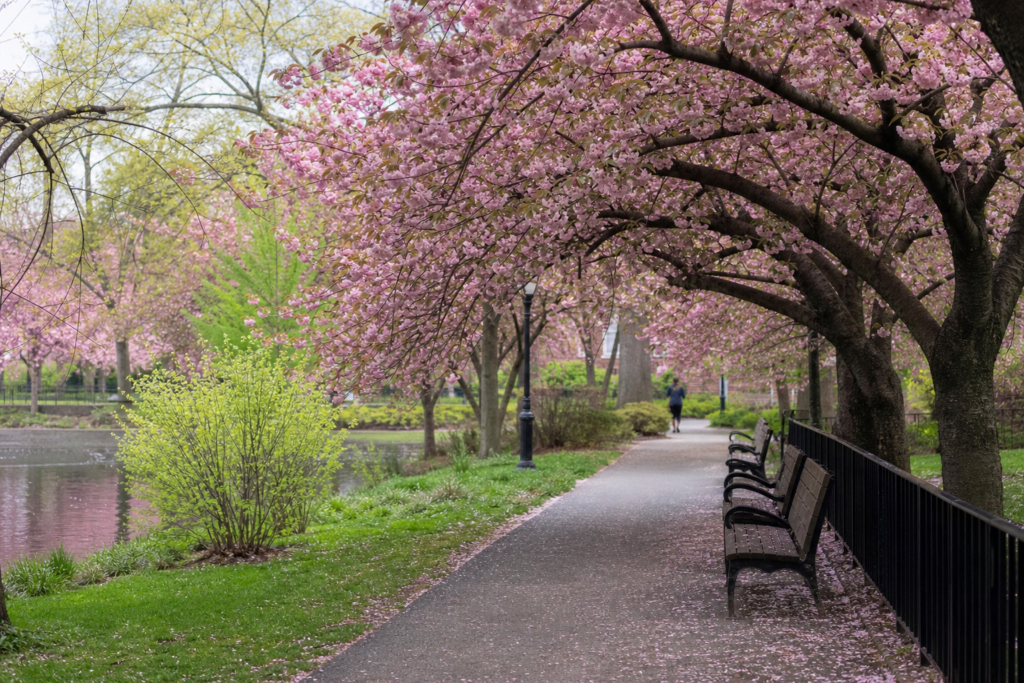
April is a visual feast, making it the best time to visit London for cherry blossom enthusiasts. The city’s parks—especially Greenwich Park, Regent’s Park, and Kensington Gardens—explode with pink and white blooms from mid-March to late April. The London Marathon (late April) brings 40,000 runners and 500,000 spectators, creating an electric atmosphere. Temperatures average 8°C–14°C (46°F–57°F), with more sunny days than March. Hotel prices start rising but are still 15–20% cheaper than May.
Address: London Marathon start at Greenwich Park, London SE10 8QY
Hours: Late April 2026 (check official site); race starts 10 AM
Price: Free to watch; charity runners raise £2,000+ each
Blossom hot spot: The Japanese cherry trees along the path from Kew Gardens’ Main Gate to the Palm House are Instagram gold.
11. May – Festival Frenzy
Best for: Music lovers, foodies, and social butterflies
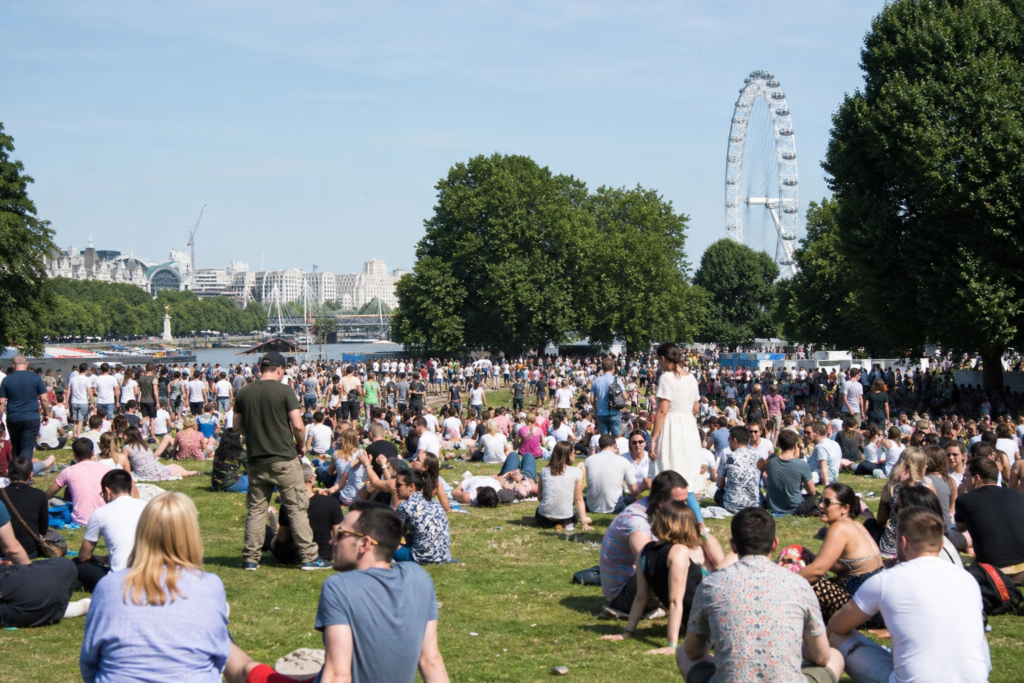
May kicks off London’s festival season in earnest, making it the best time to visit London for events. The Chelsea Flower Show (late May) is a horticultural highlight, while the Great British Beer Festival (early August? No, that’s August—May has the London Craft Beer Festival in late May). The weather is glorious—15°C–20°C (59°F–68°F)—and the city buzzes with energy. Bank holidays (early May and late May) mean three-day weekends, so locals flood parks and pubs.
Address: London Craft Beer Festival, Tobacco Dock, 101 The Highway, London E1W 2BP
Hours: Late May 2026; Friday 5 PM–10 PM, Saturday 12 PM–10 PM
Price: £45–£60 for entry with drink tokens
Crowd warning: Book restaurants and attractions 2–3 weeks ahead, especially during bank holiday weekends.
12. June – Longest Days
Best for: Night owls, outdoor diners, and photographers
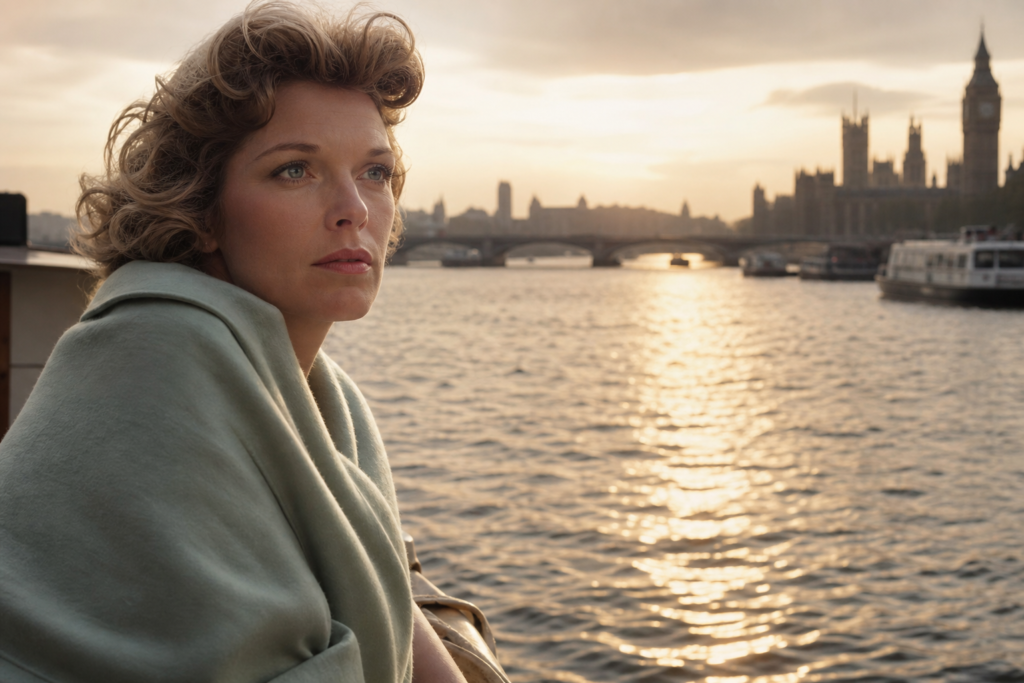
June offers the longest daylight hours—sunrise around 4:45 AM, sunset after 9:15 PM—making it the best time to visit London for maximizing your days. The weather is warm (18°C–23°C / 64°F–73°F), perfect for al fresco dining at Borough Market or picnics in Primrose Hill. You’ll catch the Trooping the Colour parade (second Saturday in June) celebrating the King’s official birthday, and the beginning of Wimbledon qualifying matches. Tourist numbers are high but manageable—think “bustling” not “suffocating.”
Address: Trooping the Colour, Horse Guards Parade, Whitehall, London SW1A 2WH
Hours: Second Saturday in June 2026; parade starts 10 AM
Price: Free to watch from The Mall; grandstand tickets from £30
Insider tip: Watch the flypast from St. James’s Park for a free, crowd-free view of the Royal Air Force planes.
13. July – Wimbledon and Heatwaves
Best for: Sports fans, families, and sun seekers
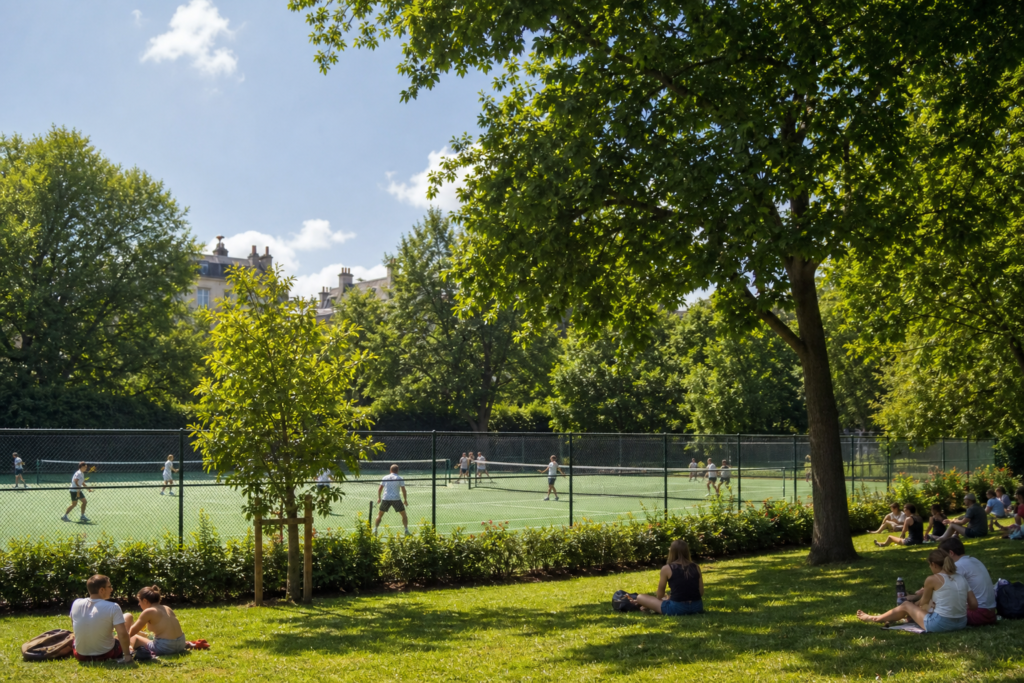
July is peak summer in London, with temperatures often hitting 25°C–30°C (77°F–86°F). It’s the best time to visit London for tennis lovers who want to experience Wimbledon’s strawberries and cream. The Proms at Royal Albert Hall start mid-July, offering affordable classical music (some tickets as low as £8). But the heat can be intense—London homes rarely have air conditioning, so pack a fan for your hotel room. Crowds are at their second-highest (after August), so book everything early.
Address: The Proms at Royal Albert Hall, Kensington Gore, London SW7 2AP
Hours: Mid-July to mid-September; concerts typically 7:30 PM
Price: £8–£100 for Promming tickets (standing room)
Cooling hack: Visit the British Library’s free Treasures Gallery or the Tate Modern’s Turbine Hall—both are air-conditioned and offer cultural escapes.
14. August – Carnival and Crowds
Best for: Party people, budget-backpackers, and late-summer travelers
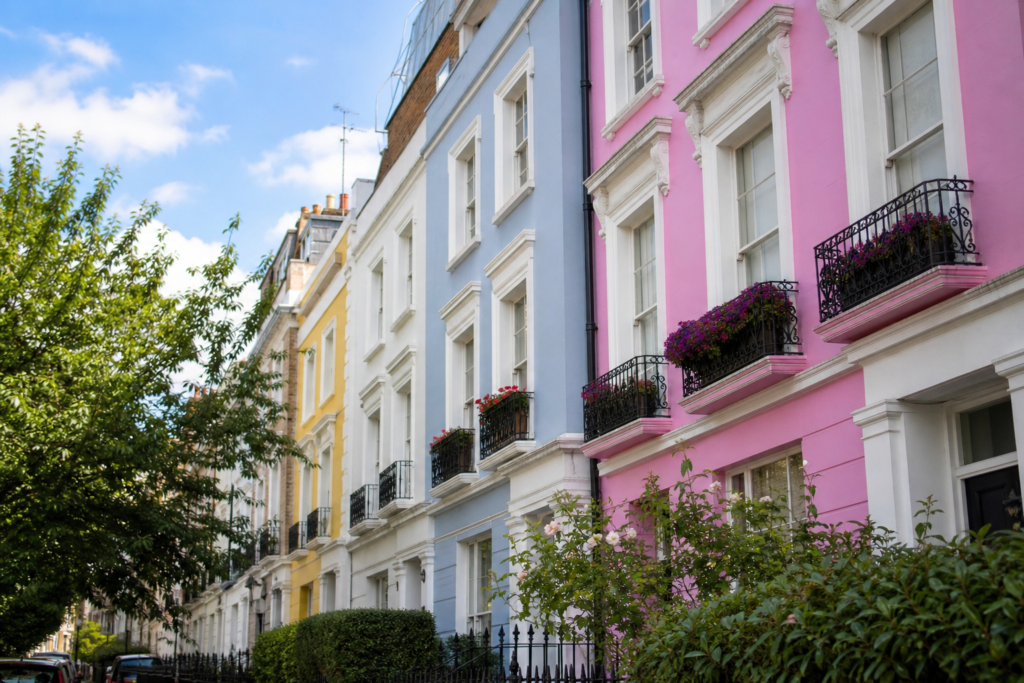
August is London’s hottest month (average 23°C / 73°F, often higher) and its busiest. The Notting Hill Carnival (August bank holiday weekend) is Europe’s biggest street festival, with 2 million attendees, steel drums, and Caribbean food. It’s the best time to visit London for a party vibe, but expect packed tubes and higher prices. Hotel rates peak—often 50% more than January—and attractions like the London Eye and Tower of London have 2-hour queues.
Address: Notting Hill Carnival, streets of W11 (centered on Ladbroke Grove)
Hours: August bank holiday weekend (Sun–Mon); parade 10 AM–8 PM
Price: Free
Survival tip: Avoid driving near Notting Hill; take the tube to Holland Park or Westbourne Park stations. Bring cash for food stalls—many don’t take cards.
15. September – Second Summer
Best for: Culture vultures, empty-nesters, and wine lovers
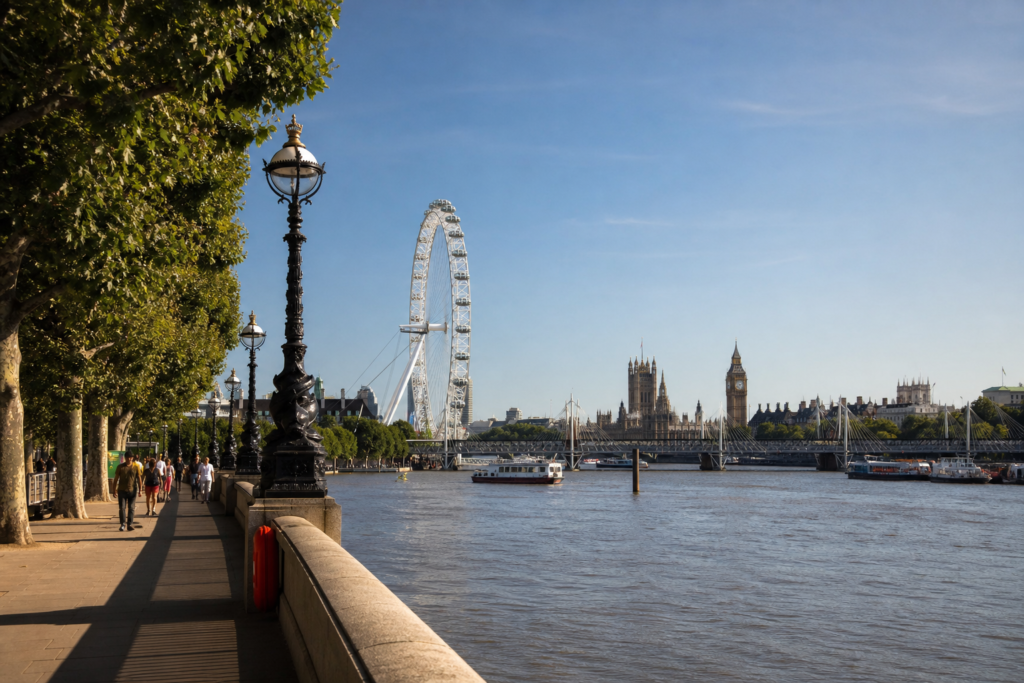
September delivers a “second summer” with warm days (18°C–22°C / 64°F–72°F) and fewer crowds as families return to school. It’s the best time to visit London for cultural immersion: the London Design Festival, Open House London (free access to 800+ buildings), and the start of the London Film Festival (October). Wine lovers flock to the London Wine Fair (mid-September). Hotel prices drop 15–20% from August, and flights are cheaper.
Address: Open House London, various venues (check website for map)
Hours: Mid-September weekend; most buildings open 10 AM–5 PM
Price: Free (some require advance booking)
Must-see: The Gherkin’s top floor (30 St Mary Axe) opens for Open House—bookings go live in August and sell out in hours.
16. October – Autumn Colors
Best for: Walkers, photographers, and cozy travelers
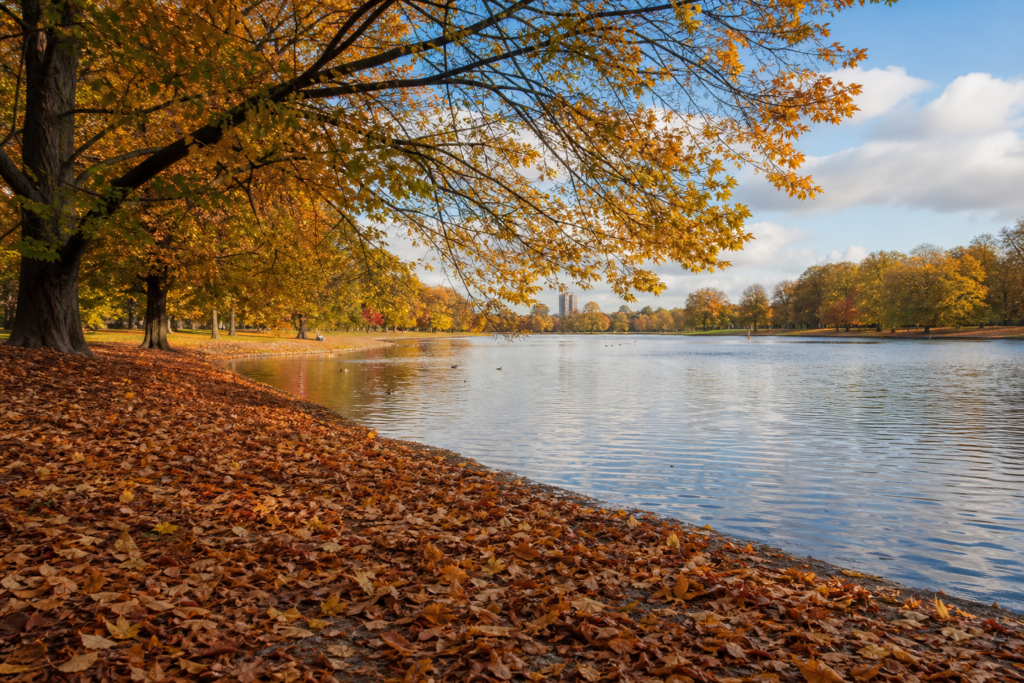
October brings crisp air (8°C–15°C / 46°F–59°F) and stunning autumn foliage. It’s the best time to visit London for walking tours through parks like Richmond Park (deer rutting season) and Hampstead Heath (golden leaves). The London Film Festival (early October) screens 200+ films, and Halloween events (London Dungeon, Tower of London after-dark tours) add spooky fun. Tourist numbers drop 25% from September, offering a quieter experience.
Address: London Film Festival, BFI Southbank and other venues
Hours: Early to mid-October; screenings from 10 AM–10 PM
Price: £12–£25 per screening; some free events
Walking route: Start at St. James’s Park, walk through Green Park to Hyde Park, then into Kensington Gardens—all ablaze with color in mid-October.
Conclusion
So, when’s the best time to visit London? For most travelers, late spring (May–June) and early autumn (September–October) offer the perfect balance of pleasant weather, manageable crowds, and vibrant city life. But don’t discount winter for festive magic or January for budget-friendly exploration. London’s a city that rewards planning—book key attractions and accommodations early for peak seasons, and always pack a rain jacket. Whatever month you choose, you’ll discover why this historic, chaotic, endlessly fascinating city captures hearts. Now go book that trip—2026 is waiting.
similar posts
Best Time to Visit Machu Picchu in 2026
Where to Stay in San Diego in 2026: Best Neighborhoods & Hotels
17 Essential Travel Photography Tips for 2026: Capture Your Adventures Like a Pro
The Ultimate Guide to the Top 10 Places to Visit in the World in 2026
15 Essential Business Travel Tips for 2026: Work Smarter on the Road
15 Must-See Places to Visit in the US in 2026