
The Ultimate Guide to the Best Time to Visit Spain in 2026

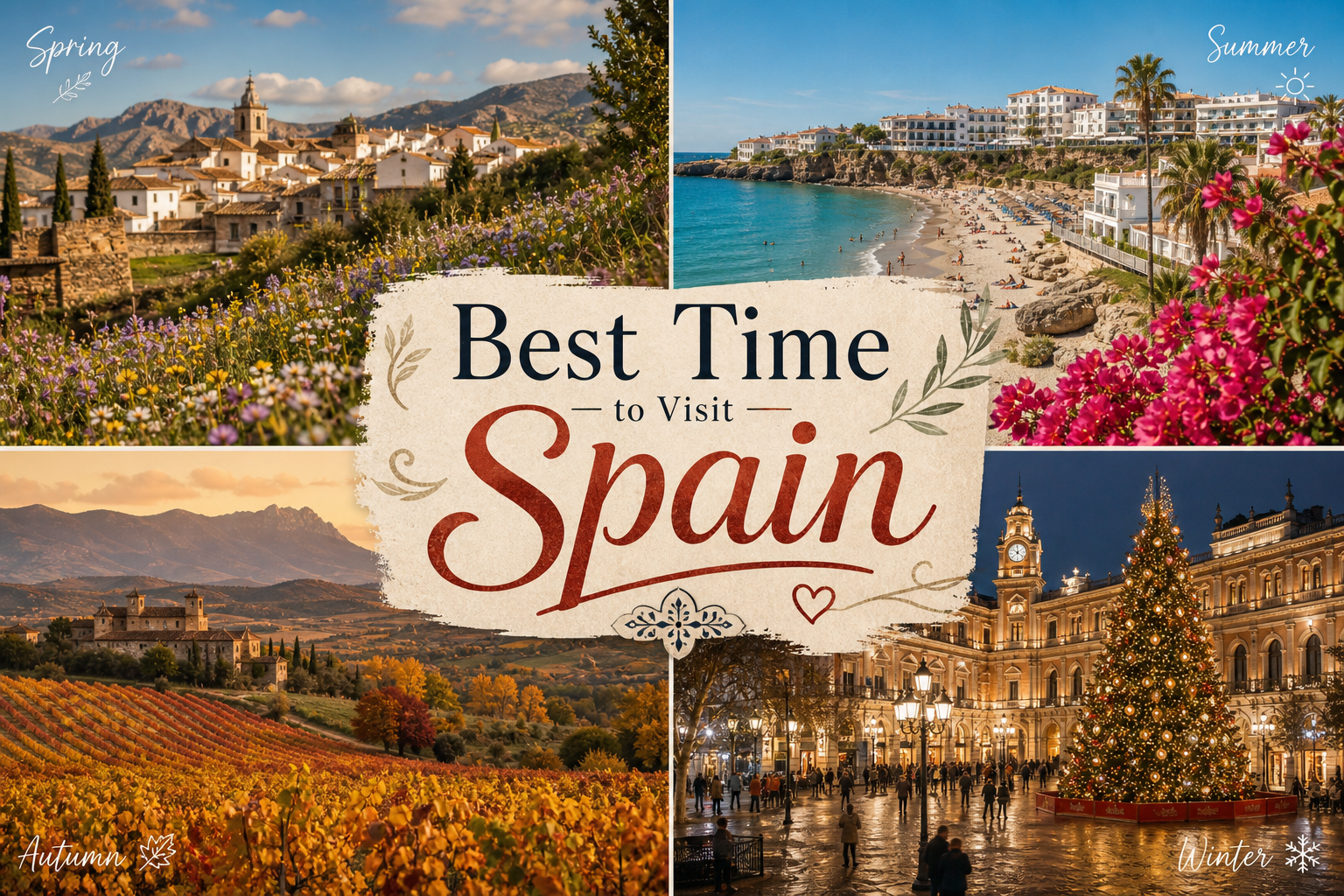
Struggling to figure out when to finally plan that Spanish adventure you’ve been dreaming about? The best time to visit Spain really depends on what you want—whether it’s sun-soaked beach days, vibrant festivals, or exploring cities without the crowds. Spain is a year-round destination, but timing can make or break your trip depending on your priorities, from weather to budget to local events. Let me walk you through exactly when to go, month by month, so you can nail your 2026 itinerary.
Finding the Best Time to Visit Spain for Your Perfect Trip
Spain’s charm shifts dramatically with the seasons, and there’s no single “perfect” time—but there are definitely better times depending on your travel style. Spring (March to May) and fall (September to November) are widely considered the sweet spots for pleasant weather, fewer tourists, and reasonable prices. Summer (June to August) is peak season for beach lovers and festival-goers, while winter (December to February) offers a quieter, more affordable experience, especially in cities and ski resorts. Here’s a detailed breakdown to help you decide.
1. Spring (March to May) – The All-Rounder
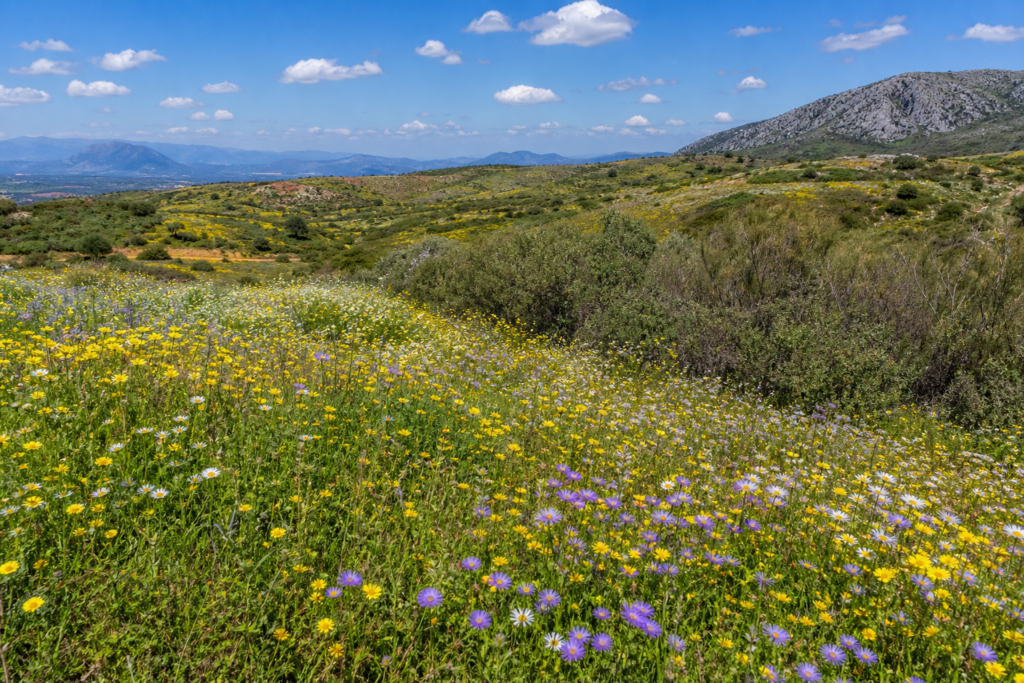
Best for: City explorers, foodies, and festival lovers
Spring is arguably the best time to visit Spain for most travelers. The weather is mild and sunny, with temperatures ranging from 15°C to 25°C (59°F to 77°F), depending on the region. Cities like Barcelona, Madrid, and Seville come alive with blooming parks and outdoor terraces. You’ll avoid the intense summer heat and the winter chill, making it ideal for walking tours and sightseeing.
Address: Varies by city
Hours: Daylight hours increase significantly by May
Price: Mid-range; flights and hotels are cheaper than summer but pricier than winter
One major draw is Semana Santa (Holy Week), usually in March or April. Seville’s processions are world-famous, with elaborate floats and penitents parading through narrow streets. Book accommodations months in advance for this period. Also, don’t miss the Feria de Abril in Seville (two weeks after Easter), where locals dance flamenco, drink sherry, and ride horses. Spring is also harvest time for oranges in Valencia, so you’ll find fresh produce markets at their prime.
2. Summer (June to August) – Sun, Sea, and Festivals
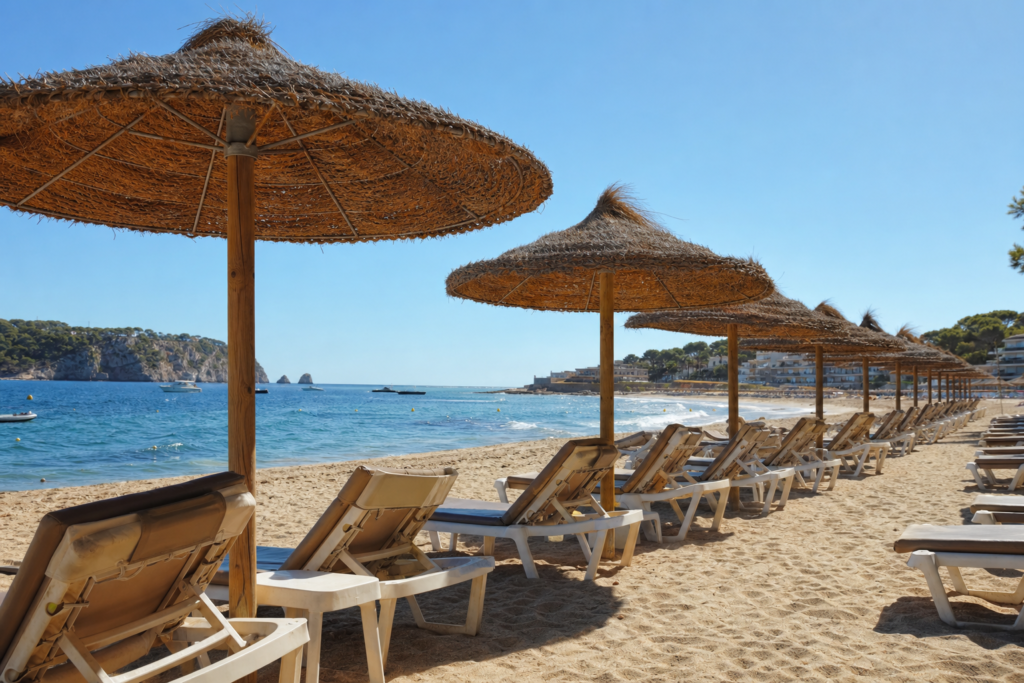
Best for: Beach bums, nightlife enthusiasts, and festival chasers
Summer is peak tourist season, especially along the coasts. Temperatures can soar to 35°C–40°C (95°F–104°F) in inland cities like Madrid and Seville, but coastal areas like Costa del Sol, Costa Brava, and the Balearic Islands (Ibiza, Mallorca) offer refreshing sea breezes. This is the best time to visit Spain if you’re after vibrant beach life and legendary nightlife.
Address: Beaches across the Mediterranean coast
Hours: Sun rises around 6:30 AM, sets around 9:30 PM
Price: High; expect premium prices for flights and hotels, especially in August
August is the hottest and busiest month. Many locals take holidays, so some smaller shops and restaurants may close in cities. However, this is prime time for festivals like San Fermín in Pamplona (running of the bulls, July 6–14) and La Tomatina in Buñol (tomato fight, last Wednesday of August). If you’re heading to the beaches, book early and arrive early to secure a spot. For a quieter experience, consider northern Spain (Galicia, Basque Country) where temperatures are cooler.
3. Fall (September to November) – Harvest and Harmony
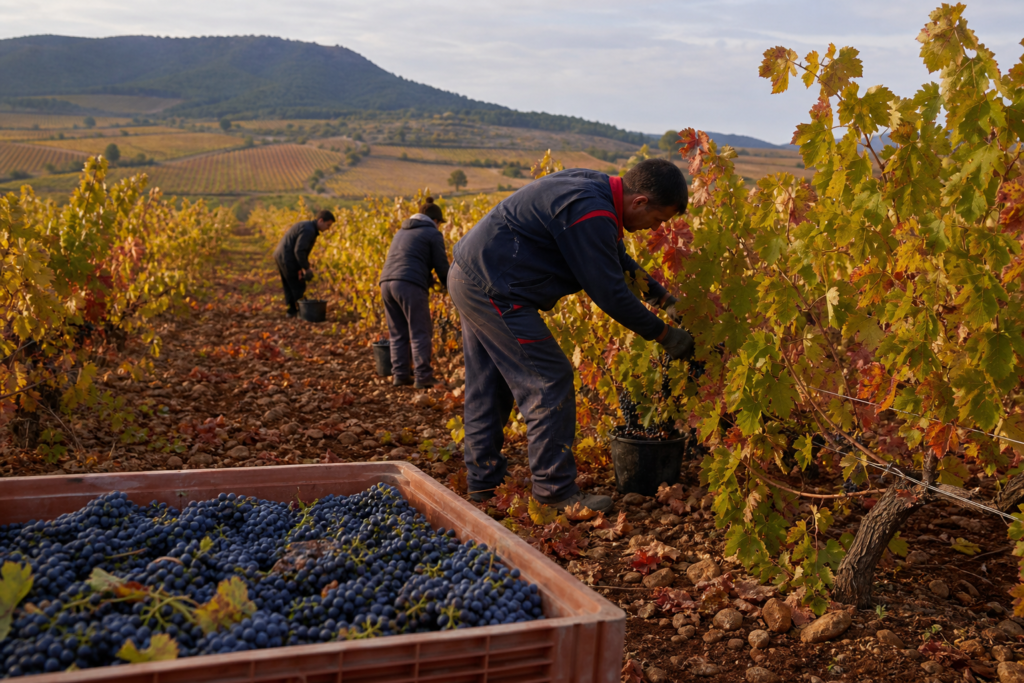
Best for: Wine lovers, hikers, and culture seekers
Fall is another fantastic window, often overlooked by tourists. September retains summer warmth but with fewer crowds. October and November bring cooler, crisp weather, perfect for exploring cities without the hustle. This is the best time to visit Spain for wine enthusiasts, as harvest season (vendimia) kicks off in regions like La Rioja, Ribera del Duero, and Priorat.
Address: Wine regions like La Rioja (Logroño)
Hours: Daylight hours shorten from 13 hours in September to 10 in November
Price: Moderate; lower than summer, higher than winter
Harvest festivals are a highlight. For example, the Fiesta de la Vendimia in Jerez de la Frontera celebrates sherry with grape treading and flamenco. In Catalonia, the “Festa del Vi” in Sant Sadurní d’Anoia features cava tastings. Fall is also ideal for hiking in the Pyrenees or Picos de Europa, where autumn foliage paints the mountains in gold and red. Madrid’s cultural scene picks up with theater, concerts, and art exhibitions.
4. Winter (December to February) – Culture and Coziness
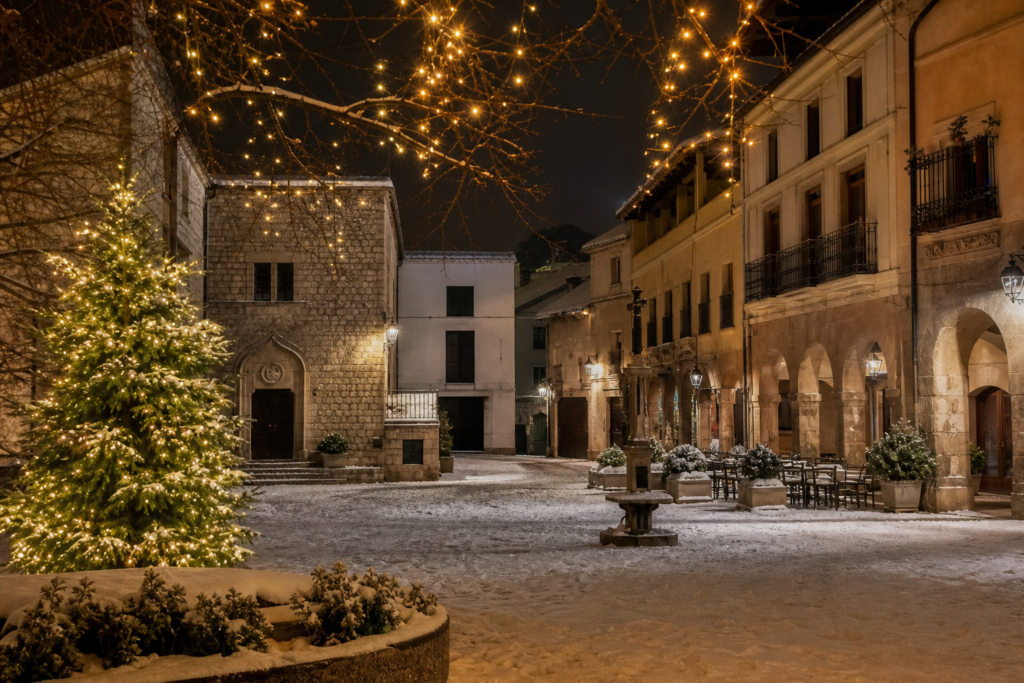
Best for: Budget travelers, museum lovers, and skiers
Winter offers a completely different Spain—quieter, cheaper, and often surprisingly charming. While coastal resorts are quiet, cities like Madrid, Barcelona, and Granada are vibrant with Christmas markets, holiday lights, and fewer tourists. Temperatures range from 5°C to 15°C (41°F to 59°F) in most areas, but can drop below freezing in inland regions like Castile and León.
Address: Sierra Nevada ski resort (Granada) or Pyrenees
Hours: Short days; sun sets around 6 PM
Price: Low; some of the cheapest flights and hotels of the year
This is the best time to visit Spain for skiing. The Sierra Nevada offers slopes just a few hours from the Mediterranean coast, while the Pyrenees have excellent resorts like Baqueira Beret. Culturally, winter is perfect for exploring world-class museums like the Prado in Madrid or the Guggenheim in Bilbao without queues. Don’t miss the Three Kings’ Day parade (January 5-6), which is bigger than Christmas in Spain. January sales (rebajas) are also a shopper’s delight.
5. January – The Quietest Month
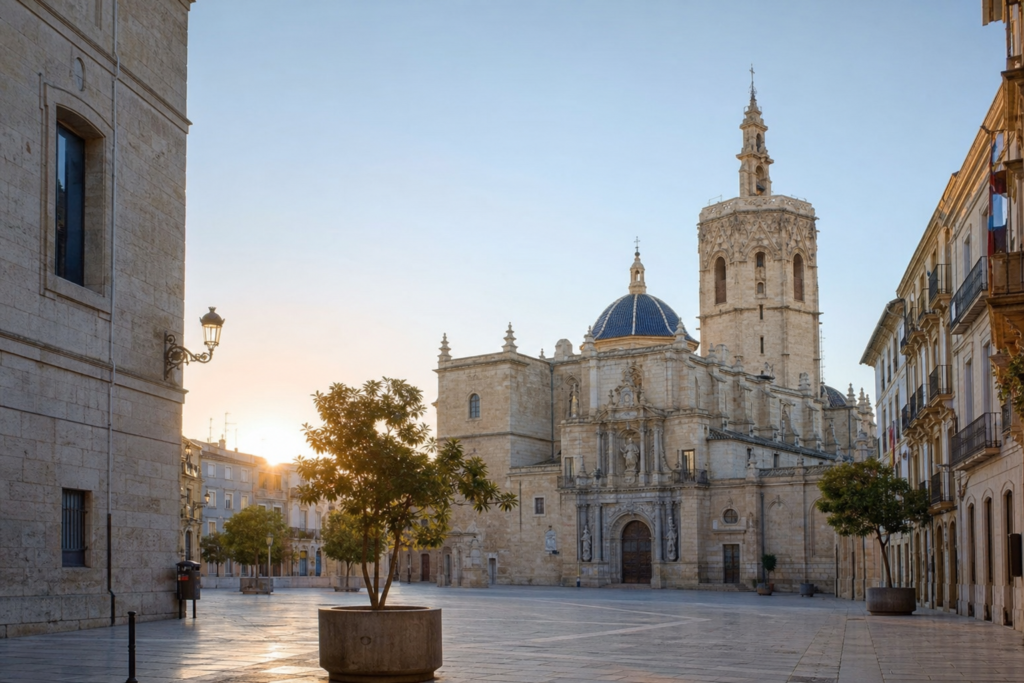
Best for: Budget travelers and culture enthusiasts
January is the least crowded month in Spain, making it a hidden gem for those who don’t mind cooler weather. After the holiday rush, cities return to normal pace. Flights and accommodations drop significantly—often 30-50% less than summer. It’s cold but not unbearable in most places, with average highs of 10°C–15°C (50°F–59°F).
Address: Madrid or Barcelona
Hours: Museums open standard hours; shorter daylight
Price: Low; great deals on flights and hotels
Highlights include the Three Kings’ Day celebrations on January 6, where children receive gifts and parades fill the streets. In Madrid, the “Cabalgata de Reyes” is spectacular. January is also ideal for indoor activities: tapas bar hopping in Madrid’s La Latina district, exploring the Alhambra in Granada (book tickets in advance), or visiting the Picasso Museum in Barcelona. Ski resorts are in full swing, so combine city culture with mountain sports.
6. February – Carnival and Romance
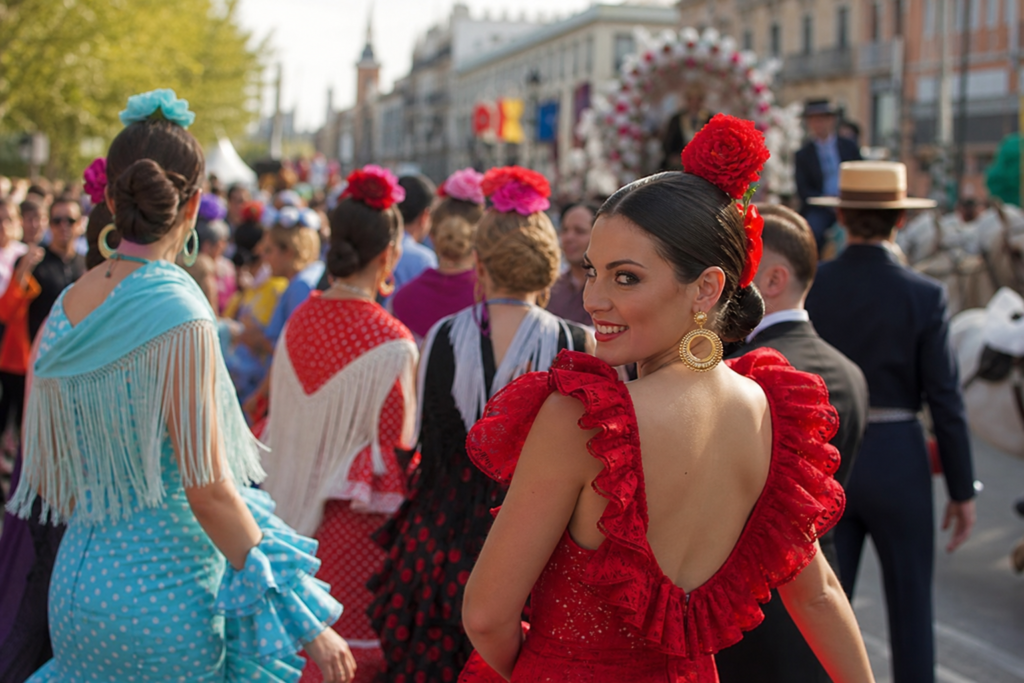
Best for: Carnival lovers and couples
February brings Carnival season, with the most famous celebrations in Cádiz and Tenerife. The weather is still cool, but days start lengthening. Average temperatures range from 8°C–16°C (46°F–61°F) depending on region. It’s a shoulder month, so crowds are manageable.
Address: Cádiz (Andalusia) or Santa Cruz de Tenerife (Canary Islands)
Hours: Carnival parades often start in late afternoon
Price: Moderate; slightly higher due to Carnival
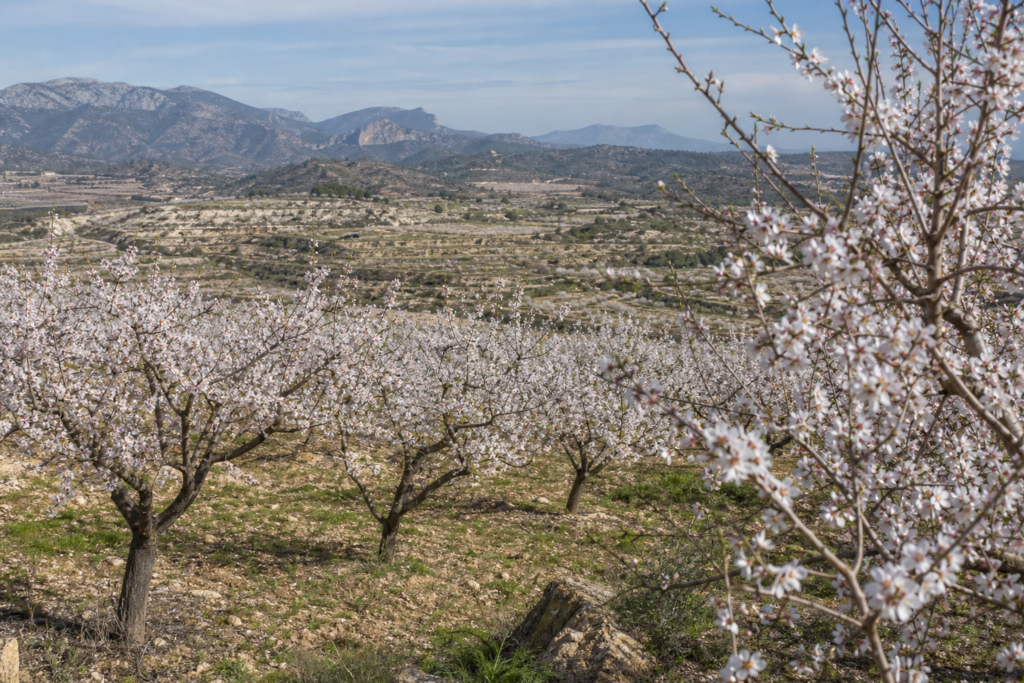
Cádiz Carnival is known for its satirical humor and elaborate costumes, while Tenerife’s carnival rivals Rio’s in scale. If you’re not into crowds, February is also a romantic time to visit cities like Seville or Valencia. The weather is crisp for walking, and you’ll find empty streets in touristy areas. February is also almond blossom season in Andalusia—the countryside around Granada and Málaga turns pink and white.
7. March – Spring Awakening
Best for: Early spring travelers and Semana Santa planners
March marks the transition to spring. Days get warmer, especially in southern Spain, with highs reaching 20°C (68°F) in Seville. This is a great time to visit before Easter crowds arrive. However, Semana Santa often falls in March (2026: March 29–April 5), so prices spike during that week.
Address: Seville, Málaga, or Valencia
Hours: Daylight saving time starts late March; longer evenings
Price: Moderate to high during Semana Santa
If you’re planning for Semana Santa, book everything now—flights, hotels, and even restaurant reservations. Outside of Easter week, March is pleasant for exploring cities. Valencia’s Fallas festival (March 15-19) is a fiery spectacle with giant papier-mâché figures and fireworks. It’s loud, crowded, and unforgettable. For a quieter experience, head to the Picos de Europa for early spring hiking.
8. April – Perfect Weather, Perfect Timing
Best for: Almost everyone
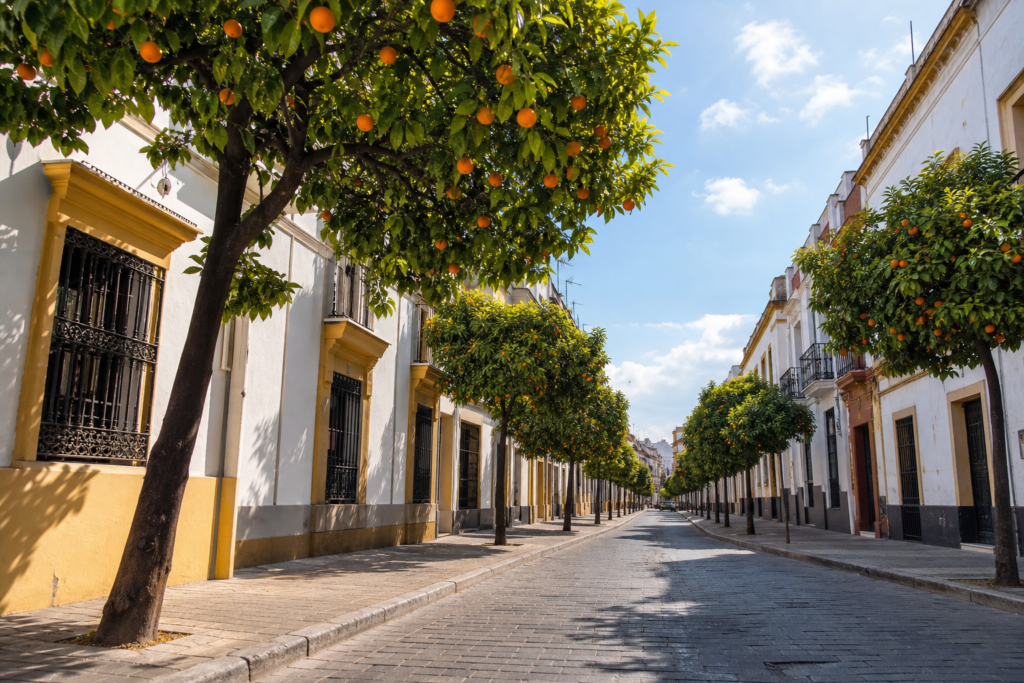
April is arguably the best month to visit Spain. The weather is warm but not hot, flowers are blooming, and tourist numbers are still moderate. Average highs range from 18°C–23°C (64°F–73°F). Semana Santa may fall in April (as in 2026), but if you visit after Easter week, you’ll find a sweet spot.
Address: Andalusia (Seville, Córdoba, Granada)
Hours: Long daylight hours; sunset around 8 PM
Price: Moderate; good value outside Easter week
April highlights include the Feria de Abril in Seville (usually two weeks after Easter), where the city transforms into a fairground of tents, horses, and flamenco. In Córdoba, the Patios Festival (mid-May) begins preparation, but you can already see some courtyards decorated with flowers. This is also the best time to visit the Alhambra, as gardens are in full bloom. Don’t miss the white villages of Andalusia like Ronda or Mijas.
9. May – Peak Spring Beauty
Best for: Garden lovers and outdoor adventurers
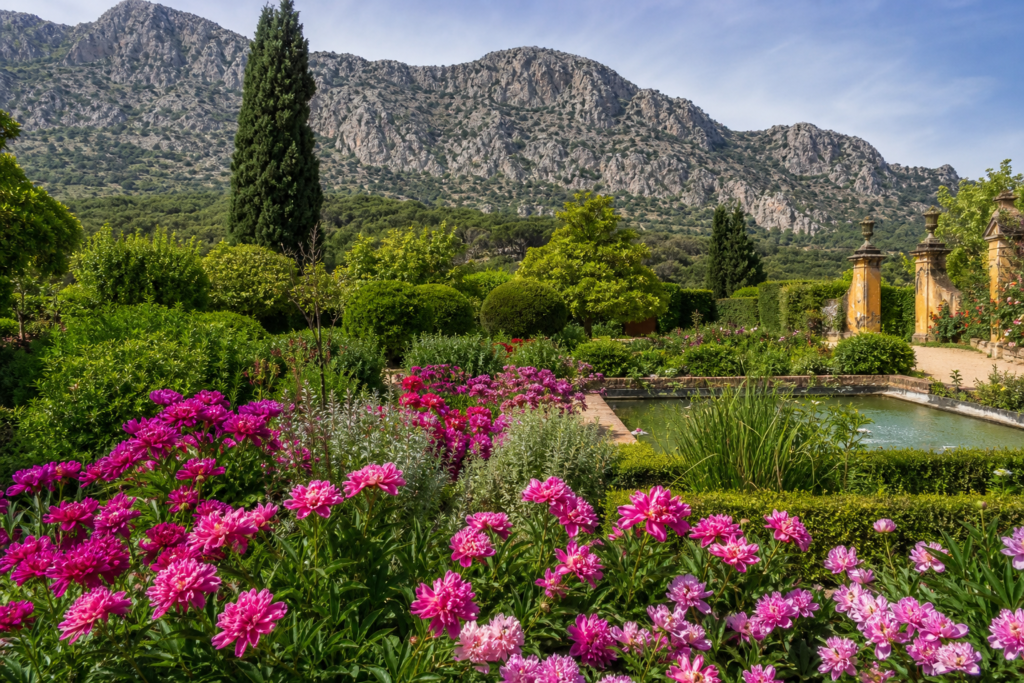
May is glorious across Spain. Temperatures are ideal—20°C–28°C (68°F–82°F)—and the countryside is lush. Tourist numbers increase, but it’s still manageable. This is the best time to visit Spain for outdoor activities like hiking, cycling, or simply strolling through historic centers.
Address: Córdoba for Patios Festival; Barcelona for beaches
Hours: Long days; sunset after 9 PM
Price: High; approaching summer rates
The Patios Festival in Córdoba (first two weeks of May) is a UNESCO-listed event where residents open their flower-filled courtyards to the public. It’s a photographer’s dream. In Barcelona, the beaches start getting busy, but the water is still cool. For a unique experience, head to the Feria del Caballo in Jerez de la Frontera, a horse fair with flamenco and sherry. May is also prime time for the Camino de Santiago—the weather is perfect for walking.
10. June – Summer’s Gentle Start
Best for: Early summer travelers and music festival fans
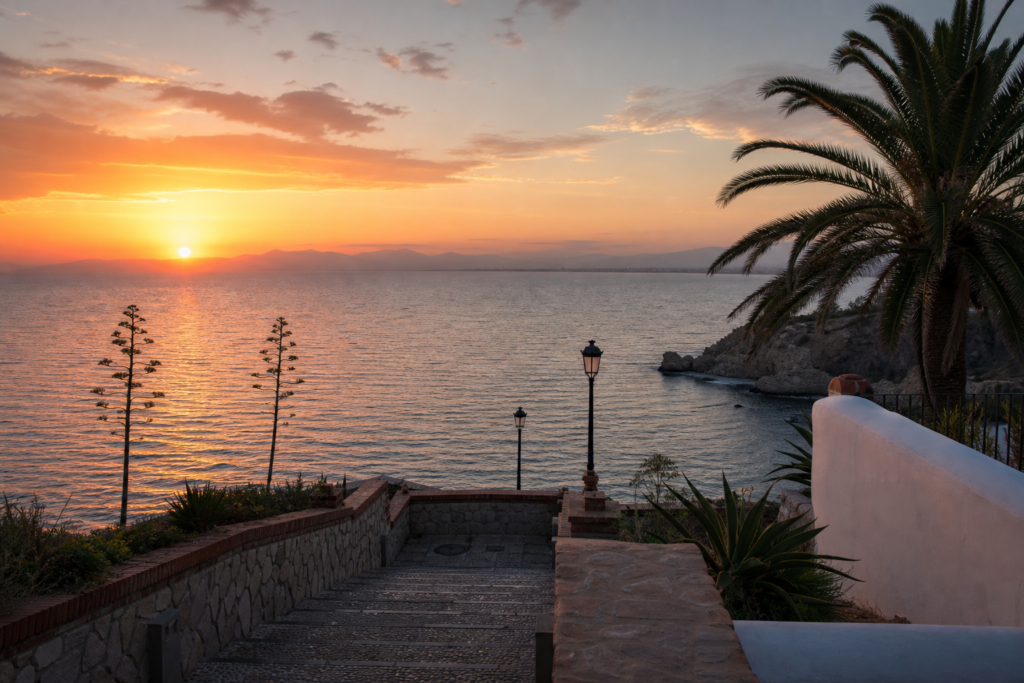
June offers warm, sunny weather without the intense heat of July and August. Average highs range from 25°C–32°C (77°F–90°F), depending on location. Tourist numbers rise, but it’s still less crowded than peak summer. This is the best time to visit Spain for a balance of beach time and sightseeing.
Address: San Sebastián, Barcelona, or Ibiza
Hours: Very long days; sunset after 9:30 PM
Price: High; approaching peak rates
June is festival season. The Sonar Festival in Barcelona (mid-June) features electronic music and art. In San Sebastián, the Jazzaldia jazz festival kicks off in late July, but June offers pleasant weather for pintxos (Basque tapas) and beach walks. If you’re heading to Ibiza, June is less packed than August, but clubs are already open. For a quieter coastal experience, consider the Costa de la Luz (Andalusia) or the Algarve in Portugal.
11. July – Peak Summer Heat and Festivals
Best for: Festival fanatics and sun worshippers
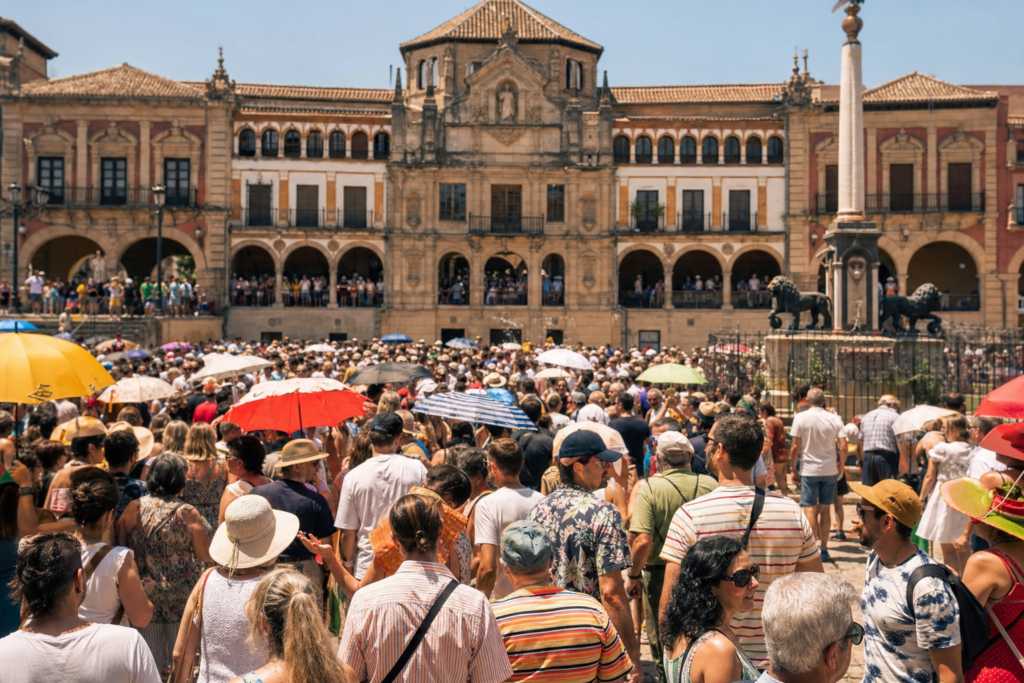
July is scorching hot in inland Spain, with Madrid and Seville often hitting 40°C (104°F). Coastal areas are more bearable but crowded. This is the best time to visit Spain if you’re after iconic festivals and vibrant nightlife.
Address: Pamplona for San Fermín; Ibiza for nightlife
Hours: Longest days; sunset around 9:45 PM
Price: Very high; peak season rates
San Fermín (July 6-14) is the headline event—the running of the bulls through Pamplona’s streets. It’s chaotic, thrilling, and not for the faint-hearted. Alternatively, the Festival de la Cerveza in Málaga (beer festival) offers a more relaxed vibe. For beach lovers, head to the Balearic Islands or the Costa Brava. Remember to stay hydrated and avoid sightseeing during midday heat. Many locals take siestas, so shops may close from 2-5 PM.
12. August – Hottest and Busiest
Best for: Beach vacations and nightlife
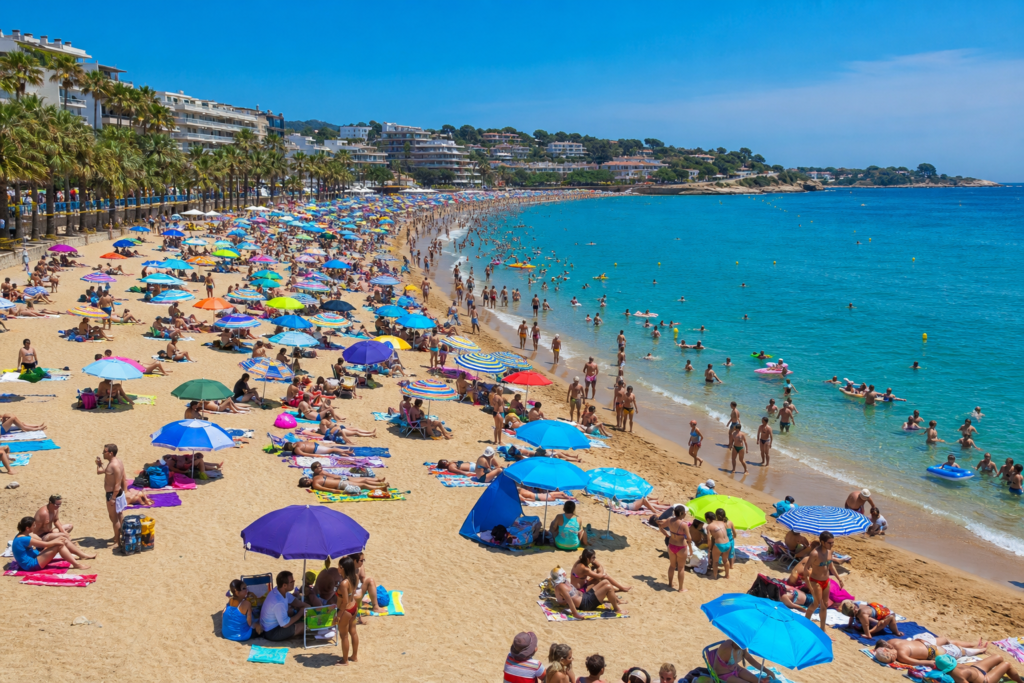
August is the pinnacle of summer. Temperatures can exceed 40°C (104°F) in inland cities, and coastal resorts are packed with tourists. This is the best time to visit Spain if you want a classic beach holiday with non-stop parties.
Address: Costa del Sol, Ibiza, or Formentera
Hours: Very hot; best to be at the beach by 10 AM
Price: Highest of the year; book months ahead
August is also La Tomatina month (last Wednesday) in Buñol, near Valencia. Thousands gather for a massive tomato fight—it’s messy, fun, and requires early planning. If you prefer quieter beaches, consider the Canary Islands (Lanzarote, Fuerteventura) where temperatures are milder. Many locals flee cities, so some restaurants may close in Madrid and Barcelona. For a cultural alternative, northern Spain (Galicia, Asturias) offers cooler weather and green landscapes.
13. September – The Undiscovered Gem
Best for: Wine lovers, hikers, and savvy travelers
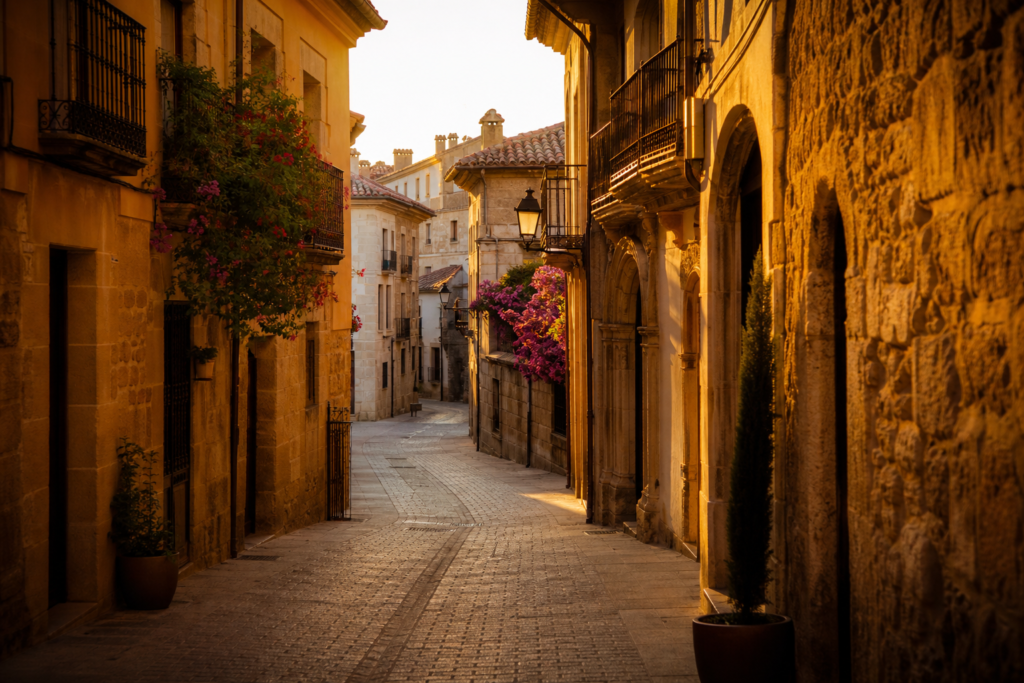
September is a secret weapon for Spain travel. The weather is still warm (25°C–30°C / 77°F–86°F), but crowds thin out after August. Prices drop, and the sea is still warm for swimming. This is the best time to visit Spain for a relaxed yet sunny experience.
Address: La Rioja wine region; Costa Brava
Hours: Days shorten to 13 hours; sunset around 8:30 PM
Price: Moderate; great value
Grape harvest season begins, making September perfect for wine tours. In La Rioja, you can visit bodegas (wineries) and participate in grape stomping. The Barcelona International Boat Show and the San Sebastián Film Festival also take place. Hiking in the Pyrenees is excellent with pleasant temperatures. For beach lovers, the Mediterranean is still warm, and you’ll have more space on the sand.
14. October – Autumn Colors and Culture
Best for: Culture vultures and foodies
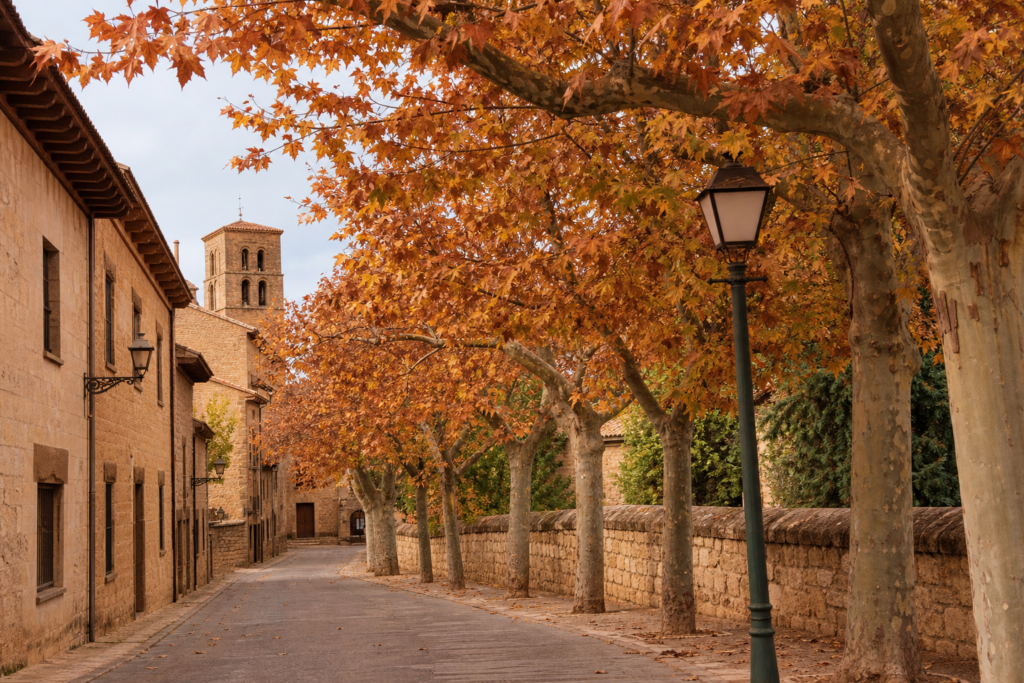
October brings crisp air and golden landscapes. Temperatures range from 15°C–25°C (59°F–77°F), making it ideal for city exploration. Tourist numbers are low, and prices are reasonable. This is the best time to visit Spain for museum visits and culinary tours.
Address: Madrid, Barcelona, or Granada
Hours: Shorter days; sunset around 7:30 PM
Price: Low to moderate; excellent value
October is harvest time for mushrooms and game, so look for seasonal menus in restaurants. In Catalonia, the “Festa del Bolet” (mushroom festival) celebrates foraging. The Madrid Jazz Festival starts in October, and the Prado Museum has extended hours. For a unique experience, visit the Alhambra in Granada—the fall light makes the Nasrid palaces glow. The weather is also perfect for day trips to Toledo or Segovia.
15. November – Quiet and Cozy
Best for: Budget travelers and art lovers
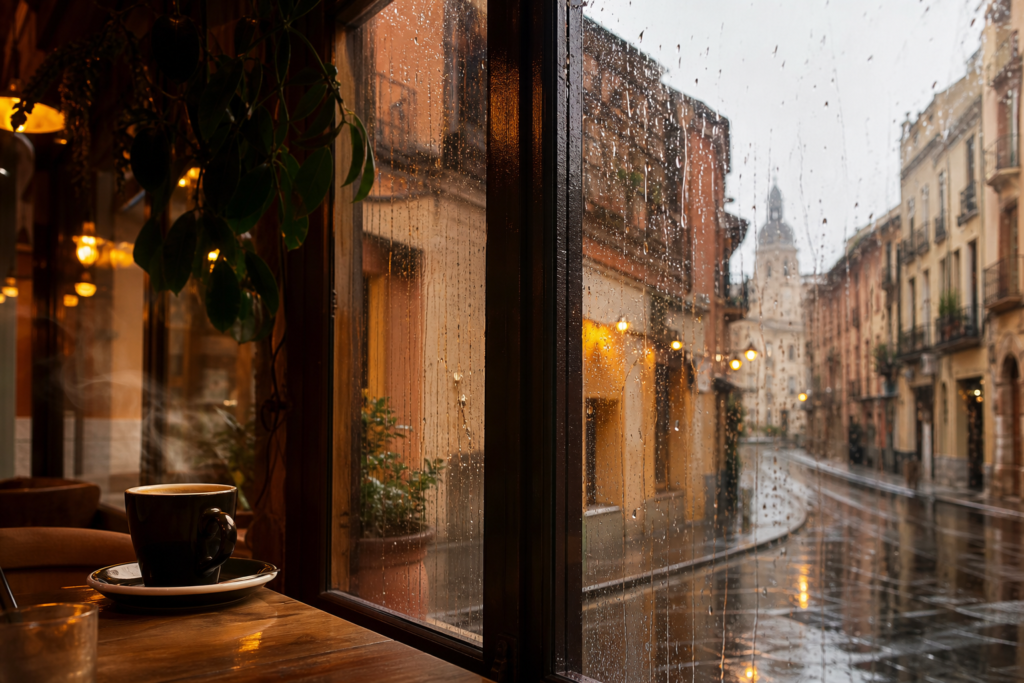
November is one of the quietest months. Weather is cool and often rainy, especially in northern Spain. Average highs range from 10°C–18°C (50°F–64°F). It’s the best time to visit Spain for deep cultural immersion without the crowds.
Address: Madrid, Bilbao, or Seville
Hours: Short days; sunset around 6 PM
Price: Low; some of the cheapest deals of the year
Indoor attractions shine. The Prado, Reina Sofía, and Thyssen-Bornemisza museums in Madrid are nearly empty. Bilbao’s Guggenheim Museum is a must. In Seville, the Alcázar is less crowded. November also features the San Martín wine festival in Jerez, where new sherry is tapped. For a cozy experience, try a parador (historic hotel) in a rural area—think medieval castles or monasteries.
16. December – Festive Magic
Best for: Christmas markets and winter sports
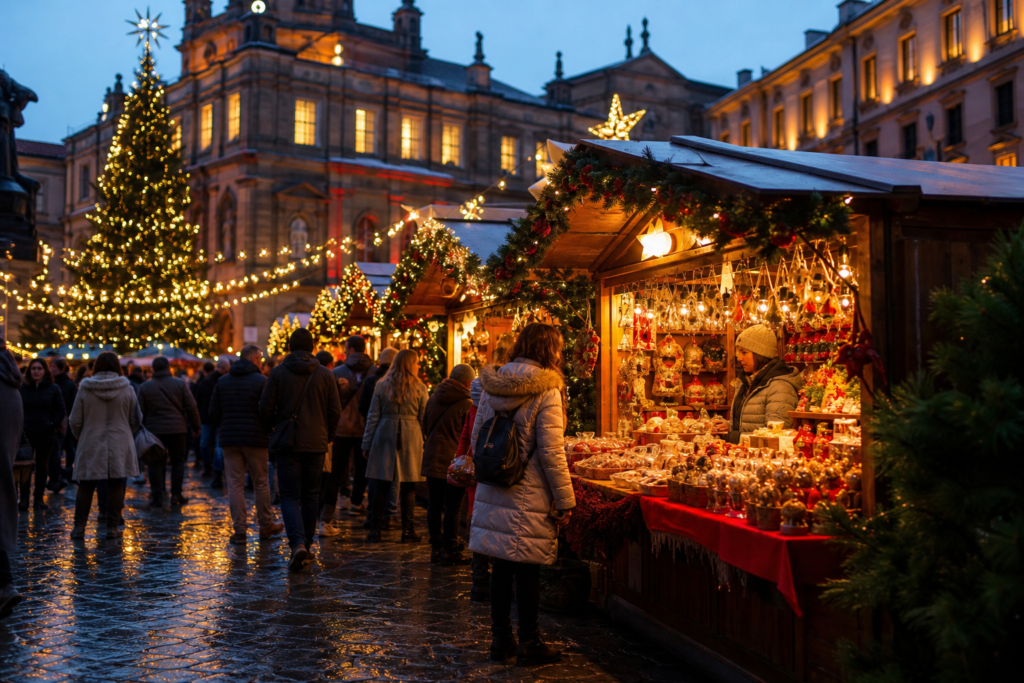
December is festive and charming. Cities are decorated with lights, and Christmas markets pop up in plazas. Weather is cold but manageable, with temperatures around 5°C–15°C (41°F–59°F). This is the best time to visit Spain for holiday cheer and skiing.
Address: Madrid, Barcelona, or Sierra Nevada
Hours: Shortest days; sunset around 6 PM
Price: Moderate; prices rise around Christmas and New Year’s
Madrid’s Plaza Mayor hosts a traditional Christmas market, while Barcelona’s Fira de Santa Llúcia sells nativity figures. The “Caga Tió” (pooping log) tradition in Catalonia is quirky and fun for families. For New Year’s Eve, celebrate in Puerta del Sol, Madrid, with the 12 grapes ritual. Ski resorts like Sierra Nevada and Baqueira Beret are in full operation. December is also a great time for gastronomic tours—try winter stews like cocido madrileño.
Conclusion
So, when is the best time to visit Spain? Honestly, it depends on what you’re after. For the perfect balance of good weather, manageable crowds, and reasonable prices, aim for April-May or September-October. If you’re a beach lover, summer is your season, but book early and expect higher costs. Winter offers incredible value and cultural depth, while spring and fall provide that “Goldilocks” experience. Whatever you choose, Spain will reward you with unforgettable memories—just plan ahead for festivals and peak times. Buen viaje!
similar posts
Best Time to Visit Machu Picchu in 2026
Where to Stay in San Diego in 2026: Best Neighborhoods & Hotels
17 Essential Travel Photography Tips for 2026: Capture Your Adventures Like a Pro
The Ultimate Guide to the Top 10 Places to Visit in the World in 2026
15 Essential Business Travel Tips for 2026: Work Smarter on the Road
15 Must-See Places to Visit in the US in 2026