
The 15 Best Places to Visit in Portugal in 2026


You’re probably dreaming of cobblestone streets, pastel-colored buildings, and pastéis de nata—but with so many incredible spots, planning a Portugal trip can feel overwhelming. The best places to visit in Portugal range from sun-drenched Algarve cliffs to historic Lisbon neighborhoods, and I’ve got the insider scoop on where to go, what to do, and how to make every moment count. Whether you’re a foodie, a hiker, or a history buff, this guide will help you build the perfect itinerary for 2026.
The Best Places to Visit in Portugal: From Coast to Countryside
Portugal packs an astonishing variety into a compact size. You can surf Atlantic waves in the morning, explore a medieval castle by lunch, and sip port wine at sunset—all in the same day. These are the absolute must-visit destinations, carefully chosen for their unique charm, accessibility, and ability to surprise even seasoned travelers.
—
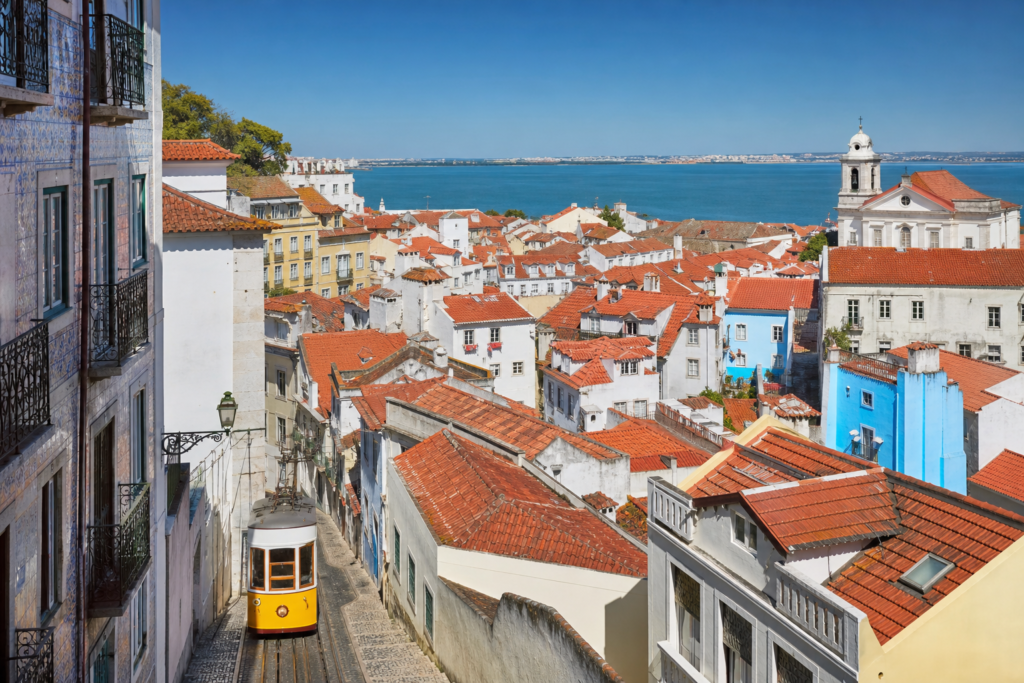
1. Lisbon: Alfama’s Fado and Hillside Views
Best for: First-time visitors and culture lovers
Address: Alfama District, Lisbon (start at Miradouro da Graça)
Hours: Neighborhood is always open; Fado houses typically 7 PM–midnight
Price: Free to explore; Fado dinner ~€35–€60 per person
Lisbon is the heart of Portugal, and Alfama is its soul. This labyrinthine neighborhood survived the 1755 earthquake intact, so you’re walking through centuries of history. Start at Miradouro da Graça for a panoramic view that’ll make your Instagram followers jealous, then wander downhill through narrow alleys where laundry flaps overhead and tile-clad buildings glow in the afternoon light. By evening, the haunting sound of fado spills from tiny restaurants—book a table at Clube de Fado for an authentic experience. Insider tip: Take Tram 28 early morning (before 9 AM) to avoid the tourist crush, and hop off at the Basilica da Estrela for pastéis de nata at Pastelaria Aloma.
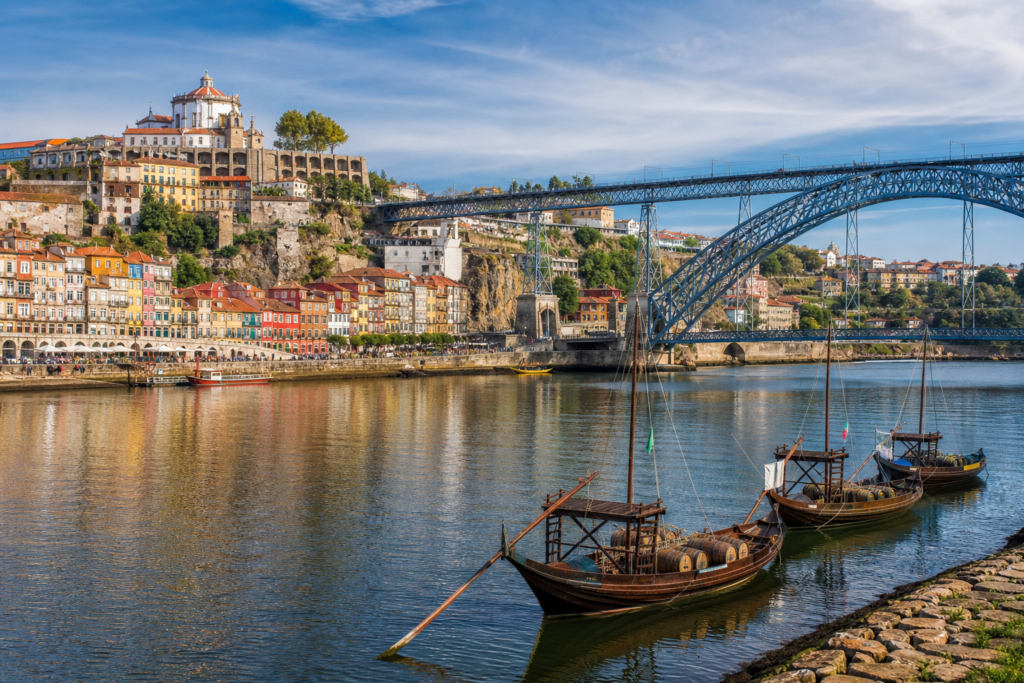
2. Porto: Port Wine and the Douro River
Best for: Wine enthusiasts and romantic getaways
Address: Vila Nova de Gaia (wine lodges), Porto
Hours: Cellar tours 10 AM–6 PM; book ahead
Price: Tastings from €12–€25 per person
Porto is Lisbon’s grittier, more authentic sibling, and I love it for that. Cross the Dom Luís I Bridge to Vila Nova de Gaia, where port wine lodges line the riverbank. Taylor’s offers a fantastic tour that ends with a tasting of their 10-year-old tawny—sip it while watching rabelo boats bob on the Douro. Afterward, explore the Ribeira district’s colorful houses and grab a francesinha (a monstrous sandwich of cured meats, steak, and melted cheese smothered in beer sauce) at Café Santiago. Don’t skip the Livraria Lello bookstore—yes, it inspired Harry Potter, and yes, it’s crowded, but the staircase is genuinely magical if you go at opening time.
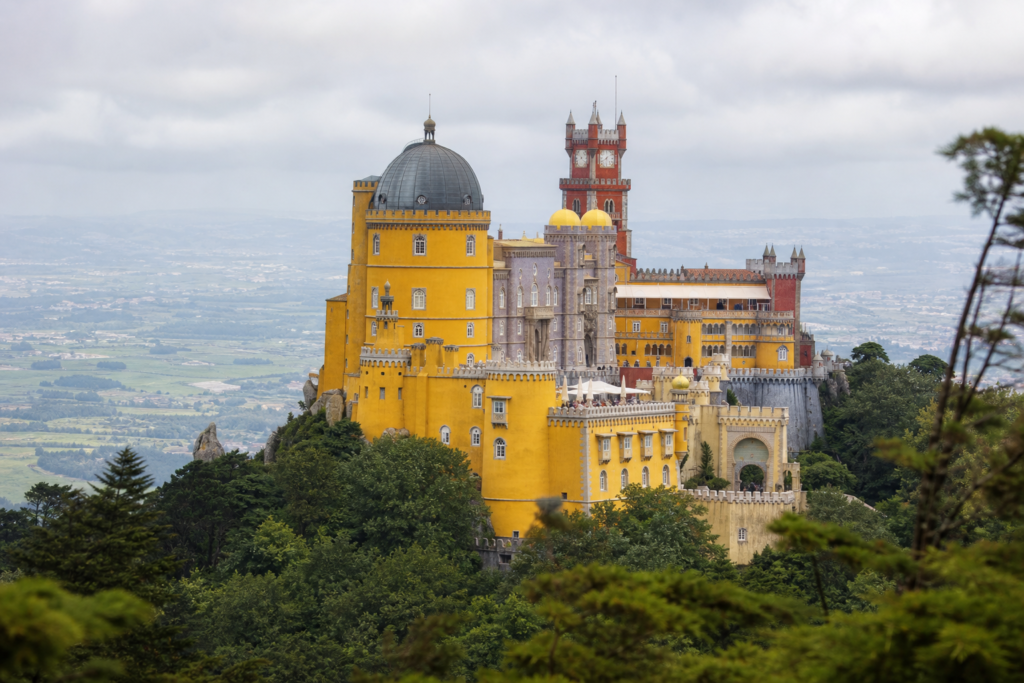
3. Sintra: Fairytale Palaces and Forested Hills
Best for: Romantics and photographers
Address: Sintra, 40 minutes from Lisbon
Hours: Palaces open 9:30 AM–6 PM; book online
Price: Pena Palace €14; Moorish Castle €8; combined ticket €20
Sintra feels like stepping into a storybook. The Pena Palace is a riot of colors—reds, yellows, blues—perched atop a forested hill. But don’t make the rookie mistake of only seeing Pena. The Moorish Castle offers killer views and fewer crowds, while the Quinta da Regaleira has an initiation well that spirals 27 meters into the earth (yes, you can climb down). I recommend hiring a tuk-tuk for €20–€30 to shuttle between sites—the hills are brutal, and your legs will thank you. Arrive by 9 AM to beat the bus tours; the mist often clears by 10, revealing the palace in all its glory.
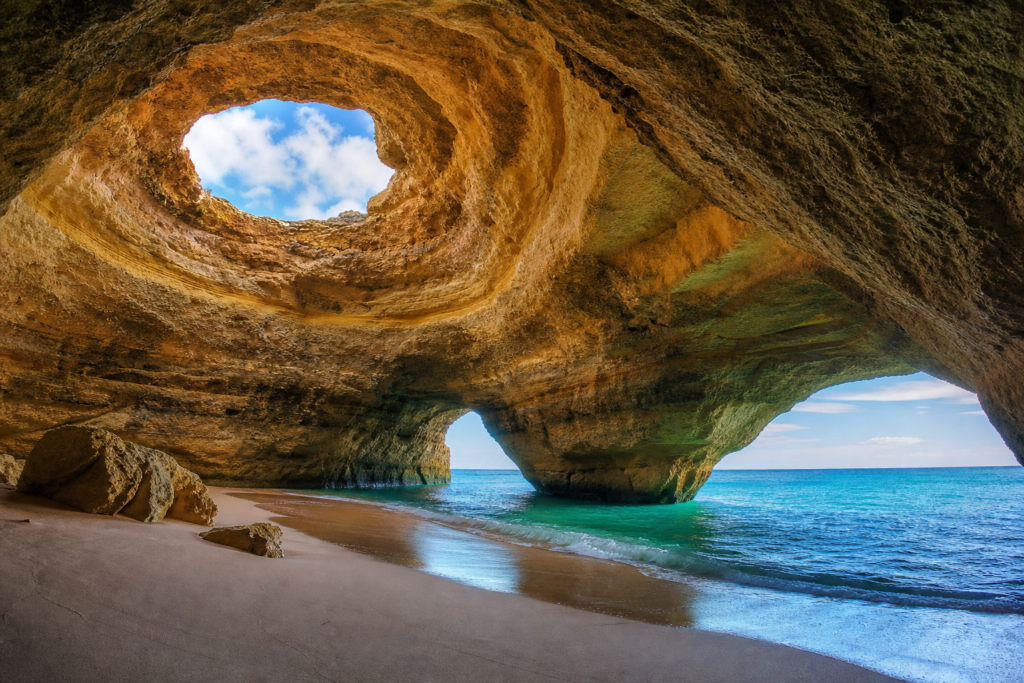
4. Algarve: Benagil Cave and Golden Cliffs
Best for: Beach lovers and adventurers
Address: Benagil, Algarve
Hours: Kayak tours typically 9 AM–4 PM (seasonal)
Price: Kayak rental ~€25–€35 for 2 hours
The Algarve’s coastline is a masterpiece of erosion—sea caves, arches, and golden cliffs that glow at sunset. Benagil Cave is the star with its natural skylight, but you can’t reach it by land. Rent a kayak from Benagil Beach (€25) and paddle through the turquoise water—you’ll have the cave to yourself if you go early. For a less touristy experience, head to Marinha Beach, where a short hike leads to a secluded cove with dramatic rock formations. The Seven Hanging Valleys Trail between Marinha and Benagil is a 6 km coastal walk that’s pure eye candy. Bring water and a hat; the sun is relentless.
5. Douro Valley: Terraced Vineyards and River Cruises
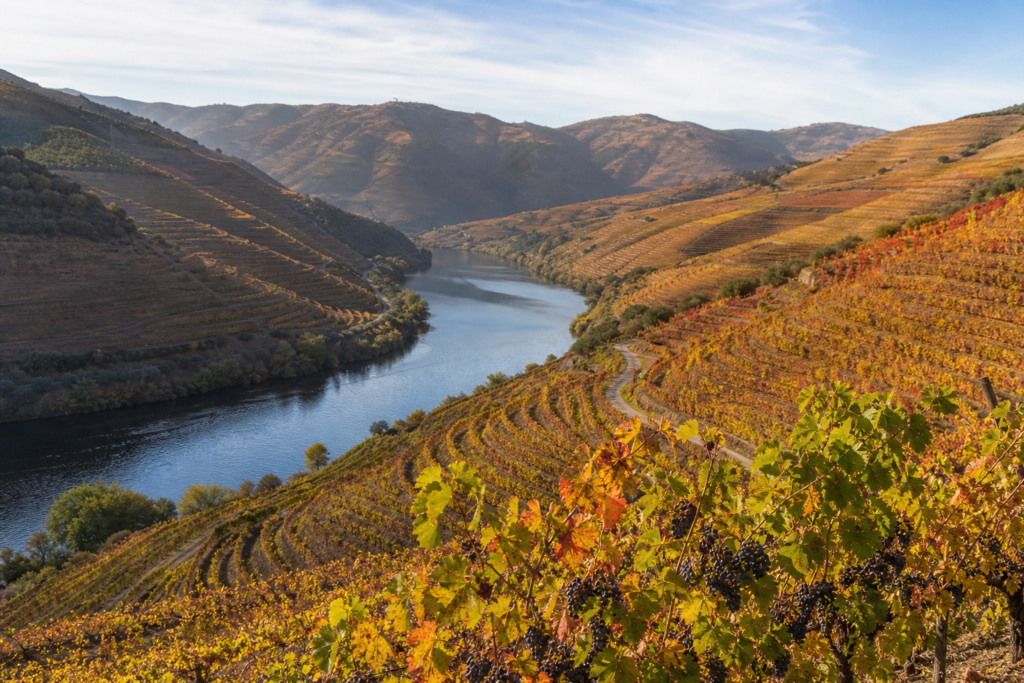
Best for: Wine lovers and slow travelers
Address: Pinhão, Douro Valley
Hours: Quinta tours 10 AM–5 PM; book ahead
Price: Wine tasting from €15–€30; river cruise ~€50
The Douro Valley is where port wine is born, and it’s stunning. The terraced vineyards cascade down hillsides to the river, creating a patchwork of greens and golds. Take a Rabelo boat cruise from Pinhão to see the valley from the water—it’s relaxing and photogenic. Then, visit Quinta do Seixo for a tour that ends with a tasting of their ruby and tawny ports. I recommend staying overnight at a vineyard like Quinta da Pacheca (from €180/night) to experience the sunset over the vines. The drive from Porto takes about 1.5 hours, but the winding roads are worth every second.
6. Évora: Roman Ruins and Bone Chapel
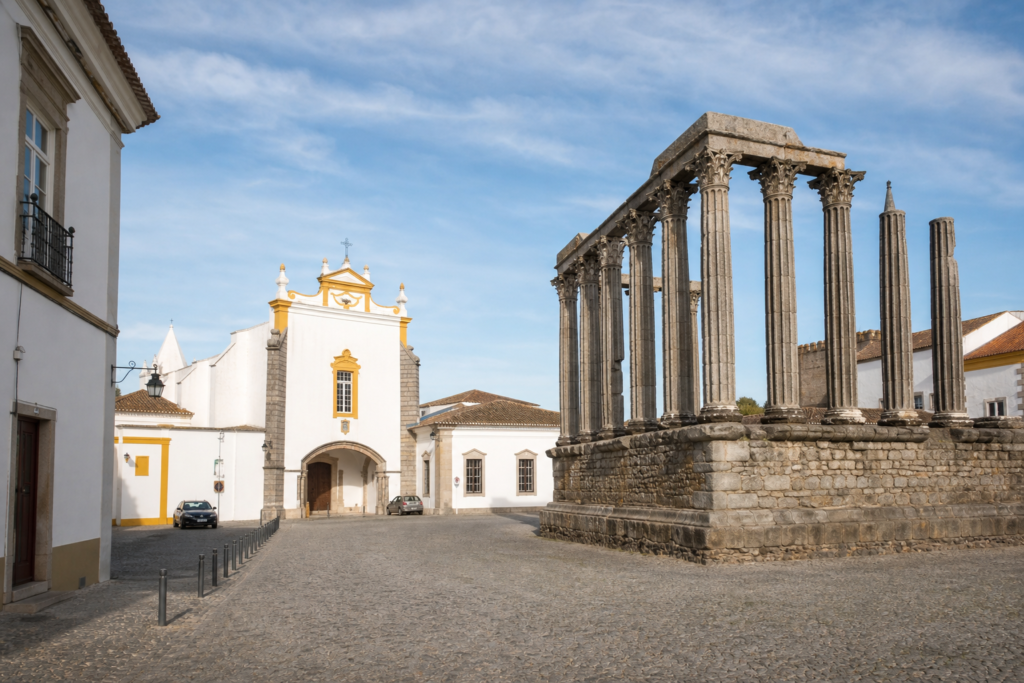
Best for: History buffs and architecture fans
Address: Évora, Alentejo region
Hours: Bone Chapel 9 AM–5 PM; Roman Temple always visible
Price: Bone Chapel €5; combined ticket with museum €10
Évora is a UNESCO World Heritage site that feels frozen in time. The Roman Temple of Évora (c. 1st century AD) stands proudly in the city center, but the real showstopper is the Capela dos Ossos (Bone Chapel). Its walls are lined with the bones of 5,000 monks—a macabre but fascinating sight. Afterward, wander the whitewashed streets and stop at Taberna Típica Quarta Feira for migas (a bread-based dish) and local wine. Évora is also a gateway to the Alentejo wine region; try a Vinho de Talha (clay pot wine) for something unique.
7. Madeira: Levada Walks and Laurissilva Forest
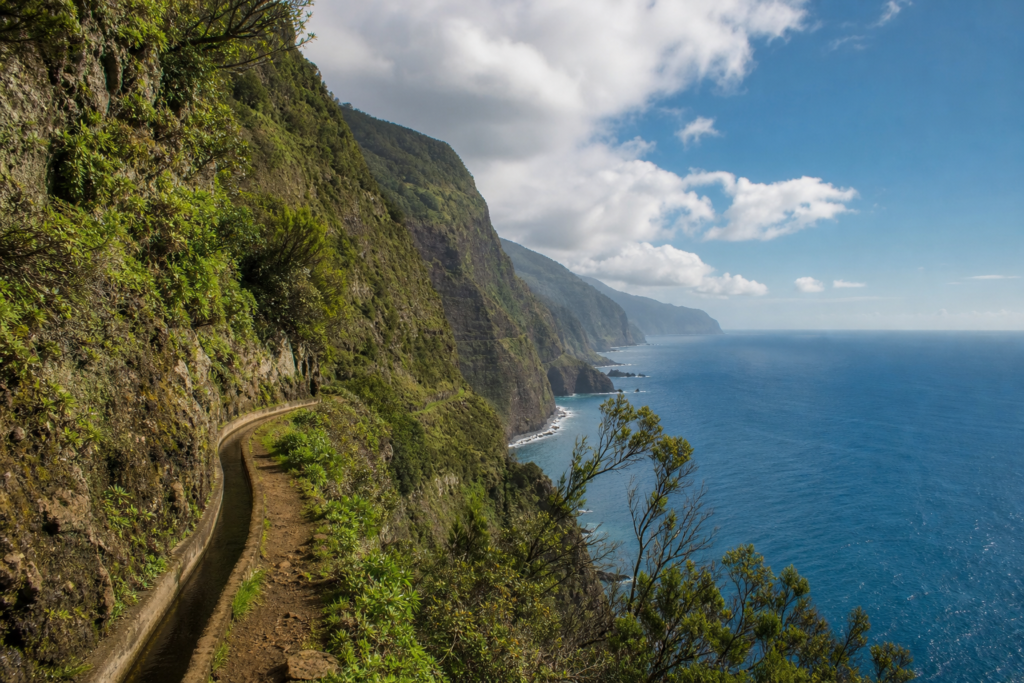
Best for: Hikers and nature lovers
Address: Funchal, Madeira Island
Hours: Levada walks accessible year-round; best in spring/fall
Price: Free (guided tours ~€30–€50)
Madeira is a volcanic island with dramatic landscapes—think rugged peaks, lush forests, and cliffs plunging into the Atlantic. The Levada do Risco walk is a must: it follows an irrigation channel through the Laurissilva forest (a UNESCO site) to a waterfall. For a challenge, hike Pico do Arieiro to Pico Ruivo (7 km, 3–4 hours) for views above the clouds. In Funchal, take the Monte Cable Car (€11 one-way) and then ride the Monte Toboggan (€30) down—a wicker sled steered by two men. It’s touristy but undeniably fun.
Madeira: Levada Walks and Laurissilva Forest earns its place in a guide to best places to visit in portugal because it offers more than a quick photo stop. Travelers usually come here for the mix of atmosphere, memorable sights, and the kind of local experiences that help a destination feel worth the journey.
When planning best places to visit in portugal, add Madeira: Levada Walks and Laurissilva Forest if you want a destination with strong traveler appeal. It pairs well with nearby attractions, slower exploration, and a trip plan that leaves enough time to enjoy the place instead of rushing through it.
8. Coimbra: University City and Fado de Coimbra
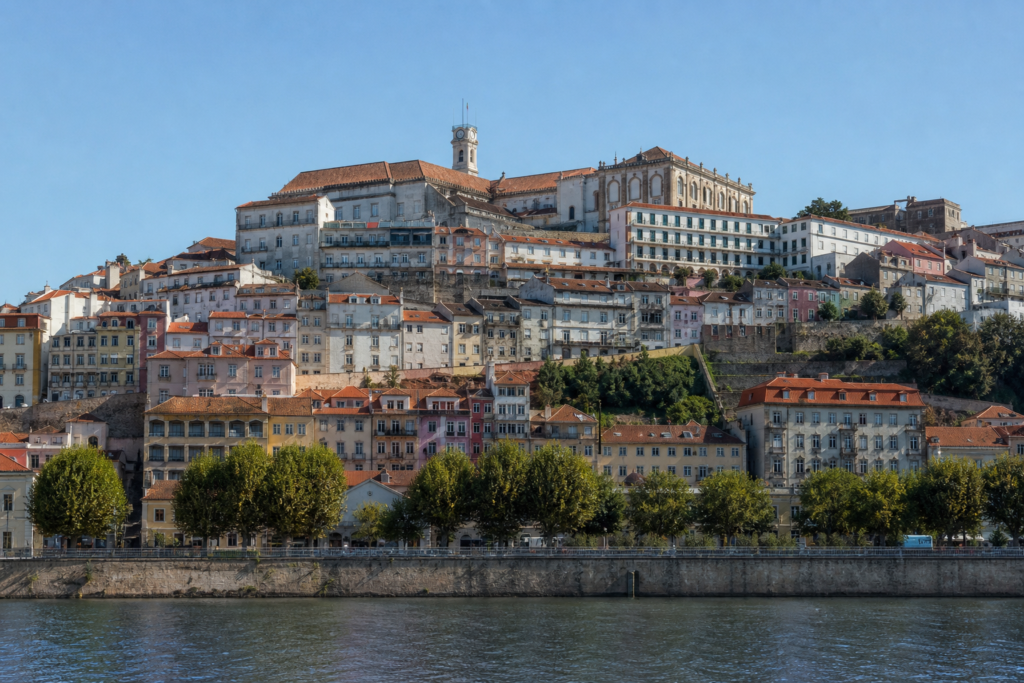
Best for: Students and music lovers
Address: Coimbra University, Coimbra
Hours: University tours 9:30 AM–5 PM
Price: University tour €12; Joanina Library €12 (book ahead)
Coimbra is home to one of Europe’s oldest universities (founded 1290), and its Joanina Library is a baroque masterpiece with gilded bookshelves and resident bats that eat book-eating insects. The Fado de Coimbra is different from Lisbon’s—it’s sung by men in academic robes and has a more serious tone. Catch a performance at Fado ao Centro (€10). Afterward, explore the Alta district’s cobbled streets and grab a pastel de Tentúgal (a flaky pastry) from a local bakery.
Coimbra: University City and Fado de Coimbra earns its place in a guide to best places to visit in portugal because it offers more than a quick photo stop. Travelers usually come here for the mix of atmosphere, memorable sights, and the kind of local experiences that help a destination feel worth the journey.
When planning best places to visit in portugal, add Coimbra: University City and Fado de Coimbra if you want a destination with strong traveler appeal. It pairs well with nearby attractions, slower exploration, and a trip plan that leaves enough time to enjoy the place instead of rushing through it.
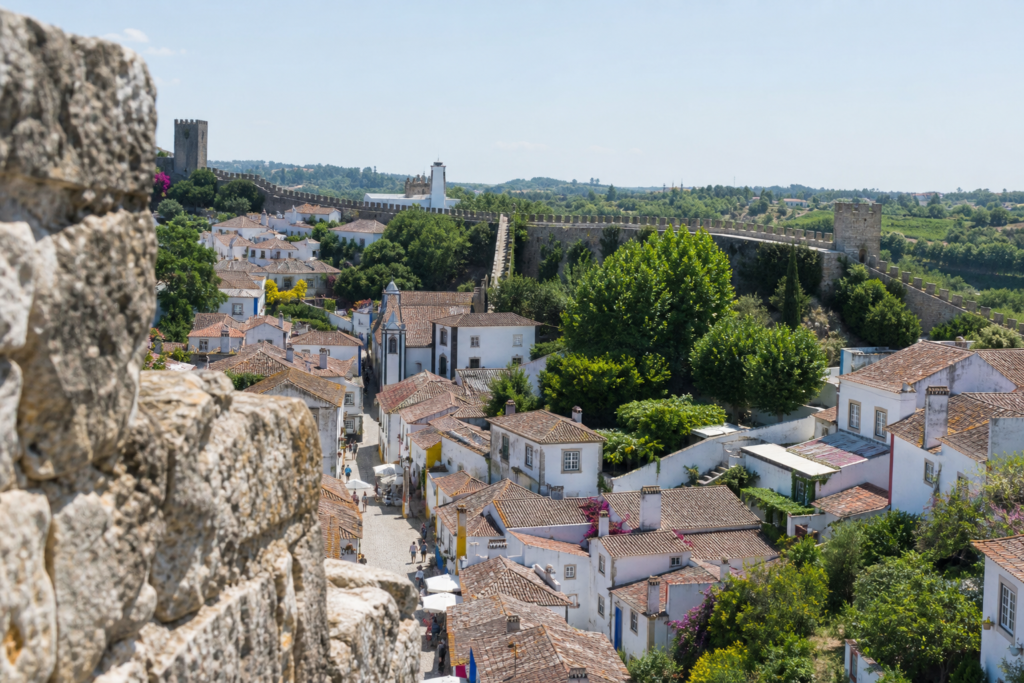
9. Óbidos: Medieval Walls and Ginjinha
Best for: Couples and history lovers
Address: Óbidos, 1 hour north of Lisbon
Hours: Castle open 9 AM–6 PM; town always open
Price: Free to enter; ginjinha ~€2 per shot
Óbidos is a walled medieval town that looks like it popped out of a fairy tale. Walk the castle walls for panoramic views of the surrounding countryside—just watch your step, as there are no railings in some sections. The real treat is ginjinha, a sour cherry liqueur served in a chocolate cup. Grab one from a stall near the main gate and sip it while browsing the shops selling handmade lace and pottery. Visit in July for the Medieval Market, when the town transforms with jousting and feasts.
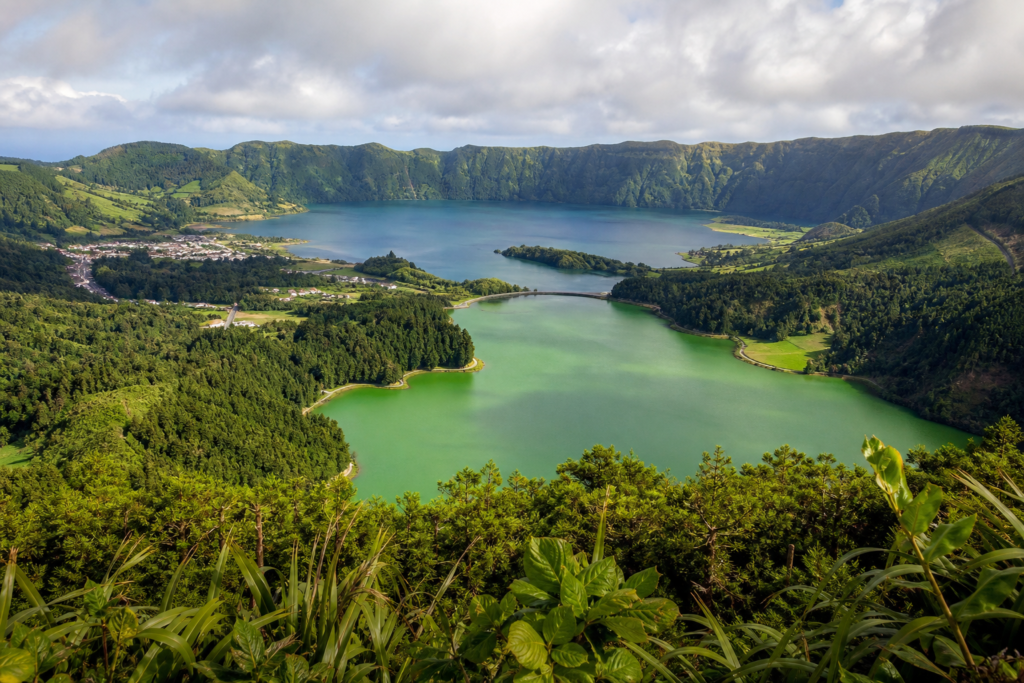
10. Azores: São Miguel’s Sete Cidades and Hot Springs
Best for: Adventurers and wellness seekers
Address: Sete Cidades, São Miguel Island
Hours: Hot springs typically 9 AM–10 PM
Price: Hot springs ~€8–€15; sete cidades viewpoint free
The Azores are an archipelago of volcanic islands in the middle of the Atlantic. São Miguel is the most accessible, and Sete Cidades is its crown jewel—a twin lake (one blue, one green) inside a volcanic crater. Drive to the Vista do Rei viewpoint for the classic shot, then hike down to the lake shore. Afterward, soak in the Poça da Dona Beija hot springs in Furnas (€8), where iron-rich water bubbles at 39°C (102°F). The Azores are less touristy than Madeira but equally stunning. Book flights early; they fill up fast.
11. Braga: Portugal’s Religious Heart

Best for: Pilgrims and architecture enthusiasts
Address: Bom Jesus do Monte, Braga
Hours: Sanctuary open 8 AM–8 PM
Price: Funicular €1.50 one-way; sanctuary free
Braga is Portugal’s oldest city and a center of religious devotion. Bom Jesus do Monte is a baroque sanctuary with a zigzagging staircase that symbolizes the Stations of the Cross. Take the funicular (one of the oldest in the world) to the top to save your knees. The view of Braga from the top is breathtaking. Inside the city, visit Braga Cathedral (free) and wander the Santa Barbara Garden for a peaceful break. Braga is also known for its codfish cakes—try them at Café Vianna.
Braga: Portugal’s Religious Heart earns its place in a guide to best places to visit in portugal because it offers more than a quick photo stop. Travelers usually come here for the mix of atmosphere, memorable sights, and the kind of local experiences that help a destination feel worth the journey.
When planning best places to visit in portugal, add Braga: Portugal’s Religious Heart if you want a destination with strong traveler appeal. It pairs well with nearby attractions, slower exploration, and a trip plan that leaves enough time to enjoy the place instead of rushing through it.
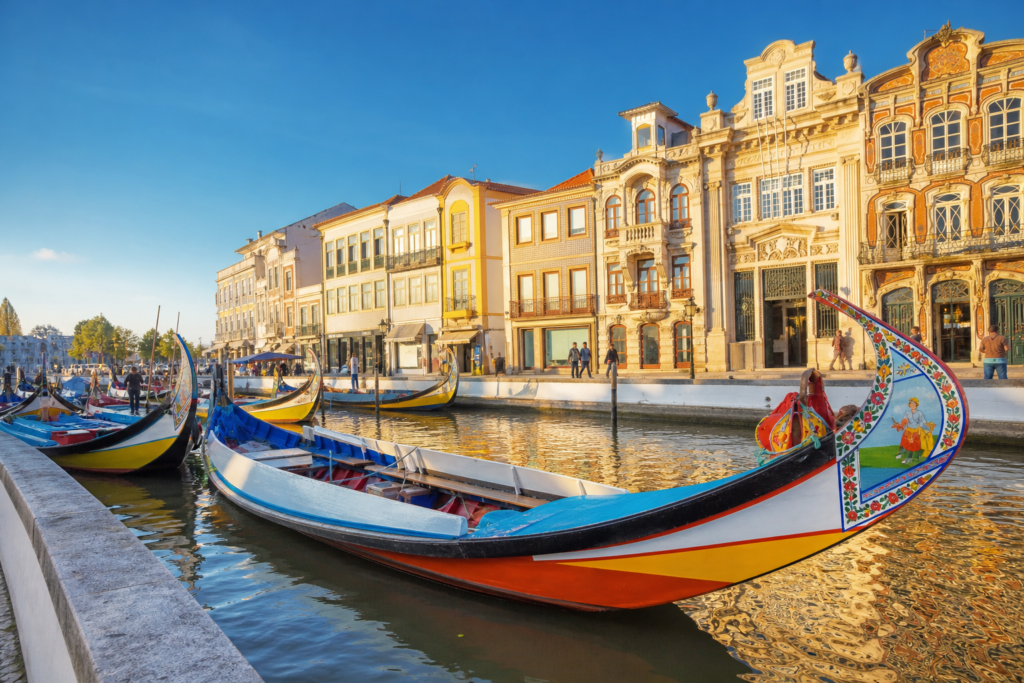
12. Aveiro: The Venice of Portugal
Best for: Families and canal lovers
Address: Aveiro, 1 hour south of Porto
Hours: Moliceiro boats 10 AM–6 PM
Price: Boat tour ~€10–€15 per person
Aveiro is a charming city of canals, colorful boats (moliceiros), and Art Nouveau buildings. Take a 45-minute moliceiro boat tour through the canals—the guides point out historic mansions and explain the region’s salt and seaweed history. Afterward, visit the Aveiro Museum (€5) housed in a former convent. Don’t leave without trying ovos moles, a sweet egg yolk treat wrapped in wafer-thin pastry. The city is flat and walkable, making it perfect for a relaxed day trip from Porto.
Aveiro: The Venice of Portugal earns its place in a guide to best places to visit in portugal because it offers more than a quick photo stop. Travelers usually come here for the mix of atmosphere, memorable sights, and the kind of local experiences that help a destination feel worth the journey.
When planning best places to visit in portugal, add Aveiro: The Venice of Portugal if you want a destination with strong traveler appeal. It pairs well with nearby attractions, slower exploration, and a trip plan that leaves enough time to enjoy the place instead of rushing through it.
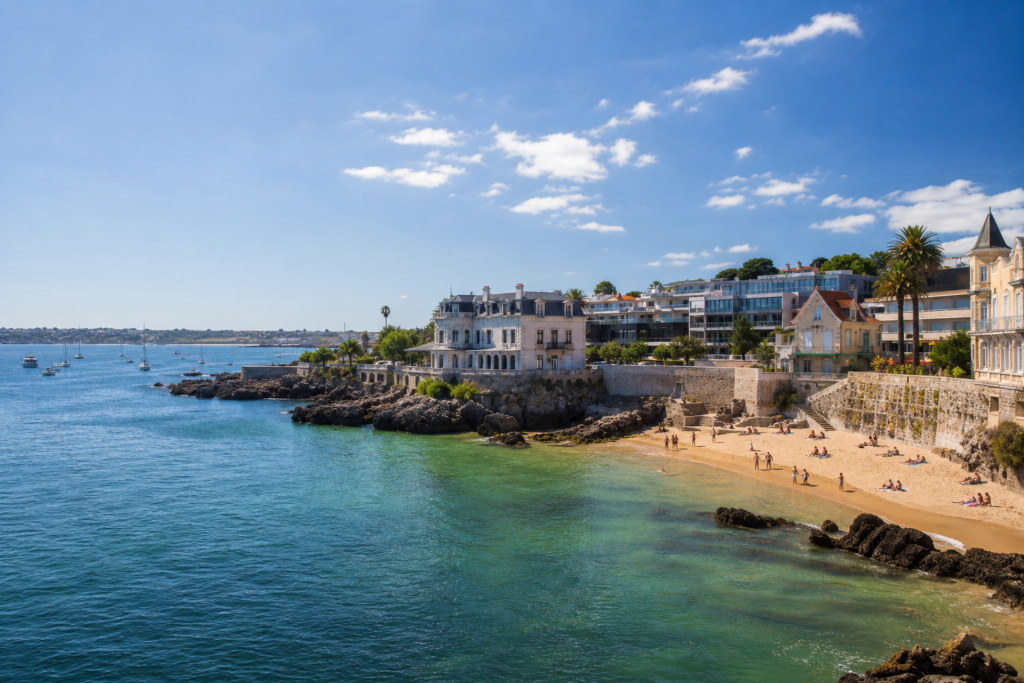
13. Cascais: Coastal Chic and Boca do Inferno
Best for: Beach lovers and day-trippers
Address: Cascais, 30 minutes from Lisbon
Hours: Beach and cliff walk always open
Price: Free to explore; seafood restaurants ~€20–€40
Cascais is Lisbon’s stylish seaside escape. The Boca do Inferno (Hell’s Mouth) is a dramatic sea cave where waves crash through a gap in the cliffs—go at high tide for the best show. The town itself is full of pastel-colored mansions and a marina where you can spot yachts. For lunch, head to Mar do Inferno for grilled fish with a view of the cliffs. The Cascais to Guincho coastal walk (6 km) is a stunner, passing dunes and windswept beaches. Take the train from Lisbon’s Cais do Sodré station (€2.30, 40 minutes).
14. Serra da Estrela: Portugal’s Highest Peak
Best for: Hikers and winter sports fans
Address: Torre, Serra da Estrela Natural Park
Hours: Accessible year-round; snow in winter
Price: Free; cable car €8
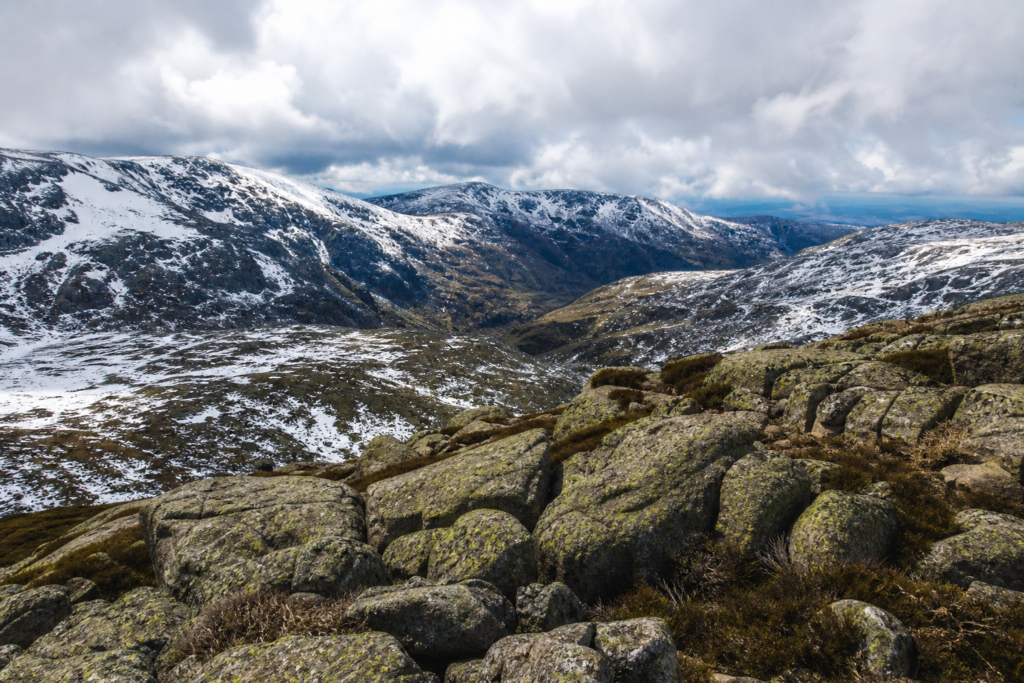
Serra da Estrela is Portugal’s highest mountain range, with Torre peak reaching 1,993 meters (6,539 feet). In winter, it’s the only place in Portugal where you can ski—though the runs are short (max 1 km). In summer, it’s a hiker’s paradise with trails through glacial valleys and granite outcrops. The Vale do Rossim is a beautiful glacial lake for a picnic. Don’t miss the Serra da Estrela cheese (DOP protected) and queijo da serra—a creamy, buttery delight. The drive from Coimbra takes about 2 hours.
Serra da Estrela: Portugal’s Highest Peak earns its place in a guide to best places to visit in portugal because it offers more than a quick photo stop. Travelers usually come here for the mix of atmosphere, memorable sights, and the kind of local experiences that help a destination feel worth the journey.
When planning best places to visit in portugal, add Serra da Estrela: Portugal’s Highest Peak if you want a destination with strong traveler appeal. It pairs well with nearby attractions, slower exploration, and a trip plan that leaves enough time to enjoy the place instead of rushing through it.
15. Tavira: The Algarve’s Undiscovered Gem
Best for: Relaxed travelers and seafood lovers
Address: Tavira, Eastern Algarve
Hours: Castle open 9 AM–6 PM
Price: Castle free; ferry to Ilha de Tavira ~€2.50
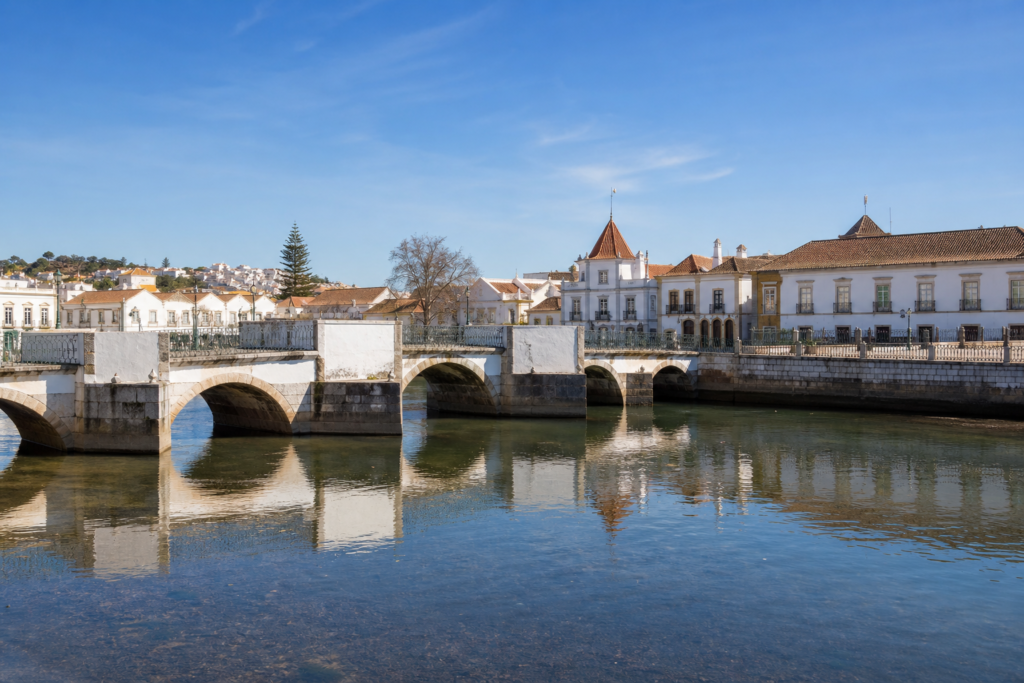
While the western Algarve gets the crowds, Tavira offers a quieter, more authentic experience. The Roman Bridge crosses the Gilão River, flanked by whitewashed houses and churches. Climb the Castle of Tavira for views over the town and salt pans where flamingos feed. Take the ferry to Ilha de Tavira (a barrier island) for pristine beaches with fine sand and clear water—it’s a 20-minute ride and feels like a tropical escape. For dinner, try O Tonel for grilled octopus and cataplana (seafood stew). Tavira is perfect for a slow-paced Algarve visit.
—
Conclusion
Portugal in 2026 is more accessible than ever, with new direct flights from the US and improved rail links between major cities. The best places to visit in Portugal cater to every kind of traveler—from the historic streets of Lisbon and Porto to the volcanic landscapes of the Azores and the golden cliffs of the Algarve. My advice? Don’t try to do it all. Pick three or four regions and savor them. Spend a week in the Algarve for beaches, three days in Lisbon with a day trip to Sintra, and another three in Porto with a Douro Valley excursion. That’s a trip that’ll leave you dreaming of pastéis de nata and port wine long after you’ve returned home. Pack comfortable shoes, a sense of adventure, and an empty stomach—Portugal is waiting.
—
similar posts
Best Time to Visit Machu Picchu in 2026
Where to Stay in San Diego in 2026: Best Neighborhoods & Hotels
17 Essential Travel Photography Tips for 2026: Capture Your Adventures Like a Pro
The Ultimate Guide to the Top 10 Places to Visit in the World in 2026
15 Essential Business Travel Tips for 2026: Work Smarter on the Road
15 Must-See Places to Visit in the US in 2026