
The 15 Best Places to Visit in Spain in 2026


Planning a trip to Spain can feel overwhelming with so many incredible destinations to choose from. After exploring this vibrant country extensively, I can tell you that the best places to visit in Spain in 2026 offer a perfect mix of world-famous landmarks and hidden local treasures. Whether you’re chasing flamenco in Seville or pintxos in San Sebastián, this guide covers everything from bustling cities to sleepy coastal villages.
The Best Places to Visit in Spain for Every Traveler
1. Barcelona
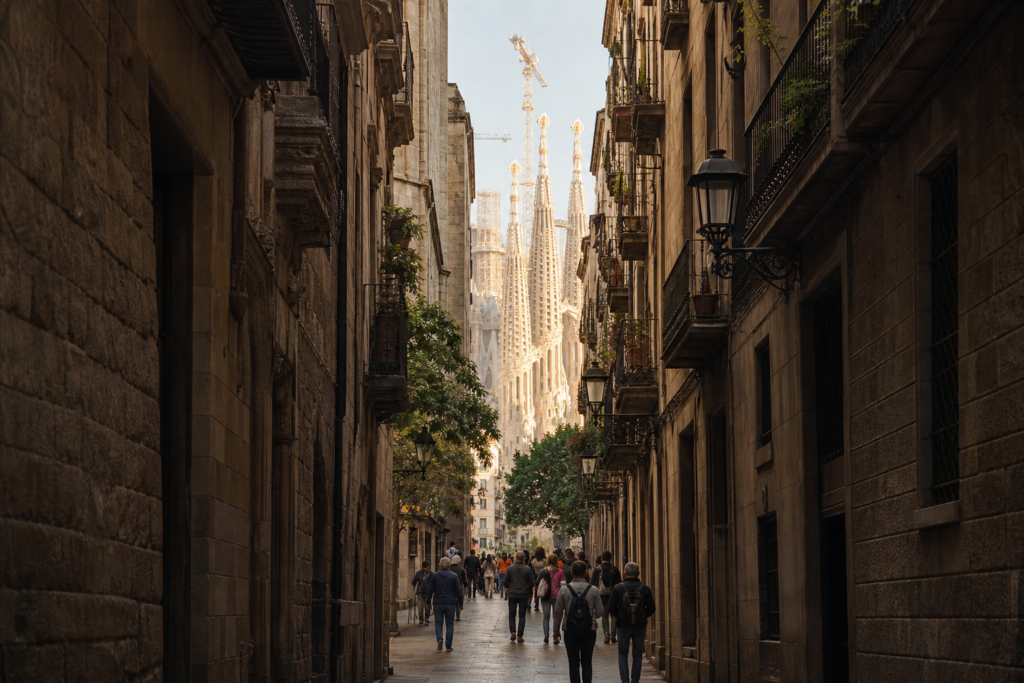
Barcelona is the city that has it all—Gaudí’s whimsical masterpieces, a lively beach scene, and a food culture that’ll make you want to move here. Start your day at La Sagrada Familia, Gaudí’s unfinished basilica that still blows my mind every time I visit. Address: Carrer de Mallorca, 401. Hours: 9:00 AM–8:00 PM daily. Price: €26 for general admission. Afterward, wander through Park Güell (€10) for stunning city views, then hit Barceloneta Beach for a swim and some patatas bravas at a chiringuito. Don’t miss the Boqueria Market on La Rambla—grab a jamón ibérico cone and watch the chaos unfold. For dinner, head to El Born neighborhood for authentic tapas at Cal Pep (expect a wait, but it’s worth it). Pro tip: book tickets for Sagrada Familia at least two weeks in advance.
2. Madrid
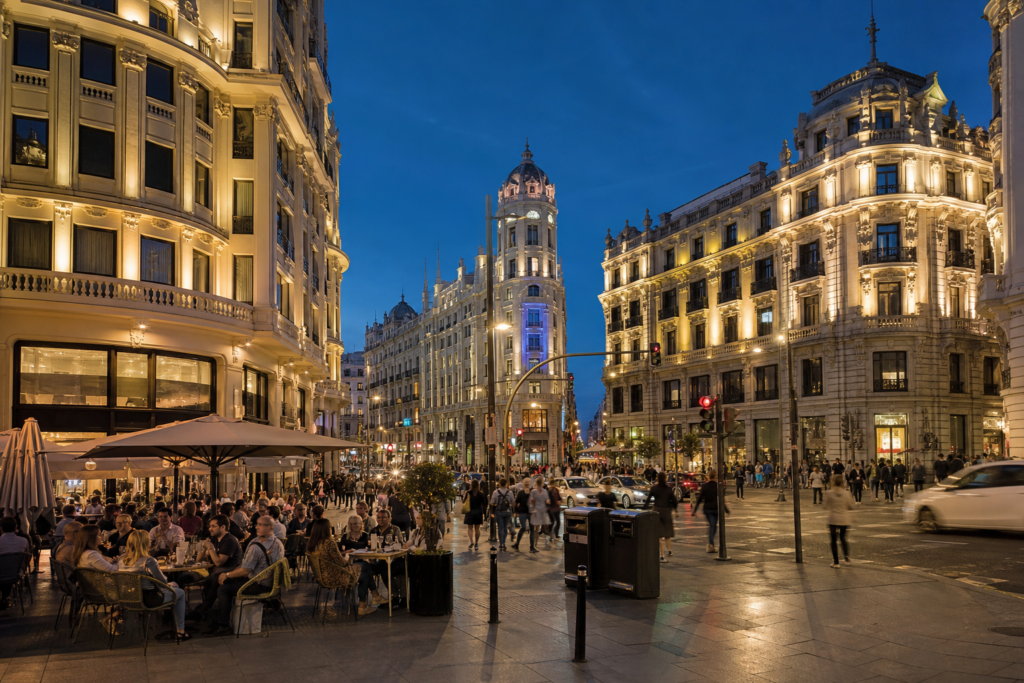
Spain’s capital is a powerhouse of world-class museums and nonstop energy. The Prado Museum houses Goya, Velázquez, and El Greco—Address: Paseo del Prado, s/n. Hours: 10:00 AM–8:00 PM (Mon–Sat), Sundays until 7:00 PM. Price: €15 general admission, free after 6:00 PM. Spend an afternoon in Retiro Park, renting a rowboat on the lake (€6 per hour). For food, Mercado de San Miguel is touristy but fun for sampling, though I prefer Casa Toni for authentic, no-frills tapas. At night, the Malasaña neighborhood comes alive with cocktail bars and live music. Insider tip: visit the Royal Palace (€12) on a weekday morning to avoid crowds.
Madrid earns its place in a guide to best places to visit in spain because it offers more than a quick photo stop. Travelers usually come here for the mix of atmosphere, memorable sights, and the kind of local experiences that help a destination feel worth the journey.
When planning best places to visit in spain, add Madrid if you want a destination with strong traveler appeal. It pairs well with nearby attractions, slower exploration, and a trip plan that leaves enough time to enjoy the place instead of rushing through it.
3. Seville
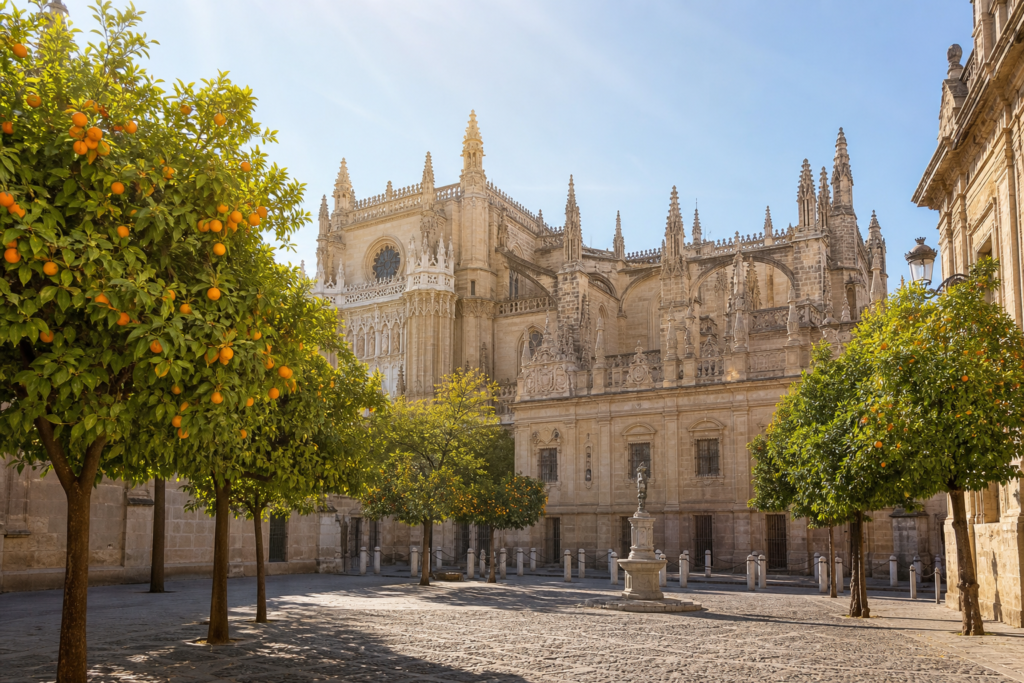
Seville oozes romance with its orange-tree-lined streets and Moorish architecture. The Alcázar of Seville is a stunning royal palace where Game of Thrones was filmed—Address: Patio de Banderas, s/n. Hours: 9:30 AM–5:00 PM (Oct–Mar), until 7:00 PM (Apr–Sep). Price: €13.50. Climb the Giralda Tower for panoramic views, then explore the Santa Cruz neighborhood’s narrow alleys. For authentic flamenco, skip the touristy tablaos and head to Casa de la Memoria (€18 for a one-hour show). Don’t leave without trying salmorejo (cold tomato soup) and pescaíto frito (fried fish) at El Rinconcillo, the city’s oldest bar. The Plaza de España is free and breathtaking at sunset.
Seville earns its place in a guide to best places to visit in spain because it offers more than a quick photo stop. Travelers usually come here for the mix of atmosphere, memorable sights, and the kind of local experiences that help a destination feel worth the journey.
When planning best places to visit in spain, add Seville if you want a destination with strong traveler appeal. It pairs well with nearby attractions, slower exploration, and a trip plan that leaves enough time to enjoy the place instead of rushing through it.
4. Granada
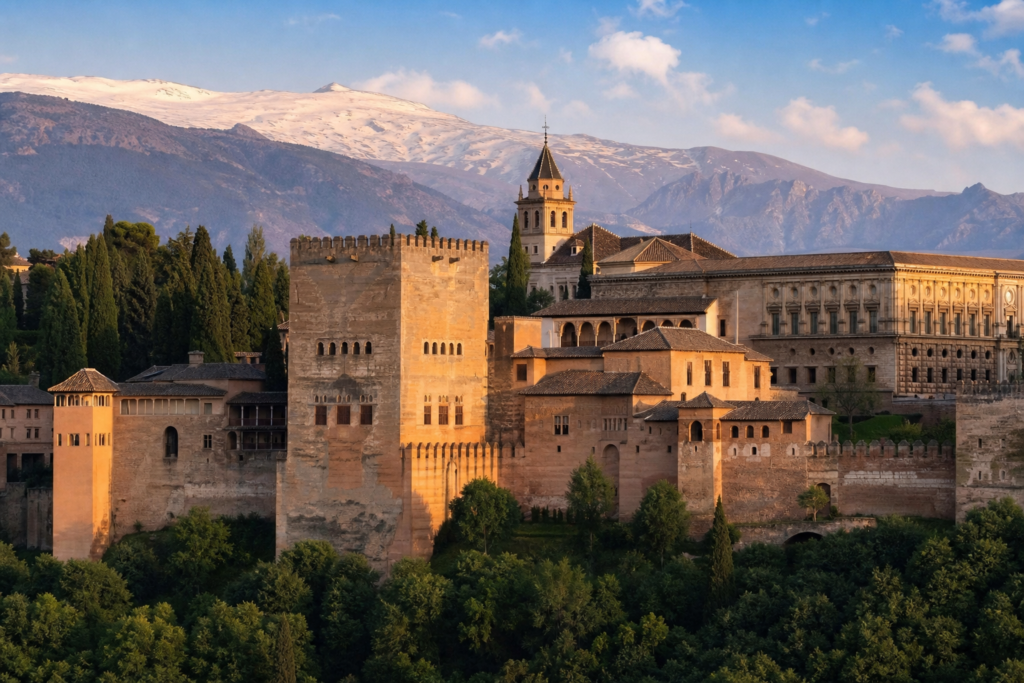
Granada is home to the magnificent Alhambra, a UNESCO World Heritage site that’s worth planning your entire trip around. Address: Calle Real de la Alhambra, s/n. Hours: 8:30 AM–8:00 PM (Apr–Oct), 8:30 AM–6:00 PM (Nov–Mar). Price: €14.85 general admission. Book tickets months ahead—they sell out fast. The Albaicín neighborhood offers free miradors with postcard views of the Alhambra, especially at sunset from Mirador de San Nicolás. Granada’s claim to fame? Free tapas with every drink—order a beer and get a small plate of food included. Try Bodegas Castañeda for traditional vibes. The Sierra Nevada mountains are just 45 minutes away for skiing in winter.
Granada earns its place in a guide to best places to visit in spain because it offers more than a quick photo stop. Travelers usually come here for the mix of atmosphere, memorable sights, and the kind of local experiences that help a destination feel worth the journey.
When planning best places to visit in spain, add Granada if you want a destination with strong traveler appeal. It pairs well with nearby attractions, slower exploration, and a trip plan that leaves enough time to enjoy the place instead of rushing through it.
5. Valencia
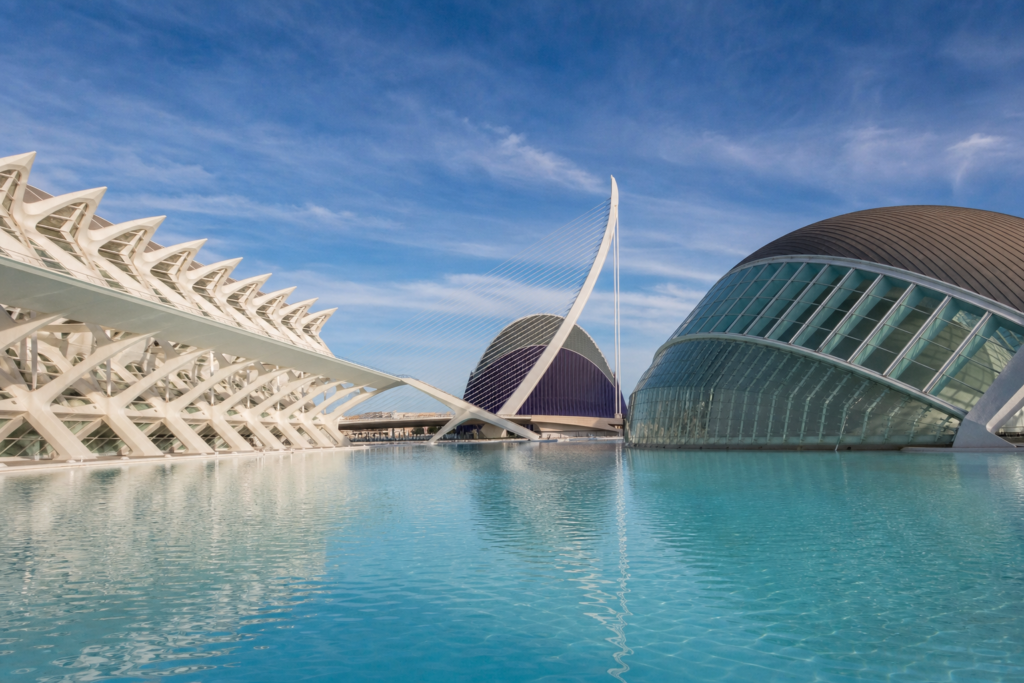
Valencia gave the world paella, and the city itself is a feast for the senses. The City of Arts and Sciences is a futuristic complex designed by Santiago Calatrava—Address: Avenida del Professor López Piñero, 1. Hours: Vary by attraction. Price: €8–€32 depending on what you visit. The Oceanogràfic aquarium (€31.60) is Europe’s largest. For authentic paella, skip tourist traps and go to La Pepica on the beach (€20–€25 per person). The Mercado Central is a gorgeous Art Nouveau building where locals shop for produce. Valencia’s beaches are wide and sandy—Malvarrosa Beach is perfect for a lazy afternoon. The Turia Park, a former riverbed turned green space, is ideal for biking.
Valencia earns its place in a guide to best places to visit in spain because it offers more than a quick photo stop. Travelers usually come here for the mix of atmosphere, memorable sights, and the kind of local experiences that help a destination feel worth the journey.
When planning best places to visit in spain, add Valencia if you want a destination with strong traveler appeal. It pairs well with nearby attractions, slower exploration, and a trip plan that leaves enough time to enjoy the place instead of rushing through it.
6. San Sebastián
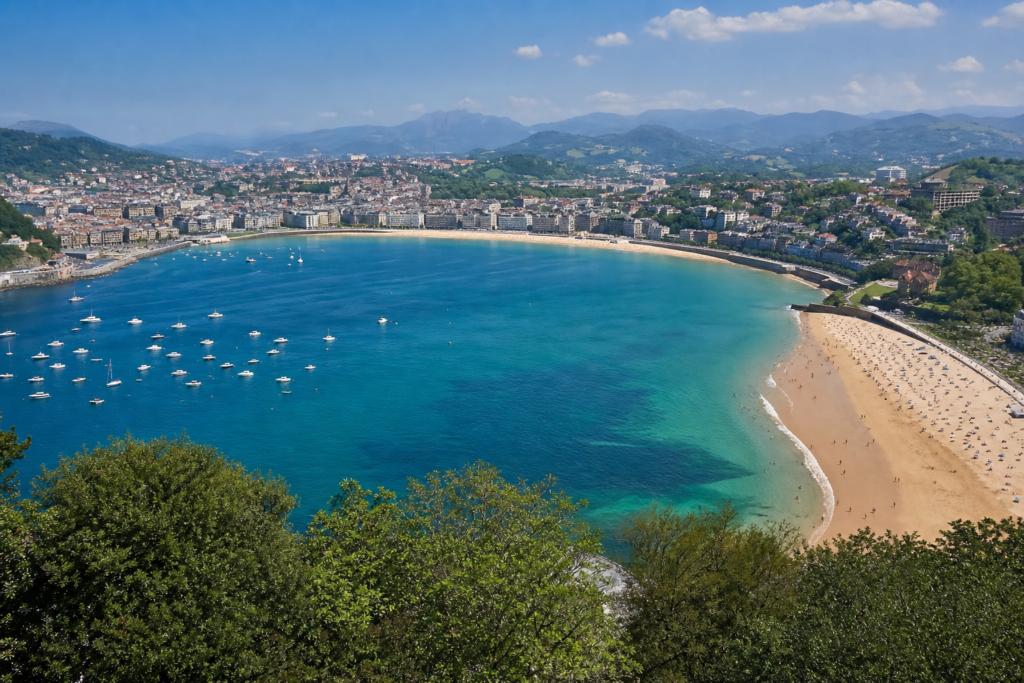
San Sebastián is a Basque gem with three stunning beaches and a food scene that rivals any city in Europe. La Concha Beach is the star—a crescent-shaped bay with calm waters. The old town is packed with pintxos bars where you hop from one to another, trying bite-sized masterpieces. Bar Nestor is famous for its steak and tomato salad, while Ganbara serves incredible mushrooms and seafood. Address: Old Town, various locations. Price: €2–€5 per pintxo. The Monte Igueldo funicular (€3.15) offers panoramic views. For a splurge, book a meal at Arzak (€150+), one of Spain’s best restaurants. The Basque coast is also great for surfing.
San Sebastián earns its place in a guide to best places to visit in spain because it offers more than a quick photo stop. Travelers usually come here for the mix of atmosphere, memorable sights, and the kind of local experiences that help a destination feel worth the journey.
When planning best places to visit in spain, add San Sebastián if you want a destination with strong traveler appeal. It pairs well with nearby attractions, slower exploration, and a trip plan that leaves enough time to enjoy the place instead of rushing through it.
7. Bilbao
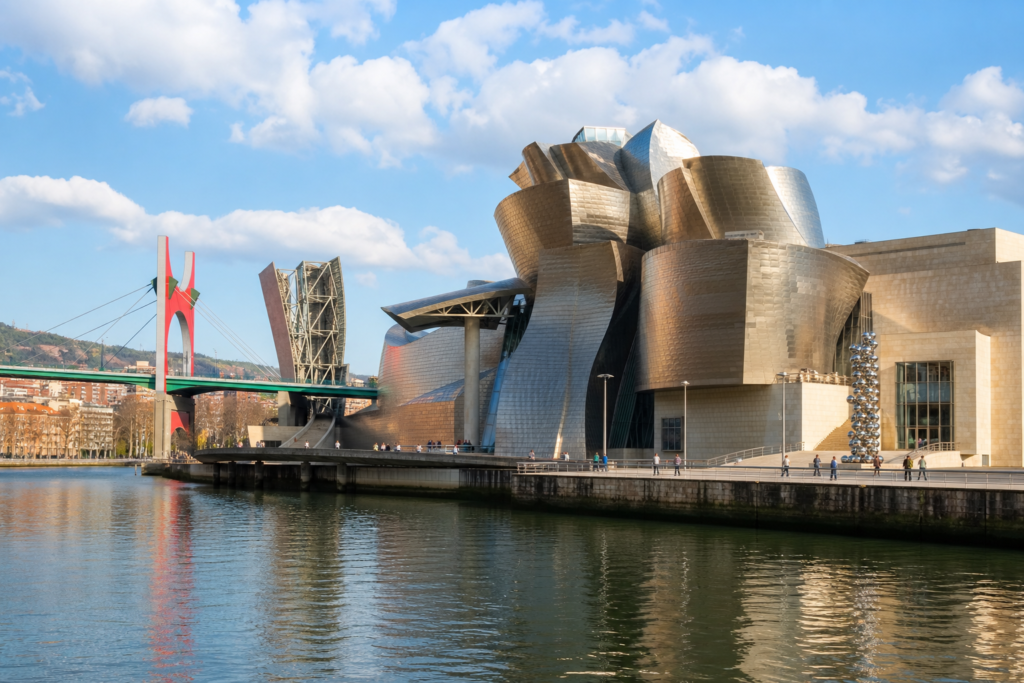
Bilbao transformed from an industrial city to a cultural hotspot thanks to the Guggenheim Museum. Frank Gehry’s titanium masterpiece is worth the trip alone—Address: Avenida Abandoibarra, 2. Hours: 10:00 AM–7:00 PM (Tue–Sun). Price: €13 online, €15 at the door. Inside, you’ll find modern art, but the building itself is the main attraction. The Casco Viejo (old town) has seven streets packed with bars and shops—try pintxos at Café Iruña. The Funicular de Artxanda (€4.50 round trip) takes you to a hilltop with great views. Don’t miss the Mercado de la Ribera, Europe’s largest covered market. Bilbao is more affordable than San Sebastián and just as delicious.
Bilbao earns its place in a guide to best places to visit in spain because it offers more than a quick photo stop. Travelers usually come here for the mix of atmosphere, memorable sights, and the kind of local experiences that help a destination feel worth the journey.
When planning best places to visit in spain, add Bilbao if you want a destination with strong traveler appeal. It pairs well with nearby attractions, slower exploration, and a trip plan that leaves enough time to enjoy the place instead of rushing through it.
8. Mallorca
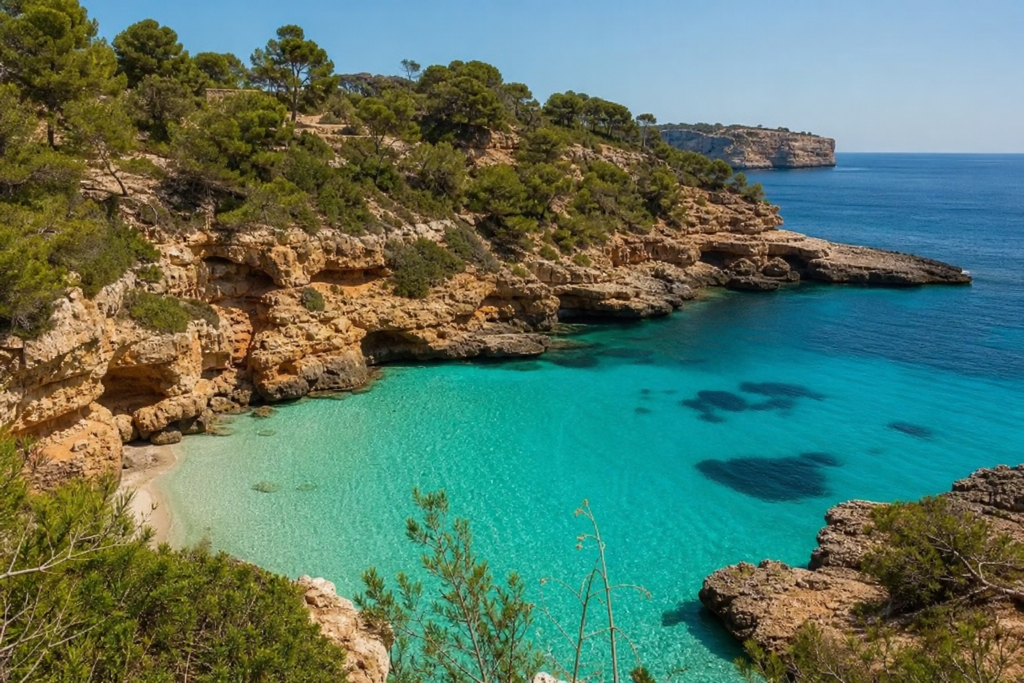
Mallorca, the largest Balearic island, offers everything from turquoise coves to mountain hikes. Cala Mondragó is a gorgeous beach in a nature reserve—free entry, but parking fills up by 10 AM. The Serra de Tramuntana mountains are a UNESCO World Heritage site with hiking trails like the Dry Stone Route. Palma de Mallorca has a stunning cathedral, La Seu, and the Mercat de l’Olivar for local food. For a quieter experience, head to Deià, a charming village where poets and artists once lived. Rent a car to explore hidden coves like Cala Varques (free, no facilities). The island is perfect for a week-long trip.
Mallorca earns its place in a guide to best places to visit in spain because it offers more than a quick photo stop. Travelers usually come here for the mix of atmosphere, memorable sights, and the kind of local experiences that help a destination feel worth the journey.
When planning best places to visit in spain, add Mallorca if you want a destination with strong traveler appeal. It pairs well with nearby attractions, slower exploration, and a trip plan that leaves enough time to enjoy the place instead of rushing through it.
9. Ibiza
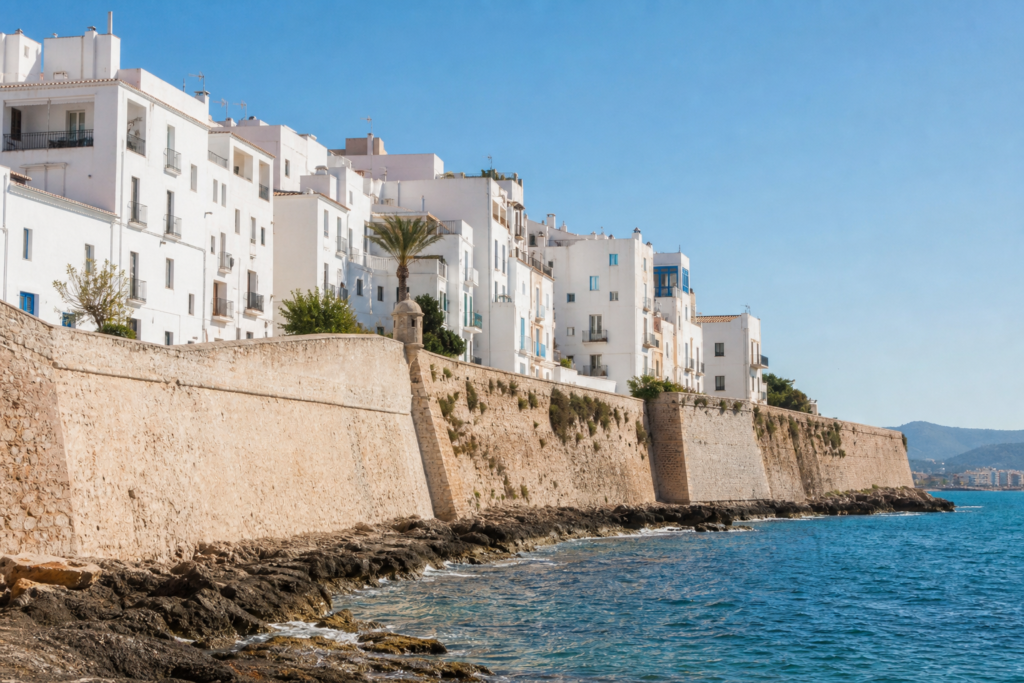
Ibiza is famous for its nightclubs, but there’s so much more to this Balearic island. Dalt Vila, the old town, is a UNESCO World Heritage site with cobblestone streets and sea views—free to explore. Cala Comte has crystal-clear water and stunning sunsets. For clubbing, Amnesia, Pacha, and Ushuaïa are legendary (€40–€80 entry). But Ibiza also has a quieter side—try yoga retreats in the north or visit Santa Gertrudis for bohemian vibes. The Es Vedrà rock formation is mystical at sunset. Prices are high in summer—visit in June or September for better deals.
Ibiza earns its place in a guide to best places to visit in spain because it offers more than a quick photo stop. Travelers usually come here for the mix of atmosphere, memorable sights, and the kind of local experiences that help a destination feel worth the journey.
When planning best places to visit in spain, add Ibiza if you want a destination with strong traveler appeal. It pairs well with nearby attractions, slower exploration, and a trip plan that leaves enough time to enjoy the place instead of rushing through it.
10. Canary Islands (Tenerife & Gran Canaria)
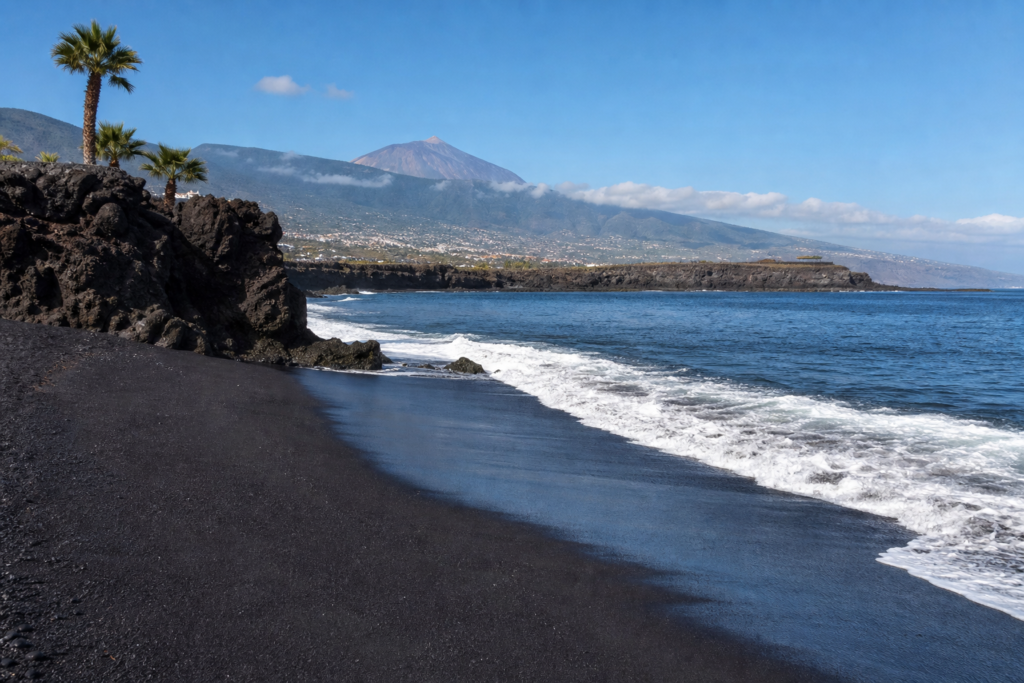
The Canary Islands offer year-round sunshine and volcanic landscapes. Tenerife has Mount Teide, Spain’s highest peak (3,718 meters)—take the cable car (€38 round trip) for otherworldly views. Address: Parque Nacional del Teide. Hours: 9:00 AM–5:00 PM. Price: €38 cable car. Gran Canaria has Maspalomas Dunes, a desert-like landscape by the beach—free to visit. The islands are perfect for hiking, whale watching, and relaxing on black sand beaches. Loro Parque in Tenerife is a top zoo (€38). For local food, try papas arrugadas (wrinkled potatoes) with mojo sauce.
Canary Islands (Tenerife & Gran Canaria) earns its place in a guide to best places to visit in spain because it offers more than a quick photo stop. Travelers usually come here for the mix of atmosphere, memorable sights, and the kind of local experiences that help a destination feel worth the journey.
When planning best places to visit in spain, add Canary Islands (Tenerife & Gran Canaria) if you want a destination with strong traveler appeal. It pairs well with nearby attractions, slower exploration, and a trip plan that leaves enough time to enjoy the place instead of rushing through it.
11. Córdoba
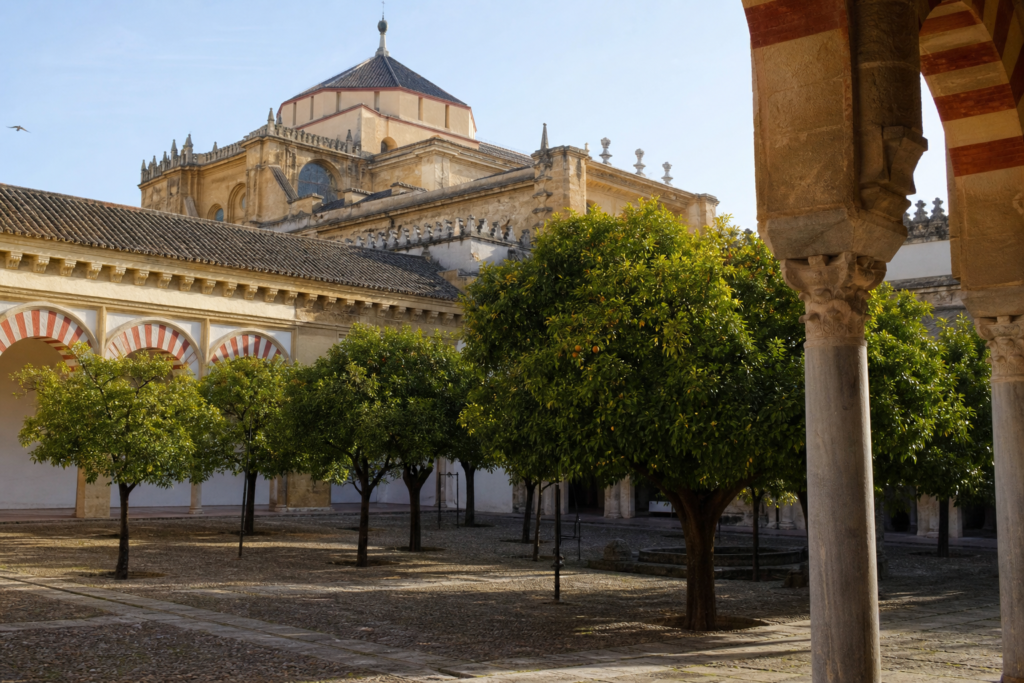
Córdoba is a small city with a massive historical punch. The Mezquita-Catedral is a breathtaking mosque-cathedral with 856 columns—Address: Calle Cardenal Herrero, 1. Hours: 10:00 AM–7:00 PM (Mon–Sat), 8:30 AM–11:30 AM (Sun). Price: €11. The Patios of Córdoba are colorful courtyards that bloom in May during the Patio Festival—free to visit otherwise. The Jewish Quarter has whitewashed streets and the Sinagoga (€0.30). Córdoba is walkable and affordable—try salmorejo at Casa Pepe de la Judería. The city is less crowded than Seville but just as charming.
Córdoba earns its place in a guide to best places to visit in spain because it offers more than a quick photo stop. Travelers usually come here for the mix of atmosphere, memorable sights, and the kind of local experiences that help a destination feel worth the journey.
When planning best places to visit in spain, add Córdoba if you want a destination with strong traveler appeal. It pairs well with nearby attractions, slower exploration, and a trip plan that leaves enough time to enjoy the place instead of rushing through it.
12. Santiago de Compostela
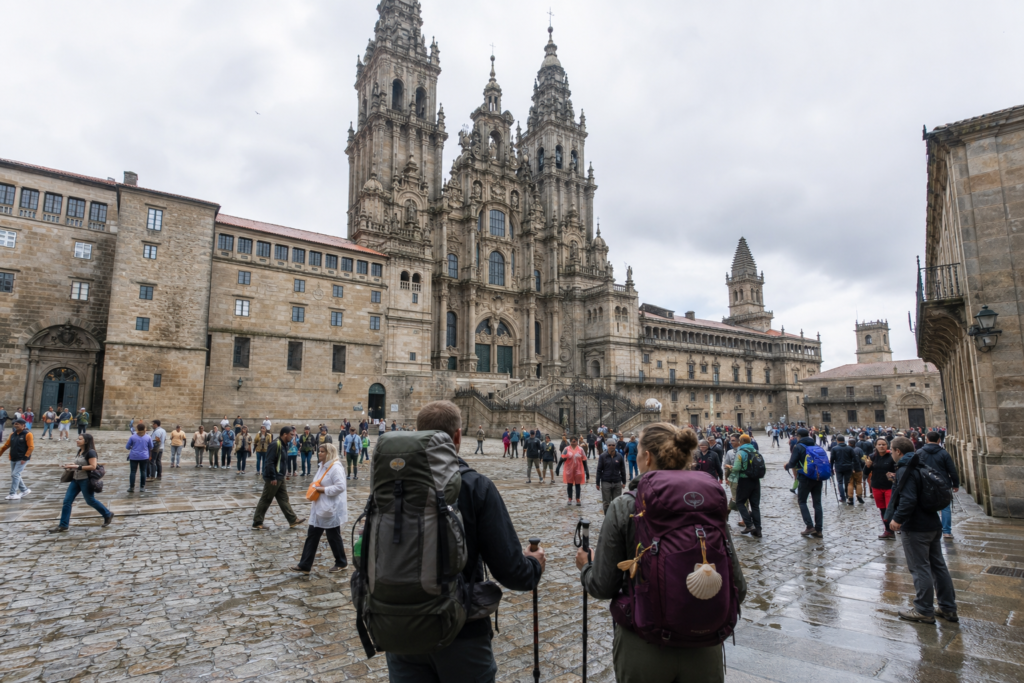
Santiago de Compostela is the end point of the famous Camino de Santiago pilgrimage. The Cathedral of Santiago is a Romanesque masterpiece—Address: Praza do Obradoiro, s/n. Hours: 7:00 AM–8:30 PM daily. Price: Free entry, museum €6. The Old Town is a UNESCO World Heritage site with narrow streets and arcaded squares. Try pulpo a la gallega (Galician octopus) at Casa Marcelo (€15–€20). The Museo do Pobo Galego (€3) explores Galician culture. Even if you’re not religious, the energy of pilgrims arriving is moving. The surrounding Galicia region has lush green landscapes and rugged coastline.
Santiago de Compostela earns its place in a guide to best places to visit in spain because it offers more than a quick photo stop. Travelers usually come here for the mix of atmosphere, memorable sights, and the kind of local experiences that help a destination feel worth the journey.
When planning best places to visit in spain, add Santiago de Compostela if you want a destination with strong traveler appeal. It pairs well with nearby attractions, slower exploration, and a trip plan that leaves enough time to enjoy the place instead of rushing through it.
13. Ronda
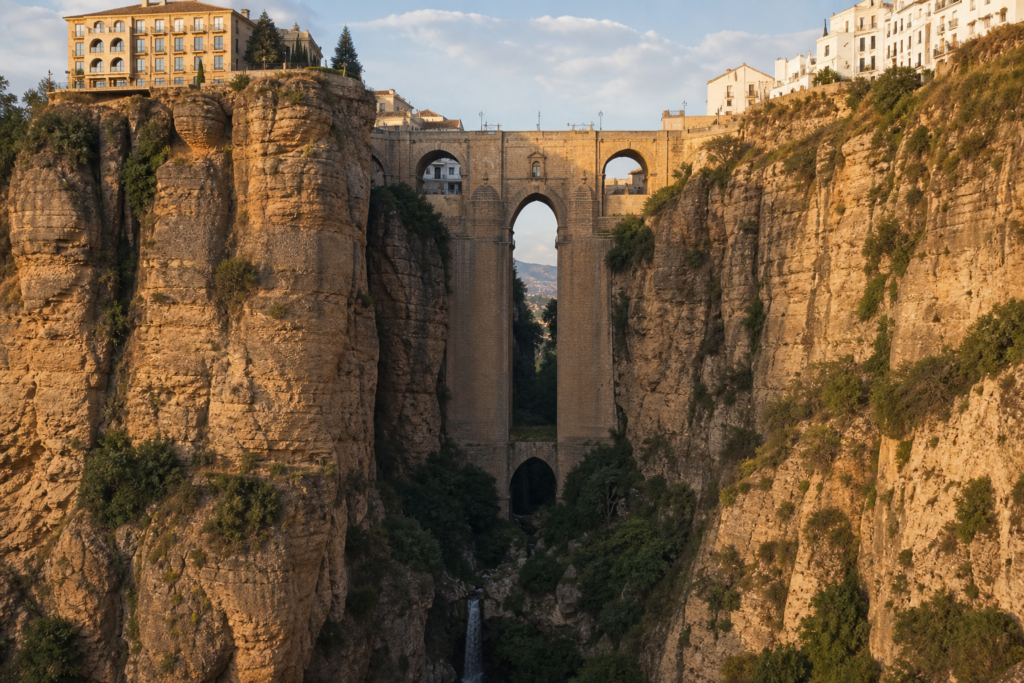
Ronda is a dramatic cliffside town in Andalusia with a famous bridge that spans a 120-meter gorge. Puente Nuevo is the main attraction—free to walk across, with stunning views. The Ronda Bullring is one of Spain’s oldest (€8.50). For adventure, try canyoning in the gorge or hiking the Caminito del Rey (€10), a cliffside walkway 100 meters above a river—Address: Ardales, Málaga. Hours: 9:30 AM–5:00 PM (winter), until 7:00 PM (summer). Price: €10. Ronda is perfect for a day trip from Seville or Málaga. The Serranía de Ronda region is great for hiking and wine tasting.
Ronda earns its place in a guide to best places to visit in spain because it offers more than a quick photo stop. Travelers usually come here for the mix of atmosphere, memorable sights, and the kind of local experiences that help a destination feel worth the journey.
When planning best places to visit in spain, add Ronda if you want a destination with strong traveler appeal. It pairs well with nearby attractions, slower exploration, and a trip plan that leaves enough time to enjoy the place instead of rushing through it.
14. Toledo
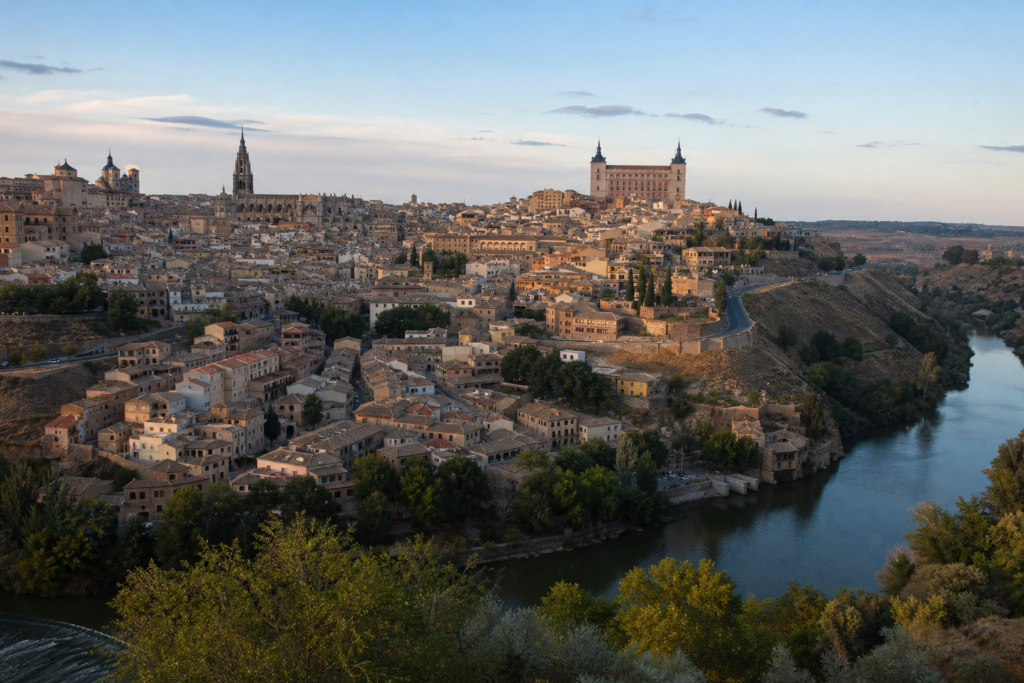
Toledo, just an hour from Madrid, is a medieval city on a hill surrounded by the Tagus River. The Toledo Cathedral is a Gothic masterpiece—Address: Calle Cardenal Cisneros, 1. Hours: 10:00 AM–6:30 PM (Mon–Sat), 2:00 PM–6:30 PM (Sun). Price: €12.50. The Alcázar is a fortress with military history (€5). Toledo is famous for Mazapán (marzipan) and Damascene jewelry. The El Greco Museum (€3) honors the city’s most famous artist. Toledo is walkable but hilly—wear comfortable shoes. It’s a perfect day trip from Madrid by train (30 minutes, €12).
Toledo earns its place in a guide to best places to visit in spain because it offers more than a quick photo stop. Travelers usually come here for the mix of atmosphere, memorable sights, and the kind of local experiences that help a destination feel worth the journey.
When planning best places to visit in spain, add Toledo if you want a destination with strong traveler appeal. It pairs well with nearby attractions, slower exploration, and a trip plan that leaves enough time to enjoy the place instead of rushing through it.
15. Málaga

Málaga, on the Costa del Sol, is Picasso’s birthplace with a vibrant cultural scene. The Picasso Museum is a must—Address: Palacio de Buenavista, Calle San Agustín, 8. Hours: 10:00 AM–7:00 PM (Tue–Sun). Price: €11 general admission. The Alcazaba is a Moorish fortress with city views (€3.50). Málaga’s beaches are urban but lovely—Malagueta Beach is the most popular. The Mercado de Atarazanas is great for seafood. For a unique experience, visit the Automobile Museum (€8.50) with vintage cars. Málaga is also a gateway to the Costa del Sol and White Villages like Mijas.
Málaga earns its place in a guide to best places to visit in spain because it offers more than a quick photo stop. Travelers usually come here for the mix of atmosphere, memorable sights, and the kind of local experiences that help a destination feel worth the journey.
When planning best places to visit in spain, add Málaga if you want a destination with strong traveler appeal. It pairs well with nearby attractions, slower exploration, and a trip plan that leaves enough time to enjoy the place instead of rushing through it.
Conclusion
Spain in 2026 is more accessible and exciting than ever, with high-speed trains connecting cities and new boutique hotels popping up everywhere. Whether you’re drawn to the artistic energy of Barcelona, the flamenco passion of Seville, or the serene beaches of Mallorca, the best places to visit in Spain offer something for every type of traveler. My advice? Don’t try to see it all in one trip—pick 3–4 destinations and immerse yourself. Spain rewards those who slow down, sip a café con leche, and soak in the vibrant culture. ¡Buen viaje!
similar posts
Best Time to Visit Machu Picchu in 2026
Where to Stay in San Diego in 2026: Best Neighborhoods & Hotels
17 Essential Travel Photography Tips for 2026: Capture Your Adventures Like a Pro
The Ultimate Guide to the Top 10 Places to Visit in the World in 2026
15 Essential Business Travel Tips for 2026: Work Smarter on the Road
15 Must-See Places to Visit in the US in 2026