
Essential Travel Safety Tips for a Worry-Free 2026 Adventure

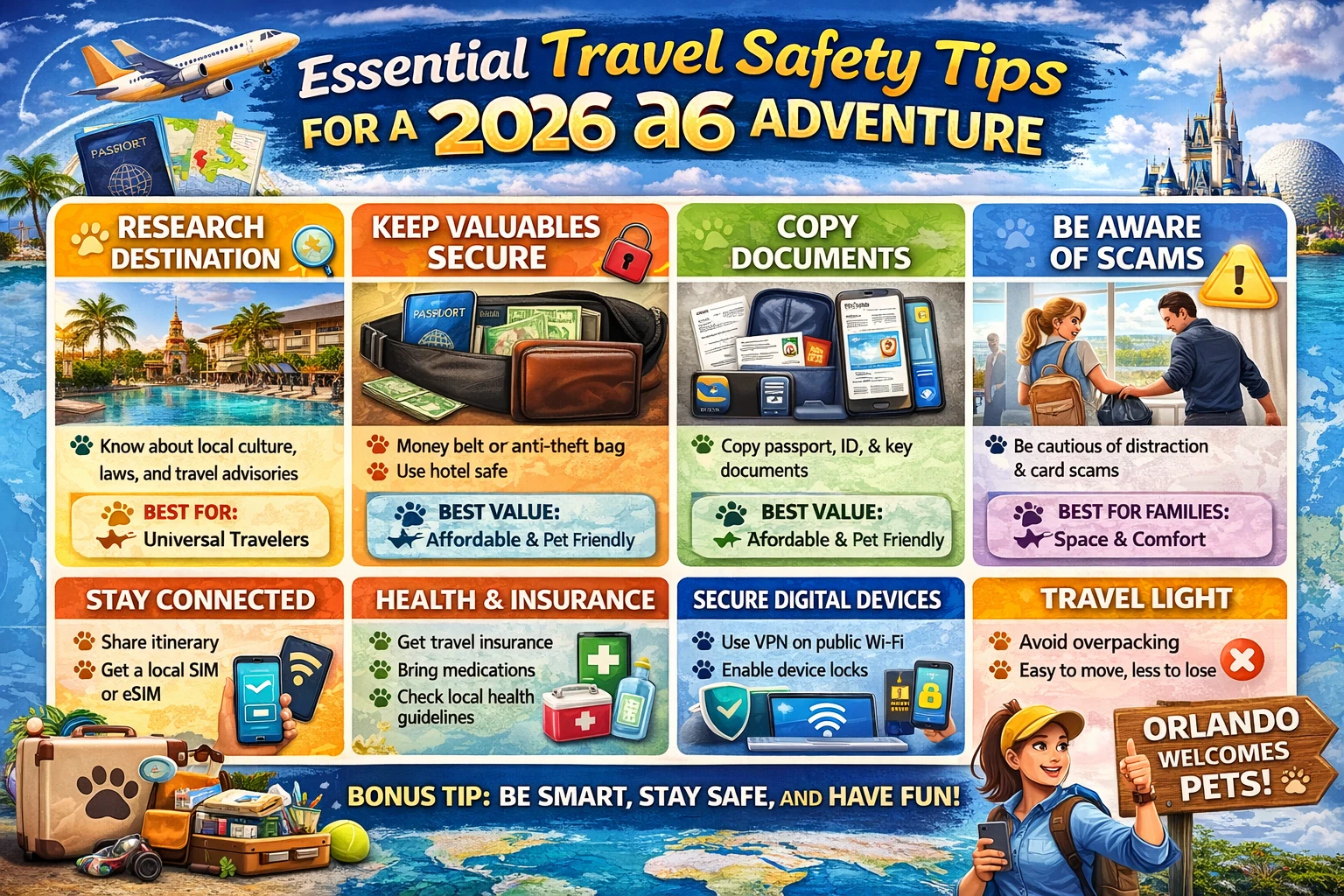
You want to explore the world with confidence, but nagging worries about safety can hold you back. This guide delivers the essential travel safety tips you need to protect yourself and your belongings. By following these practical strategies, you can shift your focus from fear to the incredible experiences ahead, ensuring your 2026 trips are defined by joy, not anxiety.
Your Foundational Travel Safety Tips
Before you even zip up your suitcase, your safety plan should be in place. Smart travel isn’t about being paranoid; it’s about being prepared. These foundational travel safety tips form the bedrock of a secure journey, giving you the peace of mind to fully immerse yourself in your destination.
1. Research & Digital Preparation
Your first line of defense is knowledge. Before your 2026 trip, go beyond guidebooks. Check your government’s official travel advisories for your destination, but also seek out recent traveler forums and local news sites for on-the-ground reality. Digitally, ensure you have a backup. Email yourself scanned copies of your passport, visa, driver’s license, and travel insurance policy. Use a secure cloud service like Google Drive or Dropbox, and share access with one trusted contact back home. Also, download offline maps on Google Maps or Maps.me for the areas you’ll visit—you’ll be able to navigate even without data or Wi-Fi.
Best for: Every type of traveler, especially solo adventurers and those visiting new regions.
2. Get Comprehensive Travel Insurance
This is the non-negotiable safety net. A comprehensive policy in 2026 should cover far more than just lost luggage. Ensure it includes robust medical coverage, emergency medical evacuation (crucial for remote areas), and trip cancellation/interruption. Read the fine print regarding adventure activities; if you plan on skiing, scuba diving, or even renting a scooter, you may need an add-on. Keep the insurance company’s 24/7 emergency contact number saved in your phone and written down in your wallet. It’s the one expense you hope to never use, but you’ll be profoundly grateful for it if a crisis occurs.
Best for: Absolutely everyone, without exception.
3. Secure Your Accommodation
Your hotel or rental is your home base, and it must be a safe haven. When booking, read recent reviews specifically mentioning safety, location, and security features. Upon arrival, do a quick safety check: locate the fire exits, ensure the door lock is sturdy (consider carrying a portable door alarm or rubber doorstop for extra peace of mind), and use the room safe for valuables. Be discreet with your room number at the front desk. For vacation rentals, verify the host’s legitimacy through the platform’s verification system and always use the platform’s messaging for communication and payment.
Best for: Solo travelers, families, and first-time visitors.
4. Practice Smart Money Management
Don’t keep all your financial eggs in one basket. Use a multi-layered approach: carry a small amount of local currency in a accessible place for daily expenses, store the bulk of your cash and a backup credit card in a hidden money belt or a secure compartment in your bag, and leave one credit card in your hotel safe. Notify your bank of your travel plans to avoid frozen cards. Rely increasingly on contactless payments or digital wallets (Apple Pay, Google Pay), which are often more secure than physical cards. Avoid standalone ATMs in secluded areas; use ones inside banks or busy shopping centers.
Best for: All travelers, particularly those on long-term or multi-destination trips.
5. Master Situational Awareness
This is your most powerful, always-available tool. Situational awareness simply means consciously observing your environment. Avoid walking while staring at your phone; it marks you as a distracted target. When in crowded places like markets or transit hubs, keep your bag in front of you. Trust your instincts—if a person or situation feels “off,” remove yourself politely but immediately. Periodically scan your surroundings without appearing paranoid. This habit allows you to enjoy the moment while subconsciously monitoring for anything unusual.
Best for: City explorers, solo travelers, and nightlife enthusiasts.
6. Protect Your Documents
Your passport is your most critical item abroad. Never carry your original passport with you unless legally required (like for a visa check or specific hotel check-in). A color photocopy or a clear photo on your phone is usually sufficient for ID. When you must carry it, use a secure, RFID-blocking passport holder worn under your clothing. In your accommodation, lock it in the safe. As a failsafe, have that digital copy already emailed to yourself. Losing a passport is a major headache; losing it without a copy is a full-blown crisis.
Best for: International travelers, especially those crossing multiple borders.
7. Stay Connected & Share Your Itinerary
Always have a communication plan. Ensure your phone is unlocked for an affordable local SIM card or an international eSIM plan upon arrival for reliable data. Share a detailed but flexible itinerary with family or friends back home, including flight details, accommodation addresses, and contact numbers. Check in regularly via a quick message. For remote adventures, consider renting a satellite messenger or personal locator beacon (PLB). Apps like WhatsApp, Telegram, or even your phone’s built-in location-sharing can be lifesavers for staying in touch.
Best for: Solo travelers, adventure seekers, and those heading off-grid.
8. Be Transport Savvy
Transport hubs and vehicles are common risk points. Research the safest transport options before you arrive. Are official airport taxis reliable? Is there a reputable rideshare app (like Uber or Grab)? When taking taxis, note the license plate and share it with someone. On trains or buses, keep your luggage in sight and be extra vigilant during stops. If renting a vehicle, inspect it for pre-existing damage, understand local driving laws (they can be drastically different!), and never leave valuables visible inside.
Best for: Road trippers, backpackers, and business travelers.
9. Guard Against Digital Theft
Cybercrime targets travelers. Never use public Wi-Fi for sensitive transactions like banking or entering passwords. If you must, use a reputable VPN (Virtual Private Network) to encrypt your connection. Be wary of fake Wi-Fi networks with generic names like “Free Airport WiFi”—always verify the official network name with staff. Keep your devices’ software updated and use strong, unique passwords. Enable two-factor authentication on all critical accounts (email, banking).
Best for: Digital nomads, business travelers, and anyone using phones/laptops abroad.
10. Blend In & Respect Local Norms
The less you look like a tourist, the less you attract unwanted attention. Research and respect local dress codes and cultural customs, especially regarding places of worship. Walk with purpose, even if you’re lost (duck into a cafe to check your map). Avoid displaying flashy jewelry, expensive cameras, or large amounts of cash. Learning a few basic phrases in the local language (“hello,” “thank you,” “please”) not only shows respect but can also help you navigate situations more smoothly and appear less like an outsider.
Best for: Cultural travelers, photographers, and those visiting conservative regions.
11. Manage Your Health Proactively
Your health is a cornerstone of safety. Visit a travel clinic well before your 2026 trip for any required or recommended vaccinations. Pack a personalized medical kit: include prescription medications (in their original containers with labels), basics like pain relievers and anti-diarrheal, and any personal necessities. Research the quality of local medical care at your destination. Stay hydrated with bottled or purified water, and be cautious with street food—opt for vendors with high turnover and cooked-to-order items.
Best for: Adventure travelers, families, and those with pre-existing conditions.
12. Handle Emergencies Calmly
Know the local emergency numbers (112 is a common standard in many countries, but always check). Program them into your phone. Know the address of your country’s nearest embassy or consulate. If you are a victim of theft, contact local police to file a report (essential for insurance claims) and then your embassy if needed. In a medical emergency, contact your travel insurance provider immediately—they can direct you to approved facilities and manage payments. Staying calm and knowing who to call is half the battle.
Best for: All travelers; this is essential contingency planning.
13. Be Socially Smart
Meeting new people is a joy of travel, but maintain a healthy skepticism. Avoid sharing too many personal details (like your exact hotel or full travel plans) with strangers you’ve just met. When going out, watch your drink being poured and never leave it unattended. If using dating apps, meet in busy public places and inform a friend of your plans. Trust your intuition over politeness; it’s okay to excuse yourself from any situation that feels uncomfortable.
Best for: Solo travelers, younger backpackers, and social butterflies.
14. Prepare for Natural & Political Climate
For 2026, this means checking not just the weather, but the environmental and political climate. Is it hurricane, monsoon, or wildfire season? Are there any planned political demonstrations? Sign up for Smart Traveler Enrollment Program (STEP) alerts if you’re a U.S. citizen, or your home country’s equivalent. Have a plan for what you would do in case of a natural disaster: know the evacuation routes from your hotel and identify a local shelter or meeting point.
Best for: Travelers to regions prone to seasonal weather or political volatility.
15. Pack a Safety “Go-Bag”
In your daypack, keep a mini safety kit. This should include: a portable phone charger (power bank), a basic first-aid kit with bandaids and antiseptic wipes, a whistle, a photocopy of your passport, some emergency cash (in local currency and US dollars/Euros), a list of emergency contacts, and any critical medication. This small, lightweight kit ensures you’re prepared for minor incidents or if you get separated from your main luggage.
Best for: Day-trippers, hikers, and urban explorers.
16. Trust Your Gut
This timeless advice remains your most personal and accurate safety device. Your subconscious picks up on subtle cues long before your conscious mind processes them. If something—a place, a person, an offer—feels wrong, it probably is. You are never obligated to be polite at the expense of your safety. It’s perfectly acceptable to walk away, decline firmly, or change your plans. This instinct is a powerful tool; honing it and having the confidence to act on it is the ultimate travel safety tip.
Best for: Every single traveler on the planet.
—
Traveling safely in 2026 isn’t about building a bubble of fear around yourself; it’s about building a foundation of preparedness that sets you free. By integrating these practical travel safety tips into your routine, they become second nature—like locking your door at home. This proactive mindset minimizes risks and maximizes your capacity for wonder, connection, and discovery. The world is waiting to amaze you, and with these strategies in your back pocket, you can explore it with confidence and a truly open heart.
similar posts
The Ultimate Guide to Pet Friendly Hotels Atlanta 2026: Where You and Your Furry Friend Will Love Staying
Where to Stay in Puerto Rico in 2026: The Ultimate Neighborhood & Hotel Guide
The Ultimate Guide to the Best Places to Visit in USA in 2026
15 Essential Travel Tips and Tricks for 2026: Save Money, Time, and Stress
The Ultimate Guide to the Best Pet Friendly Hotels in New Orleans Has to Offer in 2026
The Ultimate Guide to Pet Friendly Hotels in Santa Barbara (2026 Edition)