
The Ultimate Guide to the Best Places to Visit in Italy in 2026

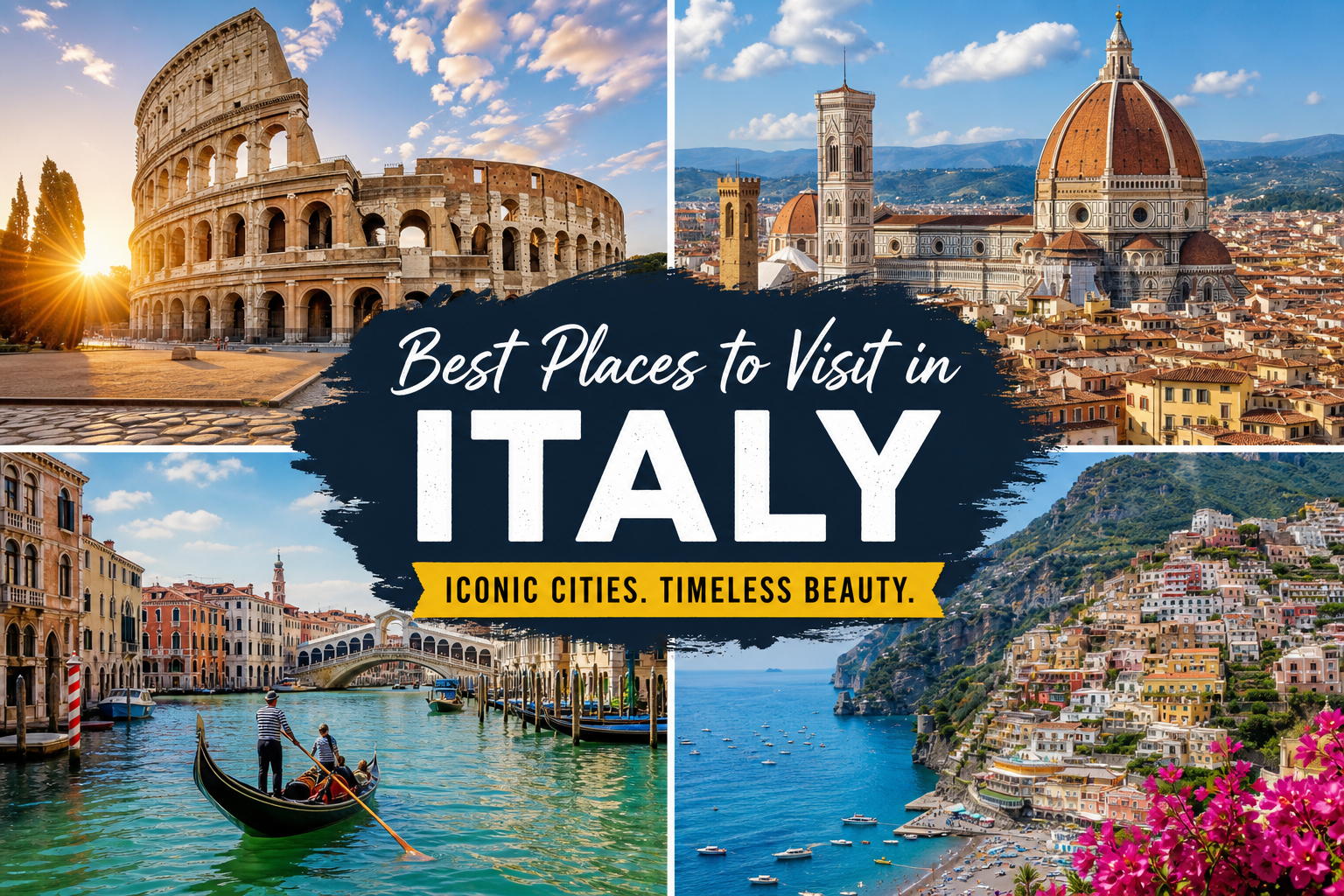
You’re dreaming of Italy—the pasta, the art, the endless history—but with so many incredible spots, deciding where to go can feel overwhelming. Whether you’re a first-timer or a returning traveler, I’ve got you covered with the absolute best places to visit in Italy that blend iconic landmarks with hidden gems. From the sun-drenched Amalfi Coast to the rolling hills of Tuscany, here’s your insider’s roadmap for an unforgettable Italian adventure in 2026.
The Most Unforgettable Places to Visit in Italy in 2026
Italy is a country where every corner tells a story, and these handpicked destinations promise to deliver everything from jaw-dropping scenery to mouthwatering cuisine. I’ve organized this list to mix the heavy hitters you can’t miss with lesser-known treasures that will make your trip truly unique. Let’s dive in.
1. Rome
Best for: History buffs and first-time travelers
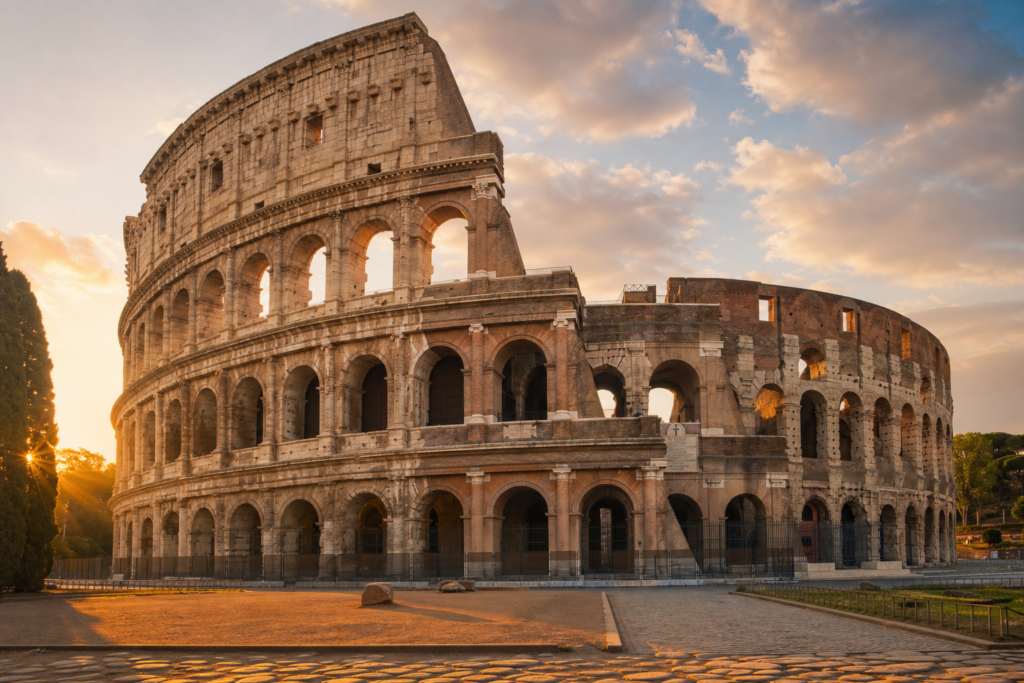
You can’t talk about places to visit in Italy without starting in the Eternal City. Rome is a living museum where ancient ruins sit comfortably alongside bustling piazzas and world-class gelaterias. Address: Colosseum, Piazza del Colosseo, 1, 00184 Roma RM. Hours: The Colosseum is open daily from 8:30 AM to one hour before sunset (check seasonal times). Price: €16 for a standard ticket (includes Roman Forum and Palatine Hill). I always tell friends to book the “Full Experience” ticket for €22—it gets you into the underground chambers where gladiators once prepared. Beyond the Colosseum, toss a coin into the Trevi Fountain (€0, but bring a coin for good luck) and explore the Vatican Museums (€17, closed Sundays). For a local tip: hit Trastevere for dinner—skip the tourist traps near the monuments and head to Da Enzo al 29 for carbonara that’ll change your life. Rome is chaotic, loud, and absolutely magical—give it at least 3 days to scratch the surface.
2. Florence
Best for: Art lovers and Renaissance enthusiasts
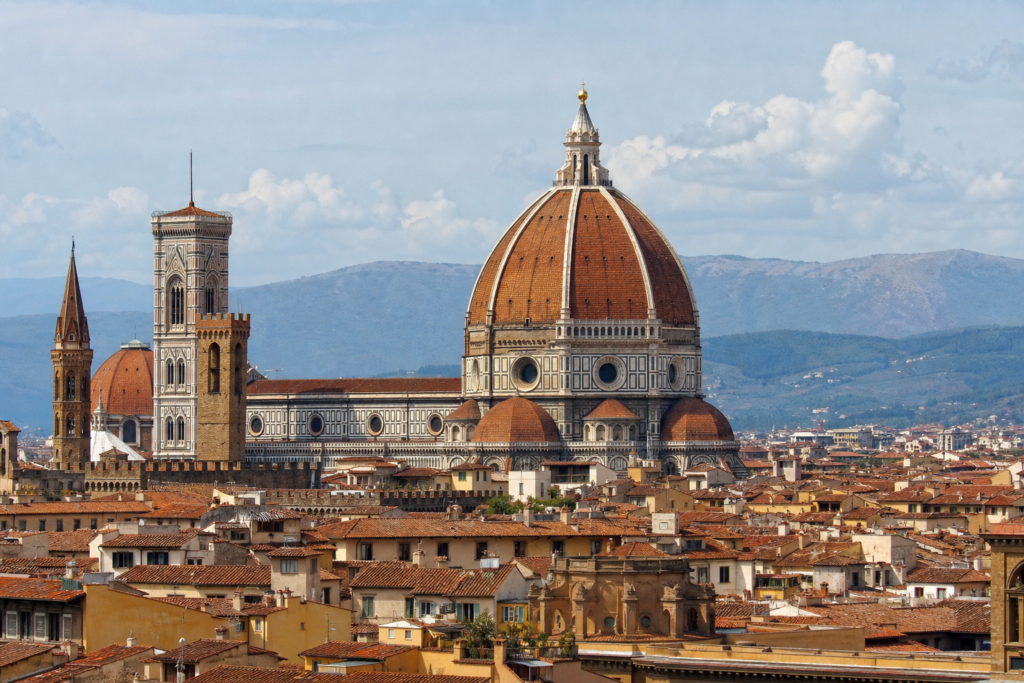
Florence is a compact masterpiece that packs more art per square foot than any city I know. Address: Galleria dell’Accademia, Via Ricasoli, 58/60, 50129 Firenze FI. Hours: Tuesday to Sunday, 8:15 AM to 6:50 PM (closed Mondays). Price: €12 for the Accademia (home to Michelangelo’s David)—book weeks ahead. The Uffizi Gallery (€12, same hours) is equally essential for Botticelli’s “Birth of Venus.” But here’s the insider move: skip the ridiculously long lines at the Duomo’s climb to the top (€20, 463 steps) and instead hike up to Piazzale Michelangelo at sunset for a free, breathtaking view of the entire city. For lunch, grab a lampredotto sandwich from a street stall near the Mercato Centrale—it’s a Florence specialty you won’t find elsewhere. Florence is small enough to explore on foot in 2 days, but you’ll want 3 to soak in the vibe without rushing.
3. Venice
Best for: Romantics and photographers
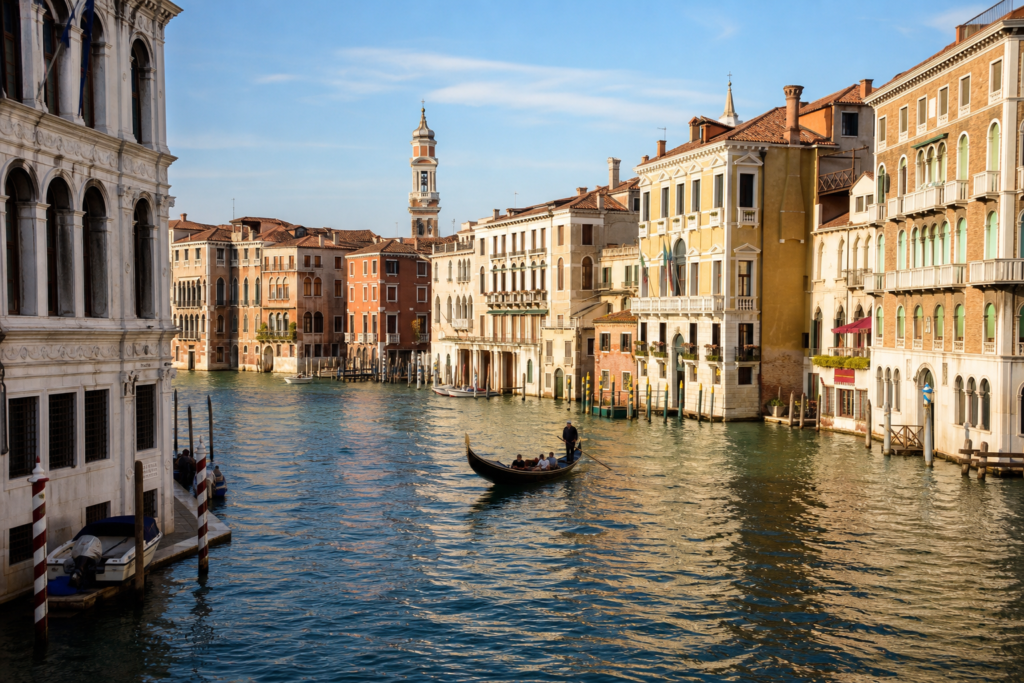
Venice is unlike anywhere else on Earth—a city built on water where gondolas replace cars and every canal view is a postcard. Address: St. Mark’s Square, Piazza San Marco, 30124 Venezia VE. Hours: St. Mark’s Basilica is open 9:30 AM to 5 PM (free entry, but €3 for the museum). Price: A gondola ride costs around €80 for 30 minutes (negotiate before boarding). I’ll be honest: Venice can feel touristy, but it’s still magical. The trick is to get lost. Wander away from the Rialto Bridge and St. Mark’s into the quieter neighborhoods like Cannaregio or Dorsoduro. For a hidden gem, visit the Scala Contarini del Bovolo—a spiral staircase with a tiny terrace that costs just €7 and offers panoramic views with zero crowds. Don’t leave without trying cicchetti (Venetian tapas) at a local bacaro—try Al Timon in Cannaregio for a authentic experience. Venice deserves 2 full days, but if you’re on a budget, consider staying in Mestre (a 10-minute train ride) and day-tripping in.
4. The Amalfi Coast
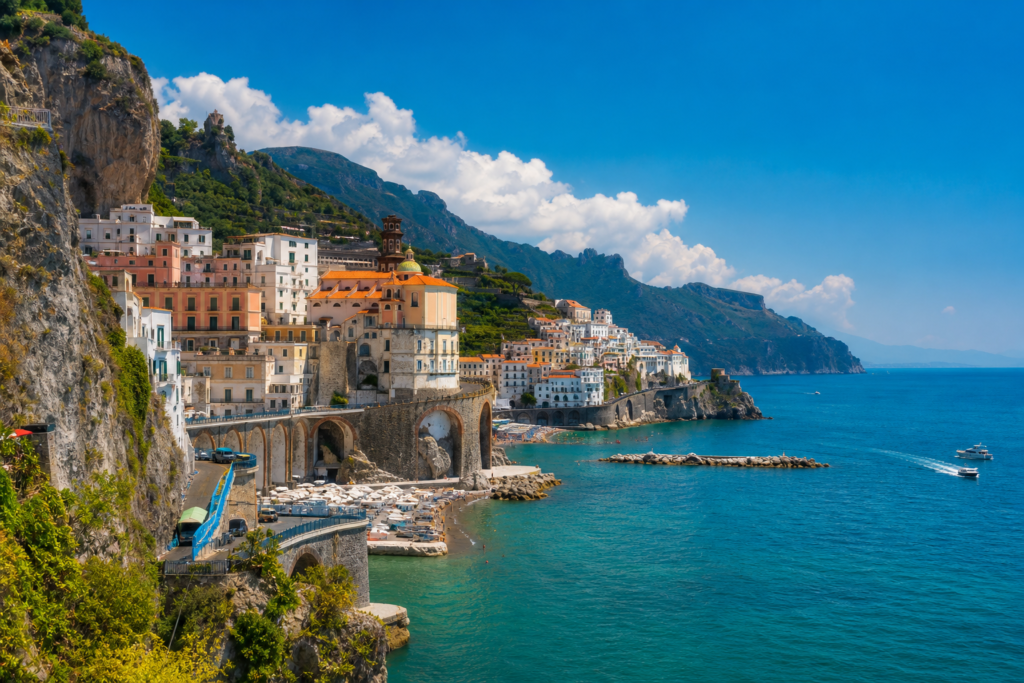
Best for: Scenic drivers and luxury seekers
The Amalfi Coast is a dramatic stretch of coastline where colorful villages cling to cliffs above turquoise waters. Address: Positano, 84017, Salerno SA. Hours: The coastal road (SS163) is open 24/7, but avoid driving between 11 AM and 3 PM in summer when traffic is brutal. Price: Free to explore the towns, but parking in Positano costs €20-€30 per day. Positano is the poster child with its pastel houses cascading down to the beach, but I prefer Ravello—perched higher up, it offers stunning gardens at Villa Rufolo (€7) and Villa Cimbrone (€10) with views that’ll make your jaw drop. For a budget-friendly stay, base yourself in Sorrento (more affordable) and take the SITA bus (€2.60 per ride) to explore the coast. The Path of the Gods hiking trail is free and offers the best coastal views—start in Bomerano and end in Nocelle. Give the Amalfi Coast 3-4 days to really soak it in.
5. Cinque Terre
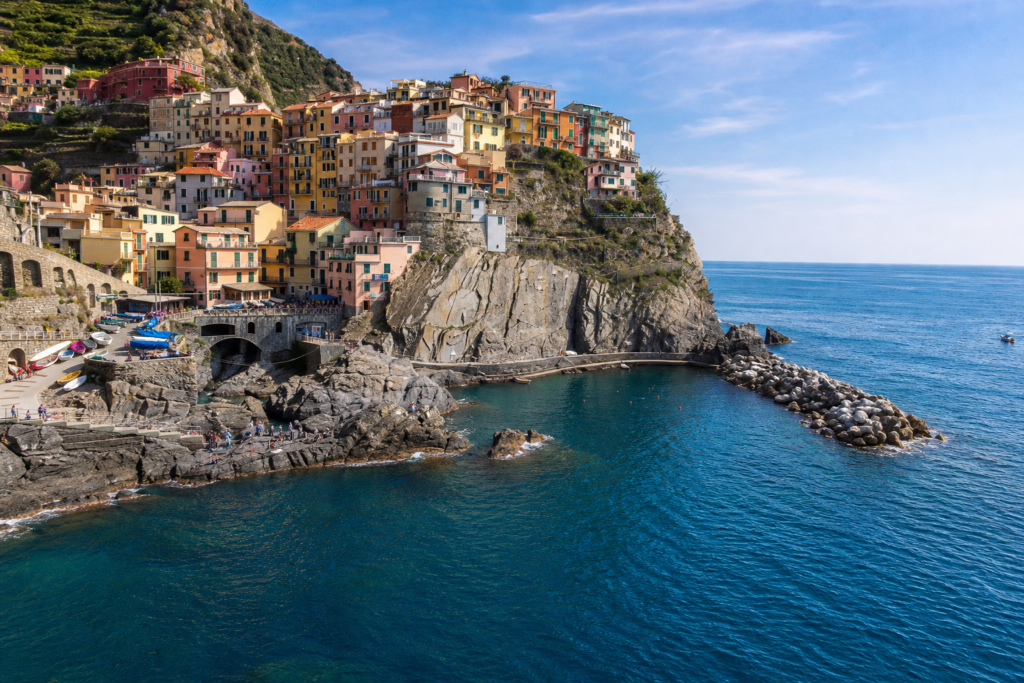
Best for: Hikers and colorful village lovers
Cinque Terre is a UNESCO World Heritage site comprising five fishing villages—Monterosso, Vernazza, Corniglia, Manarola, and Riomaggiore—connected by hiking trails and a scenic train line. Address: Cinque Terre National Park, Via Discovolo, 19017 Riomaggiore SP. Hours: The Cinque Terre Train Card (€18.20 per day) gives unlimited train rides between villages and access to hiking trails. Price: A day pass is €18.20; hiking-only pass is €7.50. The famous “Via dell’Amore” (Lover’s Lane) between Riomaggiore and Manarola is currently closed for renovations (check 2026 status), but the trail from Monterosso to Vernazza is the most scenic and takes about 90 minutes. For a hidden gem, skip Corniglia’s main square and climb the 382 steps to the terrace for a panoramic view that few tourists bother to reach. Stay overnight in one of the villages (book months ahead) to experience the magic after the day-trippers leave. Two days is perfect for Cinque Terre.
6. Tuscany (Countryside)
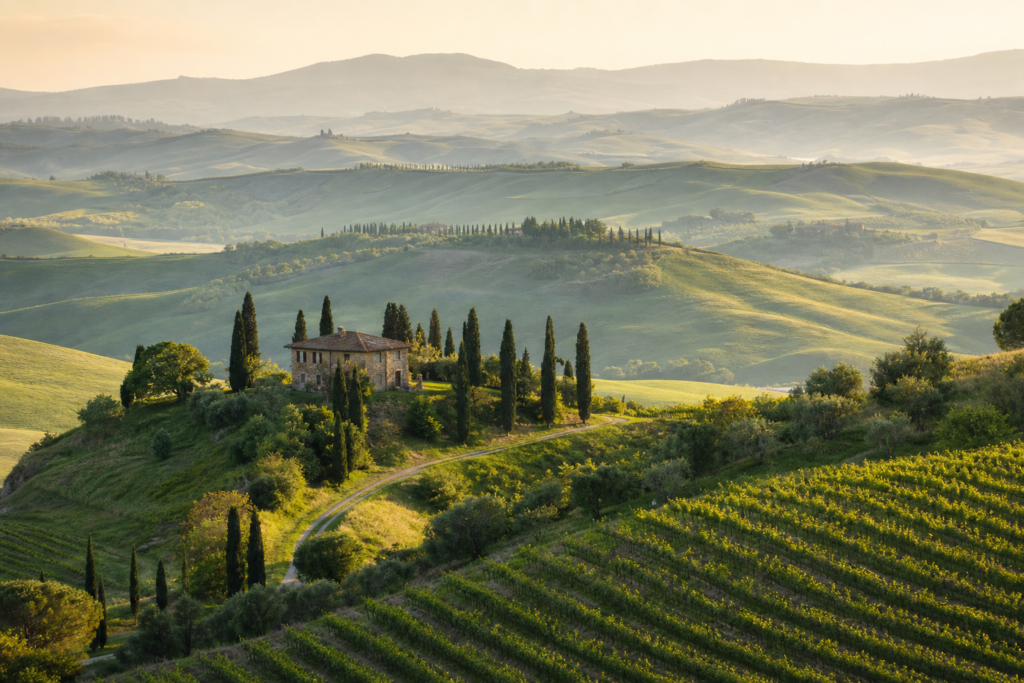
Best for: Wine lovers and slow travelers
Beyond Florence, Tuscany’s rolling hills, cypress-lined roads, and medieval hilltop towns are the stuff of dreams. Address: Val d’Orcia, 53026, Province of Siena. Hours: The region is open year-round; best visited in spring (April-May) or fall (September-October). Price: Free to explore, but wine tastings cost €15-€30 per person. Rent a car and drive the SS146 from Montalcino to Pienza for the classic Tuscan landscape you’ve seen in photos. Stop at a local winery like Castello di Monsanto in Chianti for a tasting (€25, includes tour). For a hidden gem, visit the tiny village of Montefollonico—it’s less touristy than San Gimignano and has a medieval charm that feels untouched. Don’t miss the hot springs at Saturnia (free, open 24/7) for a natural thermal bath under the stars. Tuscany’s countryside deserves 4-5 days to explore at a leisurely pace.
7. Milan
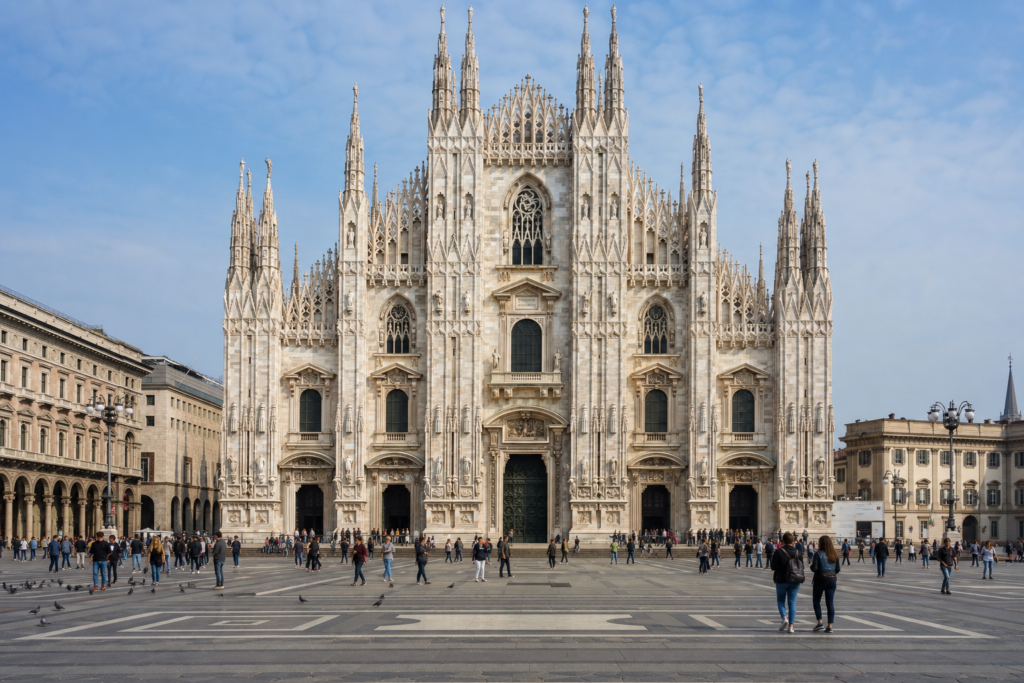
Best for: Fashionistas and modern art fans
Milan is Italy’s fashion and design capital, but it’s also home to Leonardo da Vinci’s “The Last Supper” and a vibrant food scene. Address: Piazza del Duomo, 20122 Milano MI. Hours: The Duomo is open 8 AM to 7 PM (€5 for the cathedral, €12 for rooftop access). Price: “The Last Supper” at Santa Maria delle Grazie costs €15—book at least 2 months in advance. For a modern twist, visit the Fondazione Prada (€15) for contemporary art in a stunning former distillery. Skip the touristy Galleria Vittorio Emanuele II for shopping and instead explore the Brera district for artisan boutiques. For food, grab a panzerotto (fried pizza pocket) at Luini—it’s a Milanese institution. Milan is a 2-day city, but add a day for day trips to Lake Como or Bergamo.
8. Naples
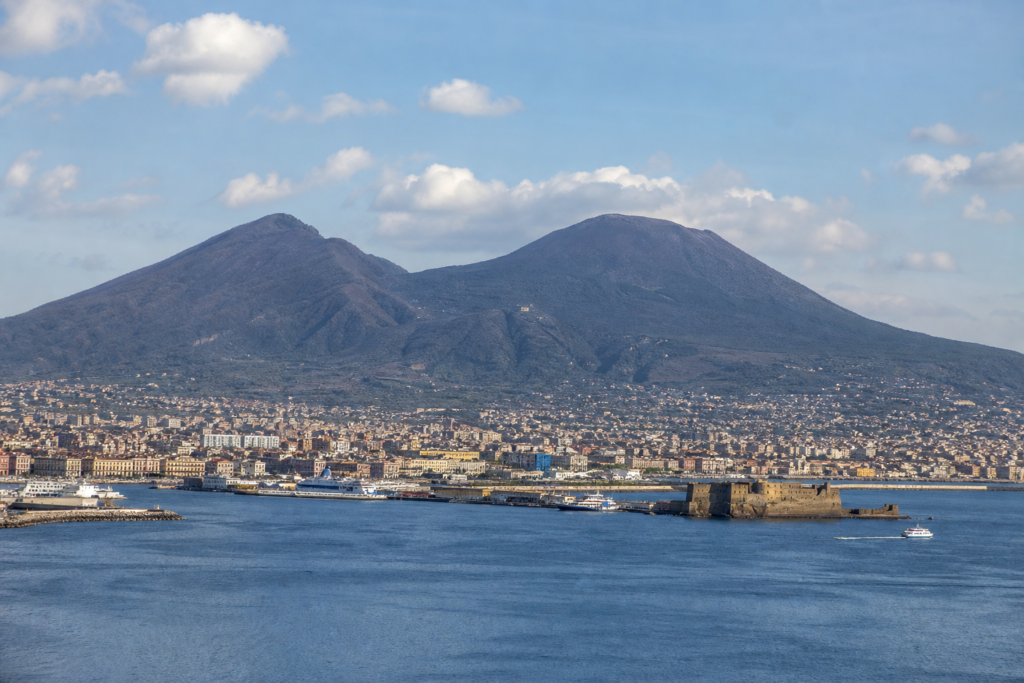
Best for: Pizza purists and gritty authenticity
Naples is raw, chaotic, and absolutely alive—it’s the birthplace of pizza and a city that rewards adventurous travelers. Address: Via dei Tribunali, 80138 Napoli NA. Hours: Pizzerias like L’Antica Pizzeria da Michele open at 11 AM (€5 for a classic margherita). Price: Free to explore; pizza costs €4-€7. Naples is often overlooked for its more polished neighbors, but that’s a mistake. The historic center is a UNESCO site with churches like the Naples Cathedral (free) and the underground Napoli Sotterranea (€10 for a tour). For a hidden gem, visit the Veiled Christ statue at the Sansevero Chapel (€7)—it’s one of the most stunning sculptures I’ve ever seen. Don’t skip the archaeological museum (€18)—it houses artifacts from Pompeii and Herculaneum. Naples deserves 2 days, and it’s the perfect base for day trips to Pompeii and the islands.
9. Pompeii and Herculaneum
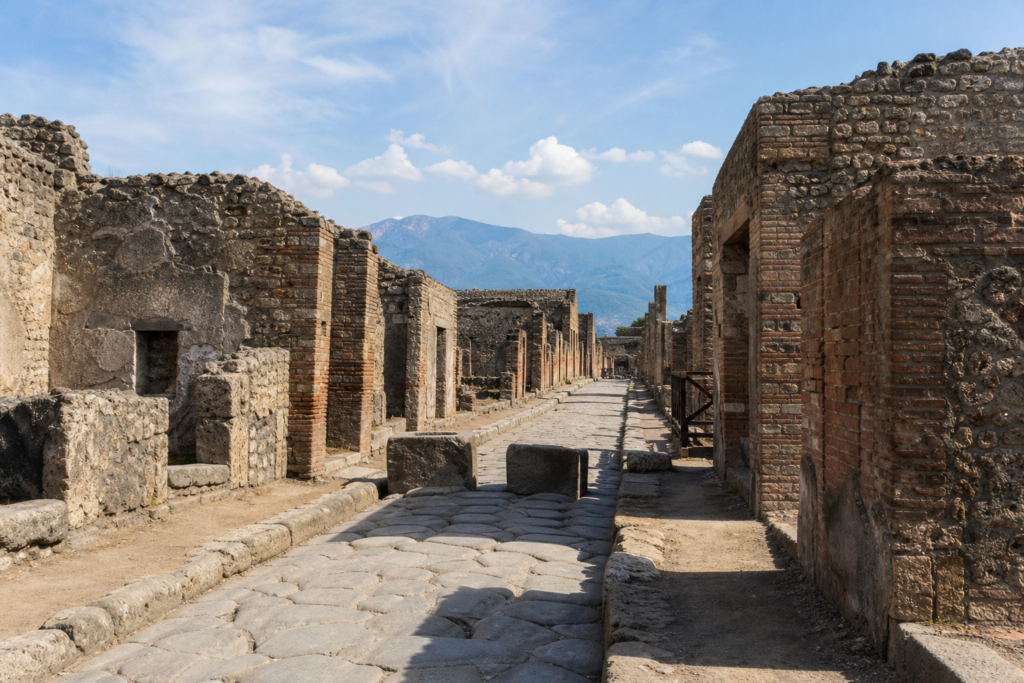
Best for: History lovers and archaeology enthusiasts
These two ancient Roman cities were buried by Mount Vesuvius in 79 AD, and they’re some of the most incredible archaeological sites in the world. Address: Pompeii Archaeological Park, Via Villa dei Misteri, 2, 80045 Pompei NA. Hours: Open daily 9 AM to 7 PM (last entry 5:30 PM). Price: Pompeii is €18; Herculaneum is €13 (combo ticket €22). Pompeii is massive—give it 3-4 hours to see highlights like the Forum and the plaster casts of victims. But I prefer Herculaneum—it’s smaller, better preserved (wooden structures survived), and less crowded. The Villa dei Papiri (€10 extra) is a hidden gem with stunning frescoes. For a unique experience, take a guided tour of the Vesuvius crater (€10, includes transport from Pompeii). Both sites are easily reached from Naples by train (€2.80 each way).
10. Lake Como
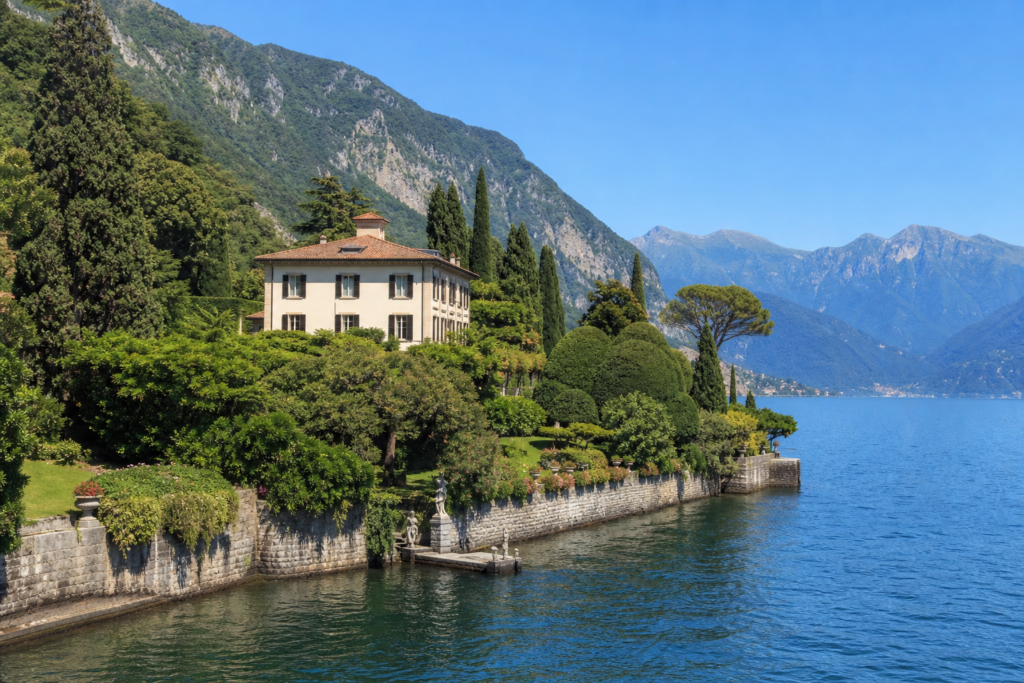
Best for: Luxury travelers and nature lovers
Lake Como is a glacial lake in the Lombardy region, famous for its dramatic scenery, elegant villas, and celebrity sightings. Address: Lake Como, 22100 Como CO. Hours: Ferries run from 6 AM to 10 PM (seasonal). Price: Ferry tickets start at €4.60 for short hops; a day pass is €15. Bellagio is the most famous town (and for good reason—it’s stunning), but I prefer Varenna for its quieter charm and cheaper accommodations. Visit Villa del Balbianello (€12) in Lenno for its gorgeous gardens and “Star Wars” filming locations. For a hidden gem, hike the Greenway del Lago di Como (free, 10 km) for panoramic views without the crowds. Lake Como is best visited in shoulder season (May or September) to avoid summer chaos. Give it 2-3 days.
11. Sicily (Palermo and Taormina)
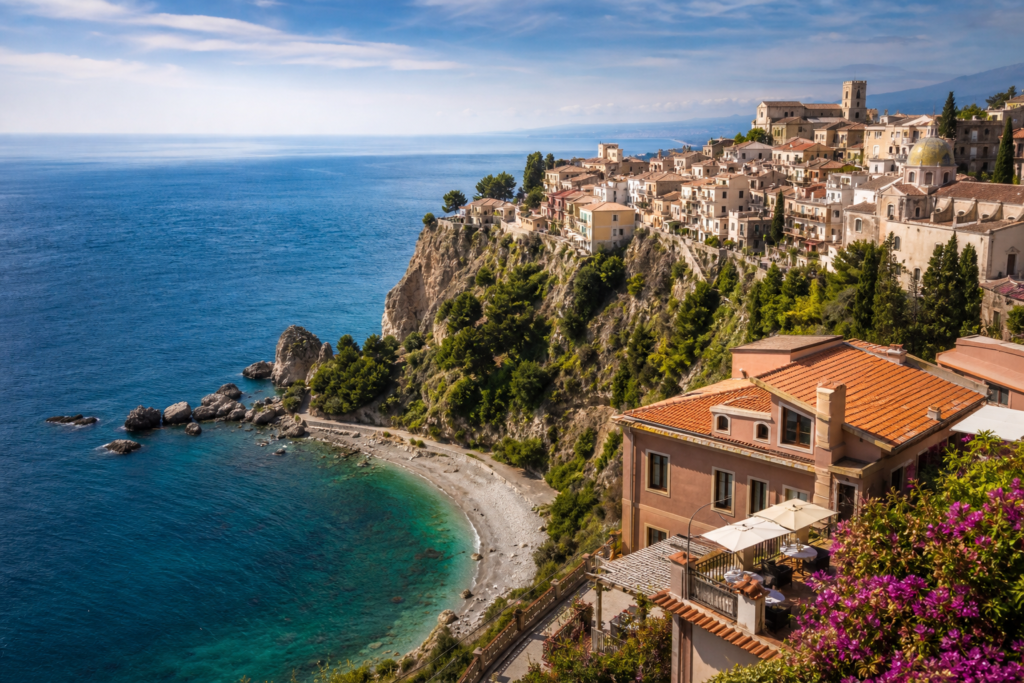
Best for: Culture seekers and beach lovers
Sicily is a world unto itself—a blend of Greek, Roman, Arab, and Norman influences that creates a unique cultural tapestry. Address: Palermo, 90133 PA. Hours: Palermo’s markets like Ballarò operate from 7 AM to 2 PM daily. Price: Free to explore; street food like arancini costs €1-€2 each. In Palermo, visit the Palermo Cathedral (free) and the Capuchin Catacombs (€3) for a macabre but fascinating experience. For a hidden gem, head to the Zingaro Nature Reserve (€5) for pristine beaches and hiking trails. Taormina is the tourist hub, but it’s worth it for the Greek Theatre (€10) and views of Mount Etna. For a budget tip, stay in Catania (cheaper) and take the train to Taormina (€4.50). Sicily deserves 7-10 days to explore properly.
12. Bologna
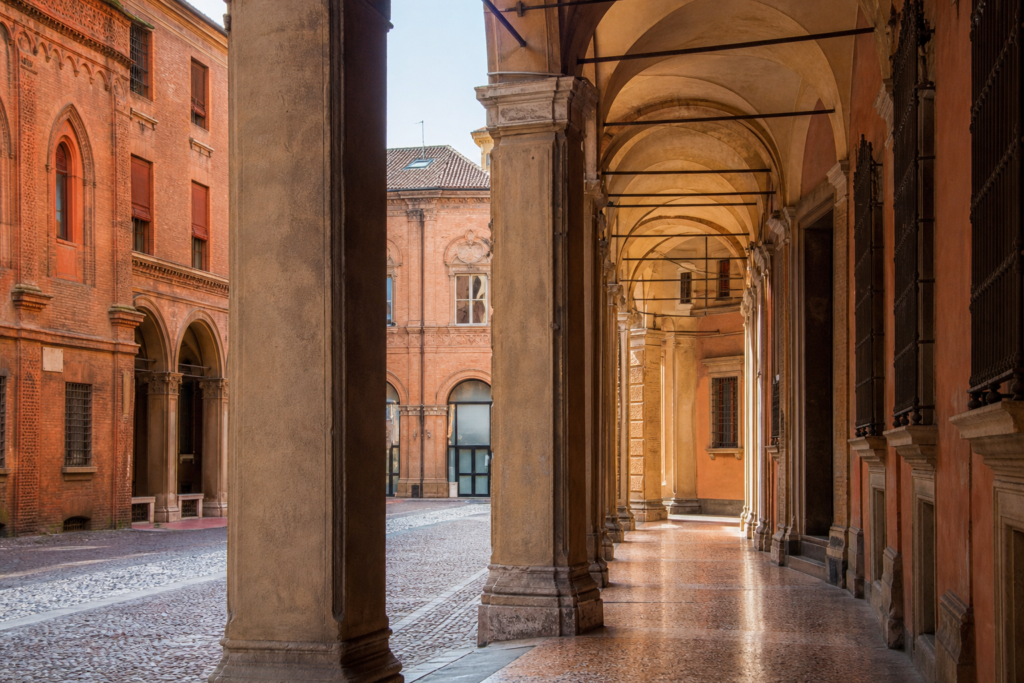
Best for: Foodies and student culture
Bologna is Italy’s food capital—home to tortellini, mortadella, and the best ragù (bolognese) you’ll ever eat. Address: Piazza Maggiore, 40121 Bologna BO. Hours: The Quadrilatero market operates 7 AM to 8 PM (closed Sundays). Price: Free to explore; food tours cost €40-€60. The city’s porticoes are a UNESCO site—walk the longest one (3.8 km) to the Sanctuary of the Madonna di San Luca (free) for a workout with a reward. For a hidden gem, visit the Anatomical Theatre in the Archiginnasio (€3)—it’s a wooden theater where anatomy lessons were once held. Don’t leave without trying a plate of tagliatelle al ragù at Trattoria da Me. Bologna is a 2-day city that’s also a great base for day trips to Modena, Parma, and Ravenna.
13. The Dolomites
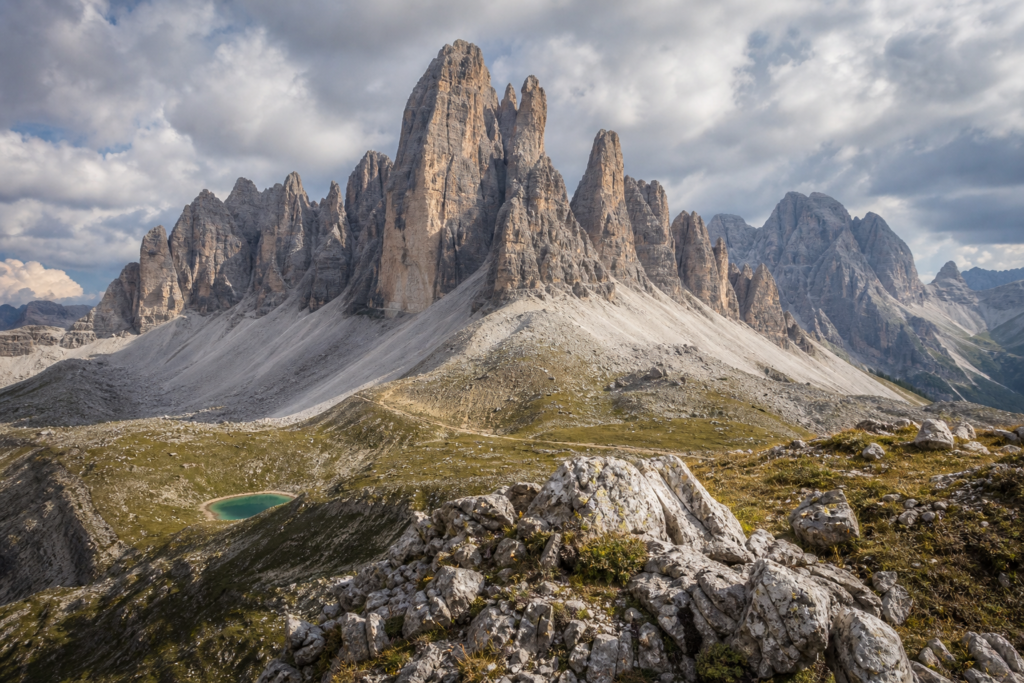
Best for: Hikers and outdoor enthusiasts
The Dolomites are a UNESCO World Heritage mountain range in northeastern Italy, offering some of the most dramatic alpine scenery in Europe. Address: Cortina d’Ampezzo, 32043, Province of Belluno. Hours: Hiking trails are accessible June to September; ski season runs December to April. Price: Free to hike; cable cars cost €15-€30 one-way. The Tre Cime di Lavaredo loop (free, 10 km, 3-4 hours) is the most iconic hike—start early to avoid crowds. For a hidden gem, visit the Lago di Braies (free) for a postcard-perfect lake that’s less crowded than other spots. Stay in a rifugio (mountain hut) for €50-€80 per night including meals—it’s an unforgettable experience. The Dolomites deserve 5-7 days for hiking.
14. Puglia (Alberobello and Matera)
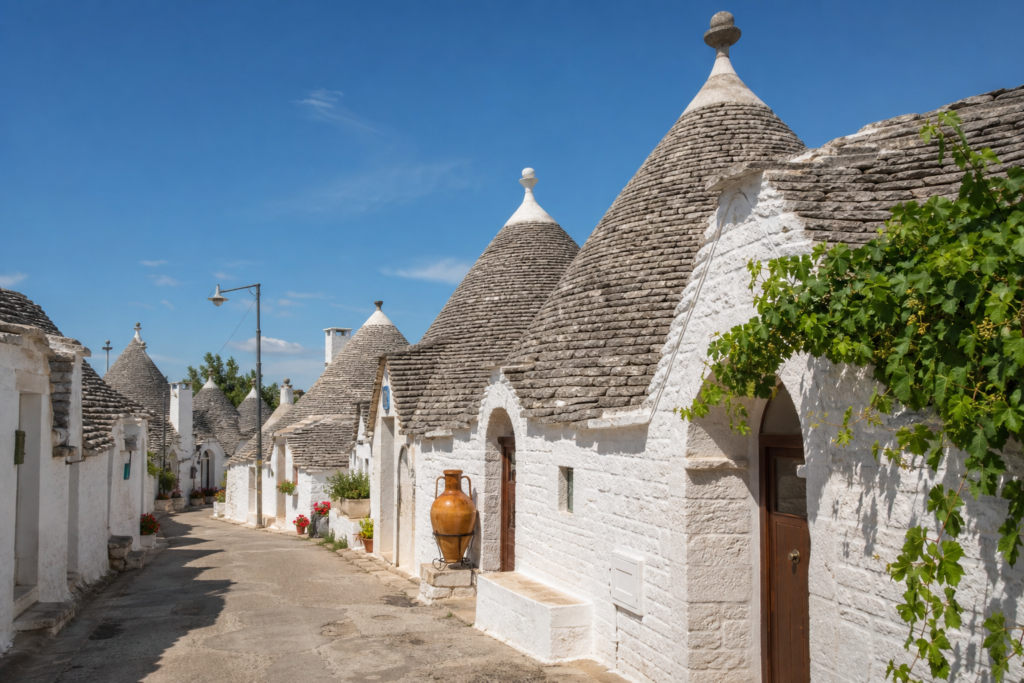
Best for: Unique architecture and slow travel
Puglia is Italy’s heel, known for its whitewashed trulli houses, olive groves, and the ancient cave city of Matera. Address: Alberobello, 70011, Province of Bari. Hours: Trulli district is open 24/7; most trulli shops operate 10 AM to 6 PM. Price: Free to explore; trulli tours cost €5-€10. Alberobello is the trulli capital, but it’s touristy—I prefer the quieter town of Locorotondo for a more authentic experience. Matera (technically in Basilicata) is a must-see with its Sassi cave dwellings (free to explore; museums €5-€10). For a hidden gem, visit the Polignano a Mare beach (free) for a stunning cove with a natural arch. Puglia is best explored by car over 5-7 days.
15. Verona
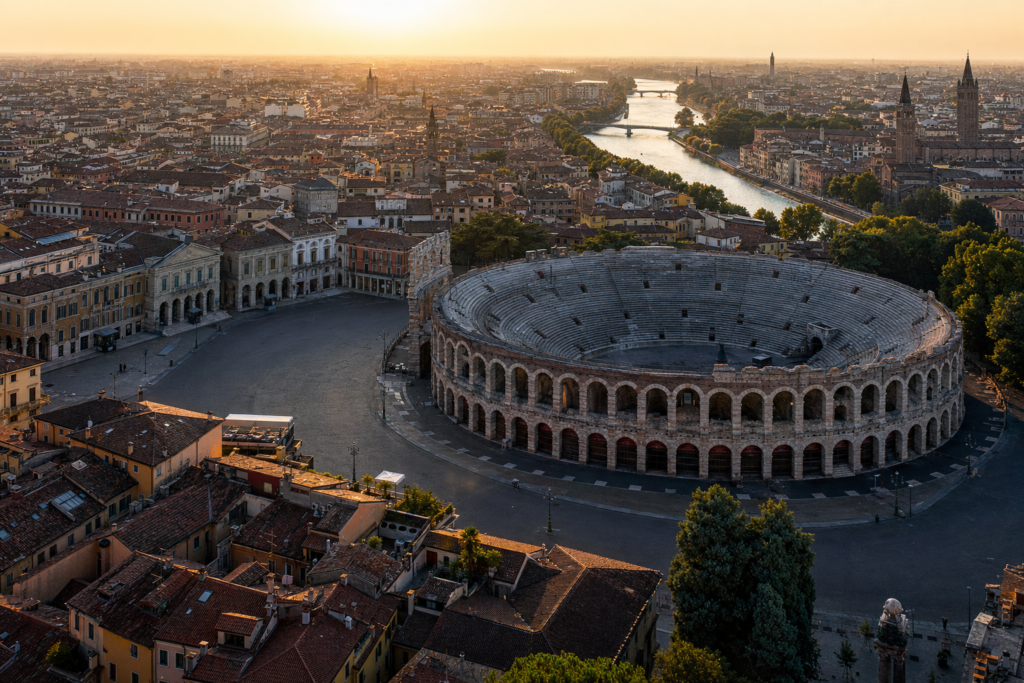
Best for: Romantics and Shakespeare fans
Verona is the setting for “Romeo and Juliet” and a charming city with a Roman amphitheater that rivals Rome’s Colosseum. Address: Piazza Bra, 37121 Verona VR. Hours: Arena di Verona is open 8:30 AM to 6:30 PM (opera season June to August). Price: Arena tour is €10; opera tickets start at €25. Juliet’s House (Casa di Giulietta) is free to visit the courtyard, but the balcony costs €6—honestly, it’s a tourist trap, but fun for a photo. For a hidden gem, climb the Torre dei Lamberti (€8) for panoramic views of the city. Verona is a 1-2 day stop that’s perfect on a trip between Venice and Milan.
Verona earns its place in a guide to best places to visit in italy because it offers more than a quick photo stop. Travelers usually come here for the mix of atmosphere, memorable sights, and the kind of local experiences that help a destination feel worth the journey.
When planning best places to visit in italy, add Verona if you want a destination with strong traveler appeal. It pairs well with nearby attractions, slower exploration, and a trip plan that leaves enough time to enjoy the place instead of rushing through it.
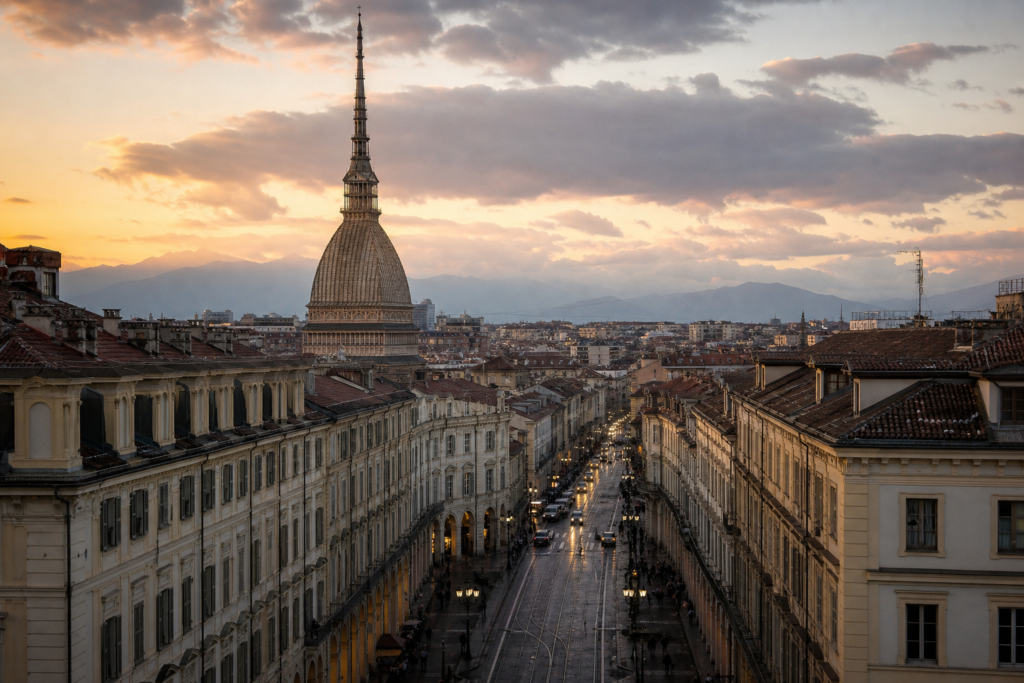
16. Turin (Torino)
Best for: Chocolate lovers and history buffs
Turin is Italy’s underrated gem—a city of elegant boulevards, royal palaces, and the birthplace of the Slow Food movement. Address: Piazza Castello, 10122 Torino TO. Hours: Mole Antonelliana (National Cinema Museum) is open 9 AM to 8 PM (€11 for the museum, €7 for the lift). Price: Free to explore; Egyptian Museum (€15) is the second-largest collection of Egyptian artifacts in the world. For a hidden gem, visit the Chapel of the Holy Shroud (free) to see the famous relic (though it’s rarely displayed). Turin is also Italy’s chocolate capital—try a bicerin (layered coffee, chocolate, and cream) at Caffè Al Bicerin (€5). Turin deserves 2-3 days.
Turin (Torino) earns its place in a guide to best places to visit in italy because it offers more than a quick photo stop. Travelers usually come here for the mix of atmosphere, memorable sights, and the kind of local experiences that help a destination feel worth the journey.
When planning best places to visit in italy, add Turin (Torino) if you want a destination with strong traveler appeal. It pairs well with nearby attractions, slower exploration, and a trip plan that leaves enough time to enjoy the place instead of rushing through it.
Conclusion
Italy is a country that rewards slow travel—rushing through it means missing the magic. Whether you’re exploring ancient ruins in Rome, hiking the Cinque Terre trails, or savoring a plate of pasta in Bologna, each of these places to visit in Italy offers a unique slice of la dolce vita. My advice? Pick 3-4 destinations for a 10-14 day trip and leave room for spontaneous discoveries. And remember: the best memories often come from getting lost in a quiet alley, chatting with a local, or savoring a meal that feels like it was made just for you. Buon viaggio!
—
similar posts
Best Time to Visit Machu Picchu in 2026
Where to Stay in San Diego in 2026: Best Neighborhoods & Hotels
17 Essential Travel Photography Tips for 2026: Capture Your Adventures Like a Pro
The Ultimate Guide to the Top 10 Places to Visit in the World in 2026
15 Essential Business Travel Tips for 2026: Work Smarter on the Road
15 Must-See Places to Visit in the US in 2026