
Your Ultimate Guide to Solo Travel Tips for 2026

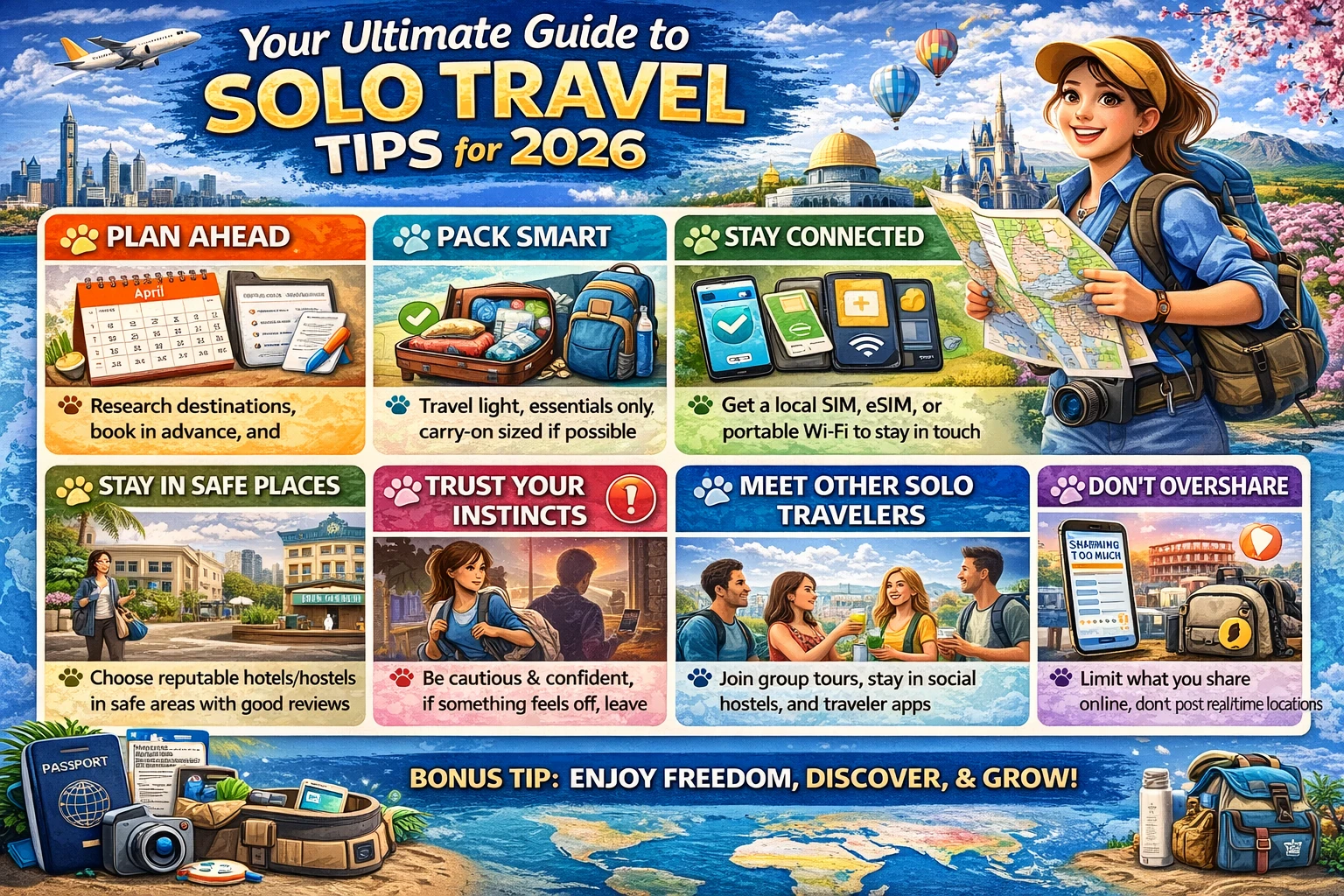
Embarking on a solo journey can feel daunting, filled with questions about safety, planning, and loneliness. This guide provides the essential solo travel tips you need to confidently explore the world on your own terms. The landscape of independent travel is constantly evolving, with new tools and communities emerging. By 2026, being a savvy solo traveler is about blending smart preparation with the freedom to embrace the unexpected.
Essential Solo Travel Tips for Your 2026 Adventure
1. Master the Art of Strategic Planning & Spontaneity
The best solo trips strike a perfect balance. Book your first few nights’ accommodation and key transportation (like airport transfers) in advance to ensure a smooth arrival. This gives you a secure base. Then, leave gaps in your itinerary. Use apps like TripIt or Wanderlog to keep digital copies of reservations, but don’t over-schedule. Some of the best moments—a local festival, an invitation to a family dinner, a day trip with new friends—come from unplanned opportunities. This hybrid approach reduces initial stress while maximizing freedom.
Best for: First-time solo travelers and planners who want to leave room for magic.
2. Choose Your Accommodation Wisely
Your choice of lodging can define your trip. For social connections, consider reputable hostels with private pod-style rooms, boutique guesthouses, or social accommodation apps popular in 2026. Look for places with common areas, group activities, or high ratings for solo travelers. For deeper rest and privacy, serviced apartments or small hotels with 24-hour reception are ideal. Always read recent reviews specifically mentioning solo travel safety and atmosphere. Booking a place with free cancellation adds flexibility.
Best for: All solo travelers, as your accommodation is your home base and often your first point of contact.
3. Prioritize Safety with Smart Tech
Safety is paramount, and technology is your best ally. Share your live location with a trusted contact using apps like Google Maps or Find My. Carry a portable door alarm for hotel rooms and a power bank to keep your phone charged. Research local emergency numbers and save the address of your country’s embassy. In 2026, consider a discreet GPS tracker that doesn’t require a cellular plan. Trust your instincts—if a situation feels off, leave. Your intuition is one of the most powerful safety tools you have.
Best for: Everyone, especially those traveling to new or unfamiliar destinations.
4. Pack Light and Pack Right
The freedom of solo travel is magnified when you’re not wrestling with heavy luggage. Commit to a carry-on-sized backpack or suitcase. Use packing cubes to stay organized. Essentials include a universal adapter, a reusable water bottle with a filter, a first-aid kit, and copies of important documents (passport, insurance). Pack versatile, layer-friendly clothing. A scarf or pashmina can double as a blanket, pillow, or cover-up. Remember, you can buy almost anything you forget, but lugging around unnecessary items will slow you down.
Best for: Travelers aiming for multi-destination trips and using budget airlines with strict baggage policies.
5. Connect Authentically (On and Offline)
Solo doesn’t mean solitary. Use apps like Meetup, Bumble BFF, or travel-specific social platforms to find events or fellow travelers. Take a small group class—a cooking course in Italy, a surf lesson in Portugal—which naturally fosters conversation. Sit at the bar in restaurants; it’s less intimidating and easier to chat with staff or neighbors. Don’t be afraid to strike up conversations in hostel kitchens or on scenic hikes. The global community of solo travelers is vast and welcoming.
Best for: Travelers seeking friendship and shared experiences on the road.
6. Learn to Dine Solo Confidently
Eating alone is a joy, not a chore. Bring a book, journal, or use your phone, but also practice being present and people-watching. Opt for lunch at a popular café or an early dinner to secure a good table. Sitting at the counter or bar is often more comfortable than a large table. In 2026, many restaurants offer “chef’s counter” experiences perfect for solos. Embrace street food tours—they’re social and let you sample widely. Remember, most people are too absorbed in their own meals to notice you’re alone.
Best for: Foodies and anyone looking to conquer a common solo travel anxiety.
7. Get Insured and Back Up Your Documents
This is non-negotiable. Purchase comprehensive travel insurance that covers medical emergencies, trip cancellation, and lost luggage. In 2026, look for policies that include coverage for digital nomad activities or adventure sports if needed. Digitally scan your passport, driver’s license, insurance policy, and credit cards. Store copies in a secure cloud service (like Google Drive or Dropbox) and email a copy to yourself. Carry a physical paper copy separately from the originals.
Best for: Every single traveler, without exception.
8. Manage Your Budget with Modern Tools
Solo travel can be cost-effective. Use budgeting apps like Trail Wallet or Splitwise (to track shared costs if you meet others) to monitor daily spending. Notify your bank of your travel plans to avoid frozen cards. Carry a mix of payment methods: a no-foreign-transaction-fee credit card, a debit card for ATM withdrawals, and a small amount of local currency upon arrival. Consider travel-focused financial apps that offer better exchange rates and low fees, which are increasingly common by 2026.
Best for: Budget-conscious travelers and long-term trip planners.
9. Embrace Slow Travel
Instead of racing through ten cities in two weeks, choose two or three bases and explore them deeply. This reduces travel fatigue, allows you to learn local rhythms, and increases the chances of forming meaningful connections. You’ll start recognizing shopkeepers, finding a favorite coffee spot, and experiencing a place beyond the tourist checklist. Slow travel is less stressful, more sustainable, and often more rewarding for the solo adventurer.
Best for: Travelers seeking cultural immersion and a respite from a fast-paced lifestyle.
10. Develop a Simple Communication Plan
Have a regular check-in schedule with family or friends back home—a quick message when you arrive at a new destination suffices. Research local SIM card options or e-SIM plans for affordable data, which are ubiquitous and easy to set up by 2026. Download offline maps and translation apps (like Google Translate) for when you’re without service. Learning a few basic phrases in the local language (hello, please, thank you, help) goes a long way in showing respect.
Best for: First-time travelers and those going to destinations with language barriers.
11. Cultivate Self-Reliance and Problem-Solving
Things will go wrong—a missed bus, a rainy day, a closed museum. View these not as disasters but as part of the adventure. Problem-solving on your own builds incredible confidence. Have a backup plan (like a list of indoor activities) and know that you are capable of figuring it out. This resilience is the greatest gift solo travel gives you. Carry a physical notebook as a backup for directions and info.
Best for: Personal growth seekers and those looking to boost their confidence.
12. Leave Room for Reflection
Solo travel is as much an internal journey as an external one. Keep a journal, take photos, or start a simple travel blog. Process your experiences. What are you learning about yourself and the world? This reflective practice turns a simple vacation into a transformative experience. Schedule quiet time—a morning in a park, an evening watching the sunset—to simply be with your thoughts.
Best for: Introverts, writers, and anyone using travel for personal discovery.
13. Know When to Splurge and When to Save
Solo travel lets you control the purse strings perfectly. Save on accommodation by choosing a hostel, but splurge on a once-in-a-lifetime experience like a hot air balloon ride or a fancy dining experience. You might save by taking public transport but treat yourself to a private guided tour in a subject you’re passionate about. Allocate your budget according to your priorities, not the expectations of a group.
Best for: Travelers with specific interests, whether luxury, adventure, or culture.
14. Blend In for a Smoother Experience
Research local customs and dress codes before you go. Dressing to blend in (within reason) can reduce unwanted attention and show respect for the culture. Observe how locals behave in queues, on public transport, and in restaurants. A little cultural homework prevents faux pas and often leads to warmer interactions with residents. In 2026, augmented reality translation glasses might help, but old-fashioned observation is key.
Best for: Travelers visiting culturally conservative regions or aiming for authentic local interaction.
15. Trust the Journey and Yourself
You chose to travel solo for a reason. Embrace the quiet moments, the challenges, and the triumphs. There will be lonely times, but there will also be moments of profound joy and connection you wouldn’t have experienced otherwise. Trust that you made the right choice and that you are capable. The confidence and memories you gain will stay with you long after you return home.
Best for: Anyone needing a pep talk or reassurance that solo travel is worth it.
Conclusion
Solo travel in 2026 is more accessible and rewarding than ever, thanks to technology and a growing global community of independent explorers. These solo travel tips are designed to equip you with practical know-how while encouraging you to embrace the unique freedom that comes with traveling on your own. The journey will challenge you, change you, and ultimately show you how capable and resilient you truly are. Start planning, pack your bags, and get ready to write your own story. The world is waiting.
similar posts
The Ultimate Guide to Pet Friendly Hotels Atlanta 2026: Where You and Your Furry Friend Will Love Staying
Where to Stay in Puerto Rico in 2026: The Ultimate Neighborhood & Hotel Guide
The Ultimate Guide to the Best Places to Visit in USA in 2026
15 Essential Travel Tips and Tricks for 2026: Save Money, Time, and Stress
The Ultimate Guide to the Best Pet Friendly Hotels in New Orleans Has to Offer in 2026
The Ultimate Guide to Pet Friendly Hotels in Santa Barbara (2026 Edition)